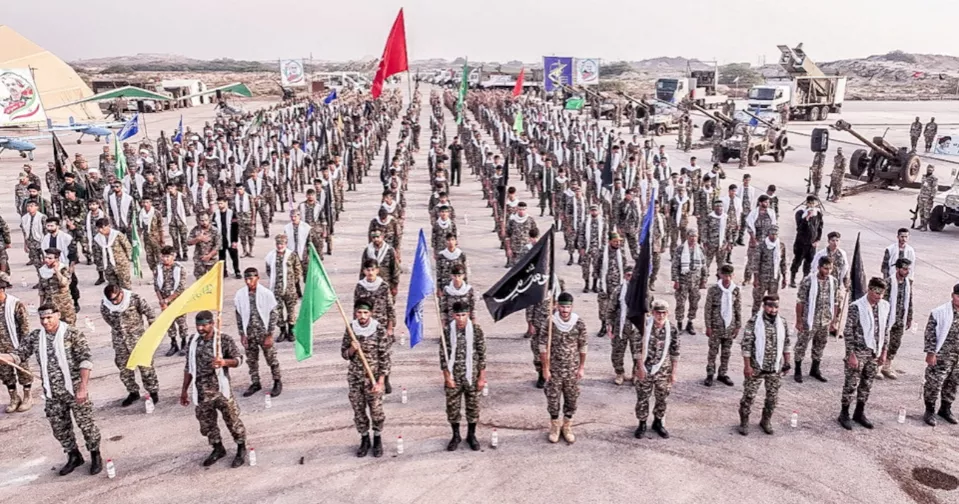
The UK government has announced that Iran's Islamic Revolutionary Guard Corps (IRGC) will be designated a threat to national security under new state-threat powers aimed at tackling foreign-backed hostile activities.
Home Secretary Shabana Mahmood said the new powers will make it a criminal offence to support the IRGC in any way, including expressing approval or providing assistance. Offenders could face up to 14 years in prison. Two other groups- the Islamic Movement of Companions of the Right (IMCR) and the volunteer corps of Russia's GRU military intelligence agency- will also be designated.
US, Iran to establish direct IRGC channel in Doha as tensions over Hormuz persist
If Parliament approves the measures later this week, those carrying out sabotage, including arson, on behalf of the groups could face life imprisonment. The new law will also give police and intelligence agencies greater powers to combat espionage, foreign interference, sabotage and physical attacks.
The government said the IRGC is believed to have directed seven attacks on UK sites linked to Jewish and Israeli communities, including the antisemitic arson attack on four Hatzola ambulances in Golders Green on March 23, which the IMCR claimed responsibility for.
Prime Minister Sir Keir Starmer said Britain would not allow hostile states to spread fear, division and violence. He said the new powers would make it easier to prosecute those acting on behalf of foreign governments.
Mahmood accused Iran and Russia of using proxy groups to carry out attacks in Britain and said those involved would be identified and jailed.
According to MI5, at least 20 potentially deadly Iranian-backed plots targeting people in the UK were identified over the past year. The government said the IRGC plays a central role in Iran's security apparatus and overseas operations, particularly targeting Jewish communities and Iranian dissidents. Home Office minister Angela Eagle said the IRGC operates beyond a conventional military force, carrying out intelligence activities, using proxy groups and advancing Iran's state objectives.
With inputs from BBC News