US and Iranian negotiators have reached a tentative agreement to extend the ceasefire in the three-month-long conflict by another 60 days and begin a fresh round of discussions on Iran’s nuclear programme, according to a US official familiar with the negotiations.
Iran has not immediately confirmed the agreement. US Vice President JD Vance acknowledged on Thursday evening that a tentative deal had been reached but said it remained uncertain whether President Donald Trump would approve it.
“It’s hard to say exactly when or if the president’s going to sign,” Vance told reporters.
He added: “We’re going back and forth on a couple of language points.”
The proposed memorandum of understanding comes as the fragile ceasefire between the US and Iran appeared increasingly unstable. The latest escalation occurred less than a day earlier when Kuwait intercepted missiles launched from Iran, according to US Central Command.
Proposal focuses on Strait of Hormuz
According to the US official, the memorandum stipulates that Iran would not be permitted to impose tolls in the Strait of Hormuz and would be required to clear all mines from the strategic waterway within 30 days.
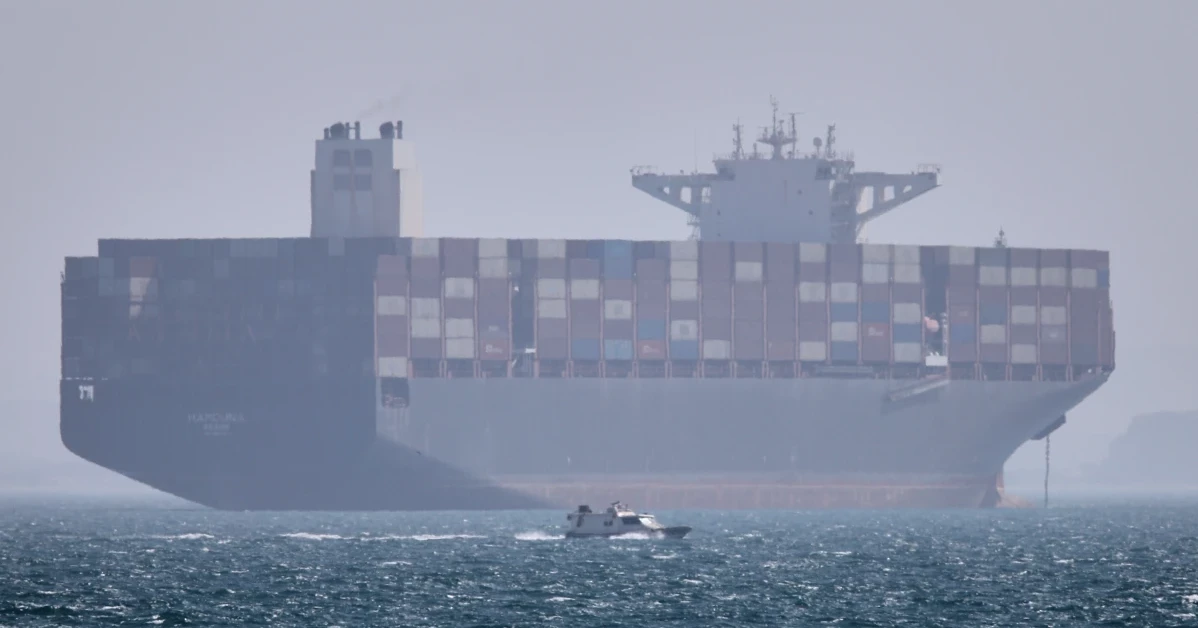
During the conflict, Iran effectively shut down the strait, through which nearly one-fifth of the world’s traded oil and natural gas passes. The disruption triggered sharp increases in global oil prices.
US Treasury Secretary Scott Bessent said at a news briefing on Thursday that oil prices could “come down very quickly” once an agreement is finalized.
Iran has allowed limited commercial shipping through the strait in recent days, with around two dozen vessels passing daily compared with more than 100 per day before the war. However, Tehran has also imposed tolls on some ships and established a gatekeeper agency earlier this month, prompting another round of US sanctions this week.
Under the tentative arrangement, the US would gradually ease its naval blockade on Iranian ports and relax sanctions, enabling Iran to increase oil exports.
Despite progress toward a deal, the US Treasury Department announced additional sanctions targeting the Iranian military’s oil sales network. The sanctions, first reported by AP, are part of the Trump administration’s continued economic pressure campaign against Tehran.
Nuclear issue still unresolved
One of the key issues expected to be negotiated during the 60-day ceasefire concerns Iran’s stockpile of highly enriched uranium. According to the International Atomic Energy Agency, Iran possesses 440.9 kilograms (972 pounds) of uranium enriched up to 60 percent purity, close to weapons-grade level.
Vance suggested that negotiators were attempting to settle broad terms concerning the uranium stockpile in the tentative agreement, while specific details would be discussed during follow-up talks.
He said discussions were continuing over “a couple of issues on the nuclear stuff, the highly enriched stockpile, and also the question of enrichment.”
Iran has not publicly agreed to surrender the uranium stockpile, which is believed to be stored beneath three nuclear sites heavily damaged in US airstrikes last year.
Nuclear experts have suggested Iran could consider transferring the uranium to China or Russia, both of which maintain close ties with Tehran. However, Trump said on Wednesday that he “wouldn’t be comfortable” with such an arrangement.
Although Trump and his administration have repeatedly stated that preventing Iran from obtaining a nuclear weapon remains a key objective, Vance described the results of the war in more limited terms.
“We’re in a position where we could substantially set back their nuclear program, not just during the term of this president but over the long term,” Vance said. “That’s a very very good thing for the American people.”
Iran, which has consistently maintained that its nuclear programme is peaceful, has insisted that any agreement must also include an end to Israel’s military operations in Lebanon against the Iran-backed Hezbollah group.
Tensions escalated further in Lebanon on Thursday after Israel launched an airstrike on Beirut’s southern suburbs and carried out additional strikes in the southern coastal city of Tyre. At least 14 people were killed across southern Lebanon.