
Rights groups have raised alarm over a possible wave of executions in Iran after authorities carried out the hanging of three young men this week, including a teenage wrestler, amid an ongoing crackdown on dissent.
The three — Saleh Mohammadi, 19, along with Mehdi Qasemi and Saeed Davoudi — were executed in the city of Qom after being convicted of “moharabeh,” or waging war against God, over the alleged killing of two police officers during recent protests, according to state media.
Activists say the executions are the first among thousands detained during a nationwide protest crackdown in January, warning that many more could follow. Oslo-based group Iran Human Rights said at least 27 protesters have already been sentenced to death, while over 100 others face charges that could carry capital punishment.
Amnesty International criticised the trials, saying convictions were based on forced confessions obtained under torture and described the proceedings as “grossly unfair.”
Rights advocates say the executions are aimed at deterring further unrest as Iran faces mounting pressure from the ongoing war with the United States and Israel.
“The executions are intended to instill fear in society and prevent new protests,” said Mahmood Amiry-Moghaddam of Iran Human Rights, warning that more executions of protesters and political detainees could be imminent.
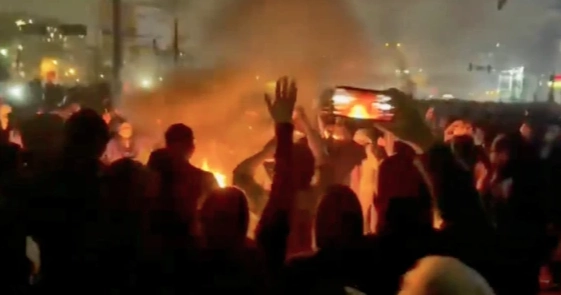
The protests, which began in late December and peaked in early January, triggered one of the deadliest crackdowns since the 1979 Islamic Revolution. Estimates of the death toll vary, with rights groups reporting thousands killed and tens of thousands arrested, though official figures are significantly lower.
Despite the ongoing conflict in the region, authorities have continued to detain individuals accused of dissent, with limited information emerging due to internet restrictions.
Human rights groups allege widespread use of enforced disappearances, incommunicado detention and coercion to extract confessions from detainees.
The latest executions have intensified concerns that Iran’s leadership, under pressure both internally and externally, may escalate punitive measures to maintain control.