Nepal PM
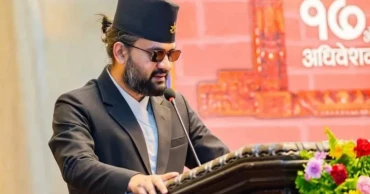
Why Nepal PM Balen Shah addressed UN with sunglasses on
Nepal Prime Minister Balendra Shah is known for his trademark dark sunglasses, which have become closely associated with his public image and political persona.
Shah, 36, wore his signature full-frame rectangular sunglasses while delivering his maiden address to the UN General Assembly on Thursday. In his speech, he warned world leaders that climate change is threatening the fragile ecology of the Himalayas.
Along with the sunglasses, Shah appeared in his familiar attire—a traditional black Nepali hat and a black blazer.
According to The Kathmandu Post, Shah follows a specific practice regarding when he wears his sunglasses. He is often seen wearing them during parliamentary sessions, official ceremonies, military parades and photo sessions with foreign ambassadors. However, he reportedly takes them off during cabinet meetings, private discussions and joint meetings.
How the Sunglasses Became Part of His Image
The former rapper-turned-politician has carried his signature look from his music career into politics. His dark sunglasses have become a defining feature of his public persona, while he largely communicates with the public through social media and rarely gives interviews or holds press conferences.
His distinctive eyewear has even become a commercial trend in Nepal. On the country's leading online shopping platform Daraz, searches for “Balen Shah glasses” bring up a range of sunglasses inspired by his trademark style.
Shah first attracted national attention when he won the Kathmandu mayoral election as an independent candidate in 2022, defeating established political forces. His black suit and dark sunglasses helped reinforce his image as an outsider to Nepal's traditional party politics.
Following a youth-led uprising in September 2025 that brought down the government of K.P. Sharma Oli, Shah retained his distinctive appearance throughout his campaign earlier this year.
In the March parliamentary election that followed, his Rastriya Swatantra Party secured a landslide victory. Shah himself defeated Oli in an eastern constituency and went on to become prime minister.
Since taking office, he has continued to appear in public wearing his trademark sunglasses.
When Has Balen Shah Removed His Sunglasses?
There have been only a few notable occasions when Shah has removed his sunglasses while addressing the public.
In July, he took them off while speaking to the nation following deadly Hindu-Muslim clashes in southern Nepal. A month later, he again appeared without the glasses during a visit to areas devastated by floods.
On another occasion, months earlier, Shah removed his sunglasses while addressing supporters and telling them, “I love you.”
His preference for dark sunglasses also became a subject of debate in parliament. In August, House Speaker Dol Prasad Aryal barred the wearing of dark sunglasses during parliamentary proceedings amid concerns over public criticism.
Later, however, The Kathmandu Post reported that Shah's office defended his choice, saying a doctor had advised him to wear sunglasses to protect his eyes from bright light.
Source: NDTV
20 days ago
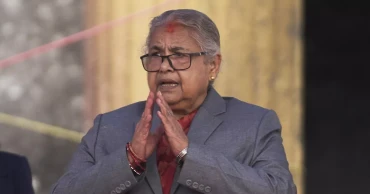
Nepal PM appoints three new ministers ahead of March Elections
Nepal’s Prime Minister Sushila Karki appointed three new ministers to her interim government on Monday. The interim government has been tasked with holding fresh elections in March following last week’s violent protests that toppled the previous administration.
Karki, Nepal’s first female prime minister, named Kalman Gurung as energy minister, Rameshore Khanal as finance minister, and Om Prakash Aryal as home minister.
The 73-year-old Karki assumed office on Sept. 12. Previously, she gained popularity as the Supreme Court’s chief justice in 2016–2017, earning recognition for her firm stance against corruption.
Last week’s demonstrations, dubbed the “Gen Z protest,” left at least 72 people dead and hundreds injured. The army imposed a curfew before agreeing to install Karki as head of the interim government, which will oversee elections in six months.
“I did not come to this position seeking it, but because voices from the streets demanded that Sushila Karki be given this responsibility,” she said Sunday. “Our role is only for six months — to complete the assigned tasks and hand over to the next government.”
Karki faces the dual challenge of meeting the expectations of the young protesters while managing senior political leaders and restoring government institutions damaged during the unrest. “Our focus now must be ending corruption, ensuring good governance, and promoting economic equality,” she added.
Students and business leaders expressed confidence in Karki. Chandra Lal Mehta, a student, noted that voters may choose a younger leader in March, but praised Karki’s legal expertise as an asset in her current role. Businessperson Shrawan Dahl said her support from both the army and the public makes her well-suited to lead the interim government.
The protests erupted on Sept. 8 over a brief social media ban, escalating into violent demonstrations against widespread corruption and poverty. Protesters attacked government buildings, including Parliament, the president’s office, the Supreme Court, several ministries, and police stations. Some private properties, including stores of a popular supermarket chain, were also targeted.
Calm was restored after the army regained control of the streets, paving the way for negotiations between protesters, the military, and the president to form the interim administration.
1 year ago