Measles prevention
Measles outbreak raises alarm in Bangladesh: Causes, symptoms and prevention
A measles outbreak in Bangladesh is triggering public health concerns, with a rising number of infections among children and dozens of deaths reported in recent weeks.
Measles cases are spreading in Dhaka, Rajshahi, Chattogram, Khulna, and other districts.
The World Health Organization (WHO) describes measles as a highly contagious viral disease that spreads through coughing, sneezing or close contact with infected individuals.
It can lead to severe complications and even death, particularly among children. Globally, an estimated 95,000 people—mostly children under five—died from measles in 2024 despite the availability of a safe and cost-effective vaccine.
Health Minister tells parliament about looting in his sector during previous 'fascist' govt
UNICEF also warns that children, especially those under five who are unvaccinated, face the highest risk due to their still-developing immune systems. Each year, around 136,000 people worldwide die from measles and its complications, most of them children.
Why children are most at risk
Concern is growing in different parts of the country as measles infections increase.
Health officials said a rising number of children are being admitted daily with symptoms of the highly contagious disease.
Sylhet Deputy Civil Surgeon Dr Janmejoy Dutta said on Sunday that some of the affected children are below nine months of age, including infants as young as five to six months, who are not yet eligible for vaccination.
In some cases, children have been infected despite receiving the vaccine.
He said the health department has launched a special investigation to determine the reasons behind such infections.
Dr Dutta noted that there had been some disruption in measles vaccine supply last year, although there is currently no shortage of the measles-rubella (MR) vaccine.
Signs and symptoms
Doctors say measles is often mistaken for a common cold or flu in its early stages. Symptoms usually appear 10 to 14 days after exposure.
Common symptoms include:
· High fever
· Runny nose
· Persistent cough
· Red, watery eyes
· Small white spots inside the cheeks
Within a few days, a red rash develops—typically starting on the face and upper neck before spreading across the body, including the hands and feet. The rash usually lasts five to six days.
Health risks
Measles is not a mild illness and can lead to life-threatening complications. Most deaths are linked to complications such as:
· Pneumonia
· Diarrhoea and dehydration
· Blindness
· Brain inflammation and damage
In pregnant women, measles can result in premature birth or low birth weight. The virus can also weaken the immune system, leaving children more vulnerable to other infections.
Treatment and care
There is no specific antiviral treatment for measles. Treatment mainly focuses on managing symptoms and preventing complications.
Health experts recommend:
· Timely vaccination with MMR or MR vaccines
· Avoiding close contact with infected individuals
· Seeking medical care promptly
· Ensuring adequate fluid intake to prevent dehydration
· Maintaining a nutritious diet
Doctors may prescribe antibiotics if secondary infections such as pneumonia occur.
All infected children and adults should receive two doses of vitamin A supplements, given 24 hours apart. This helps restore vitamin A levels, prevents eye complications, and reduces the risk of death.
Prevention and awareness
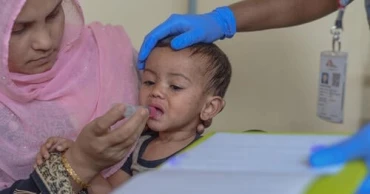
Vaccination remains the most effective way to prevent measles. Children should receive two doses to ensure full protection—the first typically at nine months in high-risk countries like Bangladesh, and the second between 15 and 18 months.
Public health experts stress that awareness is crucial, as measles spreads rapidly. A single infected child can transmit the virus to multiple others, especially within families and crowded communities.
6 months ago