Strawberry
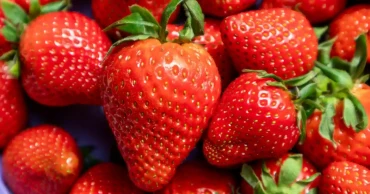
DNA ‘time stamps’ uncover surprising evolutionary history of strawberry
Scientists have developed a new genetic analysis method that uses “time stamps” hidden in DNA to trace the complex origins of the cultivated strawberry, revealing a far more complicated evolutionary history than previously understood.
Many major crops, including strawberry, wheat and cotton, have highly complex genomes formed through repeated hybridization and whole-genome duplication. These plants carry multiple sets of chromosomes from different ancestral species, making it difficult for scientists to reconstruct their exact origins, especially when some ancestor species are extinct or unknown.
A new study published in the journal *Horticulture Research* presents a genome-wide approach that helps untangle these complicated histories. The method analyzes patterns in long terminal repeat retrotransposons, a type of mobile DNA that leaves behind evolutionary signatures over time. By comparing similarities in these genetic elements across chromosomes, researchers can separate different ancestral genome groups and estimate when key genome-merging events took place.
When applied to the cultivated octoploid strawberry the approach revealed that its genome was formed through multiple rounds of ancient hybridization events. The analysis identified four distinct subgenomes and suggested that three major genome-merging events occurred between about 3.1 and 0.8 million years ago.
The findings also support links between parts of the strawberry genome and two wild species, ‘Fragaria vesca’ and ‘Fragaria iinumae’, while challenging earlier theories that suggested additional unknown ancestor species. Researchers say some of the missing contributors may be extinct or have not yet been identified.
Before testing the method on strawberry, scientists validated it using other well-studied crops such as teff and cotton, where it successfully separated known subgenomes and reconstructed their evolutionary timelines.
Researchers say the approach could have broad applications for other important polyploid crops. Better understanding of subgenomes may improve gene mapping, trait identification and plant breeding strategies, potentially helping to develop stronger and more productive crop varieties.
The study highlights how mobile DNA elements can act as evolutionary markers, allowing scientists to reconstruct genome history even without direct access to ancestral species.
Source: Daily Science
3 months ago
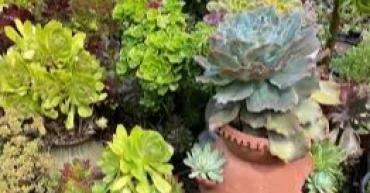
Strawberry pots double as space-saving planters for eye-catching plant displays
Those unusual planters with small openings on their sides often resembling tiny buildings with windows and balconies are more than decorative pieces. While commonly used for growing strawberries, these pots can also be used creatively for a variety of plants.
Usually made of terracotta, strawberry pots are tall and urn-shaped, though shorter and wider versions are also available. The side openings are designed to hold soil and plants, allowing strawberries to grow above the ground and reducing the risk of rotting. However, gardeners can use them for much more than fruit.
These pots are ideal for creating attractive and practical displays. Succulents such as hens and chicks fit well in the side pockets, offering a striking look. In colder climates, the pots can be moved indoors during winter, as long as the plants receive enough sunlight and are not overwatered.
They are also perfect for a compact herb garden. Smaller herbs like parsley, thyme and mint can be planted in the lower openings, while larger ones such as rosemary or basil can be placed at the top, creating a neat and functional display. Adding small flowering plants like marigolds can enhance the look.
Trailing flowers and vines, including petunias and sweet potato vines, can spill out of the openings, creating a colourful effect. Plants like nasturtiums, verbena and ivy also work well, while shade-loving varieties like caladium and coleus are good options for low-light areas.
Watering all plants evenly can be challenging, but placing a perforated PVC pipe in the centre of the pot helps distribute water and nutrients effectively.
Although strawberry pots come in different materials, traditional clay versions can crack in freezing weather. In colder regions, it is best to bring them indoors during winter and care for them as houseplants.
Jessica Damiano is a gardening writer for The Associated Press and publishes the Weekly Dirt Newsletter.
5 months ago