World’s largest
World’s largest art heist still a mystery as $500m paintings remain missing
More than three decades after 13 priceless artworks were stolen from the Isabella Stewart Gardner Museum in 1990, the case remains unsolved, with the missing pieces now valued at over $500 million.
The robbery is still considered the largest art theft in history, far exceeding other museum heists. In 2013, the Federal Bureau of Investigation said it had identified those responsible but never publicly named them, keeping speculation alive.
A former FBI investigator, Geoffrey Kelly, has now shared new details in his book “Thirteen Perfect Fugitives,” outlining how authorities tracked the stolen artworks through criminal networks. He also identified suspects he believes were involved and revisited key evidence, challenging long-held theories.
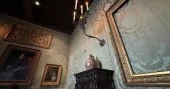
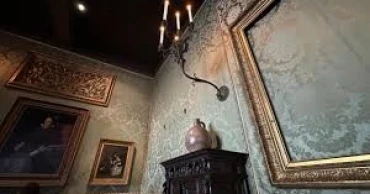
The museum itself was designed to remain unchanged after the death of its founder, Isabella Stewart Gardner, in 1924. Today, the empty frames of the stolen paintings still hang on the walls as a reminder of the crime.
The theft took place in the early hours of March 18, 1990, shortly after St. Patrick’s Day celebrations. Two men posing as police officers tricked security guards into letting them inside. They tied up the guards and stole several major works, including paintings by Johannes Vermeer and Rembrandt, along with pieces by Edgar Degas and Édouard Manet.
The thieves also took a decorative Napoleonic eagle finial and security tapes, puzzling investigators. The museum later offered a reward, eventually raising it to $10 million, for information leading to the recovery of the artworks.
Over the years, investigators followed numerous leads, including possible links to the Irish Republican Army and Boston’s underworld figures such as Whitey Bulger. Agents even carried out undercover operations abroad, but none led to the recovery of the paintings.
The case has been complicated by violence. Several individuals suspected of having links to the robbery were killed or died under unclear circumstances. Among them was Robert “Bobby” Donati, a known mob associate, who was found murdered in 1991. Another suspect, George Reissfelder, also died under suspicious conditions, and a painting believed to have been in his possession later disappeared.
Investigators believe the crime may have been connected to a local criminal network in Boston, but a lack of solid evidence made it difficult to bring charges. Limited resources in the early stages of the investigation also slowed progress, as authorities were focused on other major crimes at the time.
There were also suspicions about a possible insider role. One museum guard, Rick Abath, was questioned after reportedly opening a door against protocol shortly before the robbery. However, no charges were filed, and he denied any involvement before his death in 2024.
Kelly described the missing artworks as “perfect fugitives,” noting that unlike people, they leave no trace and can remain hidden for decades. Despite many false leads over the years, including sightings in private homes and antique shops, none of the stolen pieces have been recovered.
Because the artworks are so well known, experts say selling them openly is nearly impossible. While stealing them may have been easy, turning a profit remains the biggest challenge.
Still, Kelly believes the paintings are likely still out there and could one day resurface.
3 months ago