July Museum
Border killing segment removed from July Museum, Nahid alleges
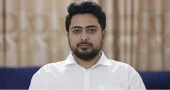
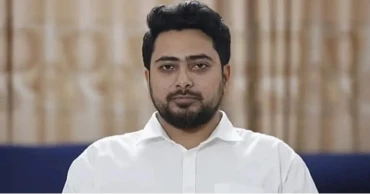
National Citizen Party (NCP) convener Nahid Islam on Saturday alleged that the segment on killings along the Indian border and the list of Bangladeshis who died in such incidents, which existed in the July Memorial Museum during the interim government's tenure, has been removed under the current government.
“The list of Bangladeshis killed in border shootings and the memorial for Felani have been removed from the museum. Meanwhile, the current government has increased its own party-related content,” Nahid told reporters after visiting the museum on Saturday morning.
He said during the rule of ousted prime minister Sheikh Hasina, all authoritarian decisions including looting of people’s money used to be taken from Ganabhaban.
The interim government had planned to convert the building into a museum.
“We spoke extensively both in parliament and outside for the museum to be opened to the public. I had visited here before as well. Some changes have been made by the government after the elections,” Nahid said.
He further alleged that the segment on border killings, memories of the massacres at the border, and recollections of the anti-Modi movement have all been removed from the museum, while the BNP's movements and struggles have been given comparatively more prominence. “The museum should not become a place for practising party-based history. It should remain a place for practising national history.”
Commenting on the removal of anti-India content from the museum, Nahid said India was complicit in the fascism that prevailed in Bangladesh over the past 16 years. “BNP is perhaps afraid of India. The government thinks doing this will help maintain good relations with India. The issue is not about having good or bad relations with India, the relationship must be one of dignity.”
The NCP convener said the memories preserved from the July uprising should be showcased in greater detail, following a timeline covering contributions from various districts, universities, private universities and madrashas.
2 months ago
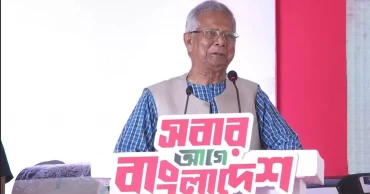
July Museum to guide nation whenever it loses its way: Prof Yunus
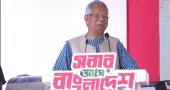
Former interim government Chief Adviser Prof Muhammad Yunus on Wednesday described the July Mass Uprising Memorial Museum as the starting point of Bangladesh's new journey, saying the nation should return to the museum whenever it loses its way to rediscover its democratic ideals and future direction.
Speaking as a special guest at the discussion titled "July 36" following the museum's inauguration, he also said the museum will serve as a bridge between Bangladesh's past and future, inspiring future generations to uphold the spirit of the July uprising and build a better nation.
"This museum stands between the past and the future. It has preserved the past instantly, but it has also created the future. It tells us who we are, what we wanted and what kind of Bangladesh we dreamed of building," Prof Yunus said.
He said the museum will serve as a guide whenever the nation faces uncertainty.
"If we ever lose our way, we will come here to find our path. If confusion clouds our thinking, we will rediscover our direction here and begin our journey anew," the former chief adviser said.
He said the institution is unlike conventional museums because it documented a defining chapter of Bangladesh's history almost immediately after the events unfolded. "There are many museums around the world that preserve objects from the distant past. This museum is different because it has preserved the memories, documents and artefacts of a historic event almost instantly," he said.
Prof Yunus, also a Nobel laureate, said the museum has created a new dimension in preserving the nation's history by connecting the past with the future.
He said the museum captures the aspirations and sacrifices of ordinary people, particularly young protesters who took to the streets hoping to build a new Bangladesh.
Referring to the handwritten farewell letter left by July uprising martyr Shariar Khan Anas, the former interim government head said it reflected the courage and conviction of an entire generation.
"He was not following a script. His parents tried to stop him, but he felt compelled to join the movement. His letter captured the emotions of a generation," he said.
Prof Yunus urged young Bangladeshis to draw inspiration from the museum and contribute to building the country the martyrs had envisioned.
He hoped students from schools, colleges and universities across the country will visit the museum, reflect on the July uprising and record their own dreams for Bangladesh's future.
"I hope visitors will not simply walk through the galleries and leave. They should think about what kind of Bangladesh they want to build," the Nobel laureate said.
He also envisioned the museum becoming a vibrant cultural hub where young people will express their aspirations through literature, music, art and other creative works.
Referring to the symbolic graves displayed on the premises, Prof Yunus said each memorial will tell the story of a martyr, enabling visitors to understand the sacrifices made by ordinary citizens.
"These were ordinary sons and daughters from ordinary families. They came to the streets because they believed Bangladesh deserved a better future," he said.
2 months ago
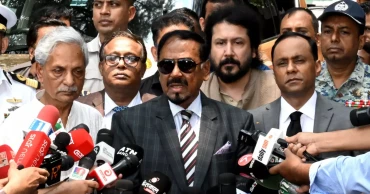
July Museum to preserve history of anti-authoritarian struggle: Speaker
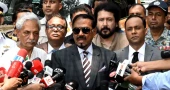
Jatiya Sangsad Speaker Hafiz Uddin Ahmad on Tuesday said the July Museum will remain a lasting inspiration for future generations in the struggle against autocracy.
“As long as this museum exists, the history of the people’s resistance against authoritarianism in this country will be preserved,” he said while briefing reporters after visiting the July Mass Uprising Museum.
The Speaker said the museum has vividly portrayed the repression, violence and killings carried out during the ‘16 years of sham and staged elections’ under the rule of former prime minister Sheikh Hasina.
He said the sacrifices of Abu Sayed, Mugdha, Wasim and others during the July-August uprising would continue to inspire the nation.
He added that during the authoritarian regime, Sheikh Hasina’s expression of sympathy toward the families of the disappeared was insincere, leaving her disgraced in history
Hafiz Uddin Ahmed said the sacrifices made by ordinary people in every democratic and anti-autocracy movement in the country from 1971 to 2024 were unique contributions to the establishment of democracy.
“The sacrifices of the masses during the July mass uprising will remain an example for the world,” he said adding that the July fighters dedicated their present for the future of the nation.
4 months ago