Plastic trap
A Ramsar site under pressure: Plastic traps threaten Tanguar Haor
One of Bangladesh’s most ecologically significant freshwater wetlands, Tanguar Haor, is facing growing environmental threats from the widespread use of plastic fish traps and what conservationists describe as a lack of effective enforcement against destructive fishing practices.
Spread across nearly 126 square kilometres in Sunamganj’s Tahirpur and Madhyanagar upazilas, Tanguar Haor is recognised as the country’s second Ramsar site after the Sundarbans and serves as a vital reservoir of biodiversity.
But environmentalists warn that increasing plastic pollution coupled with illegal fishing methods is undermining the fragile ecosystem.
Once home to between 140 and 200 species of indigenous fish, the haor has witnessed a steady decline in aquatic biodiversity in recent years.
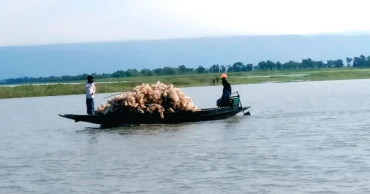
Experts attribute the trend to multiple environmental pressures, including overfishing, illegal fishing nets and the growing use of plastic-made “Kiranmala chai” traps that have become common across the wetland.
According to locals and environmental groups, fishermen frequently leave behind discarded plastic traps after harvesting fish.
These non-biodegradable materials remain floating on the water surface or settle on the lakebed for years, gradually breaking down into microplastics.
Environmental experts said the resulting microplastic contamination poses a serious risk to fish and other aquatic organisms.
The particles can enter the food chain through aquatic species, affecting fish growth and reproduction while threatening the broader ecological balance of the wetland.
The discarded plastic also obstructs natural water flow, further disrupting the haor’s ecosystem.
Representatives of the Environment and Haor Development Organisation said Tanguar Haor is already under pressure from illegal current nets, ‘China duari traps’ and excessive fish harvesting.
The addition of plastic pollution has made the situation increasingly alarming.
They also noted signs of declining oxygen levels in water, reduced aquatic vegetation growth and lower fish breeding rates.
Every year, fresh floodwaters entering the haor through rivers bring various fish species into the wetland.
With early monsoon flows arriving this year due to heavy rainfall in Cherrapunji, water levels in the Jadukata and Patlai rivers rose earlier than usual, allowing fish to enter the haor ahead of schedule.
Taking advantage of the situation, many local fishermen have reportedly intensified the use of plastic traps throughout the wetland. The traps are particularly popular because they can catch shrimp and a variety of small fish species with minimal effort.
Despite recurring criticism and periodic discussions about the environmental impact of the traps, locals alleged authorities have yet to establish a sustained campaign to stop their production, storage and sale.
4 months ago