summers
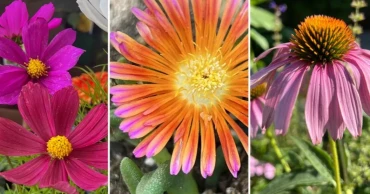
Heat-tolerant flowers that keep gardens thriving in hot, dry summers
As summer temperatures rise, people can escape the heat indoors, but garden plants have to endure it on their own. Many flowers struggle in extreme heat, becoming dry, weak or failing to bloom altogether. However, choosing the right plants can help gardens stay colourful and healthy even during long, dry spells.
Container plants are usually the most vulnerable because they depend entirely on regular watering and nutrients. Even after a morning watering, pots can dry out quickly under strong sun. In contrast, well-established heat- and drought-resistant plants develop deeper roots, allowing them to access moisture from the soil and survive with less care.
Gardeners have plenty of resilient flowering options to choose from.
Coneflowers (Echinacea), hardy in zones 3–9, are among the most reliable summer bloomers once established. They require little maintenance after their first season and continue producing flowers throughout the hot months. Black-eyed Susans (Rudbeckia) are equally tough and pair well in the same garden beds.
Blanket flowers (Gaillardia) are known for their bright red, yellow and orange blooms that spread across garden beds, creating a vibrant “blanket” effect even in intense heat.
Zinnias also perform well in hot conditions, although they can sometimes be affected by powdery mildew in humid weather.
Moss rose (Portulaca) is a low-growing, drought-resistant plant with succulent-like leaves that store water, making it highly adaptable to dry heat. Other hardy options include stonecrop (Sedum), prickly pear cactus (Opuntia) and ice plant (Delosperma), though ice plant should be avoided in some regions where it is considered invasive.
Lantanas are another strong performer, producing clusters of multicoloured flowers that attract bees, butterflies and hummingbirds. They bloom from late spring until frost and are valued for both beauty and pollinator support.
Several other sun-loving plants also thrive in high temperatures. Petunias, including varieties such as Supertunia and Tidal Wave, are known for their resilience. Petchoas, a hybrid of petunias and calibrachoas, handle heat well but may need deeper watering during extreme conditions.
Cosmos are light, airy plants with daisy-like flowers in shades of pink, white, orange and yellow. Sunflowers are naturally suited to full sun and require little introduction.
Marigolds remain one of the most reliable summer flowers, available in shades of orange, yellow and copper-red, with newer cream-coloured varieties also emerging. A new compact African marigold variety called Lana Lace, featuring crisp cream blooms, is expected to reach garden centres in 2027.
1 month ago