IVF embryos
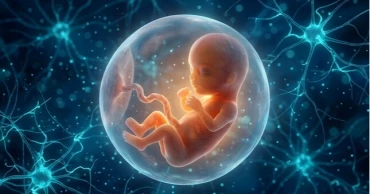
Chinese scientists uncover key reason why many IVF embryos stop developing
Chinese scientists have identified a major cause behind the early developmental failure of human embryos, a breakthrough that could improve the success rate of in vitro fertilization (IVF) treatments in the future.
The findings, published in the journal 'Cell', come from a study led by researchers at Tsinghua University, who captured the first high-resolution images of human embryos during the first five days after fertilization.
Many couples undergoing IVF face disappointment as more than half of fertilized eggs fail to develop into blastocysts, the stage at which embryos are ready to be implanted in the uterus. The reasons behind this high failure rate have long remained unclear.
To investigate, researchers developed a new imaging tool called a dual-view light-sheet microscope. The technology allowed them to observe living embryos for extended periods without causing damage.
The team analyzed more than 2,000 cell divisions in over 150 human and monkey embryos. They found that more than 70 percent of embryos that stopped developing experienced problems during their second cell division.
According to the researchers, the issue was linked to abnormalities in a cellular structure known as the spindle, which helps distribute genetic material evenly when cells divide. Defects in the spindle led to chromosome separation errors, causing embryo development to halt within a few cell divisions.
The study also revealed that centrosomes, cell structures responsible for organizing the spindle, play a critical role. When embryos had an abnormal number of centrosomes, the spindle could not function properly, increasing the risk of developmental failure.
Building on this discovery, the researchers tested a low dose of a drug designed to regulate centrosome replication during the second cell division. The treatment significantly improved embryo quality, increasing the proportion of embryos with normal centrosomes from 40 percent to 80 percent.
Importantly, the drug did not affect embryos that already had normal centrosomes, suggesting it may offer a targeted way to reduce developmental errors.
Chun So, an assistant professor at Tsinghua University, said the findings could eventually help IVF clinics reduce cases of early embryo arrest and improve pregnancy outcomes.
He added that the research team plans to continue developing advanced imaging technologies to better understand human embryo development after implantation, with the goal of finding new ways to increase the chances of successful pregnancies.
3 months ago