presidential library
A look at presidential libraries as Obama Center opens to the public June 19
As the Obama Presidential Center opening prepares to open its doors on June 19 in Chicago, historians are once again reflecting on how US presidential libraries preserve both history and personality.
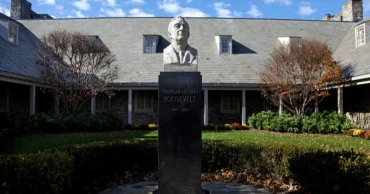
For historian Geoffrey Ward, visiting the Franklin D. Roosevelt Presidential Library and Museum feels like stepping directly into the world of former US president Franklin D. Roosevelt. He describes the site as full of personal artefacts that reveal Roosevelt’s wide-ranging interests, from childhood belongings to books and collections that shaped his public life.
Since Roosevelt helped establish the modern concept of presidential libraries in the late 1930s, the system has expanded across the United States. These institutions, now overseen in part by the US National Archives and Records Administration, range from large modern complexes to small-town museums, including the Ronald Reagan Presidential Library and Museum and the Herbert Hoover Presidential Library and Museum.
Historian Douglas Brinkley, who has visited most of these libraries, said each site carries a distinct atmosphere reflecting the president it represents. He noted that Roosevelt’s decision to donate his home and papers to the public set a lasting model for preserving presidential history close to where leaders lived and worked.
However, experts say presidential libraries often present a carefully shaped version of history. While official archives are managed by federal professionals, museum exhibits are frequently supported by private funding, which can influence how presidents are portrayed.
Some critics argue this can lead to a focus on achievements while downplaying controversies. In some cases, disputes have emerged over how sensitive events are presented, including the Watergate scandal at the Richard Nixon library and debates over policy legacies at other sites.
Historian Max Boot said archival records are generally handled in a neutral and professional way, but museum displays often highlight positive aspects of a presidency more strongly than failures.
Others, like historian Ted Widmer, say there has been gradual improvement in transparency. He pointed to the Lyndon B. Johnson Presidential Library for its willingness to confront controversial issues such as the Vietnam War and historical election disputes linked to former president Lyndon B. Johnson.
Widmer said it remains uncertain whether future presidential libraries will continue moving toward greater openness, especially as political divisions deepen, but stressed the importance of presenting history accurately rather than in a simplified or polished form.
The new Obama Presidential Center opening has also drawn attention for its design and scale. Located on Chicago’s South Side, the project has faced both praise and criticism, including debate over its architecture and decision not to include a National Archives-managed facility on site.
The centre is expected to attract up to one million visitors annually and will include a public library branch, sports facilities, gardens and community spaces. Former US president Barack Obama has been closely involved in shaping its design and features, including recreational areas and reading spaces intended for public use.
Supporters say the centre reflects a modern, community-focused approach to presidential legacy, combining historical preservation with public engagement in a more interactive environment.
4 months ago