India forcibly expelling ethnic Bengali
India should stop unlawfully expelling Bengali Muslims to Bangladesh: HRW
Urging India to stop brutal expulsions, the Human Rights Watch (HRW) on Wednesday said both Bangladesh and Indian governments should ensure that border management never again comes at the cost of basic human dignity.
The New York-based rights body said the Indian authorities are forcibly expelling ‘ethnic Bengali residents, mostly Muslims’ from West Bengal state, to Bangladesh without basic due process.
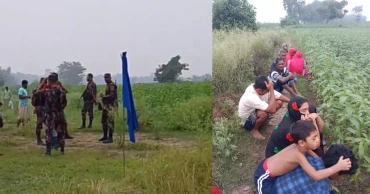
“No one, whatever their nationality, should be left to spend nights in an open field between two lines of armed border guards,” said Meenakshi Ganguly, deputy Asia director at Human Rights Watch.
Ganguly said the Indian authorities are cruelly dumping families into Bangladesh or leaving them stranded at the border, ignoring their basic human rights.
“The government (of India) should stop unlawfully expelling people, ensure procedural safeguards, engage with Bangladeshi authorities to verify citizenship, and end this dismaying animosity toward Muslims.”
Bangladeshi border guards have reported that since June 1, 2026, they have foiled 21 attempts by the BSF to push more than 200 people, including children, into Bangladesh’s border districts.
The chief minister of India’s West Bengal state, Suvendu Adhikari, who took office after the Hindu-majoritarian Bharatiya Janata Party (BJP) won the March elections, said that the government under his “detect, delete and deport” policy had detained hundreds of “Bangladeshi infiltrators” and forced nearly 5,000 people “to go back.”
The Human Rights Watch interviewed nine people who witnessed Indian border security troops bring groups of people to the border at night and push them through cuts in the barbed wire fencing into Bangladeshi territory.
In several cases, Indian border guards eventually allowed people to return after the Bangladesh border force denied them entry, it said in a statement.
Just ahead of March elections in West Bengal, India’s election commission had carried out a hurried and controversial revision of voter lists that dropped over nine million names, triggering threats of detention and deportation, said HRW.
A flawed and discriminatory citizenship verification process in Assam state in 2019 had already left over 1.9 million people stateless and thousands of Bengali-speaking residents of the state have been held in detention centers, while many were expelled unlawfully.
The BJP chief minister in Assam, Himanta Biswa Sarma, has repeatedly lashed out at Bengali-speaking Muslims in the state, calling them “illegal immigrants.” Recently he said: “We take them to a convenient location near the border, and literally push them across the border. Now, such an atmosphere has been created in Assam that several illegal Bangladeshis have started going back on their own.”
Indian officials contend that numerous Bangladeshis are living in India illegally and have offered to help them return voluntarily.
Genuinely voluntary repatriation, including with assistance, is compatible with international human rights standards, but India should not coerce repatriation or forcibly expel people, the HRW said.
“Nor should they, as some of those interviewed allege, strip them of documentation, money, and personal belongings.”
Bangladeshi authorities have said they will not accept people pushed across the border outside legal channels, insisting that any returns must follow proper verification and established repatriation procedures, according to the HRW.
Leaving people without food, water, shelter, or medical care may amount to cruel, inhuman, or degrading treatment, it said.
The Indian government should ensure access to fundamental procedural safeguards for anyone subject to expulsion.
This includes access to full information about the grounds for deportation, the right to legal representation, and an opportunity to appeal a decision to expel them.
Expelling or stranding children violates the Convention on the Rights of the Child, which obligates states to respect children’s right to preserve their nationality and prohibits their arbitrary deprivation of liberty.
India and Bangladesh have bilateral mechanisms that provide for verification of nationality and orderly transfer of nationals.
Indian authorities’ circumvention of these procedures has repeatedly left people trapped between two border forces in conditions that violate their fundamental rights, Human Rights Watch said.
3 months ago