nuclear talks with Iran
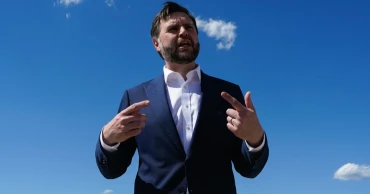
US Vice President Vance arrives in Switzerland for nuclear talks with Iran
US Vice President JD Vance arrived in Switzerland on Sunday to formally launch negotiations with Iran aimed at curbing Tehran's nuclear programme and advancing a fragile interim agreement intended to end the war in Iran.
Vance and Second Lady Usha Vance landed at Emmen Air Base near Lucerne shortly before 6 am local time, according to his office.
The two sides are now entering a 60-day period to negotiate the technical details of the framework agreement signed last week, with the outcome expected to have significant implications for global security and the world economy.
The opening days of the negotiation period have already been complicated by renewed fighting in Lebanon between Israel and the Iran-backed militant group Hezbollah and by Iran's announcement that it had again closed the Strait of Hormuz, a key shipping route for global oil and natural gas supplies.
Vance had originally been scheduled to arrive in Switzerland on Friday, but his trip was delayed after the escalation in Lebanon prompted Iranian officials to cancel their initial plans to attend the talks.
The US Central Command disputed Iran's claim that the Strait of Hormuz had been shut, saying American forces were continuing to monitor the situation to ensure maritime traffic remained uninterrupted. Vance has said millions of barrels of oil have continued to pass through the waterway in recent days.
The vice president departed the United States shortly after Iranian state television reported that Tehran's delegation had arrived in Switzerland.
Iran's negotiating team includes Parliament Speaker Mohammad Bagher Qalibaf, Foreign Minister Abbas Araghchi and senior officials from the country's central bank and oil sector.
Vance joins US special envoy Steve Witkoff and Jared Kushner, President Donald Trump's son-in-law, who have already begun working on the technical aspects of the negotiations.
The talks are also expected to involve Pakistani Prime Minister Shehbaz Sharif, Army Chief Field Marshal Asim Munir and Qatari mediators.
Vance said he expected to remain in Switzerland for only "a day or two", leaving much of the detailed negotiations to Witkoff and Kushner.
The negotiations have drawn criticism from some Republican hardliners, who have compared the interim deal to the 2015 nuclear agreement reached under former President Barack Obama, arguing that it may fail to permanently halt Iran's nuclear ambitions.
Under the agreement signed by President Trump and Iranian President Masoud Pezeshkian, Iran is allowed to resume unrestricted oil sales and could eventually gain access to billions of dollars in frozen assets. The deal also requires Tehran to dilute its stockpile of highly enriched uranium.
The agreement permits commercial vessels to pass through the Strait of Hormuz without charge for 60 days, although it leaves open the possibility of future Iranian fees.
Meanwhile, tensions remain high in Lebanon, as neither Israel nor Hezbollah is a party to the US-Iran agreement. Israeli Prime Minister Benjamin Netanyahu has vowed to maintain Israeli forces in southern Lebanon until all threats to Israel are removed, while Hezbollah has refused to halt attacks unless Israel withdraws from Lebanese territory.
The fighting in Lebanon in the days following the US-Iran agreement has reportedly killed 47 people in Lebanon and four Israeli soldiers.
1 month ago