solar energy deal
Major solar energy deal with China likely during PM’s visit, says Chief Whip
A major solar energy agreement could be signed during Prime Minister Tarique Rahman’s current China visit, Chief Whip of Parliament Nurul Islam Moni said Tuesday.
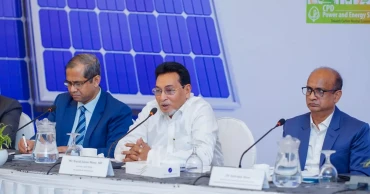
“The government is seriously pursuing a solar-related deal with China and there is a strong possibility it will be concluded during the Prime Minister's current visit,” he said at a CPD-organised dialogue in Dhaka.
Speaking at the Centre for Policy Dialogue (CPD) event titled “Solar Revolution in Pakistan in the Eyes of Country's Leading CSO: Lesson for Bangladesh from National Budget Perspective” at a hotel in the capital the Chief Whip said the government is moving on multiple fronts, from urban rooftop installations to rural agricultural use.
“There are plans to bring agricultural water pumps in villages under solar energy. This will significantly reduce the large fuel subsidies currently given to farmers for irrigation,” he said.
Acknowledging that targets would not be met overnight, Moni said the priority was to begin. “We may not reach our desired goal in three months, perhaps not even in three years. But we want to start now.”
He said the current budget offers major tax concessions for renewable energy, with the government extending maximum fiscal benefits to the sector.
The Chief Whip urged banks, financial institutions and businesses to invest, noting the strong return profile. “A renewable energy plant recovers its cost within three to four years and operates for around 15 years. Investment in this sector is unquestionably profitable.”
The dialogue also featured a paper presentation by Muhammad Basit Ghauri, Manager of Special Initiatives and China Programme at Pakistan's Renewables First, who outlined lessons from Pakistan's solar boom for Bangladesh.
Ghauri's analysis showed Bangladesh is structurally close to the tipping point that triggered Pakistan's solar surge where panel imports jumped eightfold in a year, reaching 17.9 GW in FY2025, and distributed solar now accounts for 46 percent of net grid sales.
Pakistan's solar rush avoided an estimated 35 million tonnes of CO₂ emissions, created 500,000 direct and indirect jobs, and mobilised approximately USD 15 billion in private capital over nine years.
Bangladesh, the analysis found, shares Pakistan's power-sector overcapacity trap and fossil fuel import burden, but import duties of 11–58 percent on solar panels, inverters and batteries are keeping system costs 40–50 percent above Pakistani levels, a self-inflicted barrier that a full duty removal could decisively unlock.
The session was moderated by CPD Research Director Khondaker Golam Moazzem.
4 months ago