Polymarket
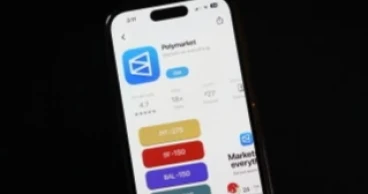
Polymarket seeks to rebuild trust as it returns to the US market
Prediction market platform Polymarket is trying to rebuild its reputation as it returns to the US market after spending four years operating outside the country.
The company is investing heavily in marketing and new partnerships while assuring regulators, policymakers and customers that its US business will operate under stricter rules than its international platform, which has faced criticism in recent years.
Polymarket has worked with social media influencers to promote its services on TikTok and other platforms. Its account on X has attracted millions of followers, while the company has signed partnership deals with Major League Baseball, several sports teams and media organisations including CNBC and CNN.
The company says its prediction markets offer a more accurate way to measure the likelihood of future events than traditional opinion polls or expert commentary.
Polymarket left the US market in 2022 after settling federal charges over operating an unregistered derivatives exchange. Although Americans were officially barred from using its international platform, many continued to access it through other means.
The offshore platform later drew criticism over allegations of insider trading and allowing bets linked to wars and other violent events.
Polymarket officially returned to the US at the end of 2025 after acquiring derivatives exchange QCEX, giving it the regulatory licence needed to operate in the country.
Company executives say the US business is completely separate from its international platform. They have also recruited compliance, regulatory and surveillance experts to ensure the platform follows US laws.
"Trust is the product we are building here," Dan Lee, head of US operations at Polymarket, said in an interview. Lee joined the company earlier this year after working at Coinbase.
Among the recent appointments is Megan McGrath, formerly of Robinhood, who has become Polymarket's chief compliance officer. The company has also hired former officials from the US Department of Justice and the FBI to oversee enforcement and market surveillance.
Lee said earning public trust will be critical to the success of Polymarket's US operations.
Both the US and international platforms allow users to trade on the probability of future events, including politics, sports, weather and current affairs.
However, the two services operate differently. The international platform is built on blockchain technology and requires users to trade with cryptocurrency, while the US platform is regulated by the Commodity Futures Trading Commission (CFTC) and uses traditional US dollars.
Customers will notice little difference apart from the payment method, although the US platform offers fewer contracts and operates under tighter regulations.
Todd Phillips, a prediction market researcher at the Roosevelt Institute, said the key distinction is that the US platform must comply with American laws, while the international version operates under far fewer restrictions.
The competition has also intensified since Polymarket exited the US market. The prediction market industry has expanded rapidly, with combined trading volume on Polymarket and rival Kalshi reaching $26.6 billion, according to blockchain analytics firm Dune. That compares with $9.75 billion recorded across the platforms in October last year.
Kalshi currently dominates the US market, largely because of its sports-related contracts, and was valued at $22 billion in its latest funding round.
The industry has also received support from the Trump administration. The CFTC has challenged state efforts to regulate prediction markets, arguing that federal law should take precedence. Meanwhile, Donald Trump Jr. is an investor in Polymarket through venture capital firm 1789 Capital.
Despite its return, Polymarket has faced fresh scrutiny over its promotional campaigns.
The Wall Street Journal reported that some of the company's advertisements allegedly used paid influencers who appeared to profit from trades that were not genuine. Politico also reported in June that a Polymarket executive paid at least 20 political content creators without many of them publicly disclosing the partnerships.
The company said it is investigating both its advertising and promotional activities.
Questions also remain over whether Polymarket's US business can separate itself from controversies involving its international platform.
Earlier this year, a US Army sergeant was indicted over bets related to the capture of Venezuelan President Nicolás Maduro that were placed on Polymarket's international platform.
In April, The Associated Press also reported that dozens of newly created accounts placed large bets on a US-Iran ceasefire shortly before President Donald Trump announced the ceasefire on social media, raising concerns about possible insider trading.
Lee said he believes the safeguards introduced in the US business will strengthen its credibility despite the controversies surrounding the international platform.
He added that the size of the international business often overshadows the progress Polymarket is making in establishing a trusted and fully regulated operation in the United States.
3 months ago