India’s Gen Z
How India’s Gen Z ‘Cockroach’ movement dented Modi’s political image
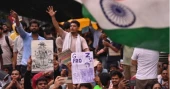
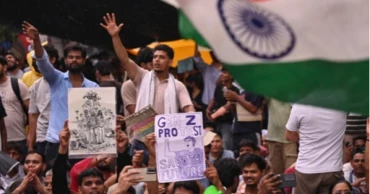
For weeks, young protesters in India mocked Prime Minister Narendra Modi and his government with placards and slogans, rallying under an unusual name — the Cockroach Janta Party.
The movement achieved something few protests have managed during Modi’s more than 12 years in power: it helped force the resignation of a cabinet minister.
Modi has been one of India’s most powerful prime ministers in recent decades, winning elections while building a reputation as a strong and decisive leader. His government has rarely been seen backing down in the face of public pressure.
But the resignation of Education Minister Dharmendra Pradhan last month was a major exception, political experts said. The move came after pressure from the “Cockroach” movement and highlighted the growing political influence of India’s under-25 population, which accounts for nearly half of the country’s population.
It also showed how young Indians are increasingly using digital platforms to organise protests.
“This particular round has ended in a very important defeat for Mr. Modi,” said Nilanjan Mukhopadhyay, a political analyst and author of a biography of Modi.
He said the minister’s resignation could make people less afraid of protesting against a government that critics have long accused of restricting dissent.
“The threshold of fear has been broken. People are no longer scared to go and step out and protest,” he said.
Movement wants to be a watchdog, not a political party
The protests started in May as a satirical campaign with one main demand — Pradhan’s resignation over alleged leaks of examination papers that could affect the future of millions of young people.
As the protests grew, young urban Indians mobilised through social media and street demonstrations. The movement soon expanded into a wider campaign for accountability, reflecting concerns over youth unemployment, government transparency and the management of public institutions.
Mukhopadhyay said it was the first time in recent years that a student-led movement had maintained enough momentum to force the government to meet its main demand without the support of established political parties.
“Each one had their own little grievance about life not taking them anywhere,” he said.
It remains unclear whether the movement’s energy can eventually translate into votes against Modi’s ruling Bharatiya Janata Party.
Saurav Das, a spokesperson for the Cockroach Janta Party, said the movement had demonstrated the power of public pressure in a democracy.
“An arrogant government which did not blink for 12 years was forced to blink when the youth united,” he said.
He stressed that the group does not want to become a political party.
“We want to remain a pressure group,” he said.
Movement pushes Modi toward Gen Z outreach
The protests also appear to have prompted changes within Modi’s party.
In recent weeks, Modi has increasingly appeared in short, vertical videos aimed at young audiences on Instagram and other popular social media platforms.
The BJP has also stepped up its efforts to reach Gen Z through online campaigns. Some party lawmakers have started using youth slang in public appearances, including speeches in Parliament. Many members of Modi’s cabinet are aged 60 or older.
The shift comes after the government initially dismissed the protests as insignificant. But as demonstrations attracted larger crowds, authorities were forced to recognise the movement and respond to its growing influence.
Since Pradhan’s resignation, Modi has also spoken about forgiving people who mocked him, in what appeared to be an effort to rebuild ties with younger audiences.
Mukhopadhyay said the movement’s biggest impact was that it challenged the perception of Modi as a leader largely immune to public pressure.
“That image of Mr. Modi is heavily tarnished,” he said.
Some Modi supporters, however, have responded more aggressively. Online activists aligned with the ruling party have sought to identify protesters and publish their personal information, apparently to intimidate them.
Other officials could face pressure
Solidarity protests were held in several other Indian cities. Supporters also sent food and other supplies to protesters who were camping in New Delhi and taking part in hunger strikes.
Opposition leaders, rights activists and some Bollywood celebrities publicly supported the movement, helping spread its message beyond the protest sites.
For Neha Bora, who joined a hunger strike in New Delhi, the movement showed that ordinary citizens could still hold powerful officials accountable.
“If they (ministers) do not serve the people of this country, no matter what cabinet minister they are, they will be brought down from their seats,” she said.
2 months ago