Meta order
Meta ordered to pay $567m in New Mexico case over child safety concerns
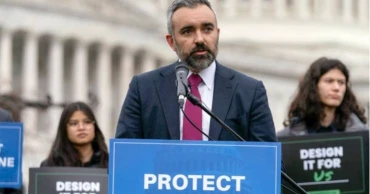
New Mexico Attorney General Raúl Torrez hopes a state court ruling ordering Facebook parent Meta to pay $567 million and make major changes to protect children will trigger a wider review of how Big Tech affects young people.
The ruling came Thursday at the end of the second phase of a landmark trial. Earlier this year, a jury found that Meta knowingly harmed children's mental health and hid what it knew about child sexual exploitation on its platforms.
The latest judgment brings the total amount Meta has been ordered to pay in the case to $942 million, including a $375 million judgment from the first phase.
Judge Bryan Biedscheid also ordered Meta to make major changes to Facebook and Instagram, including reducing addictive features, improving age verification and strengthening measures to prevent child sexual exploitation.
Torrez said Meta had shown no willingness to accept responsibility or acknowledge its role in addressing the harm caused by its platforms.
Major changes orderedTorrez said some of the most important parts of the ruling require Meta to improve how it handles reports of child sexual abuse, limit how its chatbots interact with children and restrict the amount of time users under 17 can spend on its platforms.
Facebook and Instagram must also introduce banners and information screens explaining safety features, best practices and tools for dealing with inappropriate comments. These notices must be displayed regularly and will be reviewed by New Mexico authorities.
Meta was further ordered to improve its age-verification system in New Mexico. The system may use artificial intelligence to estimate a user's age based on factors such as their friends and the type of content they post and view.
Torrez said the ruling could be the start of a wider national discussion on making social media safer for children and families.
How will the $942 million be spent?The court ordered $420 million of the money to be used for treatment services for young people.
The remaining amount will support awareness and prevention programmes, screening services and other related costs over the next five years.
New Mexico lawmakers will decide how the money is distributed.
However, it remains unclear when the state will receive the money. Meta can appeal the ruling and ask the court to delay payment while the appeal is considered. If the company loses its appeal, it would also have to pay interest.
Meta plans to appealMeta said it will appeal the ruling.
The company said it works to keep people safe on its platforms and has been open about the challenges of identifying and removing harmful content and bad actors.
Meta also said it remains confident in its record of protecting teenagers online and will continue to defend itself against what it called claims that do not accurately reflect the facts.
Meta reported a profit of about $60 billion in 2025. Investors appeared largely unfazed by the $942 million judgments. The company's shares initially fell about 0.5% to $586.78 on Friday before recovering most of the loss.
Torrez expects Meta to continue fighting the case in court and lobbying against or for new laws and protections in New Mexico, other states and Congress.
More legal battles aheadMeta faces several other lawsuits over the impact of its platforms on young people.
Later this month, a federal court in California is scheduled to hear the first four cases from a group of 29 states that sued Meta in 2023. The states accuse the company of contributing to the youth mental health crisis by knowingly designing features on Instagram and Facebook that encourage children to keep using the platforms.
Eight other states, including Tennessee, have filed separate cases in their state courts.
Meta, TikTok, Snap and Google's YouTube also face a lawsuit from the families of four teenagers who died after what the families described as years of harm linked to their use of the platforms.
New Mexico seeks changes to old lawsNew Mexico brought its case under a state consumer protection law enacted in 1970.
One of the penalties calculated under the law was $375 million. While that amount was considered extremely large when the law was introduced, its equivalent in today's dollars would be about $3 billion.
Torrez said the law was written for a very different economy and did not anticipate companies operating on the size and scale of today's technology giants.
He said the New Mexico ruling provides an opportunity to discuss broader changes to older federal laws, including a decades-old law that generally shields social media companies from liability for content posted by users.
2 months ago