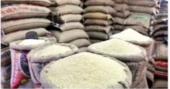
aromatic rice

Govt cuts aromatic rice export quota by 50pc
The government has reduced the approved quota for aromatic rice exports by 50 percent to ensure adequate domestic supply, safeguard food security and contain possible price pressures in the local market.
As per a notification issued by the Export-2 wing of the Ministry of Commerce, the export allocations previously approved for 278 companies have been revised, with each company's quota cut by half.
The revised allocations have taken immediate effect and will remain valid until December 31, 2026.
Large food-processing companies as well as medium and small exporters will not be allowed to export more than half of their previously approved quantities of aromatic rice.
Alongside reducing the quota, the Ministry of Commerce has imposed 10 conditions aimed at strengthening monitoring and accountability and ensuring the repatriation of export earnings.
Under the new conditions, exporters must comply with the provisions of the Export Policy 2024-27, while the revised approvals will remain valid until December 31, 2026.
Customs authorities will verify the quality and authenticity of the rice before each shipment is exported.
Exporters must also submit relevant documents to the Export-2 wing of the Ministry of Commerce after each consignment is shipped.
Those seeking fresh export approval in the future will have to provide complete information and supporting documents showing the actual quantity exported against their previous allocations.
Exporters will not be allowed to ship any quantity exceeding their revised approved quota.
The ministry has also fixed a minimum FOB export price of $1.60 per kilogram to protect the value of the product in the international market.
The export approval will be non-transferable, and exporters will not be allowed to carry out shipments through subcontractors or other companies.
The government may cancel an approval at any time in the public interest without issuing a prior notice or seeking an explanation.
Exporters will also be required to submit Proceeds Realization Certificates (PRCs) as proof that export earnings have been repatriated to the country.
Earlier, the Ministry of Commerce allowed 278 companies to export a total of 45,270 metric tonnes of aromatic rice in two phases.
As of August 30, 2026, 129 companies exported a combined 2,419 metric tonnes of aromatic rice, according to the ministry.
1 month ago
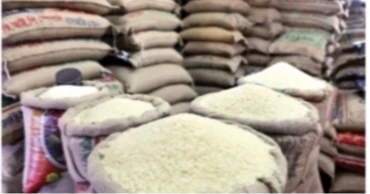
Govt moves to review aromatic rice export quotas amid rising prices
The government has moved to review the previously approved export quotas for aromatic rice amid an unusual rise in prices in the domestic market.
The Ministry of Commerce has asked companies that received permission to export aromatic rice to submit details of the actual quantities they exported within three working days.
The directive was issued in a letter issued by the Export-2 branch of the ministry on Thursday.
According to the letter, the ministry has decided to reconsider the approved export quantities in view of the current market situation and increased domestic demand for aromatic rice.
Companies that failed to export their full approved quotas or exported only part of the permitted quantities are likely to have their unused quotas reviewed.
A high-level meeting on the aromatic rice market was held at the ministry on August 2, chaired by Commerce Minister Khandakar Abdul Muktadir. The meeting reviewed rice production, domestic demand, market conditions and the actual export situation.
Based on the recommendations from the Ministry of Food, the Ministry of Commerce had approved exports of 45,270 tonnes of aromatic rice for 278 companies in two phases – 211 companies on May 13 and another 67 companies in the second phase.
The August 2 meeting found that many of the companies failed to export rice according to their approved quotas, while some exported only part of their allocations.
As a result, a significant gap has emerged between approved quotas and actual exports. The ministry is now collecting updated, company-wise export data to assess the situation.
Business representatives have alleged that the country’s 10 largest rice mill owners are holding large stocks of aromatic rice and creating an artificial shortage by withholding supplies from the market, resulting in higher prices.
Following discussions with stakeholders, the ministry decided to strengthen market monitoring to prevent artificial shortages and excessive profiteering.
The Directorate of National Consumers’ Right Protection and other relevant organisations have been instructed to intensify market monitoring.
The government will also review whether it is justified to retain unused quotas for companies that received export permission but failed to ship the approved quantities.
After verifying the information, the government will decide whether to reduce or adjust the approved export quotas.
The move is aimed at maintaining adequate supplies of aromatic rice in the domestic market while ensuring that genuine exporters continue to have access to export opportunities.
2 months ago