cultural centers
Russia to close German cultural centers after Berlin accuses Moscow over airport drone plot
Russia said Thursday it will close several German cultural centers after Berlin accused Moscow of being behind an attempted drone attack at Leipzig/Halle Airport and announced the closure of Russian diplomatic and cultural facilities in Germany.
Russian Foreign Minister Sergey Lavrov said centers operated by Germany's Goethe-Institut would be shut down in Moscow, St. Petersburg and Yekaterinburg.
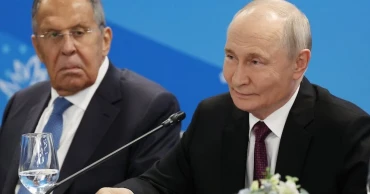
Speaking at the Eastern Economic Forum in Vladivostok, Lavrov said Germany should have understood that closing the Russian House cultural center in Berlin would bring an end to Germany's cultural presence in Russia.
The move came after German authorities blamed Russia for an alleged plot involving a drone carrying explosives that was found near a Ukrainian aircraft at Leipzig/Halle Airport on Aug. 4. The device was later defused.
The airport is a major international cargo hub and has been used to provide support and supplies to Ukraine.
Western officials have repeatedly accused Russia of carrying out sabotage and other disruptive activities across Europe in an effort to weaken support for Ukraine and destabilize European countries.
Russian President Vladimir Putin rejected the accusations, claiming that Germany was trying to divert attention from its own domestic problems and growing voter dissatisfaction. He also said any evidence presented against Russia had been fabricated.
EU considers response
European Union foreign ministers discussed possible responses to the alleged drone attack on Wednesday but faced difficulties in finding new measures that would address the threat without military action.
EU foreign policy chief Kaja Kallas said the incident appeared to have the characteristics of state-sponsored terrorism. Possible measures discussed included additional sanctions, visa restrictions and the closure of Russian consulates.
The EU has already imposed nearly two dozen rounds of sanctions on Russia since the start of the war in Ukraine, targeting more than 3,000 Russian officials, business figures and organisations, including banks, energy companies and drone manufacturers.
Kallas said the bloc was also preparing additional travel bans and asset freezes against around 1,600 more individuals.
Germany said it was “not at war” with Russia but had become a regular target of what it described as the Kremlin's hybrid campaign.
German Foreign Minister Johan Wadephul said Berlin had carefully prepared its response and that Moscow would now have to face the consequences.
He also called on Russia to demonstrate its willingness to engage in meaningful talks and negotiations, particularly over the war in Ukraine.
1 month ago