Democratic Republic of Congo
Son preference pressure driving health risks for African mothers, study shows
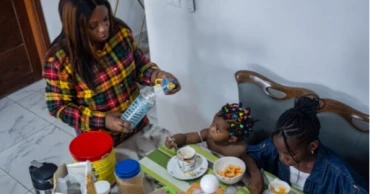
Deep-rooted cultural pressure to have baby boys is putting many African women at risk of repeated pregnancies and serious health complications, according to a report highlighting maternal health challenges across sub-Saharan Africa.
In the Democratic Republic of Congo, one man, Prosper Mbumba, said he and his wife kept trying for a son after having four daughters, reflecting a widespread belief in some communities that male children are needed to continue family lineage.
“In my tribe, in my culture, that was like an insult, having only daughters,” said Mbumba, a human rights activist. He said he only felt “a little satisfied” after the birth of his first son.
His wife, Régine Ntumba, said she felt relief and happiness when they finally had a boy.
The issue is part of a broader maternal health crisis in sub-Saharan Africa, which records about 180,000 pregnancy-related deaths each year and accounts for around 70% of global maternal deaths, according to the World Health Organization.
Experts say high fertility rates, limited access to contraception, and weak health systems are major drivers of risk. In Congo, women have an average of 5.9 children, according to UN data, partly due to cultural expectations and limited family planning services.
Health workers say women are often blamed for not giving birth to boys, increasing pressure to continue having children even when pregnancies become risky.
“Mostly it is the woman who is blamed for giving birth to a girl,” said Patrick Djemo, who leads MSI Reproductive Choices in Congo. He said many women face pressure from partners and families to avoid contraception and continue childbearing.
Midwives and health workers describe repeated cases of women seeking sons even during high-risk pregnancies, sometimes under severe medical conditions. In one case recalled by a midwife, a woman in her ninth childbirth expressed distress upon learning she had another daughter.
The pressure continues even among educated families in urban areas, where women report threats of marital breakdown if they do not produce a male child.
Health experts warn that such social expectations contribute to unsafe pregnancies, limited use of family planning, and preventable maternal deaths across the region.
3 months ago
Bangladeshi peacekeepers in Congo are safe: ISPR
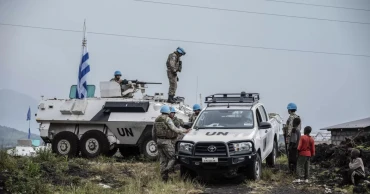
Bangladeshi peacekeepers deployed in Democratic Republic of Congo are safe amid the ongoing conflict there, the Inter-Services Public Relations (ISPR) said on Monday.
“All Bangladeshi peacekeepers in DR Congo are safe and communication with them remains uninterrupted amid the ongoing conflict,” said an ISPR press release.
Army operation uncovers two UPDF camps in Rangamati: ISPR
Bangladesh has been actively participating in United Nations peacekeeping missions for decades, with a significant presence in DR Congo, contributing to global peace and security efforts.
Fighting has escalated sharply in recent weeks in eastern Congo, where rebels have seized key towns and are closing in on the city of Goma, the government’s last stronghold in the region bordering Rwanda, reports AP.
Army warns against using its name in jhut business: ISPR
The offensive by the Rwanda-backed M23 rebel group has stretched local hospitals to the limit, with hundreds of wounded coming in every day as civilians get caught in the crossfire.
Thousands have been displaced, exacerbating an existing humanitarian crisis and prompting fears of an all-out regional war.
1 year ago
.jpg)
BAF to replace 3 contingents in MONUSCO
Bangladesh Air Force (BAF) is going to replace its three contingents consisting of 320 members at the United Nations Peacekeeping Mission deployed in the Democratic Republic of Congo (MONUSCO).
5 years ago