artificial
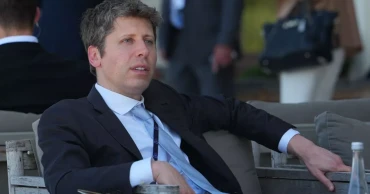
Neon acquires OpenAI drama 'Artificial' after Amazon drops film
Independent film distributor Neon has acquired "Artificial," director Luca Guadagnino's upcoming drama about OpenAI CEO Sam Altman, after Amazon MGM Studios decided not to release the project.
Neon announced Tuesday that it secured the worldwide rights to the film following a competitive bidding process. The company plans to release the movie later this year and position it as an awards contender during the upcoming Oscar season.
The film, with an estimated budget of $40 million, stars Andrew Garfield as Sam Altman and follows the events surrounding Altman's brief dismissal and reinstatement as OpenAI's chief executive in 2023. The cast also includes Monica Barbaro, Yura Borisov and Academy Award winner Mark Rylance, while Ike Barinholtz portrays Elon Musk.
Amazon MGM unexpectedly dropped the nearly completed film earlier this month, only a few months after Amazon announced a $50 billion investment in OpenAI through a broad, multiyear partnership signed in late February.
At the time, Amazon MGM said the project would be "better served" by another studio and subsequently put the film up for sale.
Neon has built a strong reputation for releasing critically acclaimed films, including Oscar winners Parasite and Anora. The distributor has also backed each of the last seven Palme d'Or winners at the Cannes Film Festival.
The company did not disclose how much it paid to acquire the worldwide distribution rights.
In a statement, Neon said the deal reflects its commitment to working with visionary filmmakers and bringing ambitious films to audiences around the world.
3 months ago

Bogura fish farmer claims he discovered artificial breeding of kakila a year before BFRI
Recently Bangladesh Fisheries Research Institute (BFRI) claimed success in its quest for artificial breeding of endangered indigenous species of fish, Kakila.The institute, which has won the Ekushey Padak in native fish conservation research, claims to be ahead of the world in discovering the insemination process for Kakila.
However, Abdul Ohab, a fish farmer from Bogura, denounced this claim as a rip off to the marginal fish farmers, and that he was the first one who found success in this process a year before BFRI.
The farmer told UNB he informed the BFRI officials then about his discovery of artificial breeding of Batashi and Kakila fish. He even announced his success at the time through a social media post which was featured in local news media.
READ: Researchers find way to save Kakila fish from extinction: BFRI
Abdul Ohab also shared a screenshot of a BFRI senior official liking his post in social media with UNB.
In that Facebook post dated July 13, 2020 seen by UNB (available for viewing on his timeline) Abdul Ohab writes, "From personal experience of collecting, rearing and artificially breeding I can surely say that this species of fish is on the verge of extinction. This sensitive fish may die even with the slightest mistake while carrying it to the river bank from the water.”
He also attached some images of his discovery, which are shared with this story.
“Facing many difficulties like keeping the hormone level in control through pushing injections under water, determining the gender of the fish, yet I’m content that I finally found success in inventing the artificial breeding process that may save this fish from getting extinct.”
Due to the egg being big in size, Ohab couldn’t collect more than 60-80 eggs from a fully grown female Kakila fish.
The eggs started hatching after 108 hours in 27-27.5 degree Celsius temperature, Ohab wrote in his post.
5 years ago