Gadget
itel A80 Review: Smartphone under Tk 10k with Standard Features
The itel A80 was launched in September 2024. This phone aims to offer a balance between affordability and functionality. Let’s dive into the key specs, pros, cons and pricing of itel A80 in Bangladesh
Key Features of itel A80
.
Design and Build Quality
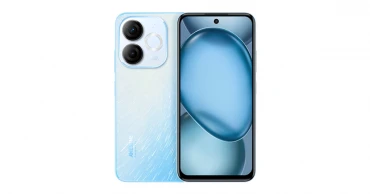
The itel A80 features a sleek and modern design with an 8.5 mm thickness, making it comfortable to hold. Available in Sandstone Black, Glacier White, and Wave Blue, the device offers a premium look despite its budget-friendly price. The polycarbonate back panel ensures durability, though it may attract fingerprints over time.
Compared to the itel A70, which has a slightly thicker 8.6 mm body, the A80 offers a refined build with a more contemporary appeal. When placed alongside the Lava Yuva Star and Honor X5b, the itel A80 stands out with its slightly slimmer profile. However, the Honor X5b, at 8.7 mm, offers a more premium feel due to its solid build and marginally heavier frame.
Read more: Honor X5b Review: Affordable Innovation or Budget Compromise?
Display Quality
The itel A80 sports a 6.7-inch IPS LCD with a 120Hz refresh rate, ensuring a smoother scrolling and gaming experience. The HD+ resolution (720 by 1600 pixels) delivers decent color reproduction and sharpness, though it does not match the clarity of Full HD+ displays seen in more expensive devices.
Compared to the itel A70, which has a 6.6-inch IPS LCD but lacks a high refresh rate, the A80 provides a significantly improved viewing experience. However, the Lava Yuva Star, with its slightly larger 6.75-inch display, and the Honor X5b, with a 6.56-inch TFT LCD but a higher peak brightness of 530 nits, provide competition. The itel A80’s 500 nits brightness is adequate for outdoor visibility but falls behind the Honor X5b.
Camera Performance
One of the standout features of the itel A80 is its 50 MP main camera, which surpasses the 13 MP sensor found in the itel A70. The high-resolution sensor allows for better detail and improved color accuracy in daylight conditions. However, low-light photography remains a challenge due to the lack of advanced image processing capabilities.
Read more: OnePlus Pad 2 Review: Is It Worth Buying?
The Lava Yuva Star and Honor X5b, both equipped with 13 MP cameras, fall short of the itel A80 in terms of raw resolution, though the Honor X5b benefits from a wider f/1.8 aperture for better low-light performance. The 8 MP selfie camera on the itel A80 is standard for this price segment, performing similarly to the selfie shooters found on competing devices.
Processor Performance
Under the hood, the itel A80 is powered by the Unisoc T603 chipset, the same processor found in the itel A70. This octa-core processor is sufficient for everyday tasks like browsing, social media, and light multitasking.
However, when compared to the Honor X5b, which features a more powerful MediaTek Helio G36 chipset, the A80 falls behind in processing power, particularly for demanding applications. The Lava Yuva Star, powered by the Unisoc SC9863A, also lags slightly behind in performance due to its older architecture.
Read more: Xiaomi Redmi Turbo 4 Review: Is It a Value-for-money Midranger?
The itel A80 can handle moderate usage with ease, power users might find it lacking in performance for more intensive tasks.
Gaming Performance
Gaming on the itel A80 is acceptable for casual gamers, with its 120Hz display providing smoother frame transitions. However, the Unisoc T603 chipset limits its ability to run high-end games at stable frame rates. Games like Subway Surfers and Candy Crush run smoothly, while more demanding titles like PUBG Mobile and Call of Duty: Mobile experience occasional frame drops and reduced graphics settings.
In comparison, the Honor X5b, with its MediaTek Helio G36 chipset, offers slightly better gaming performance. The Lava Yuva Star, on the other hand, struggles with heavier games due to its lower-end processor. While the itel A80 is a decent choice for light gaming, users looking for a more capable gaming phone should explore alternatives in the mid-range segment.
Read more: Honor Magic7 Pro Review: A Flagship Killer or Just Another Premium Phone?
1 year ago
Colmi P78 Smartwatch Review: A Feature-Packed Budget Wearable Worth Considering
Colmi has built a strong reputation among budget-conscious smartwatch users, offering affordable yet feature-rich devices. The popular Chinese brand recently introduced its latest model, the Colmi P78, in Bangladesh, aiming to attract wearable tech enthusiasts with a balance of functionality and affordability. In this review, we’ll explore its key features, ideal users, and whether it’s worth your money.
Key Specifications of the Colmi P78 Smartwatch
The Colmi P78 is a fine overhaul of its predecessor. It boasts a more polished design, a larger screen, and additional features contributing to a better experience.
Design
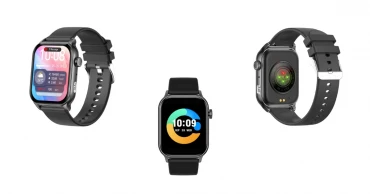
The design features a round-cornered, rectangular mainframe containing about a 2-inch display. Colmi has coined the term “bowl-shaped,” referring to the watch’s spherically curved sides. Beyond its larger body, the Colmi P78 differs from its predecessor in many ways, including featuring slimmer bezels and incorporating a side-mounted flashlight.
Read more: Xinji Nothing 3 Review: Amoled Smartwatch for 5000 Taka
Though the entire body is plastic-made, all seams and engravings manifest delicate finishing and IP67 water resistance. With a 10.7mm thickness and 30g of weight, the watch meets the mass demand for a slim and lightweight design.
On the upper right side sits a knurled crown with added functionalities to sweep through different on-display options. For every unit of rotation, the crown makes a clicking sound, allowing blind navigation. The knurls give a better grip, even for wet hands. The watch provides four distinct colour variations– black, silver, pink, and gold.
Display
The Colmi P78 ships with a 1.95-inch AMOLED screen, an appreciable leap from the previous model’s LCD panel. Also, a wider 410 by 502 resolution renders sharper visuals on the screen. However, due to a lower refresh rate, the navigation across the board lacks the smooth haptic feedback of higher touch-responsive displays. Unlike many budget-friendly options, the display supports always-on-display screensavers.
Read more: Havit M9030 Pro Review: A Competent Mid-range Smartwatch
Screen and Software
The Colmi P78 uses customizable screens accessible via its native app, Da Fit. Supporting beyond Android 5.0 and iOS 10.0 versions, it comes with a standard navigation system. Menus and icons, reflected in well-saturated, vivid colors, justify the perk of using an AMOLED display. The app follows an easy synchronization procedure allowing room for all ages usability.
Hardware and Connectivities
A REALTEK8763E chip does a good job as a processor showing no lag or weariness during long conversations. Among other sensors, the VC30F-S heart chip nearly matches premium sensors in accuracy. The app features all the basic to advanced tracking systems, including sports modes, health reminders, sleep monitoring, and women's health modes that use AI algorithms to track health and provide essential insights.
Battery
The Colmi P78 has a robust 340mAh battery that can run for 5 to 7 days with mid-to-high level usage. Recharging the watch from 0 to full takes around 2 hours with a two-pin magnetic cable.
Read more: Haylou RS5 Review: A Budget-friendly Smartwatch with Health Monitoring Features
Pros and Cons of the Colmi P78 Smartwatch
Pros
- 6 month’s official warranty- Large, thin, and light design- AMOLED display- Always-on-display mode- Durable battery.
Cons
- IP67 rating, where IP68 rating is preferable- Plastic frame- Always-on-display is not auto-responsive- Low refresh rate.
Read more: Xinji Cobee CA1 Review: Waterproof Smartwatch to Monitor Health and Fitness
Price of Colmi P78 in Bangladesh
The Colmi P78 is available in Bangladesh for BDT 2,690.
Conclusion
The Colmi P78 fulfills budget-conscious people’s need for a feature-rich smartwatch. It boasts a classic design, a resourceful mobile app, a beyond-the-class display, and a durable battery. Despite a few shortcomings, The Colmi P78 stands out as one of the best choices for a value-for-money smartwatch.
Read more: Honor Watch 4 Review: Is it worth buying?
1 year ago
realme 14 Pro+ Review: Know the Pros and Cons
Released on January 9, 2025, the realme 14 Pro+ is the latest addition to realme’s 14 series, aiming to compete in the mid-range segment. With improvements over its predecessor, it is challenging rivals from brands like Huawei, Honor, vivo, etc. Let’s look at the key specs, pros, cons and pricing of the realme 14 Pro Plus in Bangladesh.
Key Features of realme 14 Pro+
.
Design and Build Quality
The realme 14 Pro+ features a glass front with Gorilla Glass 7i, a plastic frame, and a plastic back, ensuring durability while keeping the weight at 194g or 196g. It is IP68/IP69-certified, offering dust and water resistance up to 1.5m for 30 minutes, making it more durable than the realme 13 Pro+, which had IP65 certification.
The Honor Magic7 Lite is IP64-rated, while the Huawei Nova 13 is only splash-resistant. The realme 14 Pro+ stands out for users needing better durability and water protection.
Read more: Samsung Galaxy S25 Ultra Review: A Game-Changer or Overpriced Flagship?
Display Quality
The realme 14 Pro+ features a 6.83-inch OLED display with a 120Hz refresh rate and a resolution of 1272 by 2800 pixels (~450 PPI density). The display supports 1 billion colors and reaches a peak brightness of 1500 nits, ensuring standard outdoor visibility.
In comparison, the realme 13 Pro+ offers a bit smaller AMOLED display with a lower resolution making the 14 Pro+ sharper and more vibrant.
The Honor Magic7 Lite has a smaller AMOLED panel with a similar display quality but boasts a higher peak brightness of 4000 nits. Though the Huawei Nova 13, comes with a smaller OLED panel and lower sharpness than the realme 14 Pro+, it offers good color accuracy.
Read more: Smartphones Launching in February 2025: Top Flagship and Mid-Range Releases
Among the other mid-rangers, realme Neo7 offers 6000 nits peak brightness and iQOO Neo10 (China) boasts a 144Hz refresh rate.
Camera Performance
The realme 14 Pro+ boasts a triple-camera system, including a 50MP main sensor with OIS and multi-directional PDAF, a 50MP periscope telephoto lens with 3x optical zoom and OIS, and an 8MP ultrawide sensor with a 112° field of view. Compared to the realme 13 Pro+, which had a similar 50MP setup, the 14 Pro+ benefits from an improved f/1.8 aperture for better low-light performance.
The realme 14 Pro+ offers a maximum of 4K video capacity at 30fps. However, the rival vivo iQOO Neo 10 outperformed the 14 Pro+ with its 8K video shooting capacity at similar price ranges.
Read more: Xiaomi 15 Review: Specs, Features, and Price in Bangladesh
The Honor Magic7 Lite features a 108MP main sensor and a 5MP ultrawide, but it lacks OIS and a telephoto lens, making it less versatile for zoom photography. The Huawei Nova 13 also has a dual-camera system (50MP main + 8MP ultrawide) but does not include a telephoto lens, limiting zoom capabilities.
For selfies, the realme 14 Pro+ offers a 32MP front camera with 4K recording, matching the realme 13 Pro+, while the Huawei Nova 13’s 60MP ultrawide selfie camera is better suited for group photos and vloggers.
Processor Performance
The realme 14 Pro+ is powered by the Snapdragon 7s Gen 3 (4nm) chipset, featuring an octa-core CPU (1x2.5 GHz Cortex-A720, 3x2.4 GHz Cortex-A720, 4x1.8 GHz Cortex-A520) and an Adreno 710 GPU (940 MHz). Compared to the realme 13 Pro+, which used the Snapdragon 7s Gen 2 (4nm), the Gen 3 chipset provides better efficiency and faster performance.
Read more: realme Neo7 Review: Is This Mid-Range Gaming Powerhouse Worth Buying?
The Honor Magic7 Lite runs on the Snapdragon 6 Gen 1 (4nm), which is less powerful, making the realme 14 Pro+ superior for multitasking and gaming. The Huawei Nova 13, running on HarmonyOS 4.2, uses a custom Kirin processor, which is optimized for battery efficiency but not high-performance gaming.
Gaming Performance
With the Snapdragon 7s Gen 3 and Adreno 710 GPU, the realme 14 Pro+ handles demanding games smoothly at high settings. Its 120Hz refresh rate and improved touch sampling provide a more responsive gaming experience compared to the realme 13 Pro+.
The Honor Magic7 Lite, with its Snapdragon 6 Gen 1 and Adreno 710, struggles with high-end games like Genshin Impact at maximum settings. The Huawei Nova 13, while optimized for day-to-day performance, lacks a high-performance GPU, making it less suitable for gamers.
Read more: Honor Magic7 Pro Review: A Flagship Killer or Just Another Premium Phone?
Battery Life
The realme 14 Pro+ comes with a 6,000mAh battery and supports 80W fast charging, reaching 50% in 24 minutes. Compared to the realme 13 Pro+, which had a 5,200mAh battery but charged slightly faster (50% in 19 minutes, 100% in 49 minutes), the 14 Pro+ provides a longer battery life at the cost of a slightly longer charging time.
The Honor Magic7 Lite, with its 6,600mAh battery and 66W charging, offers even better longevity but slower charging speeds. The Huawei Nova 13, on the other hand, has a 5,000mAh battery with 100W fast charging, meaning it charges the fastest but has lower battery capacity than the realme 14 Pro+.
However, realme 14 Pro+ does not offer wireless charging and reverse wired charging facilities. While the rivals like Honor Magic7 Lite, Huawei Nova 13, and iQOO Neo 10 have reverse wired charging options.
Read more: OnePlus Pad 2 Review: Is It Worth Buying?
Software and User Interface
The realme 14 Pro+ runs on Android 15 with realme UI 6.0, providing an updated design, better customization options, and smoother animations. The realme 13 Pro+ came with Android 14 (realme UI 5.0), meaning the 14 Pro+ benefits from newer software optimizations and longer update support.
The Honor Magic7 Lite runs MagicOS 8 on Android 14, offering moderate UI customizations but slower software updates. The Huawei Nova 13 operates on HarmonyOS 4.2, which is smooth and battery-efficient but lacks Google Play Services, making it less ideal for users who depend on Google apps.
Storage Options
Ranging from 128GB, the internal storage reaches up to 512 GB. The RAM capacity of the realme 14 Pro+ ranges from 8GB to 12GB. It is available in 128GB/8GB RAM, 256GB/8GB RAM, 256GB/12GB RAM, and 512GB/12GB RAM variants, offering flexibility for different users.
Read more: Honor X5b Plus Review: Powerful Contender in the Budget-friendly Segment
The realme 13 Pro+ had similar storage options, but the 14 Pro+ includes an entry-level 128GB version, making it more budget-friendly. The Honor Magic7 Lite is available in 256GB or 512GB with 8GB RAM.
On the other hand, the Huawei Nova 13 offers up to 1TB storage with 12GB RAM; while realme Neo7 and iQOO Neo 10 boast 1TB storage with 16GB RAM making them a better choices for users needing large storage capacities.
Read more: Vivo X200 Pro Mini Review: A Compact Flagship Smartphone with Powerful Features
Pros and Cons of realme 14 Pro+
.
Pros
- IP68/IP69 dust and water resistance for durability.- 6.83-inch AMOLED display- Snapdragon 7s Gen 3 chipset with 8GB/12GB RAM for smooth performance.- Triple rear camera setup with dual 50MP sensors and 8MP ultrawide lens.- 3x optical zoom, OIS, and gyro EIS for stable photos and videos.- 6000mAh battery for long-lasting usage.- 80W fast wired charging for quick power-ups.- Stereo speakers for immersive audio.- 5G and NFC support for faster connectivity.- Latest Android 15 OS with realme UI 6.0 for an updated user experience.
Read more: Xiaomi Redmi Turbo 4 Review: Is It a Value-for-money Midranger?
Cons
- No 3.5mm headphone jack for wired audio.- Lower peak brightness level.- Lower Refresh rate.- No microSD card slot for expandable storage.- No FM radio support for offline listening.- No infrared port for remote control features.- No wireless or reverse charging support.- No Gorilla Glass branding for screen protection.- Lack of 8K video recording capacity.- Lack of 1TB internal storage options.
Read more: Honor GT Review: A Power-Packed Mid-range Smartphone for Gamers
Price of realme 14 Pro+
The realme 14 Pro+ is expected to be priced at approximately 50,000 Taka in Bangladesh. However, the price may vary depending on the sellers.
Verdict
The realme 14 Pro+ is ideal for users seeking a mid-range smartphone with a standard display, strong performance, excellent cameras, and long battery life. It can be a good choice for gamers, photographers, and multimedia users.
However, if you need a brighter display, higher refresh rate, headphone jack, expandable storage, 1TB internal memory, 8K video shooting capacity, reverse and wireless charging, or an infrared port, you may look for other options.
Read more: ZTE Nubia Red Magic 10 Pro Review: Is It a Value-for-money Gaming Smartphone?
1 year ago
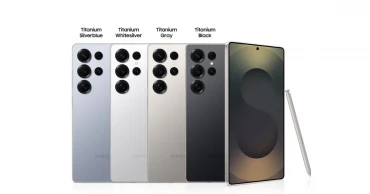
Samsung Galaxy S25 Ultra Review: A Game-Changer or Overpriced Flagship?
The Samsung Galaxy S series has long been synonymous with cutting-edge technology and premium design, setting benchmarks in the smartphone industry. Continuing this legacy, the Samsung Galaxy S25 Ultra is officially releasing this month. Let’s go over the specs, standout features, limitations, and pricing of the S25 Ultra in Bangladesh.
Key Features of Samsung Galaxy S25 Ultra
.
Design and Build Quality
The Samsung Galaxy S25 Ultra retains the premium build quality that the Ultra series is known for, featuring Corning Gorilla Armor 2 on both the front and back, along with a grade 5 titanium frame. This makes it more durable than the S24 Ultra, which uses grade 2 titanium. Additionally, weighing 218g, the S25 Ultra appears a bit lighter (232g) than its predecessor S24 Ultra, improving comfort for long-term use.
Compared to its competitors, the Google Pixel 9 Pro Fold and Huawei Mate X6 feature foldable designs, which make them bulkier but offer a different experience for users who prefer a larger, expandable display. The Huawei Mate X6, for instance, has an aerospace-grade aluminum frame and is IPX8 water-resistant, making it more resistant to water damage than the S25 Ultra's standard IP68 rating.
Read more: Smartphones Launching in February 2025: Top Flagship and Mid-Range Releases
Display Quality
The S25 Ultra comes with a 6.9-inch Dynamic LTPO AMOLED 2X display with a 120Hz refresh rate and a standard 2600 nits peak brightness.
However, it is quite disappointing that in the market a bunch of mid-range smartphones are offering higher refresh rates and peak brightness levels. For instance, the realme Neo7 offers 6000 nits peak brightness and iQOO Neo10 boasts a 144Hz refresh rate for much lower price tags. It can be a deal breaker for flagships like the Samsung Galaxy S25 Ultra.
S25 Ultra features a resolution of 1440 by 3120 pixels. Compared to the S24 Ultra, the screen-to-body ratio has increased from 88.5% to 92.5%, offering a more immersive experience.
Read more: Xiaomi 15 Review: Specs, Features, and Price in Bangladesh
When compared to competitors, the Google Pixel 9 Pro Fold offers an 8-inch foldable OLED display, making it great for multitasking but with a lower peak brightness of 2700 nits. Meanwhile, the Huawei Mate X6 has a 7.93-inch foldable LTPO OLED display with Kunlun Glass 2 protection, which is a great alternative for those who prefer foldable devices.
Camera Performance
Samsung has made notable improvements to the S25 Ultra's camera system. It retains the 200MP (f/1.7) primary sensor, but the ultrawide camera has been upgraded to 50MP (f/1.9) from 12MP in the S24 Ultra. Its quadruple rear camera setting also boasts a 10MP (f/2.4) telephoto lens and a 50MP (f/3.4) periscope telephone lens. Additionally, Samsung has optimized AI-powered enhancements such as Best Face, which helps improve group photos.
Against competitors, the Google Pixel 9 Pro Fold only has a 48MP primary camera, but it leverages Google’s AI algorithms to produce outstanding images. On the other hand, the Huawei Mate X6 boasts a 50MP primary camera with a variable aperture (f/1.4-f/4.0), allowing for better control over depth of field and low-light photography.
Read more: realme Neo7 Review: Is This Mid-Range Gaming Powerhouse Worth Buying?
What’s more, the S25 Ultra outshines both in video recording, offering 8K at 30 fps. However, the S25 Ultra bears a 12MP (f/2.2) front sensor that maxes out at 4K like the S24 Ultra.
Processor Performance
The S25 Ultra features Qualcomm’s Snapdragon 8 Elite (3 nm chipset), which offers a 37% faster CPU and 30% improved GPU performance compared to the S24 Ultra’s Snapdragon 8 Gen 3. With an octa-core configuration, including two high-performance 4.47GHz cores, this processor makes the S25 Ultra one of the most powerful smartphones available.
The Google Pixel 9 Pro Fold comes with the Google Tensor G4 chipset, which is designed for AI-based computing but is not as powerful as Qualcomm’s flagship chip. Similarly, the Huawei Mate X6 runs on Kirin 9020, which performs well in general tasks but falls short in gaming and high-intensity applications compared to the S25 Ultra.
Read more: Honor Magic7 Pro Review: A Flagship Killer or Just Another Premium Phone?
Gaming Performance
The S25 Ultra has significantly improved gaming performance due to the Adreno 830 GPU and real-time ray tracing support, making it ideal for high-end mobile gaming. The Snapdragon 8 Elite chipset also enhances power efficiency, allowing longer gaming sessions without excessive heating.
In comparison, the S24 Ultra, while still excellent for gaming, lacks the same level of GPU optimization and AI-driven gaming features. The Pixel 9 Pro Fold and Huawei Mate X6 are less gaming-focused, as they are optimized for multitasking and productivity rather than high-performance gaming.
Battery Life
Like the ancestor S24 Ultra, the latest S25 Ultra comes with a 5000mAh battery. However, the new 3nm chipset in the S25 Ultra allows for better power efficiency. Samsung claims that the S25 Ultra lasts up to 10% longer than its predecessor on a single charge.
Read more: Honor X5b Plus Review: Powerful Contender in the Budget-friendly Segment
While charging speeds remain unchanged at 45W wired, the wireless charging speed has increased from 15W to 25W (Qi2). In contrast, the Google Pixel 9 Pro Fold has a smaller 4650mAh battery with 21W wired charging, making it less efficient than the S25 Ultra. However, the Huawei Mate X6 surpasses them all with a 5200mAh battery and 66W wired charging, which offers the fastest charging speeds.
Nevertheless, the mid-ranger realme Neo7 wins the race against these flagships with a 7000 mAh battery.
Software and User Interface
The S25 Ultra launches with Android 15 and One UI 7, offering seven major Android upgrades, ensuring longevity. Samsung’s One UI 7 is known for its user-friendly design, customization options, and seamless integration with Samsung’s ecosystem.
Read more: OnePlus Pad 2 Review: Is It Worth Buying?
In comparison, the Google Pixel 9 Pro Fold also offers seven years of updates, but its stock Android experience lacks Samsung’s custom features like DeX mode. The Huawei Mate X6, running HarmonyOS 4.3/EMUI 15, does not have access to Google Play Services, which may be a dealbreaker for some users.
Storage Options
The Samsung Galaxy S25 Ultra offers multiple storage configurations, including 256GB with 12GB RAM, 512GB with 12GB RAM, 1TB with 12GB RAM, and a high-end 1TB with 16GB RAM variant. This marks an improvement over its predecessor, the S24 Ultra, which lacked a 16GB RAM option. It sports UFS 4.0 data transfer technology.
When compared to its competitors, the Google Pixel 9 Pro Fold maxes out at 512GB with 16GB RAM, while the Huawei Mate X6 provides storage options up to 1TB with 16GB RAM, putting it on par with the S25 Ultra in terms of capacity.
Read more: Top Smartphones Launching in January 2025: What to Expect
Pros and Cons of Samsung Galaxy S25 Ultra
.
Pros
- Premium build with a titanium frame and IP68 water resistance.- 6.9-inch Dynamic LTPO AMOLED 2X display- Snapdragon 8 Elite processor with 12GB/16GB RAM for smooth performance.- 45W wired, 25W wireless, and 4.5W reverse wired charging.- 8K video recording with gyro-EIS stabilization.- 200MP main camera with dual 50MP ultrawide and telephoto lenses.- 5X optical zoom for detailed distant shots.- Android 15 with One UI 7 and 7 years of software updates.- Under-display fingerprint scanner for secure unlocking.- Ultra Wideband (UWB) support for better connectivity.- Samsung DeX and Wireless DeX support for a desktop-like experience.- Stylus (S Pen) support for added productivity.- Stereo speakers for immersive sound.- 5G and NFC enabled for fast connectivity.
Read more: Honor GT Review: A Power-Packed Mid-range Smartphone for Gamers
Cons
- No microSD card slot for expandable storage.- No 3.5mm audio jack for wired headphones.- Lacks an infrared port for remote control functionality.- No FM radio support.- No Satellite SOS feature, unlike some competitors.- Average peak brightness level- Average refresh rate.- Average battery support.- Low-powered selfie sensor.
Read more: ZTE Nubia Red Magic 10 Pro Review: Is It a Value-for-money Gaming Smartphone?
The Price of the Samsung Galaxy S25 Ultra
The Galaxy S25 Ultra will be available at multiple prices for different configurations. The price of the 12/256GB variant is about BDT 224,999. However, the price is subject to change.
Final Words
The Samsung Galaxy S25 Ultra is perfect for power users, photographers, and gamers who want a premium display, top-tier performance, and advanced cameras. However, those needing a microSD slot, 3.5mm jack, FM radio, brighter display, higher refresh rate, or Satellite SOS may look into the other options.
On the whole, if you seek robust RAM, a versatile camera line-up, cutting-edge features, and long-term software support, this flagship is a great choice.
Read more: Xiaomi Redmi Turbo 4 Review: Is It a Value-for-money Midranger?
1 year ago
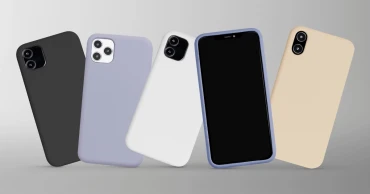
Smartphones Launching in February 2025: Top Flagship and Mid-Range Releases
February 2025 is set to be an exciting month for smartphone enthusiasts, with major brands unveiling their latest flagship models and mid-range offerings. From cutting-edge innovations to upgraded legacy series, this month brings a variety of options for those looking to upgrade their devices. Here’s a look at the most anticipated smartphone launches of the month.
8 Most-hyped Smartphones Launching This February
.
Samsung Galaxy S25 Ultra
Samsung will launch the Samsung Galaxy S25 Ultra on February 3, 2025. The phone will introduce a much edgy-cornered, flat, and simple design. It will feature an LTPO AMOLED display, which is touch-responsive at a 120Hz rate and has a 1440 by 3120 pixels resolution.
It will use the most potent 3nm Snapdragon 8 Elite 3nm octa-core processor accompanied by an Adreno 830 GPU. For photography, users will get a quad-lens primary camera module that houses a 200MP wide, 10MP telephoto, 50MP periscope telephoto, and a 50MP ultrawide lens. In the front, a 12MP lens sits in a minimal punch-hole. It will feature up to 8K video recording capacity.
Read more: Xiaomi 15 Review: Specs, Features, and Price in Bangladesh
The Samsung Galaxy S25 Ultra will run on Android 15 and use a 5000 mAh battery with diverse charging options. With the Samsung Galaxy S25 Ultra, Samsung has brought several AI-powered functionalities seen in Google Pixel 9 and other premium flagships.
iQOO Neo 10R
Officials from iQOO have confirmed the imminent launch of the iQOO Neo 10R, the latest and most potent member of the Neo 10 family, as it will introduce the most powerful Qualcomm processor, Qualcomm Snapdragon 8s Gen 3, to the series.
The company has chosen not to reveal detailed specs of the phone; however, several rumours have revealed a 1.5K OLED TCL C8 screen with a scalable touch sensitivity of 120Hz to 144Hz.
Read more: realme Neo7 Review: Is This Mid-Range Gaming Powerhouse Worth Buying?
Rumours have also forecasted a dual-lensed primary camera module to house a 50MP Sony LYT-600 wide and an 8MP ultrawide sensor. Though information about the front camera remains secret, several sources have remarked that the phone facilitates 4K video recording at 60fps and gaming at 90fps.
vivo V50
Vivo has laid the groundwork for the release of the Vivo V50 in February. The phone will be the first release in the upcoming V50 lineup, which allegedly comprises two other models: the Vivo V50e and Vivo V50 Pro. Smartphone enthusiasts are alleging the vivo V50 to be the remodelled vivo S20, which appeared in China last year.
Vivo V50 is expected to equip a Snapdragon 7 Gen 3 SoC processor, a dual camera primary setup, and a 50MP wide front lens. For design, Vivo has reintroduced a look similar to the Vivo S20. It will be a flat matted body, rounded on the corners, with a rear camera module that looks like a wall clock hanging along a wall.
Read more: Honor Magic7 Pro Review: A Flagship Killer or Just Another Premium Phone?
realme Neo7 SE
The realme Neo7 SE will hit the market in February, fostering the legacy of its ancestor’s massive battery capacity by offering a 7000 mAh battery. The phone will sport a flat 6.6-inch OLED panel.
realme hasn’t said anything about the processing capacity of the phone except its octa-core MediaTek Dimensity 8400 SoC. In the camera section, the phone will bring a 50MP wide lens.
ASUS Zenfone 12 Ultra
ASUS sets to extend its acclaimed Zenfone series by launching the ASUS Zenfone 12 Ultra on Feb 6, 2025. As per the previous announcement, the Zenfone 12 Ultra will replicate major features of the ROG Phone 9 Pro, excluding the gaming extensions. Accordingly, users can expect a FullHD+ LTPO AMOLED display with 185Hz touch responsiveness and a Snapdragon 8 Elite SoC processor.
Read more: OnePlus Pad 2 Review: Is It Worth Buying?
Among other features, a 50MP wide primary lens accompanied by a 32MP telephoto and a 13MP ultrawide lens can sit on the back, and a 32 MP front shooter can come as a selfie camera. The official teaser video of the phone reveals the presence of a punch-hole on the front and a 3.5mm jack at the bottom. In addition, a hint of an AI-powered call translator was also noticeable in the teaser.
OPPO Find N5
OPPO seems to take a giant leap with the global launch of its tab cum smartphone model, the OPPO Find N5, in February 2025. Several boastful pictures and videos posted in X and different social media and blogging websites by the company officials have teased the phone’s super thin 3.2mm profile, IPX9-rated underwater resistibility, an 80W wired, and a 50W wireless charging system.
Rumours about the phone indicate a special 7-core edition of the Qualcomm Snapdragon 8 Elite processor and a triple rear camera system exploiting a 50MP lens as the primary shooter. Another rumour suggests that the phone will be branded as OnePlus Open 2 outside China.
Read more: Honor X5b Plus Review: Powerful Contender in the Budget-friendly Segment
Xiaomi 15 Ultra
The overly anticipated Xiaomi 15 Ultra will launch in China at any point in February. For audiences outside China, a global version of the phone will be released later in March. The official spec list for the phone has yet to be unveiled; however, several leaks have termed it a flagship with a super giant quad-shooter camera module on the back.
As the latest flagship from a leading manufacturer, the Xiaomi 15 Ultra is expected to come with the Snapdragon 8 Elite SoC processor. According to several rumours, the phone may also feature a giant 6000 mAh battery and several charging options. There will be a mesmerizing power show-down in the camera section, too.
15 Ultra’s quadruple rear camera system will offer a primary camera with the Sony Lytia LYT-900 sensor, a 200MP periscope telephoto camera, a 50MP telephoto unit, and a 50MP ultrawide camera.
Read more: Xiaomi Redmi Turbo 4 Review: Is It a Value-for-money Midranger?
realme GT 7
realme has decided to take a step back with its GT 7 series as its new addition, the realme GT 7, a lesser version of its elder realme GT 7 Pro, is set to launch in February. As an extension of a flagship series, the Realme GT 7 will feature top-par components, like a 6.78-inch 1.5K AMOLED touchscreen, a powerful Snapdragon 8 Elite chipset, and a robust 6,500 mAh battery.
For photography, the phone will offer a 50MP primary shooter assisted by an 8MP ultrawide lens On the front will sit a 16MP selfie snapper. The phone will also pack a 120W charging wire for instantly refilling its giant battery.
Conclusion
February 2025 will unpack some colourful and robust smartphones. From OPPO Find N5’s innovative slim design and Xiaomi 15 Ultra’s super-enhanced camera module to realme GT 7 redefining power, smartphone lovers will find something to match their taste and demand. The flagship lovers should not miss the Samsung Galaxy S25 Ultra.
Read more: Honor X5b Review: Affordable Innovation or Budget Compromise?
1 year ago
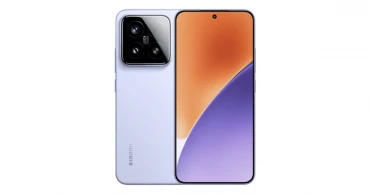
Xiaomi 15 Review: Specs, Features, and Price in Bangladesh
Released on October 29, 2024, the Xiaomi 15 brings a bunch of innovative features, redefining what consumers can expect from a flagship smartphone. Here’s a comprehensive review of the key specifications, pros, cons, and price of Xiaomi 15 in Bangladesh.
Key Features of Xiaomi 15
.
Design and Build Quality
The Xiaomi 15 builds upon its predecessor with a sleek, premium design. Its glass front and aluminum alloy frame (6M42) feel robust, complemented by an IP68 rating for water and dust resistance. Compared to the Xiaomi 14, the Xiaomi 15 is slightly more refined with a polished aluminum frame, while maintaining similar dimensions.
When compared to the ZTE nubia Z70 Ultra, which offers a bulkier and heavier build (228 g), the Xiaomi 15 strikes a balance between durability and usability, being significantly lighter at 191 g. Meanwhile, the Sharp Aquos R8s features MIL-STD-810G compliance and Gorilla Glass 3 protection but lacks the premium feel of Xiaomi’s aluminum alloy construction.
Read more: realme Neo7 Review: Is This Mid-Range Gaming Powerhouse Worth Buying?
Display Quality
The Xiaomi 15 features a stunning 6.36-inch LTPO OLED display with 1B colors, a 120Hz refresh rate, Dolby Vision, HDR10+, and a peak brightness of 3200 nits. This is a noticeable upgrade from the Xiaomi 14, which shares a similar resolution and refresh rate but peaks at 3000 nits. The improved brightness ensures better visibility under direct sunlight.
Compared to competitors, the ZTE nubia Z70 Ultra offers a larger (6.85-inch) AMOLED display with a 144Hz refresh rate, but it sacrifices peak brightness at 2000 nits. The Sharp Aquos R8s, on the other hand, has a 6.4-inch PRO IGZO LTPO OLED panel with a peak brightness of 1300 nits, making it less vibrant and immersive than the Xiaomi 15.
Like Xiaomi 14 the latest 15 comes with 1200 by 2670 resolutions with around 461 PPI density. It is richer than rival ZTE nubia Z70 Ultra and Sharp Aquos R8s.
Read more: Honor Magic7 Pro Review: A Flagship Killer or Just Another Premium Phone?
Camera Performance
The Xiaomi 15’s triple-camera system delivers exceptional photography capabilities. The main 50 MP sensor with f/1.6 aperture and Leica optics captures sharp, detailed images with accurate colors. The telephoto lens (50 MP, 3x optical zoom) offers improved zoom functionality compared to the Xiaomi 14’s 3.2x telephoto. Both models share similar ultrawide capabilities, but the Xiaomi 15 benefits from better low-light performance.
When compared to the ZTE nubia Z70 Ultra, the Xiaomi 15 holds its ground with comparable triple 50 MP sensors but benefits from Leica’s collaboration for superior color accuracy. The Sharp Aquos R8s falls behind with a dual-camera setup, featuring a 50 MP wide lens and a 13 MP ultrawide, which lacks the versatility and advanced features of Xiaomi’s flagship cameras.
Xiaomi 15 boasts an 8K video shooting capacity at maximum, which we have seen in Xiaomi 14 and ZTE nubia Z70 Ultra. However, Xiaomi 14 and 15 models can shoot up to 4K footage with the selfie sensor which outwins ZTE nubia Z70 Ultra and Sharp Aquos R8s.
Read more: OnePlus Pad 2 Review: Is It Worth Buying?
Processor Performance
Equipped with the Qualcomm Snapdragon 8 Elite (3 nm), the Xiaomi 15 offers top-tier performance with an octa-core configuration, including two powerful 4.32 GHz Oryon V2 Phoenix L cores. It outshines the Xiaomi 14, which runs on the Snapdragon 8 Gen 3 (4 nm) chipset, with better efficiency and faster clock speeds.
The ZTE nubia Z70 Ultra features the same Snapdragon 8 Elite processor, providing comparable performance. However, the Xiaomi 15's HyperOS 2 and optimized cooling give it an edge in sustained performance during demanding tasks. The Sharp Aquos R8s uses an older Snapdragon 8 Gen 2, which falls short in terms of raw power and efficiency.
Gaming Performance
The Xiaomi 15 excels in gaming, thanks to its Adreno 830 GPU and advanced thermal management. It can handle graphically demanding games with ease, maintaining stable frame rates and low temperatures. In comparison, the Xiaomi 14 also performs well but shows slightly lower thermal efficiency during extended gaming sessions.
Read more: Honor X5b Plus Review: Powerful Contender in the Budget-friendly Segment
The ZTE nubia Z70 Ultra, with its larger display and similar hardware, is a formidable competitor for gaming enthusiasts, though its heavier build might be less comfortable for prolonged use. The Sharp Aquos R8s, with its Snapdragon 8 Gen 2 and lower-resolution display, offers a less immersive gaming experience compared to the Xiaomi 15.
Battery Life
The Xiaomi 15 comes with a 5400mAh Si/C Li-Ion battery, offering excellent longevity for a day of heavy usage. It supports 90W wired charging, 50W wireless charging, and 10W reverse wireless charging, making it more versatile than the Xiaomi 14’s 4610mAh battery, which charges slightly faster at 100% in 31 minutes.
The ZTE nubia Z70 Ultra boasts a larger 6150mAh battery but falls behind in charging speed with 80W wired charging. The Sharp Aquos R8s has the smallest battery capacity at 4750mAh and only supports 15W wired charging, making it less competitive in this aspect.
Read more: Xiaomi Redmi Turbo 4 Review: Is It a Value-for-money Midranger?
Software and User Interface
Xiaomi 15 runs on Android 15 with HyperOS 2, which provides a smoother and more user-friendly experience compared to the Xiaomi 14’s HyperOS 1.1. The refined interface includes enhanced multitasking features, improved animations, and better resource management.
The ZTE nubia Z70 Ultra’s Nebula AIOS offers unique AI features but lacks the polished ecosystem of HyperOS. Meanwhile, the Sharp Aquos R8s runs on Android 13, making it outdated compared to the Xiaomi 15’s cutting-edge software.
Storage Options
The Xiaomi 15 offers multiple storage configurations, including 256GB, 512GB, and 1TB, paired with 12GB or 16GB of RAM, all utilizing UFS 4.0 for lightning-fast data speeds. This matches the Xiaomi 14’s options but introduces higher RAM availability in the base variant.
Read more: ZTE Nubia Red Magic 10 Pro Review: Is It a Value-for-money Gaming Smartphone?
The ZTE nubia Z70 Ultra provides similar storage options with up to 1TB but goes a step further with a 24GB RAM variant. In contrast, the Sharp Aquos R8s is limited to 256GB storage and 8GB RAM, making it less suitable for power users or those with high storage needs.
Pros and Cons of Xiaomi 15
Pros
- Premium aluminum alloy frame with IP68 water and dust resistance.- Stunning LTPO OLED display with 120Hz refresh rate and 3200 nits brightness.- Powered by the Snapdragon 8 Elite chipset with 12GB/16GB RAM options.- Excellent triple-camera setup (50MP) and 32MP selfie camera.- Supports 8K video recording with gyro-EIS.- Massive 5400mAh battery with 90W wired, 50W wireless, and 10W reverse wireless charging.- Smooth performance on Android 15 with HyperOS 2.- Superb gaming and multitasking capabilities.- Stereo speakers and an infrared port for added convenience.- High RAM and storage variants available, up to 1TB.- 5G and NFC-enabled for seamless connectivity.
Read more: Best Air Purifiers in Bangladesh: Price Guide, Top Models, and Buying Tips
Cons
- No support for FM radio.- Lacks a 3.5mm audio jack.- Missing a microSD card slot for expandable storage.- No Gorilla Glass protection on the display.- Slightly expensive for budget-conscious users.
Price of Xiaomi 15 in Bangladesh
The Xiaomi 15 is priced at approximately BDT 85,000. However, the price is subject to change.
Takeaways
The Xiaomi 15 is ideal for power users, gamers, and photography enthusiasts who value premium features, top-notch performance, and innovative camera capabilities. However, it is not suitable for budget-conscious users or those needing expandable storage, a 3.5mm audio jack, or Gorilla Glass protection. Consider it if you want a cutting-edge flagship experience.
Read more: Honor GT Review: A Power-Packed Mid-range Smartphone for Gamers
1 year ago
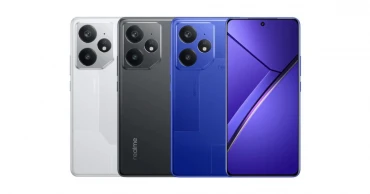
realme Neo7 Review: Is This Mid-Range Gaming Powerhouse Worth Buying?
Released on December 11, 2024, the realme Neo7 has quickly gained attention for its impressive features tailored to gamers and multitaskers alike. With a sleek design, powerful performance, and standout camera capabilities, it aims to dominate the mid-range market. In this review, we’ll break down the realme Neo7’s key specs, pros, cons, and pricing in Bangladesh to see if it lives up to the hype.
Key Features of realme Neo7
.
Design and Build Quality
The realme Neo7 boasts a robust design with dimensions of 162.6 mm by 76.4 mm by 8.6 mm and a weight of 213g. It is slightly heavier (191g) and thicker (8.7mm) than the realme GT Neo6. The inclusion of IP68/IP69 certification sets Neo7 one step ahead of the realme GT Neo6 and other competitors like the OnePlus Ace 5 and Honor GT, as these devices only offer IP65 resistance.
Its sleek design and sturdy Crystal Armor glass on the front make it more premium and durable. However, its heft may not appeal to users preferring lightweight devices.
Read more: Honor Magic7 Pro Review: A Flagship Killer or Just Another Premium Phone?
Display Quality
The realme Neo7 features a 6.78-inch LTPO AMOLED display with a resolution of 1264 by 2780 pixels (~450 PPI). The screen delivers vibrant colors and deep contrasts, supported by a peak brightness of 6000 nits, which is superior to the Honor GT’s 4000 nits and OnePlus Ace 5’s 4500 nits but comparable to the realme GT Neo6.
Its 120 Hz refresh rate ensures fluid scrolling and gaming, matching the industry standard for premium mid-range devices. However, while the HDR support is excellent for media consumption, the Honor GT’s slightly smaller screen (6.7-inch) offers a more compact alternative for one-handed use.
Camera Performance
The realme Neo7 houses a dual rear camera setup featuring a 50 MP (f/1.9) primary sensor with OIS and an 8 MP (f/2.2) ultrawide lens. The main sensor excels in low-light photography and delivers well-balanced colors, outperforming the realme GT Neo6 in dynamic range but falling short of the triple-camera system on the OnePlus Ace 5, which includes a dedicated macro lens. Meanwhile, the Honor GT’s camera performance is comparable but lacks the advanced image processing algorithms of the Neo7.
Read more: OnePlus Pad 2 Review: Is It Worth Buying?
For selfies, the 16 MP (f/2.4) front camera provides decent quality but lags behind the 32 MP selfie camera of the GT Neo6, which captures more details.
The Neo7’s rear sensor supports a maximum of 4K video recording with stabilization, ensuring smooth footage, similar to its competitors.
However, the realme GT Neo6’s front camera can capture up to 4K footage which outwins Neo7, OnePlus Ace 5, and Honor GT featuring 1080p of utmost video recording capacity each.
Processor Performance
Under the hood, the Neo7 is powered by the MediaTek Dimensity 9300+ chipset, paired with an octa-core CPU and Immortalis-G720 MC12 GPU. This 4 nm architecture ensures blazing-fast performance, placing it on par with the Snapdragon 8 Gen 3 found in the OnePlus Ace 5 and Honor GT.
Read more: Xiaomi Redmi Turbo 4 Review: Is It a Value-for-money Midranger?
Compared to the realme GT Neo6’s Snapdragon 8s Gen 3, the Neo7 delivers marginally better thermal efficiency, making it a better choice for extended heavy usage. Benchmark tests show the Neo7 excelling in multitasking and intensive applications, with its chipset providing a significant upgrade over its predecessor, the GT Neo6.
Gaming Performance
Gaming enthusiasts will appreciate the realme Neo7’s HyperBoost gaming engine, which optimizes frame rates and reduces latency for a smoother experience. Popular games like Genshin Impact and PUBG Mobile run at high settings without noticeable frame drops. Thermal management is efficient, keeping the device cool during extended sessions, which is a slight improvement over the GT Neo6.
While the OnePlus Ace 5 and Honor GT offer comparable gaming experiences, the Neo7’s larger battery gives it an edge in terms of playtime. Its immersive display and stereo speakers further enhance the gaming experience.
Read more: Best Air Purifiers in Bangladesh: Price Guide, Top Models, and Buying Tips
Battery Life
The realme Neo7 features a massive 7000 mAh battery, a standout among its peers. This capacity allows for more than a day of heavy usage, even with demanding applications.
In contrast, the GT Neo6 has a 5500 mAh battery, and the Honor GT offers 5300 mAh. While the OnePlus Ace 5 comes close with a 6415 mAh battery, it still falls short of the Neo7’s endurance.
Charging of Neo7 is handled by an 80W wired solution, which can fully charge the device in just over an hour. Although the GT Neo6 offers faster 120W charging, the Neo7’s larger battery capacity compensates by requiring less frequent charging.
The absence of wireless and reverse wired charging in this price range can be a deal breaker for the realme Neo7.
Read more: Top Smartphones Launching in January 2025: What to Expect
Software and User Interface
Out of the box, the Neo7 runs Android 15 with realme UI 6.0, offering a smooth and user-friendly experience. The updated interface includes enhanced customization options, improved widgets, and better multitasking features. Compared to the realme GT Neo6’s Android 14-based UI 5.0, the Neo7 provides a more polished software experience.
The OnePlus Ace 5 and Honor GT run Android 15 with ColorOS 15 and MagicOS 9, respectively. While these UIs offer similar features, realme UI 6.0 stands out with its efficient resource management and minimal bloatware. However, the lack of long-term software updates compared to OnePlus devices may concern some users.
Storage Options
The Neo7 offers extensive storage configurations, including 256GB and 512GB options with 12GB or 16GB of RAM, as well as a premium 1TB variant. The use of UFS 4.0 technology ensures faster read and write speeds, ideal for data-intensive tasks.
However, none of these models support expandable storage, which might be a downside for users who need additional space.
Read more: Best Projectors to Create Home Theaters in Bangladesh in 2025
The GT Neo6, OnePlus Ace 5, and Honor GT offer similar storage configurations.
Pros and Cons of realme Neo7
.
Pros
- IP68/IP69 dust and water-resistant.- LTPO AMOLED display with 120Hz refresh rate and 6000 nits brightness.- Powered by the Dimensity 9300+ chipset, great for gaming and multitasking.- 12/16GB RAM and up to 1TB UFS 4.0 storage.- Massive 7000 mAh battery with 80W fast charging.- Crystal Armor glass for enhanced durability.- 5G, NFC, and infrared port support.- Dual rear camera (50MP) and 16MP selfie camera.- Supports 4K video recording.- Runs Android 15 with realme UI 6.0.- Stereo speakers and under-display fingerprint scanner.
Read more: Vivo iQOO Z9 Turbo Plus Review: A Game-Changer Among Mid-Range Gaming Smartphones
Cons
- No 3.5mm audio jack.- Lacks expandable memory (no MicroSD card slot).- No reverse charging support.- No wireless charging support.- Selfie camera limited to 1080p video recording.- Missing optical zoom or advanced camera features.- FM radio is not supported.- Gyro-EIS for video stabilization is unavailable.
Price of realme Neo7 in Bangladesh
The realme Neo7 is priced at BDT 45,000 in Bangladesh, and its competitive pricing makes it an appealing option in the mid-range segment.
Takeaways
The Neo7 is perfect for gamers, multitaskers, and users seeking a durable, high-performance device with excellent battery life. However, it may disappoint those needing expandable storage, advanced camera features, a 3.5mm audio jack, and reverse or wireless charging supports. However, if these are no issues, the realme Neo7 is a competent gaming smartphone in the mid-range segment.
Read more: ZTE Nubia Red Magic 10 Pro Review: Is It a Value-for-money Gaming Smartphone?
1 year ago

Honor Magic7 Pro Review: A Flagship Killer or Just Another Premium Phone?
Honor’s highly anticipated Magic7 Pro, launched recently under its flagship Magic series, is here to challenge the dominance of established players in the premium smartphone market. Boasting a sleek design, cutting-edge features, and powerful performance, the Magic7 Pro positions itself as a serious contender in the high-end category. In this review, we explore the key upgrades and standout specifications of the Magic7 Pro. Is it a true flagship killer or just another premium phone? Let’s find out.
Key Features of the Honor Magic7 Pro
.
Design
The Honor Magic7 Pro introduces a flat, boxy design to the Magic series instead of the curved and rounded aesthetics found in previous models.
Its mainframe measures 162.7 mm by 77.1mm by 8.8 mm, respectively, in height, width, and depth, which is a bit larger and slimmer than its previous model 6 Pro.
The new design gives the display more breathing room by removing the extra bezels seen in the curved-sided Honor Magic6 Pro. The Magic7 Pro also feels lighter, weighing 223 g, compared to the Magic6 Pro’s 225 g. However, the Oneplus 13 weighs even less (210 to 213 g).
Read more: OnePlus Pad 2 Review: Is It Worth Buying?
In terms of aesthetics, the Magic7 Pro showcases more modern elements than its ancestor 6 Pro, such as a glass front and glass back, with toned-down, polished gradient radiance on its flat back panel and a less protruded rear camera module. It offers IP68/69 dust-water resistance.
Display
The Honor Magic7 Pro uses the same 6.8-inch LTPO OLED display as the Magic6 Pro with no mentionable upgrade. Its 1280 by 2800 pixels resolution falls behind the OnePlus 13, featuring 1440 by 3168 pixels.
Magic7 Pro’s 5000 nits peak brightness level outperforms the OnePlus 13. It can explicitly render images and videos on the screen under direct sunshine. The micro curved display combines the elegance of a flat and curved screen, reducing their specific limitations.
There are two sensors on the front– an under-display 3D ultrasonic fingerprint sensor and a 3D face unlock camera in the pill-shaped front camera module.
Read more: Honor X5b Plus Review: Powerful Contender in the Budget-friendly Segment
Cameras
Honor’s AI Falcon Camera System has been upgraded in the Honor Magic7 Pro, refined by an AI image processing tool. Most of the lenses resemble the same specifications as the Magic6 Pro’s, except for a 200MP telephoto lens, which replaces the previous model’s 180MP sensor.
The primary camera is a 50MP wide lens with an adjustable aperture that can shift between f/1.4 and f/1.2. Another 50MP ultrawide lens complements the rear module. Among major changes, the 200MP telephoto lens provides 3x zooming capacity and marks as the largest telephoto sensor on the market at 1/1.4-inch, and also the fastest with an f/2.6 aperture. The secondary camera is a 50MP wide lens, which does not differ much from the previous model.
The quality of the pictures taken at 10x or higher zoom with the previous Magic models suffers from a lack of details and contrast. To solve the problem, Honor has implemented an AI SuperZoom feature that adds automated detailing to up to 30x zoomed pictures. The result may feel artificial at times.
With a maximum of 4k video capturing capacity like the ancestor Magic6 Pro, the latest 7 Pro version falls behind the 8K video recording feature of the OnePlus 13.
Read more: Xiaomi Redmi Turbo 4 Review: Is It a Value-for-money Midranger?
Hardware, Software, and Performance
The Honor Magic7 Pro hits the standard flagship market-level performance, providing the latest 3nm Qualcomm SM8750-AB Snapdragon 8 Elite 3nm octa-core processor. It’s an upgrade from the previous 6 Pro model’s Snapdragon 8 3rd gen 4nm chipset.
The OnePlus 13 comes with the same 3nm Snapdragon 8 Elite chipset. The resemblance is also shared for the graphical unit, which is an Adreno 830 chipset.
Users will get an exemplary gaming experience with the Honor Magic7 Pro, with hours of seamless gameplay for high-config games like Genshin Impact, Call of Duty, and Free Fire at their maximum resolutions. The phone can maintain its 60fps frame rate all along.
For the operating system, the Honor Magic7 Pro uses the Magic OS 9, a highly customized Android 15 variation. The navigational layout reflects the same vibe of an iPhone screen, splitting the setting menu from the notification bar.
Read more: Honor X5b Review: Affordable Innovation or Budget Compromise?
Battery and Charging
Honor has stuck to its Silicon Carbon cell technology and used a 5,850 mAh battery in the Honor Magic7 Pro, which is a clear levitation from the Magic6 Pro’s 5,600 mAh cell. However, the OnePlus 13 boasts even a stronger Si/C cell with a 6,000 mAh capacity.
With regular usage, users can expect up to two days of battery support. In addition, the Magic7 Pro comes with a versatile charging system, providing a superfast 100W wired charger and an 80W wireless charger. As per Honor’s claim, the 100W charger can reach 100% charge within 33 minutes, whereas the 80W charger takes 44 minutes.
The Honor Magic7 Pro also has reverse wired, reverse wireless, and wireless charging options which will be handy for the users.
Pros and Cons of the Honor Magic7 Pro
Pros
- 5G, NFC, infrared port support- Emergency SOS via satellite (messages/calls)- Heavy-duty battery- Versatile charging options - LTPO OLED screen- 5000 nits brightness- NanoCrystal Shield, IP68/IP69 water/dust resistance- Android 15 with MagicOS 9- High RAM and storage variants- 4K video recording- 3nm processor- 200MP periscope telephoto lens, 3x optical zoom- Reverse wired, reverse wireless, and wireless charging options.
Read more: ZTE Nubia Red Magic 10 Pro Review: Is It a Value-for-money Gaming Smartphone?
Cons
- No micro SD card slot- A bit bulky- No 8K video recording- No audio jack
Price of Honor Magic7 Pro in Bangladesh
The global variant of the Honor Magic7 Pro features 12GB RAM and 512GB storage. It is priced at USD 1,119 or BDT 1,35,478, following the current currency conversion rate of USD 1 = BDT 121.07.
Conclusion
The Magic7 Pro is a high-end, feature-packed, state-of-the-art flagship smartphone with many upgrades over its predecessors. It boasts an LTPO OLED display with an achievable 5000 nits brightness level, a powerful 3nm Snapdragon processor, an expressive 200MP telephoto lens, an AI Image detailing system, and a durable battery.
On the whole, the Honor Magic7 Pro is equipped with cutting-edge technologies combining the finest hardware and software. In 2025, it can be a considerable pick for flagship lovers.
Read more: Best Air Purifiers in Bangladesh: Price Guide, Top Models, and Buying Tips
1 year ago

OnePlus Pad 2 Review: Is It Worth Buying?
OnePlus’s next-generation tablet, the OnePlus Pad 2, officially rolled out in Bangladesh recently. With a polished design, the new tablet introduces several characteristic and performative upgrades over the prior version. In a market ruled by reputed brands like Apple, Samsung, and Xiaomi, the OnePlus Pad 2 is up for pulling a good fight. Let’s delve into the features, pros, and cons of the OnePlus Pad 2.
Key Specifications of OnePlus Pad 2
The OnePlus Pad 2 showcases distinct competitive advantages with its latest operating system, flagship processor, and other overhauls.
Design
The OnePlus Pad 2 uncovers a unibody metal body frame, providing a standard yet sophisticated look. The body measures 10.58 inches by 7.68 inches by 0.26 inches, respectively, in height, width, and depth, and weighs 584 g, making the tablet a bit larger and heavier than the ancestor OnePlus Pad.
The Pad 2 is smaller and lighter than the Samsung Galaxy Tab S9 FE+. The Xiaomi Pad 6S Pro is the closest tablet to Pad 2 in shape, weight, and feel.
Read more: Xiaomi Redmi Pad Pro Review: Features, Performance, and Value – Is It Worth the Buy?
From a stylistic perspective, the OnePlus Pad 2 embodies a retrospective, traditional design with no futuristic innovation. It vibes the same polished metal look with a matte finish as other high-end tablets. Users will find a big circular camera module on the back, which sits in the middle when the tab is held in landscape orientation.
You will find about six-speaker grills placed on both sides of the phone, along with a power button and USB-C charging port. The volume rockers and a magnetic zone to attach the optional Stylo 2 are arranged on the top. The lack of a headphone jack and a fingerprint sensor feels quite disappointing.
Display
The Pad 2's display features a large 12.1-inch IPS LCD panel with Dolby Vision compatibility, which renders fine visuals. At its price, OnePlus could have used an AMOLED panel to satisfy the mass expectations, but it decided to follow the market norm instead.
With a high resolution of 3,000 by 2,120 pixels and a refresh rate of 144Hz, the Pad 2’s display surpassed the ancestor OnePlus Pad's smaller (11.61-inch) display featuring lower resolution (2000 by 2800 pixels) and brightness. The Samsung Galaxy Tab S9 FE+ has a bit larger display, but Pad 2 outperforms it in refresh rate and resolution.
Read more: Oukitel RT8 Review: Rugged Tablet with Long Battery Life
Turning to display quality, the visuals on the OnePlus Pad 2 screen seem less contrasty. The 900 nits of peak brightness level can hardly maintain visibility under direct sunshine. However, in low light and indoor conditions, the visibility feels fine.
Cameras
A tablet’s cameras are probably the least used feature. Most tablets available in the market provide basic lenses to enable users to pick emergency snaps. The OnePlus Pad 2 offers a 13MP (f/2.2) primary and an 8MP (f/2.3) front lens. Both lenses shoot pictures with low contrast and saturation. The Pad 2 can record videos at a maximum of 4K resolutions at a 30fps frame rate.
However, exceptions like the Xiaomi Pad 6S Pro 12.4 offer more robustness, featuring a 50MP primary lens accompanied by a depth sensor and a 32MP selfie lens.
Performance and Hardware
The integration of the latest flagship generation 3, 4nm Qualcomm SM8650-AB Snapdragon 8 processor is a major leap for the Pad 2, when its major competitors, the Samsung Galaxy Tab S9 FE+ and the Xiaomi Pad 6S Pro 12.4, are respectively using a 5nm Exynos 1380, and a 4nm 2nd generation Snapdragon 8 chipsets.
Read more: Honor Pad 9 Tablet: Is It Worth Buying?
On single- and multi-core Geekbench tests, OnePlus’s Pad 2 scores higher than both Samsung and Xiaomi models. Its graphical processing unit, an Adreno 750 chipset, is also stronger than the S9 FE+’s Mali-G68 MP5 and the Pad 6S Pro 12.4’s Adreno 740. Users can expect a better gaming experience compared to other available peers.
The latest OxygenOS 15, built on the stock Android 14, smoothens app installation and navigation on the tablet. The operating system supports three years of Android updates and four years of security updates.
Battery and Charger
The OnePlus Pad 2 has a heavy-duty 9510 mAh battery supported by an 87W wired charging system. It outruns the Samsung Galaxy Tab S9 FE+’s 10090 mAh cell in several tests. With regular usage, the Pad 2 is expected to run for around two days, providing a total of 11 hours of energy backup.
Pros and Cons of the OnePlus Pad 2
Pros
- A large battery- Fast charging system- Stylus support- Six stereo speakers- Strong gaming performance- FHD+ IPS LCD, 144Hz refresh rate- Android 14 with OxygenOS 14.1- 4K video recording with gyro-EIS.
Read more: Walton Walpad 10H Pro Review: Budget-friendly Tablet with Decent Performance
Cons
- No reverse/wireless charging- No Gorilla Glass protection- No SIM connectivity- No microSD slot- Lacks optical zoom/ultrawide camera- No AMOLED display- No audio jack- No fingerprint sensor
Price of OnePlus Pad 2 in Bangladesh
The official variant of the OnePlus Pad 2 features 12GB RAM and 256GB internal storage for BDT 49,999.
Verdict
The OnePlus Pad 2 brings some upgrades over its predecessor, the OnePlus Pad, but has its shortcomings. The tablet will draw users with robust performance, smooth navigation, durable battery backup, quality sound, and easy integration with other OnePlus devices. However, no AMOLED screen, audio jack, fingerprint sensor, and inclusive stylus at its price level can be a deal breaker for many.
On the whole, the OnePlus Pad 2 can a be good choice for users looking for a standard tablet around BDT 50000.
Read more: Xiaomi Pad 6 Review: Can It be a True iPad Alternative?
1 year ago
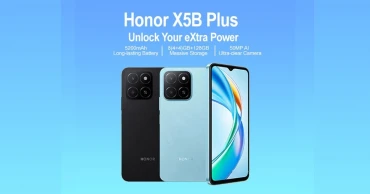
Honor X5b Plus Review: Powerful Contender in the Budget-friendly Segment
The X5b Plus is a new addition to the Chinese Smartphone brand Honor’s budget-friendly X series featuring large screens and long-lasting batteries. Hitting the Bangladesh market on January 9, 2025, it offers relatively standard features with a highly affordable price tag. Let’s dive into the key features, pros, cons, and pricing of Honor X5b Plus in Bangladesh.
Key Features of Honor X5b Plus
.
Design
The Honor X5b Plus has come with a compact and slim design with a super flat cross-textured back panel providing a good grip. Like the X5b model, its plastic-made metal frame is 163.9mm wide, 75.8mm tall, and 8.7mm thick, which gives the phone a standard shape. Catering to divisiveness, it offers three distinct color vacations– Ocean Blue, Midnight Black, and Starry Purple.
The plastic body build helps the phone to be more lightweight than its competitors. It weighs 194g, harmonizing with the overall slimness of the phone. Users will find a single stereo audio output juxtaposed with a USB Type C charging port on the bottom. Much to users’ disappointment, the phone uses a teardrop placeholder for its front lens. Either a dual stereo audio system or a punch-hole would be more appreciable, while its primary competitor, Tecno Spark Go 1, offers both.
Read more: Xiaomi Redmi Turbo 4 Review: Is It a Value-for-money Midranger?
Display
A TFT LCD panel may not be a great display, even for an entry-level phone, when similarly priced options like Symphony Innova 30 and Tecno Spark Go 1 are offering IPS screens. Users may find the 90Hz refresh rate as a deal breaker as Tecno Spark Go 1 boasts a 120Hz rate at a lower price tag.
The entire look of the front much resembles Samsung’s budget-friendly smartphones, with fairly rounded corners, a waterdrop notch, and thick bezels and chins. However, the 6.56-inch screen still feels right while watching videos or playing games regardless of being narrowed down by thick bezels.
Users will get a wide resolution of 720 by 1612 pixels backed by a maximum 530 nits brightness level. Considering the quality of the screen, the device still provides a good color contrast thanks to its 269 ppi density.
However, we have seen similar features in the basic variant X5b.
Read more: Honor X5b Review: Affordable Innovation or Budget Compromise?
Cameras
The Honor X5b Plus features a 50MP (f/1.8) lens placed within a giant square primary camera panel with rounded corners on the back. It’s a great leap compared with Honor X5B and rival Tecno Spark Go 1’s 13MP, yet a downgrade compared to Symphony Innova 30’s 108MP primary lens.
The 5MP (f/2.2) front lens of the X5b Plus is also despairing in this selfie-hyped market. An 8MP wide lens would place the camera system in a better position. Both lenses can record videos at a 30fps frame rate, keeping a 1080p clear resolution.
Performance and Hardware
A maximum of 256GB default storage sets a standard ground for the phone supported by 4GB RAM.
Like the basic X5b, the Plus variant features a Mediatek Helio G36 12nm chipset. The phone uses a PowerVR GE8320 for graphical processing that keeps up with the processor in detailing and maneuvering different games.
Read more: ZTE Nubia Red Magic 10 Pro Review: Is It a Value-for-money Gaming Smartphone?
However, in the AnTuTu Benchmark and GeekBench scores, the Honor X5b Plus performs less efficiently than the Innova 30 and Spark Go 1.
For the operating system, the phone implements Android 14, ensuring the latest upgrades of Google’s stack navigational layout. On top of it, it’s customizable Magic OS 8 provides a stylish and colorful user interface.
Battery and Performance
Like the Honor X5b, its Plus variant comes with a strong and durable 5200mAh battery that lasts longer than those featured by most market peers. Users will get a 10W charger, which requires 5 to 7 hours to power up the phone fully.
Symphony Innova 30, and Spark Go 1 offer almost similar-sized batteries (5000 mAh) with powerful chargers.
Read more: Best Air Purifiers in Bangladesh: Price Guide, Top Models, and Buying Tips
Pros and Cons of the Honor X5b Plus
Pros
- Audio jack present- Android 14 OS with Magic OS 8 UI- Large battery capacity- Side-mounted fingerprint scanner
Cons
- No 4K video recording- Basic camera setup- Low brightness- Low refresh rate- Not suitable for heavy gaming or multitasking- Low-resolution display- No reverse charging- Lacks NFC and 5G support.
Read more: Honor GT Review: A Power-Packed Mid-range Smartphone for Gamers
Price of Honor X5b Plus in Bangladesh
The Honor X5b Plus has been launched in the Bangladeshi market. Its official 4GB RAM and 128GB internal storage variation is available at BDT 12,999.
Conclusion
The Honor X5b Plus is a budget-friendly smartphone. With a powerful battery and an acceptable primary camera, it tries to justify its price; however, powerful competitors are ruling the market offering better performance, display, design, and selfie cameras. If you want a minimalist phone to capture good-quality images and durable usability, the Honor X5b Plus can be a good choice. Gamers and selfie lovers may opt for options like Symphony Innova 30.
Read more: Top Smartphones Launching in January 2025: What to Expect
1 year ago