Gadget

Royal Enfield Motorcycles Now in Bangladesh: Breakdown of Models and Features
Royal Enfield, celebrated worldwide for its timeless designs and rugged heritage, has officially introduced four of its iconic motorcycles in Bangladesh, bringing a new level of quality and style to the local market. Motorcycle enthusiasts in Bangladesh can now experience the Classic 350, Meteor 350, Hunter 350, and the legendary Bullet 350, each model renowned for its premium build and performance. These bikes aren’t just motorcycles; they embody Royal Enfield’s legacy, offering Bangladeshi riders a chance to embrace the brand's adventure-driven spirit and unmatched allure.
Royal Enfield Motorcycles Available in Bangladesh
.
Royal Enfield Classic 350
The Royal Enfield Classic 350, now available in Bangladesh at an approximate starting price of 4,05,000 BDT, brings a unique blend of vintage charm and modern reliability to the local motorcycle scene. This model combines a classic aesthetic inspired by the 1948 G2 Bullet with contemporary engineering, featuring a smooth 349.34cc J-series engine that minimises vibrations and offers reliable performance. It can produce 20.21 PS @ 6100 rpm of power. The maximum torque of Classic 350 is about 27 Nm @ 4000 rpm.
Classic 350 has a fuel tank of 13-litre claiming mileage of 41.55 kmpl. Designed for city commutes and long-distance rides, the Classic 350 stands out with comfortable ergonomics, wide handlebars, and a plush seat, making it an ideal choice for riders who appreciate style and comfort. Key safety features, such as ABS and an LED headlight, enhance the riding experience without compromising the bike’s timeless appeal.
Read more: Motorcycle Categories: Different Types of Motorbikes Explained
The Classic 350’s exclusivity is heightened by its availability in seven striking colour options, including the Stealth Black variant, which comes with alloy wheels and tubeless tyres for a unique look. However, its premium price point may be a barrier for budget-conscious buyers, and the suspension can feel slightly stiff on uneven roads.
Additionally, some accessories like the pillion seat are sold separately, adding to the overall cost. Yet, for enthusiasts, the Classic 350 is more than a motorcycle; it is a piece of Royal Enfield’s legacy that combines tradition with a smooth, refined riding experience.
Royal Enfield Meteor 350
The Royal Enfield Meteor 350, priced starting at 4,35,000 BDT in Bangladesh, is a versatile cruiser that balances everyday commuting with weekend road trips. Powered by a 349cc J-series engine, it generates 20.2 bhp and 27 Nm of torque, delivering smooth, reliable performance suited to both city streets and highways. Its air-cooled engine produces 20.4 PS @ 6100 rpm of power.
Read: Motorbike Buyer Guide: Some popular models with price in Bangladesh
With its cruiser-style design, low and wide split seat, and padded backrest, the Meteor 350 ensures rider comfort, making it ideal for long journeys. It has a 15-litre fuel tank. Available in four variants (Aurora, Fireball, Stellar, and Supernova) and 12 colour options, it caters to different tastes, with the Supernova variant offering premium touches like an LED headlight and Tripper navigation for seamless GPS functionality.
The Meteor 350’s good side includes its mid-range torque, dual-channel ABS, comfortable seat height, and decent fuel efficiency—around 41.88 km/l in the city. However, minor vibrations can be felt at high revs, and while it cruises comfortably, it could benefit from a slightly higher top speed for highway riding.
The Meteor’s exclusivity lies in its thoughtful blend of classic cruiser design and modern tech features like Bluetooth connectivity and semi-digital instrumentation. With its iconic thumping sound and smooth engine, the Meteor 350 offers Bangladeshi riders a unique, stylish experience that is both practical and performance-oriented.
Read Motorcycle Loans in Bangladesh: Turning Your Two-wheeler Dream into Reality
Royal Enfield Bullet 350
The Royal Enfield Bullet 350, starting at 4,10,000 BDT in Bangladesh, is a testament to classic motorcycling with its iconic retro styling and robust build quality. Powered by a 349cc single-cylinder J-series air-cooled engine which produces 20.4 PS @ 6100 rpm of power. Delivering about 20.2 bhp and 27 Nm of torque, it offers smooth and refined power, making it a reliable choice for city commuting and relaxed rides. It bears a fuel tank of 13 litres and a claimed mileage of 37 kmpl.
The Bullet 350’s design is deeply rooted in Royal Enfield’s heritage, featuring a round halogen headlamp, teardrop fuel tank, and a single-piece seat, giving it an unmatched vintage appeal. Available in five variants and seven colours, such as Military Black, Standard Maroon, and Black Gold, the bike provides options to suit various aesthetic preferences.
It can be an alternative to the Classic 350, offering a similar riding experience. However, it does have a few limitations; the rear brake uses a drum setup instead of a disc in some variants, and the lack of a kick-start option may be missed by traditionalists. Nonetheless, the Bullet 350’s exclusivity lies in its authentic, timeless design paired with a refined engine, making it a top choice for riders who value both heritage and performance.
Read: Motorcycle vs. Scooter: Which is right for you?
Royal Enfield Hunter 350
The Royal Enfield Hunter 350, with a starting price of around 3,40,000 BDT in Bangladesh, is a compact, stylish street roadster aimed at younger and first-time riders. It is powered by a 349.34cc air-cooled engine featuring 20.4 PS @ 6100 rpm of power. It comes with a fuel tank of 13 litres and a claimed mileage of 36.2 kmpl. Producing about 20.2 bhp and 27 Nm of torque, it delivers reliable power for urban commuting and short highway trips.
With its lightweight build (181 kg for the Metro variant) and a low seat height of 790mm, the Hunter 350 is easy to handle and manoeuvre, making it accessible for newer riders and those with shorter frames. Its design draws from a neo-retro aesthetic, featuring a round halogen headlamp, teardrop-shaped fuel tank, and minimalistic styling that evokes a vintage appeal, reminiscent of more premium roadsters.
On the positive side, the Hunter 350 offers a comfortable riding position, dual-channel ABS in the Metro variant, and vibrant colour options, making it visually appealing and practical. However, it lacks standard GPS and can feel slightly stiff due to its suspension setup, which might affect comfort on rougher roads.
Read Best Ride Sharing Apps in Bangladesh
This bike is exclusive as the most affordable Royal Enfield, designed to offer the Royal Enfield experience at a lower price point, while still delivering a unique, retro-inspired look that stands out in urban settings.
Final Thoughts
With the introduction of the Classic 350, Meteor 350, Bullet 350, and Hunter 350, Royal Enfield is making waves in the Bangladesh market. These models offer a blend of style, power, and exclusivity, from the classic charm of the Bullet to the road-trip-ready Meteor. Each model captures the legacy of Royal Enfield, offering Bangladeshi riders a premium experience that combines heritage, quality, and performance.
Read more: 8 Best Motorbikes Coming to Bangladesh in 2024
1 year ago

Apple launches the iPhone into the AI era with free software update
Apple is releasing a free software update that will inject its first dose of artificial intelligence into its iPhone 16 lineup as the trendsetting company tries to catch up with technology's latest craze.
The upgrade to the iOS 18 operating system on Monday arrives more than a month after four iPhone 16 models equipped with the special computer chip needed to power the AI features went on sale at prices ranging from $800 to $1,200. Last year's premium models — the iPhone 15 Pro and iPhone 15 Pro Max — also possess a processor that will enable the AI technology after the software update is installed.
Recent versions of Apple's iPad and Mac computer also can be updated with the software.
Countries outside the U.S. won't be getting the AI software for their iPhones until next year at a date still to be determined. Apple spent the past five weeks testing the AI software among an audience of iPhone owners who signed up to help the company fine tune the technology.
The AI infusion is supposed to transform Apple’s often bumbling virtual assistant Siri into a more conversational, versatile and colorful companion whose presence will be denoted by a glowing light that circles the iPhone’s screen as requests are being handled.
While Apple is promising Siri will be able to perform more tasks and be less prone to becoming confused, it won’t be able to interact with other apps installed on the iPhone until another software update comes out at a still-unspecified date.
Other AI features included in this software update will handle a variety of writing and proofreading tasks, summarize the content of emails and other documents. The AI also will provide a variety of editing tools to alter the appearance of photos and make it easier to find old pictures.
Other AI tricks still to come in future software updates will include the ability to create customized emojis on the fly or conjure other fanciful imagery upon request. Apple also plans to eventually enable its AI suite to get a helping hand from OpenAI’s ChatGPT when users want it.
Most of the AI features Apple introduced Monday are already available on Android-powered smartphones that Samsung and Google released earlier this year.
In an effort to distinguish its approach from the early leaders in AI, the iPhone’s suite of new technology is being marketed as “Apple Intelligence.” Apple is also promising its AI features will do a far better job protecting the privacy of iPhone owners by either running the technology on device or corralled in a fortress-like data center when some requests have to be processed remotely.
Because most iPhones currently in use around the world don’t have the computer chip needed for Apple’s AI, the technology is expected to drive huge demand for the new models during the holiday season and into next year, too. That’s the main reason why Apple’s stock price has soared 18% since the Cupertino, California, previewed its AI strategy at a conference in early June. The run-up has increased Apple’s market value by about $500 billion, catapulting it closer to becoming the first U.S. company to be worth $4 trillion.
Apple will give investors their first glimpse at how the iPhone 16 is faring Thursday when the company posts quarterly financial information for the July-September quarter — a period that includes the first few days the new models were on sale.
Demand for the high-end iPhone 15 models ticked upward as prices for them fell and the excitement surrounding Apple’s entrance into the AI market ramped up, according to an assessment of the smartphone market during the most recent quarter by the research firm International Data Corp.
Apple’s iPhone shipments rose 3.5 percent from the same time last year to 56 million worldwide during the July-September period, second only to Samsung, according to IDC. The question now is whether Apple’s gradual release of more AI will cause owners of older iPhones to splurge on the new models during the holidays, “future-proofing their purchases for the long term,” said IDC analyst Nabila Popal.
Also on Monday, Apple said that with the software update some AirPods wireless headphones can be used as hearing aids.
An estimated 30 million people — 1 in 8 Americans over the age of 12 — have hearing loss in both ears. Millions would benefit from hearing aids but most have never tried them, according to the National Institute on Deafness and Other Communication Disorders.
1 year ago

Xiaomi Redmi 14C Review: Budget-friendly Phone with Impressive Features
The Xiaomi Redmi 14C, released in August 2024, promises impressive features for budget-conscious buyers. But does it live up to expectations? Let’s find out.
Key Features of Xiaomi Redmi 14C
.
Design and Build Quality
The Xiaomi Redmi 14C boasts a sleek and minimalist design with an 8.2 mm slim body, making it comfortable to hold and use. The phone features a glass front, plastic frame, and either a glass or silicone polymer (eco-leather) back, offering a range of tactile experiences.
Weighing between 204 to 211 grams, Redmi 14C feels heavier than the slightly lower-priced options like the Infinix Hot 40i (190g) and Tecno Spark 30C (187g). Each of them is available at the official price of 13,999 TK.
Though both of these phones feature plastic frames and backs, they lack the eco-leather option that the Redmi 14C offers. Xiaomi’s design feels slightly more premium. Overall, the Redmi 14C’s design is practical yet elegant, suitable for smartphone users who prioritize style and durability.
Read more: Vivo V40 Review: A Feature-Packed Premium Smartphone
Display Quality
The Redmi 14C comes with a 6.88-inch IPS LCD screen that supports a 120Hz refresh rate. This ensures smooth scrolling and a more immersive viewing experience, whether you are gaming, watching videos, or browsing.
The 720 by 1640 pixel resolution, while not full HD, offers clear and vibrant visuals, enhanced by 450 nits of brightness and 600 nits for high brightness mode (HBM). This makes the phone usable even under direct sunlight, although it falls short in sharpness compared to Full HD displays.
The Tecno Spark 30C and Infinix Hot 40i feature HD+ resolution but lower display sizes than the Redmi 14C. In display performance, Redmi 14C outshines Infinix Hot 40i offering a 90Hz refresh rate.
Performance
Powered by the Mediatek Helio G81 Ultra chipset with an octa-core CPU, the Xiaomi Redmi 14C ensures stable and smooth day-to-day performance. It features two Cortex-A75 cores clocked at 2.0 GHz and six Cortex-A55 cores at 1.8 GHz, making it capable of handling multitasking, app loading, and other common tasks efficiently.
Read more: ZTE Blade A35 Review: Top Budget Smartphone for Everyday Use
The Tecno Spark 30C, on the other hand, features the Helio G81 chipset, providing nearly identical performance in multitasking and app management. The Infinix Hot 40i, with its Unisoc T606 chipset, offers a slightly lower performance level, particularly when dealing with more intensive tasks or high-demand apps.
Gaming Performance
While the Redmi 14C is not marketed as a gaming phone, its Mali-G52 MC2 GPU and 120Hz display make casual gaming enjoyable. Games like Asphalt 9 and Call of Duty: Mobile run relatively smoothly at low to medium settings, though users may experience minor frame drops in more graphically intense moments. Extended gaming sessions are possible without significant overheating issues, although some heat buildup is expected.
The Tecno Spark 30C offers a similar gaming performance with an almost similar chipset and the same GPU, while the Infinix Hot 40i lags behind due to its less powerful chipset. Gamers on a tight budget might prefer the Redmi 14C or Tecno Spark 30C for a more fluid experience.
Read more: Samsung Galaxy A06 Review: Budget-friendly Smartphone with Impressive Features
Camera Performance
The Xiaomi Redmi 14C has a 50 MP (f/1.8) dual-camera system, a 2 MP (f/2.4) depth sensor, and a 0.08 MP auxiliary lens. This setup allows the phone to capture detailed photos in good lighting conditions, with decent colours and sharpness.
Its front-facing 13 MP (f/2.0) camera performs well for selfies, especially with its built-in beautification features and night mode for low-light conditions.
Redmi 14C can capture maximum of 1080 footage at 30fps with both rear and front cameras.
On the other hand, the Tecno Spark 30C also offers a 50 MP main camera but lacks some AI enhancements in Xiaomi’s camera software. The Infinix Hot 40i also features a 50 MP main sensor but tends to fall short in low-light conditions and photo sharpness.
However, Hot 40i offers a 32MP (f/2.2) selfie shooter which is undoubtedly more powerful than the Redmi 14C’s 13MP and Spark 30C’s 8MP front shooters.
Read more: Benco V91 Plus Review: Budget-friendly Smartphone for Everyday Use
Battery Life
A major selling point of the Redmi 14C is its 5160 mAh battery, which provides excellent longevity. On a full charge, the phone can easily last a full day of heavy use, including gaming, social media, and video playback. The phone also supports 18W fast charging, which gets you back up and running fairly quickly.
The Tecno Spark 30C and Infinix Hot 40i both come with slightly smaller 5000 mAh batteries, but the difference in capacity is minor. All three phones feature 18W fast charging, so the Redmi 14C offers a slight edge in battery life, but not by a huge margin.
Software and User Interface
Running on Android 14 with Xiaomi's HyperOS, the Redmi 14C provides a clean and user-friendly experience. The interface is highly customisable and comes with various features tailored to Xiaomi devices, such as battery optimisations and privacy tools. However, some users might find the bloatware a bit overwhelming, though most of it can be removed.
Tecno Spark 30C sports Android 14 HiOS, while Infinix Hot 40i runs on Android 13 XOS. These skins are feature-rich but can sometimes feel bloated, making the Redmi 14C's HyperOS a more refined and smoother experience for users who prefer a lighter, more responsive UI.
Read more: Xiaomi Redmi Note 14 Review: Minimalist Design Meets High Performance?
Storage Options
With RAM options ranging from 4GB to 8GB Redmi 14C is equipped to meet the needs of most users.
It offers a variety of storage options, ranging from 128GB to 256GB with expandable storage via a dedicated microSD slot. This provides ample room for apps, photos, and videos, particularly for users who opt for the larger variant.
Tecno Spark 30C and Infinix Hot 40i offer similar RAM and storage options.
Pros and Cons of Xiaomi Redmi 14C
Pros
- 120Hz display ensures smooth browsing and gaming- 50 MP camera takes sharp images in good lighting- Long battery life with a 5160 mAh battery- Expandable storage with up to 256GB- Android 14 with HyperOS offers a customisable experience.
Read more: Tecno Spark Go 1 Review: Does Affordability Compromise Quality?
Cons
- 720p resolution lacks sharpness on a large screen- Weak low-light camera performance- Heavier design at over 200g.
Price of Xiaomi Redmi 14C
The Xiaomi Redmi 14C is priced at BDT 14,999 for the 6/128GB variant, while the 8/256GB version is available at an unofficial price of BDT 19,700.
Verdict
The Xiaomi Redmi 14C is an excellent choice for users who need reliable performance, a good processor, a high refresh rate, and a long battery life. It is ideal for casual users seeking a budget-friendly smartphone for daily use. However, it is not suited for heavy gamers or photography enthusiasts who need top-tier performance or low-light camera capabilities. Overall, it offers great value for everyday use at an affordable price.
Read more: Top 7 Smartphones Coming in October 2024
1 year ago

Vivo V40 Review: A Feature-Packed Premium Smartphone
Vivo has launched its latest addition to the V series, the Vivo V40, bringing a host of premium features to the smartphone market. Released in India on June 17, 2024, and now officially available in Bangladesh, the Vivo V40 positions itself as a serious contender in the high-end smartphone segment. In this review, we’ll look at the detailed specifications, standout features, and potential drawbacks of this new device.
Key Features of the Vivo V40
Design
The Vivo V40 5G showcases an elegant and sturdy design. Measuring 164.2 mm by 75 mm by 7.6 mm and weighing 190g, it strikes a balance between sleekness and durability. The phone features a glass front and back, with a reinforced plastic frame enhanced by aluminum alloy corners for added drop protection. Its glossy glass back sports a distinctive wave-like pattern, though it’s prone to fingerprints.
With IP68 and IP69 ratings, the V40 is dustproof and water-resistant, capable of withstanding immersion up to 1.5m for 30 minutes. It supports dual Nano-SIM cards, along with an eSIM option. The phone's ergonomic design includes tactile, quiet buttons, and a fast, reliable in-display fingerprint sensor, ensuring both style and practical usability.
Read more: ZTE Blade A35 Review: Top Budget Smartphone for Everyday Use
Display
The Vivo V40 5G features an impressive 6.78-inch AMOLED display, offering vibrant visuals with HDR10+ support and a high 120Hz refresh rate. With a screen resolution of 1260 by 2800 pixels and a 20:9 aspect ratio, the display delivers crisp images at a density of around 453 ppi, ensuring sharp details and immersive viewing.
The screen-to-body ratio stands at an impressive 90.1%, maximizing the display area for an edge-to-edge experience. The peak brightness reaches a remarkable 4500 nits, providing excellent visibility even in bright sunlight. For protection, Vivo equips the display with Schott Xensation Alpha, a durable glass technology that shields the screen from scratches and impacts, ensuring long-lasting durability without compromising on sleek aesthetics.
Cameras
The Vivo V40 5G boasts a dual-camera setup co-engineered with Zeiss, featuring two 50 MP sensors. The main wide camera has an aperture of f/1.9, a 24mm focal length, and optical image stabilization (OIS) for enhanced low-light performance and sharpness. The 50 MP ultrawide camera offers a 119˚ field of view with an f/2.0 aperture and autofocus, capturing expansive shots with consistent color accuracy.
Read more: Samsung Galaxy A06 Review: Budget-friendly Smartphone with Impressive Features
Both cameras support 4K video recording at 30fps, enhanced by gyro-EIS and OIS.
The front-facing camera is a 50 MP wide lens featuring f/2.0 aperture with autofocus and HDR capabilities, allowing for detailed selfies and 4K video at 30fps. Zeiss optics, ring-LED flash, and portrait-enhancing features make this camera system versatile and high-performing.
Performance and Software
The Vivo V40 is powered by the Snapdragon 7 Gen 3 4nm processor, offering reliable mid-range performance. The graphic section runs with Areno 720 GPU.
It comes with up to 12 GB of LPDDR4X RAM and 512 GB of UFS 2.2 storage, providing ample memory and storage for multitasking and daily tasks. While the chipset remains the same as its predecessor, it delivers a solid performance, handling light to medium gaming with ease, maintaining stable frame rates, and minimizing throttling during extended use.
Read more: Benco V91 Plus Review: Budget-friendly Smartphone for Everyday Use
The device runs FuntouchOS 14, based on Android 14, offering a smooth user experience with customizable options. While the interface includes some bloatware, most pre-installed apps can be removed. Vivo provides two major OS updates and three years of security patches. AI integration enhances camera performance, with scene recognition and portrait mode, contributing to the phone’s well-rounded software experience.
Battery and Charger
The Vivo V40 5G is powered by a 5,500 mAh non-removable Li-Ion battery, offering solid endurance for everyday tasks. It supports 80W wired fast charging, allowing the phone to charge from 0% to 100% in about 46 minutes, ensuring quick power-ups when needed. The device is compatible with Power Delivery (PD) charging standards, making it versatile with various chargers.
Additionally, the V40 features reverse wired charging, enabling it to charge other devices when necessary. Although the battery life is strong, lasting around 15 hours in the PCMark battery test, it falls slightly behind competitors like the Honor 200. Nevertheless, the Vivo V40 provides reliable battery performance paired with impressive fast-charging capabilities.
Read more: Xiaomi Redmi Note 14 Pro+ Review: A Power-Packed Higher Mid-Range Smartphone
Pros and Cons of the VIvo V40
Pros
- 5G connectivity and NFC- AMOLED screen, 120Hz refresh rate- 4500 nits brightness- Android 14 with Funtouch 14 UI- 4K video, gyro-EIS, OIS support- 80W wired fast charging- Under-display fingerprint scanner- Powerful chipset for gaming and multitasking- IP68 dust and water resistance- Ample RAM and storage.
Cons
- No optical zoom camera.- Lacks stereo speakers and an infrared port- No wireless charging- No microSD card slot- No Gorilla Glass protection- No audio jack.
Read more: Tecno Spark Go 1 Review: Does Affordability Compromise Quality?
Price of vivo V40 in Bangladesh
The Vivo V40 is officially available in Bangladesh at the price of BDT 62,999.
Conclusion
The Vivo V40 5G offers a well-rounded package with its sleek design, vibrant 6.78-inch AMOLED display, and robust performance powered by the Snapdragon 7 Gen 3 processor. The dual 50 MP Zeiss-tuned cameras deliver excellent image quality, especially in portrait and low-light conditions, while the 80W fast charging ensures the 5,500 mAh battery is quickly replenished.
The device is well-suited for everyday tasks, gaming, and multitasking, thanks to its ample RAM, storage, and efficient software.
Read more: Top 7 Smartphones Coming in October 2024
1 year ago
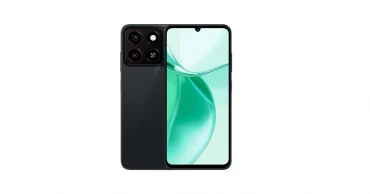
ZTE Blade A35 Review: Top Budget Smartphone for Everyday Use
The ZTE Blade A35, released in September 2024, is an affordable smartphone packed with essential features for entry-level users. In this review, we’ll look at the key specs of the ZTE Blade A35 and see how it stacks up against its competitors in the budget smartphone market.
Key Features of ZTE Blade A35
Design and Build Quality
The ZTE Blade A35 offers a sleek polycarbonate body with a 3D curved-line texture that enhances grip and aesthetics. It is lightweight and durable, making it a solid choice for those who want a phone that can handle everyday wear and tear. Available in Starry Black and Clover Green, the A35 has a stylish look despite its highly affordable price range.
In comparison, within a slightly lower price range, the Itel A50C has a bulkier design, weighing 192.6 grams, and lacks the refined texture of the Blade A35. The other competitors ZTE Blade A54 and Symphony Atom 5, also feature plastic bodies, but with slightly different finishes. Within the 10000TK price range, the Blade A54 has a side-mounted fingerprint sensor, offering a more modern feel. While the Symphony Atom 5, within around 8500 TK price range, is also slim and light but lacks the Blade A35’s textured grip.
Read more: Samsung Galaxy A06 Review: Budget-friendly Smartphone with Impressive Features
Display
The ZTE Blade A35 has a 6.75-inch IPS LCD (720 by 1600 pixels) with a 90 Hz refresh rate. This provides a decent viewing experience that is suitable for everyday tasks like watching videos or browsing social media. However, the 720p resolution is standard in this price range and performs well for most users.
The Itel A50C has a slightly smaller 6.56-inch water drop HD display with a similar resolution, offering a comparable viewing experience. However, the ZTE Blade A54 falls behind with its 6.6-inch IPS LCD screen.
Camera Performance
The ZTE Blade A35 features an 8MP rear camera and a 5MP front camera. While these cameras can capture decent shots in good lighting, low-light performance is subpar, which is typical in this segment. The camera comes with features like night mode and panorama for enhanced photo quality.
Read more: Benco V91 Plus Review: Budget-friendly Smartphone for Everyday Use
The Itel A50C has a similar 8MP main camera and 5MP selfie camera, performing almost identically to the Blade A35. However, the ZTE Blade A54 offers a 13MP rear camera, providing better image quality, especially in daylight. On the other hand, Symphony Atom 5 stands out with a 52MP UHD rear camera, delivering the best photo quality among these phones.
1 year ago

Samsung Galaxy A06 Review: Budget-friendly Smartphone with Impressive Features
The Samsung Galaxy A06, released in August 2024, is the latest addition to Samsung’s A-series, delivering great value for budget-conscious users. Packed with essential features at an affordable price, the Galaxy A06 offers solid performance without compromising on quality, making it one of the top budget smartphones in the market this year. From its competitive specs to user-friendly design, this phone is designed to meet everyday needs without breaking the bank.
Key Features of Samsung Galaxy A06
Design and Build Quality
The Galaxy A06 sports a sleek design with a plastic back and frame, similar to other phones in this price range. It measures 167.3 mm by 77.9 mm by 8.0 mm, making it relatively compact for a phone with a 6.7-inch screen. The plastic construction, while durable, lacks the premium feel of higher-end phones like the Xiaomi Redmi 14R 5G, which has a more premium design with a glass front and back.
The design remains largely unchanged compared to the Galaxy A05, with a waterdrop notch for the front camera and a clean rear panel housing the dual-camera setup. The side-mounted fingerprint sensor is a convenient addition, ensuring easy access without compromising on aesthetics.
Read more: Xiaomi Redmi Note 14 Pro+ Review: A Power-Packed Higher Mid-Range Smartphone
Display
The Samsung Galaxy A06 features a 6.7-inch PLS LCD with a 720 by 1600 resolution. While not as crisp as the 1080p screens on more expensive devices, the HD+ resolution provides acceptable clarity for casual use, such as browsing the web, watching videos, and scrolling through social media. The display’s 262 ppi pixel density means it will not be as sharp as the Xiaomi Redmi 14R 5G’s 120Hz display, but it is still sufficient for day-to-day tasks.
Compared to the ZTE Blade V60 and the Tecno Spark 30C 5G, which also offer HD+ screens, the A06’s display performance is similar, though the Galaxy A06’s colours may appear slightly less vibrant due to the use of an IPS panel instead of AMOLED technology.
Performance and Processor
The Galaxy A06 is powered by the MediaTek Helio G85 12nm chipset, which includes an octa-core processor featuring a maximum 2.0 GHz clock speed. The graphic section is equipped with a Mali-G52 MC2 GPU. This setup provides reliable performance for most day-to-day activities, such as multitasking, light gaming, and running social media apps. However, when it comes to more demanding tasks like playing graphic-intensive games, the device may struggle with occasional lag.
Read more: Xiaomi Redmi Note 14 Review: Minimalist Design Meets High Performance?
Compared to the Galaxy A05, which also features the Helio G85 chipset, there is no significant improvement in performance. The A06 is on par with both the ZTE Blade V60 and Tecno Spark 30C 5G, as they too feature similar mid-range processors. The Xiaomi Redmi 14R 5G, however, outperforms the Galaxy A06 with its Snapdragon 4 Gen 2 chipset, offering a noticeable edge in speed and responsiveness.
RAM and ROM Options
The Samsung Galaxy A06 offers 4GB or 6GB of RAM, providing smooth multitasking. For storage, it comes with 64GB or 128GB of internal memory, expandable up to 1TB via a microSD card. This gives users ample space for apps and media.
These configurations are typical for budget-friendly phones, comparable to devices like the Tecno Spark 30C 5G and ZTE Blade V60. However, the A06’s microSD expandability makes it a convenient choice for those needing extra storage, though the Xiaomi Redmi 14R 5G handles RAM slightly better for heavier tasks.
Read more: realme C61 Review with Price in Bangladesh
Camera Capabilities
The Galaxy A06 comes equipped with a dual-camera setup on the rear, featuring a 50 MP wide-angle lens and a 2 MP depth sensor. In good lighting conditions, the main camera performs well, capturing detailed and vibrant photos. However, the performance in low-light scenarios is less impressive, with noticeable noise and reduced sharpness.
In comparison, the camera performance is nearly identical to that of the Galaxy A05, which also features a 50 MP primary sensor. The Xiaomi Redmi 14R 5G and Tecno Spark 30C 5G both feature similarly specced cameras, but Xiaomi’s better software optimisation gives it a slight advantage in terms of image processing.
The 8 MP front-facing camera on the Galaxy A06 is sufficient for selfies and video calls, but it pales in comparison to the front cameras found in some mid-range competitors. Overall, while the camera setup is functional for casual photography, it is not designed for photography enthusiasts.
Read more: Apple iPhone 16 Review: Can It Set New Standards for the Brand?
Battery Life
One of the standout features of the Samsung Galaxy A06 is its 5000 mAh battery, which provides impressive longevity. With moderate use, the battery can easily last a full day, and lighter users might even stretch it to two days between charges. This is a huge plus for users who rely on their phones for extended periods without access to a charger.
The 25W fast charging feature ensures that the device can be charged quickly, which is an advantage over the ZTE Blade V60 and Tecno Spark 30C 5G, both of which support slower charging speeds. However, the Xiaomi Redmi 14R 5G edges ahead with a slightly larger 5160 mAh battery and better power optimisation.
Gaming Performance
In terms of gaming, the Galaxy A06’s MediaTek Helio G85 chip is capable of handling lighter games like Subway Surfers and Clash of Clans smoothly. However, more demanding titles like PUBG Mobile and Genshin Impact may require lowering the graphics settings to avoid lag. While playable, the gaming experience is not as fluid as you would find on more powerful devices like the Xiaomi Redmi 14R 5G, which is designed to handle heavier games more efficiently.
Read more: Tecno Spark Go 1 Review: Does Affordability Compromise Quality?
Pros and Cons of Samsung Galaxy A06
Pros
- Solid build quality with a durable plastic frame- Large 6.7-inch PLS LCD, offering decent color and brightness- Long-lasting 5000 mAh Li-polymer battery- Expandable storage up to 1TB via microSD card- Reliable performance for everyday tasks
Cons
- No NFC support for contactless payments- Lacks 5G network support- The display resolution is only HD+ (720p), not Full HD- The camera struggles in low-light conditions- Average processor for gaming and multitasking.
Read more: Benco V91 Plus Review: Budget-friendly Smartphone for Everyday Use
Price of Samsung Galaxy A06
In Bangladesh, the price of Samsung Galaxy A06 starts at BDT 21,000 for the 4/128GB storage variant.
Verdict
The Samsung Galaxy A06 is a solid choice for budget-conscious users looking for a reliable phone with decent performance, long battery life, and essential features. It is ideal for casual users, students, or those needing a secondary device. However, it may not satisfy heavy users, gamers, or those seeking 5G connectivity or high-end camera performance. If you need a more powerful processor or better display, consider other options.
Read more: Top 7 Smartphones Coming in October 2024
1 year ago

Benco V91 Plus Review: Budget-friendly Smartphone for Everyday Use
Released in September 2024, the Benco V91 Plus is designed to offer an affordable yet feature-packed smartphone experience. It is ideal for everyday tasks but may need more support with intensive gaming or photography needs. This article will focus on the key features, pros, cons, and price of the Benco V91 Plus in Bangladesh.
Key Specs of the Benco V91 Plus
Display
The Benco V91 Plus features a 6.56-inch IPS LCD with a 720 by 1612 pixel HD+ resolution and a 90Hz refresh rate. This makes the display noticeably smoother compared to the Benco V91, which only had a 60Hz refresh rate, ensuring a better experience when scrolling or watching videos.
Read more: Honor X6b Review: Style Meets Budget
Compared to the Xiaomi Redmi A3, which has a slightly larger 6.71-inch HD+ display and only runs at 60Hz, the Benco V91 Plus feels more responsive. Similarly, the Infinix Smart 8 and Infinix Smart 8 Pro both feature 90Hz refresh rates, making them comparable in display smoothness. However, the Benco V91 Plus shines with its 500 nits of peak brightness, ensuring better outdoor visibility than its competitors.
Design and Build Quality
The Benco V91 Plus features a sleek design with a modern punch-hole display, which gives it a more premium look compared to the water-drop notch on the Benco V91. The phone is built with a plastic back and frame, weighing 193 grams and measuring 8.99 mm thick, giving it a sturdy and solid feel in hand. The phone's ergonomic design ensures comfortable handling, even during extended use.
In comparison, the Xiaomi Redmi A3 features a glass back and plastic frame, which adds a bit more elegance, but it also makes the phone more prone to smudges and fingerprints. Meanwhile, the Infinix Smart 8 and Smart 8 Pro focus on durability with textured plastic backs, which provide better grip and are less prone to damage from daily use. Overall, the Benco V91 Plus offers a balance between aesthetics and practicality, similar to its competitors.
Read more: realme GT Neo 6 SE Review: Know the Pros and Cons
Processor and Performance
Powered by the Unisoc T606 octa-core processor, the Benco V91 Plus handles everyday tasks smoothly, from browsing and social media to basic multitasking. With 6GB or 8GB of RAM and virtual RAM options, it ensures fluid operation for general use. This marks a step up from the Benco V91, which had fewer RAM options and performed less efficiently in multitasking.
The Infinix Smart 8 and Smart 8 Pro also run on the Unisoc T606, putting them on par with the Benco V91 Plus in terms of performance. The Xiaomi Redmi A3, however, uses the MediaTek Helio G36 processor, which provides decent performance for basic tasks but falls short when handling more demanding apps and games.
Camera Setup
The Benco V91 Plus features a 50MP AI triple rear camera, including a 50MP main sensor and two additional 2MP sensors for depth and macro photography. This is a notable improvement over the Benco V91, which had a more basic dual-camera setup. The 50MP camera on the V91 Plus captures clearer and more detailed photos, especially in good lighting conditions.
Read more: Apple iPhone 16 Review: Can It Set New Standards for the Brand?
When compared to the Infinix Smart 8 and Smart 8 Pro, which also feature 50MP primary cameras, the camera performance is quite similar, though the Infinix Smart 8 Pro offers slightly better low-light performance due to better image processing. On the other hand, the Xiaomi Redmi A3 only has an 8MP primary camera, which significantly lags in terms of image quality, especially in sharpness and detail.
The 8MP front camera on the Benco V91 Plus delivers decent selfies, on par with the competition. The Xiaomi Redmi A3 also has an 8MP selfie camera, but it struggles more in low-light conditions compared to the V91 Plus.
Battery Life
The Benco V91 Plus is powered by a large 5000mAh battery, offering all-day usage on a single charge. With its 18W fast charging capability, it outperforms the Benco V91, which also had a 5000mAh battery but with slower charging speeds.
Read more: Huawei Mate XT Ultimate Creates History with Triple-fold Design
In comparison, both the Infinix Smart 8 and Smart 8 Pro also pack 5000mAh batteries, but the Smart 8 only supports 10W charging, which means it takes longer to charge compared to the Benco V91 Plus. The Xiaomi Redmi A3 has a similar battery capacity but lacks any fast charging features, further tilting the convenience factor in favour of the Benco V91 Plus.
Gaming Performance
The Unisoc T606 processor in the Benco V91 Plus performs well for light gaming, allowing casual titles like Subway Surfers and Candy Crush to run smoothly. More demanding games like PUBG Mobile and Call of Duty Mobile will run on lower settings but may experience occasional frame drops. This performance is on par with both the Infinix Smart 8 and Smart 8 Pro, as they all share the same processor and have similar RAM configurations.
In comparison, the Xiaomi Redmi A3 with its MediaTek Helio G36 processor is less suitable for gaming, with more frequent lagging and frame drops, especially in graphically intensive games. This makes the Benco V91 Plus a better option for users who enjoy casual mobile gaming.
Read more: Tecno Spark Go 1 Review: Does Affordability Compromise Quality?
Pros and Cons of Benco V91 Plus
Pros
- 6.56-inch display with 90Hz refresh rate.- 50MP triple rear camera with 8MP selfie camera.- Available in 6GB/8GB RAM and 128GB/256GB storage options.- Side-mounted fingerprint unlock for convenience.- 5000mAh battery with 18W fast charging.
Cons
- No NFC (Near Field Communication) support.- 5G is not supported.
Price of Benco V91 Plus in Bangladesh
The official price of the Benco V91 Plus in Bangladesh starts at 12,499 BDT for the 6GB RAM and 128GB storage variant. The 8GB/256GB model is priced slightly higher, around 15,899 BDT to 16,499 BDT.
Read more: Top 7 Smartphones Coming in October 2024
Comparison with Competitors
The Benco V91 Plus competes with phones like the realme C33, Infinix Smart 8, Infinix Smart 8 Pro, and Xiaomi Redmi A3. While it shines with its battery life and clean software, the Realme C33 offers superior camera performance and faster charging. The Infinix Smart 8 Pro delivers a better overall gaming experience, while the Infinix Smart 8 provides similar performance but a slightly lower price. Meanwhile, the Xiaomi Redmi A3 offers a larger display but falls behind in processing power and camera quality.
Verdict
The Benco V91 Plus is ideal for users seeking a budget-friendly smartphone with standard battery life, a smooth 90Hz display, and a decent camera for everyday use. Its clean Android experience and solid performance make it great for casual users and light gamers.
However, if you prioritise faster charging, superior camera quality, or 5G support, options like the realme C33 or Infinix Smart 8 Pro may be better.
Read more: Xiaomi Redmi Note 14 Pro+ Review: A Power-Packed Higher Mid-Range Smartphone
1 year ago

Xiaomi Redmi Note 14 Pro+ Review: A Power-Packed Higher Mid-Range Smartphone
Xiaomi continues to push the boundaries of mid-range smartphones. The release of the Xiaomi Redmi Note 14 Pro+ has taken another step forward in offering high-end features at an affordable price. Released on September 26, 2024, this model builds upon the successes of its predecessors. Let's explore the key specifications and features of the Xiaomi Redmi Note 14 Pro+.
Key Specs and Features of Redmi Note 14 Pro+
Design and Build Quality
The Xiaomi Redmi Note 14 Pro+ retains a solid and sleek form factor with dimensions of 162.5 mm by 74.7 mm by 8.7 mm and a slightly heavier weight of 210.8g, giving it a premium feel in hand. Its IP68/IP69K rating ensures dust and water resistance of up to 2 meters for 24 hours, offering durability for daily use.
The phone features a modern design with smooth edges and a minimalistic back panel that houses the rear camera module in a well-organized layout. On the side, the power button and volume controls are easy to access, while the USB Type-C 2.0 port is at the bottom alongside the speakers. The device also includes an IR blaster, allowing users to control home electronics, a feature Xiaomi continues to incorporate in its mid-range models.
Read more: Tecno Spark Go 1 Review: Does Affordability Compromise Quality?
The matte finish on the rear ensures the phone is resistant to fingerprints, and users have several color options to choose from, including Black, White, and Green, providing both a stylish and practical design.
Display
The Xiaomi Redmi Note 14 Pro+ features a 6.67-inch AMOLED display, offering a resolution of 1220 by 2712 pixels with an ~446 ppi density. The screen delivers vibrant colors and sharp visuals. It is further enhanced by support for Dolby Vision, HDR10+, and a 120Hz refresh rate, ensuring fluid scrolling and seamless transitions.
With a peak brightness of 3000 nits, the display remains easily visible, even in bright outdoor conditions, making it perfect for multimedia consumption on the go. The Always-on Display feature provides quick access to notifications, and Corning Gorilla Glass Victus 2 ensures the screen is well-protected against scratches and drops.
Read more: Huawei Mate XT Ultimate Creates History with Triple-fold Design
1 year ago

Xiaomi Redmi Note 14 Pro Review: A Mid-range Minimalist Phone
With each release in the Redmi Note series, Xiaomi continues to refine its offerings, making notable improvements over previous models. The Xiaomi Redmi Note 14 Pro, launched on September 26, 2024, follows this trend with a more polished design and enhanced performance. Let's have a look at its key features and specifications.
Key Specs and Features of Xiaomi Redmi Note 14 Pro
Design
The Xiaomi Redmi Note 14 Pro maintains a sleek and minimalist design with dimensions of 162.3 mm by 74.4 mm by 8.2 mm and a weight of 190g, making it both slim and easy to handle. It supports dual SIM or eSIM configurations, ensuring flexibility in connectivity. Moreover, its IP68/IP69K rating guarantees dust and water resistance for up to 2 meters for 24 hours, providing solid protection for daily use.
The phone features a boxy silhouette with refined edges. The rear camera module adopts a modern and clean layout, with the flashlight housed in a circular section. On the right side, you'll find the power button and volume controls, while the USB Type-C 2.0 port and speakers are located at the bottom. Xiaomi also continues to include an IR blaster, allowing users to control various smart devices.
Read more: Huawei Mate XT Ultimate Creates History with Triple-fold Design
The matte finish on the back helps resist fingerprints, while the available colors - Black, White, Purple, and Green - give users a variety of stylish options.
Display
The 6.67-inch AMOLED display offers a high resolution of 1220 by 2712 pixels with a 20:9 aspect ratio, resulting in a crisp ~446 ppi density. This ensures sharp, vibrant visuals, enhanced by Dolby Vision, HDR10+, and a 120Hz refresh rate, which makes for fluid scrolling and seamless transitions.
One of the standout features is the 3000 nits peak brightness, ensuring visibility in even the brightest outdoor settings. The Always-on Display function allows for quick access to notifications and essential information without waking up the device. Additionally, Corning Gorilla Glass Victus 2 provides excellent protection against drops and scratches, offering durability alongside stunning visual performance.
Read more: Apple iPhone 16 Pro Review: Does a Bigger Phone Come with Better Features?
Performance and Hardware
The Redmi Note 14 Pro is powered by the MediaTek Dimensity 7300 Ultra chipset, built on a 4nm process. The octa-core CPU configuration includes 4x2.5 GHz Cortex-A78 cores for demanding tasks and 4x2.0 GHz Cortex-A55 cores for efficient day-to-day use. Graphics are handled by the Mali-G615 MC2 GPU, which delivers smooth performance for both gaming and media consumption.
In terms of memory, the Redmi Note 14 Pro offers multiple configurations, including 128GB with 8GB RAM, 256GB with 8GB or 12GB RAM, and a high-end 512GB with 12GB RAM, all utilizing UFS 2.2 technology for faster read and write speeds. However, the phone lacks a microSD card slot, so users will need to rely on internal storage.
Cameras
The Xiaomi Redmi Note 14 Pro features an impressive triple-camera setup on the rear. The primary camera is a 50 MP wide sensor with f/1.5 aperture and OIS (Optical Image Stabilization), ensuring sharp images, even in low-light conditions. Supporting the main camera is an 8 MP (f/2.2) ultra-wide lens with a 120° field of view, ideal for capturing landscapes and group photos, and a 2 MP (f/2.4) macro lens for close-up shots.
Read more: Apple iPhone 16 Review: Can It Set New Standards for the Brand?
The rear camera supports 4K video recording at 24/30fps and 1080p at various frame rates (30/60/120fps), along with gyro-EIS for stable videos.
On the front, the 20 MP (f/2.2) wide selfie camera can capture detailed images and record 1080p videos at 30/60fps.
Battery and Charging
Equipped with a robust 5500 mAh battery, the Xiaomi Redmi Note 14 Pro offers extended battery life for heavy usage. The phone supports 45W wired charging with PD3.0 technology, ensuring quick recharges to minimize downtime. Despite the larger battery, the phone remains relatively lightweight and comfortable.
Read more: Tecno Spark Go 1 Review: Does Affordability Compromise Quality?
Connectivity and Additional Features
The Xiaomi Redmi Note 14 Pro supports a wide range of connectivity options, including 5G, Wi-Fi 6, and Bluetooth 5.4. For positioning, it comes with GPS, GLONASS, BDS, GALILEO, and QZSS. The phone is equipped with an infrared port for smart home control and NFC support, depending on the region. However, the 3.5mm headphone jack and radio remain unspecified.
For audio, the phone includes stereo speakers with Hi-Res audio (24-bit/192kHz) support for an immersive sound experience. The in-display fingerprint scanner adds a layer of security, complemented by various sensors like accelerometers, gyro, compass, and ultrasonic.
Pros and Cons of Xiaomi Redmi Note 14 Pro
Pros:
- Standard 5500 mAh battery- 5G and NFC support- 45W fast charging- 4K video with gyro-EIS and OIS- Infrared port and stereo speakers- Android 14 with HyperOS- 120Hz AMOLED display- 3000 nits brightness and always-on display- Corning Gorilla Glass Victus 2 and IP68/IP69K protection.
Read more: Top 7 Smartphones Coming in October 2024
Cons:
- No expandable storage- No 3.5mm jack- No wireless/reverse charging- The Selfie camera’s videography is limited to 1080p- No optical zoom.- No 8K video recording.
Price of Redmi Note Pro in Bangladesh
Currently, the Redmi Note 14 Pro is not officially available in Bangladesh. In China, the phone starts at CNY 1,699 for the 6/128GB variant, which roughly converts to BDT 29,047. The conversion rate here is CNY 1 = BDT 17.10. However, the official price of the Xiaomi Redmi Note 14 Pro in Bangladesh may vary due to tax, company policy and other issues.
Conclusion
The Xiaomi Redmi Note 14 Pro offers a fantastic balance of design, display quality, and performance, making it a compelling choice in the mid-range segment. With its premium AMOLED display, capable cameras, and a large battery with fast charging, it is well-suited for users who prioritize a sleek, high-performing smartphone for everyday tasks and moderate gaming.
Read more: Xiaomi Redmi Note 14 Review: Minimalist Design Meets High Performance?
If you are looking for a mid-range smartphone with the latest features without breaking the bank, the Xiaomi Redmi Note 14 Pro should be on your list.
1 year ago

Xiaomi Redmi Note 14 Review: Minimalist Design Meets High Performance?
Every time Xiaomi comes up with a new addition to its Redmi Note series, it offers noticeable updates to overcome the shortcomings of its ancestor model. Xiaomi’s latest innovation, the Redmi Note 14 is not an exception. The phone launched in China on 28th September 2024 with a fresh new look and better performance. Let’s look into its overall features in depth.
Key Specs and Features of Xiaomi Redmi Note 14
Design
The Xiaomi Redmi Note 14 features a sleek design with dimensions of 162.4 mm by 75.7 mm by 8 mm and a weight of 190 g, making it slim and lightweight for comfortable daily use. Its dual SIM setup ensures flexible connectivity, while the IP64 rating provides dust and water resistance.
The phone's design includes a boxy profile with rounded corners, reminiscent of the Redmi Note 13, but with a more refined appearance. The rear camera layout adapts to more minimalism. A distinctive rounded circle houses the flashlight, previously located below it.
On the left, the power button and volume rocker offer easy access, while the bottom houses the speaker and Type-C port. The IR blaster on top enables control of smart devices, and Xiaomi retains the 3.5mm headphone jack for traditional audio use. The matte finish not only gives the phone a clean look but also helps prevent fingerprint smudges.
Read more: Tecno Spark Go 1 Review: Does Affordability Compromise Quality?
Display
The Xiaomi Redmi Note 14 features a 6.67-inch OLED display with a 107.4 cm² surface area. The overall display provides about 87.4% screen-to-body ratio for a more immersive viewing experience. The screen supports a 1080 by 2400 pixel resolution with a 20:9 aspect ratio, resulting in a pixel density of approximately 395 ppi for crisp visuals.
It offers a 120Hz refresh rate for smoother scrolling and transitions, and HDR10+ support enhances the dynamic range for improved contrast and color accuracy. The display reaches a peak brightness of 2100 nits, ensuring clear visibility even in bright outdoor conditions.
Users will get a Corning Gorilla Glass 5 protection against scratches and damage. The Always-on Display feature is included for at-a-glance information without waking the phone.
Read more: Huawei Mate XT Ultimate Creates History with Triple-fold Design
Performance and Hardware
The Xiaomi Redmi Note 14 runs on Android 14 with HyperOS. It is powered by the Mediatek Dimensity 7025 Ultra chipset, built on a 6nm process, which promises up-to-the-standard performance.
The octa-core CPU uses two Cortex-A78 cores with 2.5 GHz clock speed for heavy tasks and six Cortex-A55 cores with 2.0 GHz clock speed for power efficiency in day-to-day operations.
Graphics are handled by the IMG BXM-8-256 GPU, ensuring smooth visuals and gameplay for gaming and multimedia.
Storage options include 128GB with 6GB or 8GB of RAM, and 256GB with 8GB or 12GB of RAM, all utilizing UFS 2.2 data access and improved app performance.
Read more: Apple iPhone 16 Pro Review: Does a Bigger Phone Come with Better Features?
Cameras
The Xiaomi Redmi Note 14 features a dual rear camera setup, with a 50 MP wide primary sensor, f/1.5 aperture, and 1/1.96" sensor size, offering 0.8µm pixel size. The main camera includes PDAF (Phase Detection Autofocus) and OIS (Optical Image Stabilization) for sharper images and improved low-light performance.
A 2 MP macro lens with an f/2.4 aperture is also included for close-up photography.
The primary camera module includes LED flash, HDR, and panorama mode and features 1080p footage at 30fps video recording capabilities.
The front-facing camera is a 16 MP single shooter capable of recording video at 1080p at 30fps, offering clear selfie and video call quality. Both cameras provide practical features for everyday photography and videography needs.
Read more: realme GT Neo 6 SE Review: Know the Pros and Cons
Battery and Charger
The Xiaomi Redmi Note 14 is powered by a 5110 mAh non-removable battery, providing extended life for daily tasks and activities. The device supports 45W wired charging.
Pros and Cons of Xiaomi Redmi Note 14
Pros
- Standard 5110 mAh battery- 45W fast charging- Side-mounted fingerprint scanner- IP64 dust and water resistance- OLED display, 120Hz refresh rate, 2100 nits brightness- Android 14 with HyperOS- Stereo speakers- Gorilla Glass 5 protection.
Read more: Apple iPhone 16 Review: Can It Set New Standards for the Brand?
Cons
- No reverse or wireless charging- Average camera performance- No 4K video recording- Lacks Gyro-EIS support- No microSDXC card slot- No NFC- Outdated data transfer mechanism (UFS 2.2)- Heats up during heavy gaming.
Price of Xiaomi Redmi Note 14 in Bangladesh
The Note 14 is not available in Bangladesh officially yet. In the Chinese market, the phone prices start from CNY 1099 or BDT 18,772 for the basic variant (6/128GB). The conversion rate here is CNY 1 = BDT 17.08. However, the official price of Xiaomi Redmi Note 14 in Bangladesh may vary due to tax, company policy, and other issues.
Read more: Apple iPhone 16 Pro Max Review: The Biggest and The Best of 2024
Conclusion
The Redmi Note 14 offers a good combination of performance, display, and battery life. Its sleek design, 6.67-inch OLED screen, and 120Hz refresh rate provide an immersive visual experience. Powered by the Mediatek Dimensity 7025 Ultra chipset, it handles everyday tasks and moderate gaming efficiently.
However, 4K video recording features, wireless charging support, and advanced data transfer technology could make Note 14 a better deal.
On the whole, the Xiaomi Redmi Note 14 can be considered a budget-friendly smartphone for everyday use.
Read more: Top 7 Smartphones Coming in October 2024
1 year ago