Gadget

realme 13 Pro 5G Review: Monet Inspired Competitive Mid-Range Phone
realme has an impressive track record when it comes to mid-range smartphones. At the start of the year, realme launched the 12 Pro which generated quite a buzz with its stylish design and value-for-money proposition. Just six months later, realme announced the release of 13 Pro on 30th July 2024. The 13 Pro brings even more features with the same aggressive pricing strategy. And it all begs the question, is the realme 13 Pro the best value-for-money mid-range phone of 2024? Let’s find out.
Key Specifications of realme 13 Pro 5G
Design and Build Quality
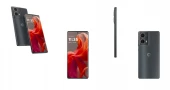
realme has always prioritized the design and build quality of their smartphones. And if you have any doubt about it, the 13 pro is Swiss SGS 5 stars rated in the drop protection category. Just like last year, the 13 Pro also boasts a design that can easily rival any flagship out there. The brand has collaborated with the MFA Boston to create Monet-inspired elements in the 13 Pro. The engraved camera ring and the frosted textured back are a clear testament to that.
The dimension of the device comes in at 161.3 mm by 73.9 mm by 8.2 or 8.4 mm depending on whether you go for the vegan leather or standard option. The weight is also pretty manageable at either 183.5 g or 188 g.
Read more: Motorola Moto G85 5G Review: A Flagship Grade Display on a Lower Mid-Range Smartphone
Ports and buttons are all in their usual space. However, just like the 12 Pro, the headphone jack and the card slot are missing on the 13 Pro as well.
The device will be available in three colorways, Monet Gold, Monet Purple, and Emerald Green. The 13 Pro is also IP65 water and dust-resistant.
The Display
The display on the 13 Pro is an AMOLED panel with 1B colors and 120Hz refresh rate. The resolution of the panel comes in at 1080 by 2412 pixels with 394 ppi density. The display also gets considerably bright at 600 nits typical, 1200 nits HBM, and 2000 nits of peak brightness.
Realme also claims to have achieved 20,000 levels of auto brightness and 2160 Hz PWM dimming to ensure optimum output at every lighting scenario.
Read more: Price Ranges of Wi-Fi Internet Routers for Home Use in Bangladesh
The near edge-to-edge screen is good enough for a 93% screen-to-body ratio. Additional features include a 5,000,000:1 contrast ratio, and 100% DCI-P3 color gamut Pro-XDR tech to ensure accurate color reproduction.
The display is protected by Corning Gorilla Glass 7i so you can rest assured about its durability.
The Camera
There’s a dual camera setup on the realme 13 Pro. The main camera is a 50 MP, f/1.9, 26mm wide-angle shooter with a 1/1.95" sensor size. The secondary camera is an 8 MP, f/2.2, 16mm, 112˚ ultrawide shooter with a 1/4.0" sensor size. The front camera is a 32 MP, f/2.5, 22mm wide-angle shooter.
realme has gone hard with AI this year. In addition to standard AI features like video and photo enhancements, there’s native object removal support, a directional audio enhancement feature on videos, and a Hyperimage+ feature for perfect backlit portrait shots. realme has also collaborated with Oscar-winning visual effects master Adam Valdez to fine-tune and perfect each of the features.
Read more: Apple iPhone 16 Series: Everything We Know So Far
The performance is near about what realme claims it to be. Pictures taken in daylight came out great with good details and dynamic range. The portrait mode was consistent with edge detection and bokeh effect, keeping things natural looking. The wide-angle shooter also performed similarly with slight softness at times. The front camera also produced decent social media selfies every time.
The dedicated night mode works pretty well with balanced exposure and details. It doesn’t blow up the subjects too much which is a great thing. realme seems to have perfected the balance where it doesn’t look artificial yet detailed enough for a crisp image.
The videography on the 13 Pro is rated at 1080p@30fps.
Read more: Oppo Reno 12 Pro 5G Review: Midrange Phone with AI Features
1 year ago
Nothing CMF Phone 1 Review: Budget-friendly Phone with Innovative Modular Design
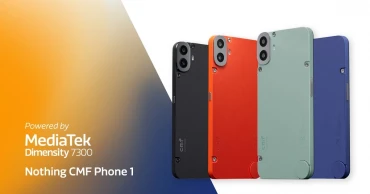
Last year Nothing launched CMF, a sub-brand aimed at catering to a wider range of consumers. While Nothing in itself was innovating consumer tech with glyph-interfaced smartphones and transparent headphones, the CMF line brought a more minimalist and affordable design to Nothing’s arsenal. CMF launched its first budget-friendly smartphone, the Phone 1 on 9th July 2024. Let’s take a detailed look at the key features, pros, cons, and price of the CMF Phone 1.
Key Specifications of Nothing CMF Phone 1
Design and Build Quality
Ever since Carl Pei left OnePlus and started Nothing, he has been on a quest for innovation. Arguably, the glyph interface on the Nothing Phones is either a gimmick or actually useful depending on users. But with the CMF Phone 1, there’s this modular design that opens a host of possibilities along with ensuring ease of reparability.
The smartphone has a removable case back bolted in place by screws. The accessory point at the bottom can be interchanged with either a stand, lanyard, or even a card case.
Read more: 7 Best Smartphones in Tk 35000-45000 Range in July 2024
The device itself comes in at 164 mm by 77 mm by 8.2 mm (standard vs vegan leather back). It’s also pretty lightweight at around 197 or 202 g. Ports and buttons are all as usual with extendable storage, an optical fingerprint sensor, and a secondary noise-cancellation mic. However, there is no headphone jack even at this price.
The device is also IP52 dust and water-resistant. In terms of design innovation in the budget-friendly segment, the CMF Phone 1 easily surpasses any of its competitors by miles.
The Display
The display on the Nothing CMF Phone 1 is a 6.67 inches Super AMOLED LTPS panel with a 120 Hz high refresh rate, Ultra HDR+, and 8-bit color. The high refresh rate is complemented by a 240 Hz touch sampling rate and 960 Hz of PWM dimming for ease of use. The panel comes in a 1080 by 2400 resolution which is good enough for 395 ppi density and 85.1% screen-to-body ratio.
Read more: Honor 200 Pro Review: A Flagship Camera Experience
Additional features include a 1000000:1 contrast ratio, 700 nits typical, and 2000 nits of peak brightness.
But the Phone 1 stands out from its peers because of its near-uniform front bezel. Nothing has managed to shrink the bottom chin to the point that it almost feels like a uniform display at first glance. The performance of the panel was also pretty great with good viewing angles and constant high refresh rate.
The Camera
There’s a dual camera setup on the Phone 1 with the main camera being a 50 MP f/1.8 shooter with PDAF. The secondary camera is a 2 MP f/2.4 depth shooter. The front camera is a 16 MP f/2.0 wide-angle shooter.
Read more: vivo iQOO Z9x 5G Review: Budget Meets Substance
While the Sony IMX882 and the 2 MP SmartSens SC202 sensors are modest at best. What’s impressive about the Phone 1 is the True Lens Engine 2.0. It’s a set of software features like Ultra XDR, AI vivid mode, night mode, and motion capture.
In terms of performance, the Phone 1 performs well in daylight conditions. We saw natural colors with good contrast and dynamic range. However, the details on the pictures weren’t as prominent. The portrait mode is also a hit or a miss at times as the camera stutters to separate the subject from the background. The nighttime photography was also decent thanks to the Ultra HDR rendering which did a pretty good job at exposure and details. The front camera was able to shoot decent social media-ready selfies each time.
The True Lens Engine slightly bumps up the quality of the images but it's nothing that would stand out in comparison with a flagship or even a mid-range smartphone.
Read more: Motorola Razr 50 Ultra Flip Phone Review: A Trip to Nostalgia
The videography on the Phone 1 is rated at 4K@30fps and 1080p@30/60fps. But the footage isn’t all that great as there are no stabilization options other than the gyro-EIS.
Processor and Performance
The CMF Phone 1 is running on Mediatek Dimensity 7300 based on a 4 Nm architecture. The octa-core processor has a 4x2.5 GHz Cortex-A78 & 4x2.0 GHz Cortex-A55 chip design with Mali-G615 MC2 GPU.
The Dimensity 7300 performs slightly better than the Snapdragon 782G in terms of raw performance. Day-to-day use on the Phone 1 was a breeze with no lags or stutters anywhere. Gaming was also decent as PUBG showed a stable frame rate at Smooth/Ultra settings. COD and Asphalt 9 ran at max settings without any issues.
Read more: Top 8 Smartphones Launching in August 2024: Features, Specs, and Release Dates
Its RAM power ranges from 6GB to 8GB. While the internal storage reaches up to 256GB starting from 128GB. CMF Phone 1 is available in three variants: 128GB by 6GB RAM, 128GB by 8GB RAM, and 256GB by 8GB RAM.
We also didn’t notice any strong heating issues as the Phone 1 has an elaborate liquid and graphite cooling system.
Benchmark
GeekBench 6: 1028 (single core); 2920 (multi-core)
Antutu 10: 646635
3DMark Wild Life: 3142
Read more: Oppo Reno 12 Pro 5G Review: Midrange Phone with AI Features
Software
The software on the CMF Phone 1 is Nothing OS 2.6 based on Android 14. The Nothing OS is unique with its dot-matrix layout and material design. There’s virtually no bloatware on the OS and everything runs smoothly with integrated essential features. This might be the best stock like Android skin out in the market if you prefer material aesthetics.
Nothing has committed to 2 years of software updates and 3 years of security patches for the CMF Phone 1.
Battery and Charge Time
The battery on the CMF Phone 1 is 5000 mAh. The device supports up to 33W wired fast charging and 5W reverse wired charging. The Phone 1 easily lasts a day of heavy use on a single charge.
Read more: Apple iPhone 16 Series: Everything We Know So Far
Pros and Cons of Nothing CMF Phone 1
Pros:
- 6.7 inches LTPS AMOLED panel - 120 Hz refresh rate - Modular design with attachment options - Interchangeable back - IP52 rating - Impressive performance - True Lens Engine 2.0 on the cameras
Cons:
- No video stabilization features other than gyro-EIS - No NFC - Single loudspeaker.
Read more: Price Ranges of Wi-Fi Internet Routers for Home Use in Bangladesh
Price of Nothing CMF Phone 1
The CMF Phone 1 is available in 6/128 GB and 8/128 GB variants in India. The prices are 15,999 and 17,999 INR respectively (with offers). It roughly translates to around 22,795 and 25,645 BDT respectively (1 INR = 1.42 BDT).
Verdict
The Nothing CMF Phone 1 is an impressive device for its price. The modular back and the attachment options open a door to possible accessories in the future. It's great to see some degree of innovation even in the budget-friendly segment.
The Phone 1 stands out in its display, processor, and design. The camera could have been better, but at an affordable price, the room to complain is much less. You can definitely pick this one up or alternatively go for Samsung Galaxy A35 or Xiaomi Redmi Note 13.
Read more: Motorola Moto G85 5G Review: A Flagship Grade Display on a Lower Mid-Range Smartphone.
1 year ago
Motorola Moto G85 5G Review: A Flagship Grade Display on a Lower Mid-Range Smartphone
When it comes to mid-range smartphones, Motorola has been consistent with their G series. Last year we had the Moto G84 with its impressive design, display, and performance. Motorola launched the updated G85 5G this year on 25th June 2024. Does the Motorola Moto G85 5G bring value for money performance with other upgraded features? Let’s check it out in detail.
Key Specifications of Motorola Moto G85 5G
Design and Build Quality
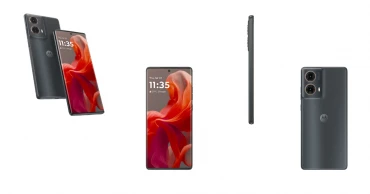
The design and build quality of the G85 is almost reminiscent of the outgoing G84. The near edge-to-edge front, tapering edges, matte back, and merging camera housing make the G85 stand out as uniquely Moto.
The dimension of the device comes in at 161.91 mm by 73.06 mm by 7.59 mm with around 171 g or 173 g weight (depending on the vegan leather option). As for the back, there’s either a PMMA/acrylic finish or a silicone/vegan leather finish. Both the variants use plastic as a base but the cover material exudes a premium feel to the hand.
Read more: Oppo Reno 12 Pro 5G Review: Midrange Phone with AI Features
Ports and buttons are all in their usual spot. There’s an extendable storage option through micro SDXC. However, there’s no headphone jack on the G85 which was one of the highlights on the G84. There’s a single nano-SIM configuration with an additional e-SIM option.
Motorola claims a water-repellent design on the G85 but they didn’t provide any certification for it.
The Display
The display is the biggest highlight of the G85. Unlike last year, the G85 features a near edge-to-edge curved panel. The 6.67 inches P-OLED display has 1B colors, 120 Hz high refresh rate, and 1600 nits of peak brightness. The panel has a 2400 by 1080 resolution with 395 ppi density. The 20:9 aspect ratio and curved panel account for a whopping 92.70% screen-to-body ratio.
Read more: Top 8 Smartphones Launching in August 2024: Features, Specs, and Release Dates
The 120 Hz refresh rate is also coupled with a 240 Hz touch sampling rate. Motorola has also included DCI-P3 color space SGS Blue Light Reduction and SGS Motion Blur Reduction technology for increased ease of use.
In terms of real-world use, the display on the G85 feels every bit like a flagship. The steady refresh rate, color calibration, and excellent viewing angles make the G85 a treat to use. The front glass is also protected by Corning Gorilla Glass 5 so you can rest assured about its durability.
The Camera
There’s a dual camera setup on the Moto G85. The main camera is a 50 MP, f/1.8 wide-angle shooter with a 1/1.95" sensor and 0.8µm pixels along with PDAF and OIS. The main sensor is the Sony LYT 600 which is commonly seen in mid-range devices. The secondary camera is an 8 MP, f/2.2, 118˚ ultrawide shooter with AF. The front features a 32 MP, f/2.4 wide-angle shooter.
Read more: How to Activate Earthquake Alerts on Android, iOS Phones
In terms of performance, the G85 punches above its weight. The main sensor can take some great photos in daylight and well-lit environments. The excellent dynamic range especially stands out due to its balance. There’s a good contrast, color reproduction, and details in each shot. However, the pictures may seem a bit overprocessed in subjects with a lot of colors. The portrait mode lacked a 2x feature. Other than that, it produced decent results.
The wide-angle shooter also performed well though it didn’t quite match the details and vividness of the main sensor.
The night mode on the G85 is the saver when it comes to night photography. It doesn’t over-expose the subjects but rather brings a good balance between details and exposure.
Read more: Motorola Razr 50 Ultra Flip Phone Review: A Trip to Nostalgia
The videography on the G85 is rated at 1080p@30fps. The included OIS does a pretty good job of stabilizing the footage.
Processor and Performance
The processor on the Moto G85 is Qualcomm SM6375 Snapdragon 6s Gen 3 based on a 6 Nm architecture. The 6s Gen 3 is a slightly upgraded version of the Snapdragon 695 5G in terms of raw performance.
The processor has a chip design of 2x2.2 GHz Kryo 660 Gold & 6x1.7 GHz Kryo 660 Silver with Adreno 619 GPU. The internal storage is UFS 2.2 which is a slight bummer considering the “ancient” read and write speed. The RAM is also relatively older at LPDDRX4.
Read more: vivo iQOO Z9x 5G Review: Budget Meets Substance
In tests, the processor performed similarly to last year's G84. Games like PUBG could be played at Smooth/Ultra settings with smooth frame rates and zero jitters. Free Fire and COD also performed well. However, Genshin Impact saw frame drops here and there with noticeable stutters in the gameplay at times.
The device did pretty well in heat management as we didn’t notice any thermal throttling.
Its RAM power ranges from 8 to 12 GB. Starting from 128GB its internal storage ranges up to 256GB. The Moto G85 is available in 8/128 GB and 12/256 GB configurations.
Read more: Honor 200 Pro Review: A Flagship Camera Experience
Benchmark
Antutu 10: 471,687
GeekBench 6: 926 (single core); 2145 (multi-core)
GFXBench T-Rex: 4949
PCMark: 11.6
Software
The Moto G85 is running on Android 14 with a custom Motorola skin on top. Motorola went with a stock-like UI without much customization. The lack of bloatware is complemented by useful stock Android features making it a great UI for stock enthusiasts. Motorola has also committed to up to 2 years of software updates on the G85.
Battery and Charge Time
The battery on the G85 is 5000 mAh. The battery is complemented by 30W if wired for fast charging. If you’re going with the Indian variant, you’ll get a 33W wired option. Motorola claims up to 34 hours of normal usage on a single charge. Claims aside, the G85 is easily an all-day device.
Read more: Apple iPhone 16 Series: Everything We Know So Far
Pros and Cons of Motorola Moto G85 5G
Pros
- 5G network - P-OLED display- Corning Gorilla Glass 5 protection- 120Hz refresh rate- Water-repellent design- 30W fast charging - Android 14 OS and NFC - Stereo speakers - Under-display fingerprint scanner.
Read more: Pirate-themed Video Games for Android, iOS
Cons
- No Wireless and reverse charging support- No optical zoom camera- No 4K video recording mechanism- Lacks Gyro-EIS support- No audio jack- Lacks custom UI- Heating issues may arise on heavy use.
Read more: 10 Best eBook Reader Apps for Android, iOS in 2024
Price of Motorola Moto G85 5G
Moto G85 5G is not officially available in Bangladesh now. In India, 8/128 GB and 12/256 GB variants prices are 17,999 INR and 19,999 INR respectively (with offers). It roughly translates to 25,564 BDT and 28,404 BDT (1 INR = 1.42 BDT). However, the official price of the Motorola Moto G85 in Bangladesh may vary due to tax and other issues.
Verdict
The Motorola Moto G85 5G brings several upgrades to its ancestor G84. Users now have a better camera, display, and processor. However, the omission of the headphone jack might be a bummer for many. In terms of performance, the G85 holds steady though a faster ROM and RAM would’ve benefitted the overall experience.
Xiaomi Redmi Note 13, Nothing CMF Phone 1, and the Samsung Galaxy M35 can be considerable alternatives at a similar price. However, the G85 still holds the edge in terms of the overall package. As for who this is for, anyone who’s looking for a durable lower mid-range device can easily pick up the Moto G85.
Read more: Price Ranges of Wi-Fi Internet Routers for Home Use in Bangladesh
1 year ago

Price Ranges of Wi-Fi Internet Routers for Home Use in Bangladesh
We all want fast internet, and the first step to getting high-speed internet starts with getting a good router. With all the many options out there, how do you know which router is perfect for you? From the host of features to confusing parameters, understanding routers can be daunting. Here, we have selected some popular routers available at different prices in Bangladeshi markets.
The Best Home Routers at Different Prices in Bangladesh
Around 1000 BDT
Mercusys MW302R 300 Mbps Ethernet Single-Band Wi-Fi Router
Let’s start the list with a basic single-band router from Mercusys. The MW302R is designed for single-home use ranging about 800 sq. ft. It is essential to test and reposition the router a few times to get the best signal, as it only has two antennas. The 300 Mbps speed is good enough for any optical fiber connection in Bangladesh.
Key Features
- Two 5 dBi antennas - Supports dynamic IP, static IP, PPPoE, PPTP, and L2TP- Wi-Fi 4th generation - Up to 10 concurrent users - IP and MAC Address Binding- IEEE 802.11b/g/n network standard - WAN-only internet connectivity - The price of the Mercusys MW302R is 1,050 BDT.
Read more: 7 Best Smartphones in Tk 35000-45000 Range in July 2024
D-Link DIR-615 Z1 300 Mbps Ethernet Single-Band Wi-Fi Router
D-Link is one of the more commonly known brands alongside TP-Link in Bangladesh. The DIR-615 Z1 is another basic single-band router best suited for home usage. Compared to the Mercusys, the DIR-615 Z1 covers approximately 1500 sq. ft. of area. The unidirectional rotating antennas make it easy to set up the router anywhere and still receive great signals in all corners.
Key Features
- Two 5 dBi antennas- Supports dynamic IP, static IP, PPPoE, PPTP, and L2TP- Wi-Fi 4th generation - Supports MIMO technology- Up to 15 concurrent users - IP and MAC Address Binding- IEEE 802.11b/g/n network standard - WAN-only internet connectivity - Dual Active Firewall (SPI and NAT) - The price of the D-Link DIR-615 Z1 is 1,070 BDT.
Read more: Top Home Electronics in Bangladesh for 2024: Simplify Your Life with These Smart Devices
TP-Link TL-WR820N 300 Mbps Ethernet Single-Band Wi-Fi Router
The TP-Link TL-WR820N is a very commonly used router at a budget price. The router covers around 800 sq. ft. of floor space, typically suiting a single-floor home. The specialty of the TL-WR820N is the functionality it brings to the table. In addition to being a router, the TL-WR820N can be used in Access Point Mode, Range Extender Mode, and WISP Mode.
Key Features
- Two 5 dBi antennas- Supports dynamic IP, static IP, PPPoE, PPTP, and L2TP- Wi-Fi 4th generation - Supports 2-by-2 MIMO technology- Up to 15 concurrent users - IP and MAC Address Binding- IEEE 802.11b/g/n network standard - IGMP proxy/snooping for a stabilised IPTV experience - QoS device prioritization - The price of the TP-Link TL-WR820N is 1,130 BDT.
Read more: Top Home Skincare Devices in Bangladesh: Transform Your Beauty Routine
Around 3000 BDT
TP-Link Archer C64 Wireless & Ethernet Dual-Band AC1200 Mbps Gigabit Router
At around 3000 BDT, the TP-Link Archer C64 is a great option for single-home use. The Archer line is known for its specialized high-speed transmission, making it ideal for streaming content or online gaming. The C64 ideally covers around 2500 sq. ft. If you’re planning to use a LAN connection, there are an additional 4 ports along with 1 WAN port.
Key Features
- Four 5 dBi antennas- Supports dynamic IP, static IP, PPPoE, PPTP, and L2TP- Wi-Fi 5th generation - Supports MU-MIMO and mesh technology- Up to 30 concurrent users - IP and MAC Address Binding- IEEE 802.11ac/n/a 5 GHz, IEEE 802.11n/b/g 2.4 GHz - Beamforming and QoS prioritization technology - The price of the TP-Link Archer C64 is 3,310 BDT.
Read more: CCTV Camera Buying Guide and Price Ranges in Bangladesh in 2024
TP-Link Deco E4 AC1200 Whole Home Mesh Wi-Fi System
The Deco E4 is unlike any router you’re used to seeing. The pod-like router has a cylindrical body whose top is shaped like the TP-Link logo. The E4 uses the unit mesh system to connect with other Deco units to create a seemingly unified network. This allows the router to work through any dead ends and ensure equal coverage in every corner of the home.
Key Features
- Two 5 dBi internal antennas- Supports dynamic IP, static IP, PPPoE, PPTP, and L2TP- Wi-Fi 5th generation - Supports 2 by 2 MIMO and mesh technology- Up to 100 concurrent users - 1500 sq. ft. of area coverage (single unit)- IP and MAC Address Binding- IEEE 802.11ac/n/a 5 GHz, IEEE 802.11n/b/g 2.4 GHz network standard - IGMP proxy/snooping for a stabilised IPTV experience - QoS device prioritization - SPI Firewall - 1200 Mbps transfer speed - The price of the TP-Link Deco E4 is 3,099 BDT.
Read more: Best TWS Earbuds Under Tk 1500: A Detailed Buyer’s Guide
Netis N2 AC1200 Mbps Gigabit Dual-Band Wi-Fi Router
The Netis N2 can be a great pick for those people looking for a standard router to cover a large floor space. The N2 covers up to 2500 sq. ft. area. However, it might be constricted a bit with barriers like walls and doors. The four antennas also do a great job of covering dead ends for seemingly equal performance in all corners.
1 year ago

Apple iPhone 16 Series: Everything We Know So Far
Apple has been consistent with its mid-September launch schedule over the years. Last year, the iPhone 15 series was announced on 12th September with pre-orders beginning just three days later. With less than a month to go for this year’s speculated release, here are some exciting and almost-confirmed changes we’ll see on the new iPhone 16 series.
Major Leaks and Rumors Regarding iPhone 16 series
An Upgraded Display
The iPhone 16 series is set to feature a larger and brighter display with even more reduced bezels than the 15 series. The new models are tipped to be 6.3 inches in the standard iPhone 16 and 16 Pro whereas the 16 Plus and 16 Pro Max will be bumped up to 6.9 inches. It’s a good 0.2-inch upgrade over the current variants.
It’s also tipped that the 16 series will feature new displays developed by Samsung. The new models are set to be even brighter thanks to the M14 OLED material on the micro-LED panel.
There was a rumor regarding the inclusion of an ultrasonic fingerprint sensor. However, the plan is reported to have been scrapped in favor of an overhauled Face ID system.
Read more: Best Free Personal Safety Android, iOS Apps for Women in 2024
New Camera System
There will be several changes to the camera system of the 16 series. The first and most obvious change comes in the base 16 and 16 Plus as they will now feature vertical camera lenses. The change isn’t just aesthetic as the vertical setup will allow the devices to shoot spatial videos compatible with the Vision Pro headset.
The 16 Pro will get the 5X telephoto zoom lens this time around which was reserved for the Pro Max variant last year. The ultrawide sensor will also be updated to a 48 MP sensor across the models. This is a highly anticipated upgrade as the iPhones had the same 12 MP ultrawide shooter since the 11.
There’s also an unreliable rumor about a larger main sensor and a super-telephoto lens for the Pro Max. But you’ll be better off taking that with a grain of salt.
Read more: Oppo Reno 12 Pro 5G Review: Midrange Phone with AI Features
New Buttons
Last year we saw the Action Button on the Pro models which replaced the long-standing and much-loved mute toggle. This year, Apple is making the Action Button a standard in all the models. And with that, the mute toggle is truly gone from the Apple design system.
But for those who like customization, the Action Button is set to include all the features from the 15 Pro series with a possible inclusion of a few more with the new iOS update.
Apple is also planning to include a Capture Button this year. It will be placed below the power button where your index finger generally would be while taking a landscape shot. The haptic-based mechanism will function as a focus, zooming, and capturing button depending on press strength. It's Apple’s way of mimicking traditional photography and bringing a sense of nostalgia into mobile photography.
Read more: Honor 200 Pro Review: A Flagship Camera Experience
A New Chip for Better AI and ML
The new 16 series will feature the updated Apple’s Bionic A18 chip. However, the chipset could be differentiated into A18 and A18 Pro for the standard and Pro variants. The souped-up version is expected to have more GPU cores than the standard one. The A18 Pro is also slated to have the next-gen neural engine for upgraded AI and ML capabilities. This will make way for future Apple Intelligence integration.
The new models will also feature a better thermal management system across all the options. The current iPhone models feature a copper-based heat dissipation solution. The new models, as tipped, will come with a graphene-based solution for better efficiency.
This is a much-needed upgrade considering how powerful the Apple chips are. Last year we noticed certain thermal throttling issues on the iPhone 15 series. Given the processor upgrade, the thermal management system upgrade also seems the logical solution.
Read more: vivo iQOO Z9x 5G Review: Budget Meets Substance
RAM Upgradation
iPhone has been stuck on 6 GB RAM for several iterations. That’s hopefully going to change with the iPhone 16 series as all the models are slated to come with a standard 8 GB RAM.
Latest Battery Technology
The iPhone 16 series will see the introduction of the stacked battery technology for the first time. Battery stacking is usually seen in EVs and medical equipment. It's still an emerging tech in smartphones which helps to save a lot of internal space.
The 16 series may also see the use of a stainless steel casing for the battery. It’ll increase the overall battery density by 10% which in turn means longer-lasting battery health. However, it is highly likely to be featured on one of the Pro variants.
Read more: Motorola Razr 50 Ultra Flip Phone Review: A Trip to Nostalgia
Reports coming out of China hint at a 2.5% to 6% increase in battery on the standard 16, 16 Pro, and Pro Max. The Plus however might see a battery decrement.
Unconfirmed reports also suggest the charging speed be bumped up to 40W wired and 27W MagSafe charging. The significant jump in charge speed makes us question its authenticity even more. But if it does happen, we’re all here for it.
New 5G Modem
Apple is reportedly going with Qualcomm's Snapdragon X75 modem for their Pro models this year. The X75 brings upgraded and advanced 5G capabilities with AI and ML integration. It is also reported to use 20% less circuit than the existing X70 modems making it more power efficient.
Read more: OPPO Reno 12 5G Review: Upholding the Legacy?
However, the standard 16 and 16 Plus will feature the X70 modem seen on the 15 series. Apple analyst Ming-Chi Kuo forecasts that this is the last year of Apple using third-party modems. We might see in-house 5G modems coming out with the 2025 iPhones.
Increased Price
An unfortunate report coming out of China is that the 16 series might see a price increment for all the models. Last year the production cost of the 15 series was already at an all-time high with a 16% increment over the 14 series. While Apple resorted to absorbing the cost, the same might not hold for the 16 series. As a result, there’s strong speculation of “The most expensive iPhones yet”.
Final Words
To be honest, the iPhone 16 series might not be the next big thing in Apple's innovation list. It's going to be just another incremental update over the 15 with minor spec bumps and new colorways. The Apple Intelligence is expected to show up sometime in Q4 this year, well after the launch of the 16 series. For now, all eyes are on a mid-September release date and the speculated release of the iPhone SE 4 and iPhone 17 Air next year.
Read more: Top 8 Smartphones Launching in August 2024: Features, Specs, and Release Dates
1 year ago

Oppo Reno 12 Pro 5G Review: Midrange Phone with AI Features
Oppo also vies to add AI features to its latest releases like other renowned brands. The Oppo Reno 12 Pro 5G has hit the market on 18th June, 2024. Besides offering essential features and functionalities, the phone extends its capacities by implementing several AI features. Let’s learn what the phone has to offer.
Key Features and Spes of Oppo Reno 12 Pro 5G
Design
The Oppo Reno 12 Pro 5G measures 161.5 mm by 74.8 mm by 7.4mm and weighs 180g. It has a plastic frame and back, with a two-texture partition on the rear panel. The device lacks a 3.5mm headphone jack, instead offering a USB-C port for connectivity. The power button and volume rocker are located on the right edge.
The camera bump on the back protrudes slightly but not excessively. The phone features an under-display fingerprint scanner, which may appear rotated if previously used in horizontal orientation. It comes in Space Brown (black), Sunset Gold (rose), or Nebula Silver (pinkish silver), though availability depends on the region. The Oppo Reno 12 Pro 5G has an IP65 rating, protecting against dust and water splashes.
Read more: Top 8 Smartphones Launching in August 2024: Features, Specs, and Release Dates
Display
The Oppo Reno 12 Pro 5G features a 6.7-inch AMOLED display with a resolution of 1080 by 2412 pixels (FHD+). The display is protected by the Corning Gorilla Glass Victus 2. The screen has a 120Hz refresh rate, providing smooth motion for scrolling and compatible applications. The display supports HDR10+ and offers a color gamut spanning a billion colors.
It has a maximum brightness of 1,200 nits. These specifications ensure that the screen can handle a wide range of color outputs and maintain visibility in bright conditions. The resolution and refresh rate are standard for contemporary smartphones, supporting the typical output of most apps. The large display size accommodates various uses, including media consumption and gaming.
Performance and Hardware
The Oppo Reno 12 Pro 5G is powered by the MediaTek Dimensity 7300 4nm Energy chipset, designed for energy efficiency and reducing GPU power consumption by 45% compared to the Reno 10. The CPU is combined with Mali-G615 MC2.
Read more: OPPO Reno 12 5G Review: Upholding the Legacy?
It has 12GB of RAM and 512GB of storage and features UFS 3.1 data transfer system. However, it has no expandable storage option.
In everyday use, the phone performs responsively with smooth navigation, though occasional animation stutters may occur during heavy multitasking.
For gaming, the device handles less demanding titles well but struggles with more intensive games like Genshin Impact, requiring lower settings to maintain stable performance. The phone's Geekbench 6 benchmark score averages 2,005, indicating lower mid-range performance.
Audio features include stereo speakers and Bluetooth 5.4 connectivity, but no 3.5mm headphone jack, requiring the use of a USB-C port for wired audio. The phone also includes a built-in game overlay with Pro Gamer mode, which slightly enhances gaming performance.
Read more: Motorola Razr 50 Ultra Flip Phone Review: A Trip to Nostalgia
Camera
The Oppo Reno 12 Pro 5G features a three-lens rear camera setup with a 50MP (f/1.8) main sensor, a 50MP (f/2.0) telephoto lens with 2x optical zoom, and an 8MP (f/2.2) ultra-wide lens. The main camera includes PDAF and OIS for enhanced focusing and stability.
The telephoto lens provides high-quality zoomed images, supporting up to 5x hybrid zoom and 20x digital zoom. The ultra-wide lens has a 112-degree field of view but delivers lower resolution and vibrancy. The front camera is a 50MP (f/2.0) sensor with a wide field of view and autofocus, producing detailed and vibrant selfies.
The camera system includes AI features like a magic eraser and object removal, although some advertised features were not available at the time of testing.
Video recording supports up to 4K at 30fps on rear and front lenses, with stabilization options and reliable autofocus, though lens switching during recording is not possible.
Read more: vivo iQOO Z9x 5G Review: Budget Meets Substance
Ai Features
The OPPO Reno 12 Pro 5G comes with several AI features, like Ai Summary, Ai Speak, Ai Writer, Ai Clear Voice, and so on. The AI Summary offers quick overviews of content, while AI Speak can read aloud on-screen text with customizable voice and playback options. With AI Writer, users can write email text from simple prompts. To ensure clear call quality, AI Clear Voice helps minimize background noise.
With the help of AI Recording Summary, users will be able to transcribe voice notes and recordings into detailed notes or editable transcripts. To enhance photography, AI Eraser 2.0 will remove unwanted objects from images, and the AI Studio app offers tools like AI Best Face, which corrects closed-eye issues in group photos, and AI Clear Face, which enhances the overall appeal of images.
Battery and Charger
The Oppo Reno 12 Pro 5G is equipped with a 5,000mAh battery, typical for mid-range smartphones. In practical use, the battery lasts about a day and a half, often extending close to two days with normal use.
Read more: Honor 200 Pro Review: A Flagship Camera Experience
This allows for extended gaming sessions without significantly draining the battery. The phone supports 80W wired charging, which can fully charge the device in just under 50 minutes. A half-hour charge provides enough power for a full day of use.
The Reno 12 Pro features reverse wired charging via its USB-C port, enabling it to charge other devices like smartwatches or headphones. While not particularly fast, this feature is convenient for keeping smaller gadgets powered on the go.
Pros and Cons of the Oppo Reno 12 Pro 5G
Pros
- 5G and NFC-enabled- 4K video recording with stabilization- Durable with Gorilla Glass and water resistance- 120Hz AMOLED display- Long battery life with fast charging- Latest Android OS with ColorOS- Excellent chipset performance- Great camera performance in various lighting- Reverse Wired Charging facility.
Read more: Xinji Nothing 3 Review: Amoled Smartwatch for 5000 Taka
Cons
- No wireless charging- No audio jack- No microSD card slot- No stereo speaker.
Price of the Oppo Reno 12 Pro 5G
The OPPO Reno 12 Pro 5G comes with a price tag of Rs 36,999 for the 12/256GB variant; while it costs Rs 40,999 for the 12/512GB variant.
Conclusion
The Oppo Reno 12 Pro 5G offers several good features, like a captivating design, an AMOLED display with a high refresh rate, and a powerful chipset. The 50MP main camera meets the general needs, and the AI features enhance usability. The battery ensures long usage, with fast charging to minimize downtime. However, plastic construction may dishearten some OPPO fans. If you want a mid-range smartphone with overall performance, you may consider the Oppo Reno 12 Pro.
Read more: 7 Best Smartphones in Tk 35000-45000 Range in July 2024
1 year ago

Top 8 Smartphones Launching in August 2024: Features, Specs, and Release Dates
With renowned global smartphone manufacturers set to unveil stunning new models packed with innovative features, August 2024 promises to be an exciting month for tech enthusiasts. Here’s a look at the top eight smartphones generating the most buzz this August.
A Rundown of the Most Anticipated Smartphone Releases from Leading Brands
ZTE Nubia Z60 Ultra Leading
The ZTE Nubia Z60 Ultra Leading is expected to hit the market on August 12, 2024. The phone will feature a 6.8-inch AMOLED display with 1116 by 2480 pixel resolution. Users will get a smooth touch response with 120Hz refresh rate, and HDR10 support.
It runs on Android 14 with MyOS 14.5, powered by the Snapdragon 8 Gen 3 4nm chipset with up to 24GB RAM and 1TB storage supporting UFS 4.0 mechanism.
Read more: vivo iQOO Z9x 5G Review: Budget Meets Substance
The phone includes a triple rear camera setup including two 50MP sensors and a 64MP sensor supporting 8K videography along with a 12MP under-display front camera.
It supports 5G, Wi-Fi 7, Bluetooth 5.4, and USB Type-C 3.1. The device has a 6000mAh battery with 80W wired charging. Among other features, the IP68 water resistance, stereo speakers, and various advanced positioning systems are notable.
Nothing Phone 2a Plus
The Nothing Phone (2a) Plus is set to launch on July 31, 2024. So, it can be counted as an August release. Users will find the phone available in the new grey and black colours. The device may feature a larger display and additional features compared to its predecessor.
The main chipset of the phone will be powered by a MediaTek Dimensity 7350 Pro SoC processor. The primary lens will be a 50MP shooter accompanying an assisting lens around. For the display, the phone will use a 6.7-inch AMOLED screen with a 120Hz refresh rate and 1300 nits brightness level. For the power supply, a 5000mAh battery will be added along with a 45W charger.
Read more: Honor 200 Pro Review: A Flagship Camera Experience
Honor X60i
The Honor X60i is rumoured to launch soon. It features a 6.7-inch IPS LCD with a 1080 by 2412 pixel resolution and 90Hz refresh rate. It runs on regular Android 14 with MagicOS 8 and is powered by the Mediatek Dimensity 6080 6nm chipset, which is an octa-core CPU using Mali-G57 MC2 GPU for managing graphics.
It offers 256GB or 512GB of internal storage with 8GB or 12GB RAM options, but no card slot. The dual rear camera setup includes a 50MP main sensor and a 2MP depth sensor, while the front camera is an 8MP shooter. It has a 5000mAh battery with 35W wired and reverse wired charging. Among other features, dual-band Wi-Fi, Bluetooth 5.2, and a side-mounted fingerprint sensor are noteworthy.
OnePlus Nord 4
The OnePlus Nord 4 is expected to release on August 8, 2024. Users will get a 6.74-inch Fluid AMOLED display with a resolution of 1240 by 2772 pixels and a 120Hz refresh rate. Running on Android 14 with OxygenOS 14.1, the phone ensures a stock user interface and navigation system, customizable through default and third-party features.
A Snapdragon 7+ Gen 3 chipset, assisted by 16GB RAM, will run all the operations in the phone. Users will be able to use 512GB storage, which ensures enough memory for essential apps.
Read more: Xinji Nothing 3 Review: Amoled Smartwatch for 5000 Taka
The dual rear camera setup includes a 50MP main sensor and an 8MP ultrawide sensor allowing 4K videography at maximum, while the front camera is 16MP.
It has a 5500mAh battery with 100W wired charging, dual SIM support, IP65 water and dust resistance, stereo speakers, NFC, and various positioning systems.
Motorola Edge 50 Neo
The Motorola Edge 50 Neo is another phone rumoured to hit the market soon. The phone features a 6.55-inch P-OLED display with a resolution of 1080 by 2400 pixels, 144Hz refresh rate, and HDR10+ support. It runs on Android 14 and is powered by the MediaTek Dimensity 7300 4nm chipset with up to 12GB RAM and 512GB storage.
The phone has a triple rear camera setup with a 50MP main sensor, a 10MP telephoto lens, and a 13MP ultrawide lens, along with a 32 MP front camera, both rear and front camera series capable of shooting 4K videos.
Read more: Smart Plugs Buyers’ Guide, Price Ranges in Bangladesh in 2024
It includes a 4310mAh battery with 68W wired charging, stereo speakers, and an under-display fingerprint sensor. The device is IP68-rated for dust and water resistance and supports dual SIM and eSIM options.
realme Narzo N61
Among all the soon-to-be-released budget-friendly phones, the realme Narzo N61 gets more attention for the satisfactory performance of its ancestors. The phone will feature a 6.74-inch IPS LCD with a resolution of 720 by 1600 pixels, a 90Hz refresh rate, and up to 560 nits brightness.
It will run on Android 14 with realme UI 5.0 and is powered by the Unisoc Tiger T612 12nm chipset, with 4GB of RAM and 64GB of internal storage, expandable via microSDXC.
The phone will have a single 32 MP rear camera with PDAF and a 5MP front camera. It will include a 5000mAh battery with 10W charging, dual SIM support, and will be IP54 dust and splash-resistant.
Read more: 7 Best Smartphones in Tk 35000-45000 Range in July 2024
Oppo A3X
The Oppo A3x, a highly anticipated upcoming phone, will feature a 6.67-inch IPS LCD with a resolution of 720 by 1604 pixels and a 120Hz refresh rate. Running on Android 14 with ColorOS 14, it will come with the MediaTek Dimensity 6300 6nm chipset. Users will have options to choose between a 128GB or 256GB internal storage. For RAM, users will get to pick among 4GB, 6GB, or 8GB variations.
The phone will have a dual rear camera setup with a 13MP main sensor and a 2MP depth sensor. The front camera will be an 8MP lens. A 5100mAh battery with 45W fast charging capacity will add to the overall versatility of the phone. Other important sensors and regular features will also be included.
Oppo Reno12 F 4G
The Oppo Reno12 F 4G, expected to be released at the end of July 2024, will feature a 6.67-inch AMOLED display with a resolution of 1080 by 2400 pixels and a 120Hz refresh rate. It will run on Android 14 with ColorOS 14 and be powered by the Qualcomm Snapdragon 685 6nm chipset. The phone will offer 256GB or 512GB of storage, expandable via microSDXC, and come with 8GB of RAM.
The rear camera setup will include a 50MP main sensor, an 8MP ultrawide lens, and a 2MP macro lens. The front camera will be 32MP. It will have a 5000mAh battery with 45W fast charging, dual SIM support, IP64 dust and water resistance, and a side-mounted fingerprint sensor. Connectivity options will include Wi-Fi, Bluetooth 5.0, GPS, and a USB Type-C port.
Read more: Motorola Razr 50 Ultra Flip Phone Review: A Trip to Nostalgia
Conclusion
August 2024 promises a full array of smartphone launches from renowned brands, featuring cutting-edge technologies and diverse functionalities. Highlights include the ZTE Nubia Z60 Ultra Leading with its impressive AMOLED display and Snapdragon 8 Gen 3 chipset, and the Nothing Phone 2a Plus with its MediaTek Dimensity 7350 Pro SoC.
The Honor X60i and OnePlus Nord 4 offer strong mid-range options, while the Motorola Edge 50 Neo and Realme Narzo N61 cater to those seeking performance and affordability. Oppo A3X and Oppo Reno12 F 4G will provide competitive features, ensuring a dynamic month for smartphone enthusiasts.
However, many specs and features of the aforementioned devices are collected from leaked and rumoured sources. The actual specifications can be known after the official global release of these phones.
Read more: OPPO Reno 12 5G Review: Upholding the Legacy?
1 year ago

OPPO Reno 12 5G Review: Upholding the Legacy?
The OPPO Reno series is known for its photography-centric devices. Following the success of the OPPO Reno 11 5G, OPPO has launched the Reno 12 5G, released on June 24. This latest model stands out with its new AI features. Let's dive into the overall specifications of the OPPO Reno 12 5G.
Key Features and Specs of the OPPO Reno 12 5G
Design
The Oppo Reno 12 5G presents a more simplistic and potent design than its predecessor. The rear panel uses a dual-tone rear panel, combining matte and glossy finishes separated by a metallic ribbon. Available in Sunset Gold and Space Brown, it weighs about 177 grams and measures 161.4 mm by 74.1 mm by 7.6 mm.
The primary camera panel on the back of the phone houses three distinctive lenses. The entire body is made of a plastic frame and plastic back. Notably, it includes an IP65 rating for dust and water resistance. The hybrid SIM slot supports either two SIM cards, one SIM card, and a microSD card.
Read more: vivo iQOO Z9x 5G Review: Budget Meets Substance
Despite its slim profile, the phone may pose grip issues, mitigated by the included soft TPU case. Overall, the Reno 12 is a robust yet elegantly designed smartphone.
Display
The Oppo Reno 12 5G features a 6.7-inch Quad Curved Full HD+ AMOLED display with a 120Hz dynamic refresh rate, 1080 by 2412 resolutions, and Corning Gorilla Glass 7i protection. Delivering vibrant colors and sharp visuals, the screen supports HDR10+ and peaks at 1200 nits brightness, ensuring readability even in harsh sunlight.
The display offers a good viewing angle and deep black levels, enhancing the overall capability of watching content like "Our Planet 2" and "Frieren: Beyond Journey's End." With comprehensive customization options, people will get Vivid, Natural, Cinematic, and Brilliant modes and an Adaptive Tone that adjusts based on ambient lighting.
Read more: Honor 200 Pro Review: A Flagship Camera Experience
Users will also get an in-display fingerprint sensor placed where they can reach it effortlessly.
Cameras
The primary camera setup has three main shooters- a 50MP (f/1.8), 26mm wide lens featuring multi-directional PDAF, an 8MP (f/2.22) ultrawide lens, and a 2MP (f/2.4) macro lens. With features like HDR and panorama included, the phone promises to capture moments in vividity.
The selfie camera is a 32MP (f/2.0) wide lens that also supports the panorama and HDR modes.
Both primary and secondary lenses have gyro-EIS enabled and provide 4K video shooting capability at 30 frames per speed.
Read more: Xinji Nothing 3 Review: Amoled Smartwatch for 5000 Taka
Performance and Hardware
The Oppo Reno 12 5G is powered by Android 14 with ColorOS 14.1, running on the Mediatek Dimensity 7300 Energy chipset (4 nm) with an octa-core CPU and Mali-G615 MC2 GPU. Available in 256GB with 8GB or 12GB RAM, and 512GB with 12GB RAM configurations, it supports microSDXC expansion and utilizes UFS 3.1 storage.
The robust chipset and ample RAM options ensure smooth performance and multitasking. For gaming enthusiasts, the device delivers impressive performance with the Mali-G615 MC2 GPU, providing seamless graphics rendering and high frame rates.
Read more: Smart Plugs Buyers’ Guide, Price Ranges in Bangladesh in 2024
AI Features
The OPPO Reno 12 5G is packed with a suite of advanced AI features. The AI Summary feature provides quick content overviews, while AI Speak reads aloud on-screen content with customizable voice and playback settings. AI Writer assists in generating email text using simple prompts. For clear call quality, AI Clear Voice reduces background noise.
The AI Recording Summary transcribes voice notes and recordings into detailed notes or editable transcripts. Photography is enhanced with AI Eraser 2.0, which removes unwanted objects from images, and the AI Studio app, which includes AI Best Face to correct closed-eye issues in group photos and AI Clear Face to enhance image appeal.
Battery and Charger
The battery on the Oppo Reno 12 has brought remarkable improvement over the prior ones. In a battery loop test, it lasted for a day on moderate use. With 80W fast charging support, it charges up to 56% in just 18 minutes and 100% in only 46 minutes.
Read more: 7 Best Smartphones in Tk 35000-45000 Range in July 2024
Pros and Cons of OPPO Reno 12 5G
Pros
- 5G and NFC-enabled- Android 14 OS with ColorOS 14.1 UI- Supports 4K video recording and gyro-EIS- 120Hz refresh rate- IP65 Water and dust resistance- Outstanding camera quality- Corning Gorilla Glass 7i protection- 80W fast charging support- Reverse charging facility.
Read more: Vivo Y28 4G Review: Is it a value-for-money smartphone?
Cons
- Plastic frame and back- No wireless charging- Missing audio jack
Price of OPPO Reno 12 5G
The 8/256GB version of the OPPO Reno 12 5G is about 32,999 rupees in India.
Read more: OnePlus Nord CE 4 Lite 5G Review: Know the Pros and Cons
Conclusion
The Oppo Reno 12 5G is a robust and elegantly designed smartphone that excels in performance, display, and camera. Featuring a sleek dual-tone design, a 6.7-inch AMOLED display, and Corning Gorilla Glass 7i protection, it promises durability and vibrant visuals. Powered by the Mediatek Dimensity 7300 Energy chipset, it delivers smooth multitasking and impressive gaming performance. The phone boasts advanced AI features and a long-lasting 5000 mAh battery with fast charging. Its photo and video quality are standard.
However, plastic frame may dishearten OPPO lovers. The provision of wireless charging and an audio jack could make it a better deal.
On the whole, the OPPO Reno 12 5G remains a compelling choice for people looking for a lower mid-range camera-centric smartphone experience.
Read more: Motorola Razr 50 Ultra Flip Phone Review: A Trip to Nostalgia
1 year ago

Motorola Razr 50 Ultra Flip Phone Review: A Trip to Nostalgia
In the early 2000s, the Razr lineup took the world by storm with the Razr V3. The feature phone was the slimmest flip phone with a futuristic design that looked decades ahead. Over two decades later, the Razr line now represents cutting-edge foldable smartphones from Motorola. The new Razr 50 Ultra was released on June 25, 2024, as a successor to last year’s 40 Ultra. Here’s a detailed take on this year’s flip from Moto.
Key Specs of Motorola Razr 50 Ultra
Design and Build Quality
By all means, the Razr 50 Ultra brings a similar aesthetic to the bygone era of feature flip phones. The same compact form factor has now incorporated a large cover display and a foldable inner display, among a host of other improvements.
The device has a dimension of 73.99 mm by 171.42 mm by 7.09 mm (open) and 73.99 mm by 88.09 mm by 15.32 mm (closed). The effective weight comes in at 189 g with a 6000 series high-strength aluminum frame, Gorilla Glass Victus front, and a vegan leather back.
Read more: Honor Magic 6 Pro: Is It a Value for Money Smartphone?
The 50 Ultra brings improvements over last year's 40 Ultra in several aspects. Users will now get a larger cover display, a revamped camera system, and an improved stainless steel hinge mechanism. The crease on the inner display looks even more minimal than last year, visible only under direct light.
Ports and buttons are all in their usual positions. As with all flip phones, the in-display fingerprint scanner is scrapped in favor of a side-mounted power button. This year, the device's IPX8 water and dust resistance has also improved. The 50 Ultra will be available in four color options, Midnight Blue, Spring Green, Peach Fuzz, and Hot Pink.
The Display
Both the cover and inner display on the 50 Ultra use the LTPO AMOLED panel, which has been a trademark choice for Motorola in its high-end offerings. The cover display now comes in at 4 inches with a 1272 by 1080 pixels resolution, 417 ppi, and a 165 Hz refresh rate. It also supports a 100% DCI-P3 color gamut, while the inner screen bumps it up to 120%. This is by far one of the largest cover displays among any flip phone out there.
Read more: Samsung Galaxy S24 Review: Striking Balance Between Flagship Features and Price
The inner display comes in at 6.9 inches with 1B colors, Dolby Vision, a 165Hz high refresh rate, HDR10+, and 3000 nits of peak brightness. The resolution is 1080 by 2640 pixels with a 413 ppi density. The aspect ratio on the inner screen is 85.33% due to the tall aspect ratio of 22:9.
Both the cover and inner screen look every bit flagship-worthy. Especially the cover screen, which now supports Google Maps, photos, and Gmail natively. Other apps are available as widgets. App functions are also seamlessly transitioned between the cover and inner screen, making it convenient to use at a glance.
The Camera
There’s a dual camera setup on the 50 Ultra, with the main camera being a 50 MP, f/1.7, 24mm wide-angle shooter with a 1/1.95" sensor. The secondary camera is a 50 MP, f/2.0, telephoto lens with a 1/2.76” sensor. It supports up to 2x optical zoom.
Read more: vivo iQOO 12 Review: Flagship Killer or a Flagship Itself?
The front camera is a 32 MP f/2.4 wide-angle shooter.
In terms of performance, the camera won’t exactly blow you away. Foldable and flip phones have a track record of prioritizing cameras less, and the 50 Ultra is no different. But it's an improvement over the 40 Ultra.
The main camera can take well-exposed and detailed pictures in daylight. The color balance and contrast were on point, with great dynamic range. However, the white balance appears to be a bit saturated, which doesn’t translate to natural images.
Read more: 7 Best Smartphones in Tk 35000-45000 Range in July 2024
The low-light performance was also pretty decent, thanks to the night mode. The details may look a bit oversharpened when zoomed in, but other than that, it was a smooth sail.
As for the front camera, it also produced decent selfies. However, you can easily use the main 50 MP camera as your selfie cam thanks to the large cover screen.
The videography on the 50 Ultra is rated at 4K at 30/60fps and 1080P at 30/60/120/240/960fps. It supports HDR10+ thanks to the OIS and EIS of the main shooter.
Read more: Honor Pad 9 Tablet: Is It Worth Buying?
Processor and Performance
The processor on the 50 Ultra is Qualcomm SM8635 Snapdragon 8s Gen 3 based on a 4 Nm architecture. It has a chip design of 1x3.0 GHz Cortex-X4, 4x2.8 GHz Cortex-A720 & 3x2.0 GHz Cortex-A520 with an Adreno 735 GPU.
On paper, the 8s Gen 3 is slightly below the flagship 8 Gen 3 and more on par with the outgoing 8 Gen 2. But in day-to-day use, you’ll hardly notice any difference. Gaming titles like PUBG and Genshin Impact could be easily played at max settings. Optimized titles like Asphalt 9 ran smoothly without any hiccups.
However, the thermal management hasn’t been great on the 50 Ultra. As is typical of most flip phones, this device also suffers from thermal throttling. We noticed a 51% rating on the CPU throttling test, which isn’t all that great.
Read more: Meizu 21 Review: A Detailed Look at the Latest Flagship Killer
Benchmark
Geekbench 6: 1866 (single-core); 4441 (multi-core)
Antutu 10: 1140567
3D Mark Wild Life: 12024
The Razr 50 Ultra falls short of the Samsung Galaxy Z Flip 5 and the Motorola Edge 50 Ultra in all the benchmarks except for the 3D Mark test.
Software
The Razr 50 Ultra is running Hello UI based on Android 14. It is an AOSP UI with several of Moto’s in-house additions. The tweaks are neatly arranged in the Moto Hub, including Smart Connect options. Motorola has committed to 3 years of major software updates and 4 years of security patches.
Battery and Charge Time
The Motorola Razr 50 Ultra comes with a 4000 mAh battery. The relatively smaller battery can be charged up by the included 45W TurboPowerTM charging support. Additionally, the device supports 15W of wireless charging and 5W of reverse wireless charging.
Read more: Xiaomi Civi 4 Pro Review: A Camera-focused Smartphone with Flagship-level Specs
Pros and Cons of Motorola Razr 50 Ultra
Pros:
- Foldable LTPO AMOLED panel with FHD+ resolution- 165 Hz refresh rate on both the cover and inner screen- Larger cover screen- Up to 3000 nits of HBM- Stereo speakers- Upgraded camera system- IPX8 water resistance- 45W wired fast charging, 15W wireless charging, and 5W reverse charging.
Cons:
- No headphone jack- Thermal throttling issues- Cameras are still not on par with traditional flagships- Lower battery life.
Read more: Motorola Edge 50 Pro Review: A Competent Mid-Range Smartphone
Price of Motorola Razr 50 Ultra
The Razr 50 Ultra is available in only 12/512 GB variants. The price of the device is 94,999 INR (with a discount). It roughly translates to around 1,33,127 BDT (1 INR = 1.40 BDT). However, the official price of the Motorola Razr 50 Ultra in Bangladesh may vary depending on tax and other issues.
Verdict
The Razr 50 Ultra brings a host of improvements in terms of the hinge mechanism, cover display, inner crease, and camera. With its improvements, the 50 Ultra feels like a strong contender to this year’s industry-leading flip phone, the Galaxy Z Flip 6. Although the Razr falls short in terms of performance and other metrics, it also comes at a reduced price point.
If you are looking for a solid flip phone with a dash of Razr nostalgia from the yester-decades, then the Motorola Razr 50 Ultra will be an easy pick for you. But if budget is not an issue, the Flip 6 would still be a better deal overall.
Read more: Top 10 Smartphones Coming in July 2024
1 year ago
vivo iQOO Z9x 5G Review: Budget Meets Substance
iQOO first emerged in the smartphone industry as a sub-brand of vivo. Under vivo, the brand brought industry-leading R&D capabilities and supply chains to new customers. The Z series from iQOO stands out as a high-budget option with significant performance capabilities. The latest in the lineup, the Z9x 5G was recently launched on 29th April 2024. Here’s a detailed take on the vivo Z9x 5G.
Key Specifications of the vivo iQOO Z9x
Design and Build Quality
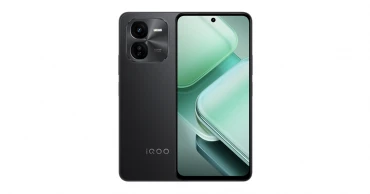
The Z9x is a plastic-built smartphone all around. However, the sophistication of the design elements makes everything unique about the device. The frosted textured back (“planetary orbit” according to iQOO), the sunburst camera module, and the flat frames make for a stylish design.
The dimension of the device comes in at 165.7 mm by 76 mm by 7.99 mm with 199 g weight. As a high-budget smartphone, the headphone jack and the card slot are on the Z9x. The power button doubles as the fingerprint scanner as the screen has no optical sensor.
Read more: Xinji Nothing 3 Review: Amoled Smartwatch for 5000 Taka
The porthole camera and the slight chin at the bottom of the display are streamlined with previous Z series smartphones. Needless to say, the design has adjusted enough to the changing landscape.
The Z9x also boasts IP64 water and dust resistance for accidental splashes. The device is available in two colors, Mystic Black and Northern Green.
The Display
The display on the Z9x is a 6.72-inch IPS LCD panel with 120Hz high refresh rate and 1000 nits of peak brightness. The FHD+ panel has a resolution of 2408 by 1080 pixels with about 393 ppi density. The relatively smaller chin accounts for an 86.4% screen-to-body ratio.
Additionally, the panel boasts about 83% NTSC color saturation. However, it does not support the DCI-P3 color gamut.
Read more: Smart Plugs Buyers’ Guide, Price Ranges in Bangladesh in 2024
As a sub-25 K smartphone, the lack of an AMOLED display might be a deal breaker for some. But if you can overlook that, the color accuracy, viewing angles, and overall smoothness of the display are praiseworthy.
The Camera
There’s a dual camera setup on the Z9x. The main camera is a 50 MP, f/1.8, wide-angle shooter with a 1/1.95" sensor. The secondary sensor is a 2 MP f/2.4 depth sensor. The front camera is a generic 8 MP, f/2.1 sensor.
In terms of performance, the Z9x holds up nicely for its price. The pictures taken in the daylight were well-detailed with decent exposure. One thing that stood out was the color vibrancy of the images. Regardless of the subject, the images tend to have a vibrant pop of color. At times, it might look and feel artificial, depending on the subject. Zooming on the images also shows over-sharpening issues at times, even with decent lighting.
Read more: 7 Best Smartphones in Tk 35000-45000 Range in July 2024
As for nighttime images, the included night mode is the saving grace here. Pictures with the night mode came out well-exposed and detailed. However, the post-processing produces overall soft images to roll out the grains.
As for the front camera, the portrait mode worked well thanks to the dedicated depth sensor.
The maximum videography capacity on the iQOO Z9x phone’s rear and front cameras are rated at 4K and 1080P respectively. The gyro-EIS helps slightly to stabilize the footage. But you’ll probably need a dedicated gimbal for proper videography with this camera.
Processor and Performance
The processor on the Z9x is Qualcomm SM6450 Snapdragon 6 Gen 1 based on a 4 Nm architecture. The Gen series brought an overhaul in the naming convention, with more or less the same increment as before. The octa-core processor has a chip design of 4x2.2 GHz Cortex-A78 & 4x1.8 GHz Cortex-A55 with Adreno 710 GPU.
Read more: Vivo Y28 4G Review: Is it a value-for-money smartphone?
In terms of day-to-day use, the Z9x breezes past activities like browsing the web, watching videos, or scrolling social media. Games like PUBG were stable on the Smooth Extreme setup. There weren’t any frame drops unless there were deliberate high graphics usage moments in the game. Genshin Impact was also playable, but it had far more frame drops and jitters compared to PUBG. Highly optimized games like Asphalt 9 and COD ran without any issues.
The device did, however, heat up quite a bit in each gaming session. But it didn’t affect the overall performance.
Benchmark
GeekBench 6: 933 (single core); 2799 (multi-core)
Antutu 10: 580645
Software
The iQOO Z9x runs on Funtouch OS 14, based on Android 14. Funtouch OS came a long way to becoming more optimized and streamlined with the stock Android experience. However, it still has its distinct features, like the app retainer, redesigned split-screen, and media locking. iQOO promises up to 50 months of smooth usage thanks to the newly optimized OS.
Read more: OnePlus Nord CE 4 Lite 5G Review: Know the Pros and Cons
Battery and Charge Time
The vivo iQOO Z9x is powered by a large battery featuring 6000 mAh. It’s one of the largest in its class and can be easily topped up using the supported 44W wired charging system. Surprisingly, the Z9x also supports reverse charging, which isn’t all that common in this price range.
Pros and Cons of the vivo iQOO Z9x
Pros:
- IPS LCD panel with 120 Hz high refresh rate- Capable dual camera system- 4K video recording capabilities- Audio jack and extendable micro SDXC- Snapdragon 6 Gen 1 processor- 6000 mAh battery with 44W wired charging- Side-mounted fingerprint scanner- IP64 water and dust resistance.
Cons:
- No ultrawide or zoom lens- No NFC support- Outdated UFS 2.2 storage system- No rated front glass protection.
Read more: Top Home Electronics in Bangladesh for 2024: Simplify Your Life with These Smart Devices
Price of the vivo iQOO Z9x
The iQOO Z9x is available in the 8/128 GB variant in India. The price is 16,630 INR (with a discount). It roughly translates to 23,348 BDT (1 INR = 1.40 BDT).
Verdict
The vivo iQOO Z9x, with its high refresh rate display, dual camera setup, and 5G capabilities, brings a lot to be hopeful about. Especially, its Snapdragon processor performs better than the similarly powered Helio options.
On the other hand, minor shortcomings like the lack of a faster read-write speed are the only mentionable drawbacks of the device. On the whole, anyone looking for a solid daily driver with slight gaming capabilities at a budget price can easily pick up the vivo iQOO Z9x 5G.
Read more: Honor 200 Pro Review: A Flagship Camera Experience
1 year ago