gadget

realme C75 Review: What Does This Budget Smartphone Offer?
The realme C series has solidified its reputation for delivering value-packed, budget-friendly smartphones, and the latest release, the realme C75, continues this trend. Launched on November 27, 2024, this entry-level device introduces a few noteworthy features that set it apart in the crowded market. Here’s a deep dive into the realme C75’s key specifications, standout features, pros and cons, and pricing in Bangladesh.
Key Features and Functionalities of realme C75
.
Design
The realme C75 is a sturdy phone with a plastic body and a matte back panel. It weighs 196 grams, making it lightweight and easy to carry. The standout feature is its IP69 rating, offering strong resistance to dust and water. The phone also has ArmourShell Tempered Glass for scratch and impact protection.
Additionally, it meets MIL-STD-810H standards, which helps protect against drops, vibrations, and temperature changes. Its size measures 165.7 mm by 76.2 mm by 8 mm. It is smaller than the rival Redmi 14C (171.9 mm by 77.8 mm by 8.2 mm).
Read more: Infinix Hot 50 Pro Plus Review: A Feature-Packed Budget-friendly Contender
Display
The realme C75 features a 6.72-inch IPS LCD screen with a resolution of 1080 by 2400 pixels. The display is sharp and clear, with a peak brightness of 690 nits, making it usable even in bright sunlight. Its 90Hz refresh rate allows for smooth scrolling and navigation, which is better than the common 60Hz found in most budget phones.
However, compared to the Samsung Galaxy A16, which has a 6.7-inch Super AMOLED screen, the realme C75 lacks the deeper blacks and vibrant colors of AMOLED technology. The Xiaomi Redmi 14C offers a larger 6.88-inch IPS LCD with a higher refresh rate of 120Hz, but its resolution and brightness are lower than the realme C75.
Cameras
The realme C75 has a dual-camera setup with a 50MP (f/1.8) main sensor and an unspecified secondary lens. The main camera performs well in bright conditions, capturing detailed and sharp images. It also includes night mode, which reduces noise for better low-light photos.
Read more: Xiaomi Redmi K80 Review: Key Features, Pros, Cons, and Price in Bangladesh
The front camera is 8MP (f/2.0) and produces decent selfies, but the rear camera lacks clarity.
Video recording on the realme C75 supports 1080p at 30fps, but stabilization could be improved.
In comparison, the Samsung Galaxy A16 offers a triple-camera system, including a 50MP main lens, ultrawide, and macro options, providing more versatility. The Xiaomi Redmi 14C also features a 50MP main camera but has a higher-resolution 13MP front camera for sharper selfies.
Hardware and Performance
The realme C75 is powered by the MediaTek Helio G92 Max chipset, paired with 8GB of RAM. This hardware handles tasks like browsing and app switching smoothly. It runs on Android 14 with realme UI 5.0, which has a simple and easy-to-use design.
Read more: vivo X200 Pro Review: Redefining Smartphone Photography and Performance
In comparison, the Xiaomi Redmi 14C uses the Helio G81 Ultra, which is slightly less powerful than the G92 Max but sufficient for general use.
On the other hand, the Samsung Galaxy A16 has a more advanced Helio G99 chipset, offering better processing speeds for demanding tasks. While the realme C75 performs well for its price, it doesn’t match the performance of the Galaxy A16 but holds an edge over the Redmi 14C in terms of hardware capabilities.
Battery and Charger
The realme C75 has a 6000mAh battery, providing long-lasting usage. It can handle a full day of activities like navigation, photography, and social media, with plenty of charge remaining. The phone supports 45W fast charging, allowing it to reach 80% in about 30 minutes, which is convenient for quick recharges. It also offers the reverse wired charging facility.
Read more: 9 Best Smartphones to Watch Out for in December 2024
In comparison, the Samsung Galaxy A16 has a smaller 5000mAh battery with 25W charging, which takes more time to charge fully. The Xiaomi Redmi 14C also has a 5160mAh battery but only supports 18W charging, making it slower than the realme C75.
The larger battery, faster charging and reverse wired make the realme C75 more suitable for users who need extended usage without frequent recharging.
Pros and Cons of realme C75
Pros
- 6000mAh battery, 45W wired, and reverse wired charging- IPS LCD, 90Hz refresh rate.- ArmorShell glass, always-on display.- IP68/IP69 water and dust resistance.- Android 14, realme UI 5.0.- Side-mounted fingerprint scanner.- Dual speakers, OTG support.- Dedicated microSDXC slot.
Read more: Honor X7c Review: A Budget-friendly Powerhouse for Everyday Use
Cons
- No 5G or NFC.- Limited for gaming and multitasking.- No wireless charging.- No 4K video recording.- Lacks Gyro-EIS.- Average camera setup.
Price of realme C75 in Bangladesh
The realme C75 is officially available at BDT 19,999 in Bangladesh. However, the price is subject to change.
Conclusion
The realme C75 is a well-rounded budget-friendly smartphone with notable features like a 6000mAh battery, 45W fast charging, and a 6.72-inch 90Hz IPS LCD. Its sturdy design, IP69 water and dust resistance, and ArmorShell glass add durability. Powered by the Helio G92 Max chipset and running Android 14 with realme UI 5.0, it delivers smooth performance for everyday tasks.
Read more: realme GT7 Pro Review: Speed, Style, and Gaming Excellence at a Competitive Price
While the 50MP camera performs well in bright conditions, it lacks versatility compared to its competitors. Though it falls short on 5G, wireless charging, and advanced gaming, the realme C75 stands out with its battery life, charging speed, and durability in its price range.
1 year ago

Infinix Hot 50 Pro Plus Review: A Feature-Packed Budget-friendly Contender
Chinese brand Infinix Mobile has gained a reputation for delivering value-for-money smartphones. 50 Pro+, released in November 2024, is another addition to its Hot series focusing on budget-friendly phones with attractive features. Let’s dive into the key features, pros, cons, and pricing of the Infinix 50 Pro Plus in Bangladesh.
Key Specs of the Infinix Hot 50 Pro Plus
.
Design and Build Quality
The Infinix Hot 50 Pro+ boasts a sleek and lightweight design. Measuring 164.1 mm by 74.4 mm by 6.8 mm and weighing only 162 g, it feels comfortable to hold, thanks to its slim profile. The glass front, plastic back, and plastic frame contribute to its durability while maintaining affordability.
The IP54 rating adds dust and splash resistance which is an attractive feature considering its price range.
Read more: Xiaomi Redmi K80 Pro Review: The Ultimate Flagship Killer of 2024?
The available colour options—Sleek Black, Titanium Grey, and Dreamy Purple—offer something for every taste. Compared to its higher-priced sibling, the Infinix Note 40 Pro+, which features a more premium eco-leather back, the Hot 50 Pro+ focuses on simplicity and functionality.
Display Quality
The 6.78-inch AMOLED display on the Infinix Hot 50 Pro+ aims to deliver an immersive experience with 1B colours, a 120 Hz refresh rate, and a peak brightness of 1300 nits. This ensures vibrant visuals with excellent contrast, whether you are streaming videos or scrolling through social media. The Corning Gorilla Glass provides durability against everyday wear and tear.
Compared to the Infinix Note 40 Pro+, which has a similar-sized AMOLED display but with slightly better HDR support, the Hot 50 Pro+ holds its ground by offering superior brightness.
Read more: Xiaomi Redmi K80 Review: Key Features, Pros, Cons, and Price in Bangladesh
However, the similarly priced competitor Honor X7c falls short with its 720p IPS LCD, making the Hot 50 Pro+ the better choice for display enthusiasts. On the other hand, a slightly higher-priced rival, realme Narzo 70 Turbo edges out with its HDR support and 2000-nit peak brightness, which enhances the viewing experience under direct sunlight.
Camera Performance
The Hot 50 Pro+ features a 50 MP main camera, a 2 MP depth sensor, and an unspecified third lens, complemented by a dual-LED flash. The camera excels in well-lit environments, delivering sharp and detailed photos. However, low-light performance could use some improvement, as noise becomes evident in darker settings. Its rear sensor’s maximum video shooting capacity is 1440p at 30fps which matches the Infinix Note 40 Pro+ and outperforms the Honor X7c. The 13 MP front camera on the Hot 50 Pro+ offers standard service for selfies, though its video recording capacity remains unspecified.
However, the Infinix Note 40 Pro+ stands out with its 108 MP primary sensor with OIS, delivering superior clarity and stability, especially in challenging lighting. The Honor X7c also has a 108 MP camera, but it lacks advanced features like OIS, which slightly diminishes its appeal. Meanwhile, the realme Narzo 70 Turbo takes a different route with a 50 MP main sensor but offers 4K video recording and gyro-EIS, making it a strong contender for video creators. And, the 32 MP front camera on the Note 40 Pro+ offers 1440p of maximum video recording capacity.
Read more: vivo X200 Pro Review: Redefining Smartphone Photography and Performance
Processor Performance
At the heart of the Hot 50 Pro+ lies the MediaTek Helio G100 processor, built on a 6 nm process. It features an octa-core CPU with 2 high-performance Cortex-A76 cores and 6 efficiency-focused Cortex-A55 cores. While it is efficient and capable of handling everyday tasks and moderate multitasking with ease, it is not the most powerful chipset in its class.
The Note 40 Pro+, powered by the MediaTek Dimensity 7020 6nm, delivers better performance, particularly in handling resource-intensive applications and high-end gaming. The realme Narzo 70 Turbo goes a step further with its Dimensity 7300 Energy 4nm chipset, which offers faster speeds and better energy efficiency, making it a preferred choice for power users. The Honor X7c, running on the Snapdragon 685 6nm provides almost similar performance.
Gaming Performance
The Hot 50 Pro+ handles games like PUBG Mobile and Call of Duty: Mobile at medium settings with smooth frame rates. It is not a gaming powerhouse but is sufficient for casual gaming enthusiasts. Extended gaming sessions show minimal overheating, thanks to efficient thermal management.
Read more: vivo iQOO Neo10 Review: A Gaming Powerhouse? Key Specs, Features, and Price in Bangladesh
In contrast, the Note 40 Pro+ and Narzo 70 Turbo outperform the Hot 50 Pro+ in gaming due to their more powerful GPUs and higher-performing CPUs. Both phones can handle more demanding games like Genshin Impact at higher settings without significant frame drops. The Honor X7c falls behind, struggling with intensive gaming due to its mid-tier Snapdragon chipset.
Battery Life
The 5000 mAh battery on the Infinix Hot 50 Pro+ is a standout feature, easily lasting a full day of moderate to heavy use. The 33W fast charging brings the battery to 50% in just 26 minutes, which is decent but not groundbreaking.
The Note 40 Pro+, despite having a smaller 4600 mAh battery, compensates with 100W fast charging, enabling a 50% charge in just 12 minutes. The realme Narzo 70 Turbo, with a similar 5000 mAh battery, offers faster 45W charging, making it a better choice for users prioritizing quick top-ups. The Honor X7c comes with a larger 5200-6000 mAh battery (depending on the market), providing exceptional endurance but slower 35W charging, which might frustrate impatient users.
Read more: Samsung Galaxy A16 5G Review: Value-for-Money or Just Another Upgrade?
The 10W reverse wired charging and Bypass charging option make the Infinix Hot 50 Pro+ an attractive package for budget-conscious users. However, realme Narzo 70 Turbo and Honor X7c lack the reverse wired charging facility.
Software and User Interface
Running on Android 14 with XOS 14.5, the Hot 50 Pro+ offers a clean and intuitive user interface. The system includes customizable features, themes, and smooth animations, though occasional bloatware might annoy some users.
Compared to the Note 40 Pro+, which also runs XOS but offers more extended software updates, the Hot 50 Pro+ may fall behind in longevity. Honor X7c, with its MagicOS 8, and the Realme Narzo 70 Turbo, with Realme UI 5.0, provide equally polished experiences but cater to different aesthetic preferences. The Realme UI stands out for gamers with performance optimizations, while MagicOS focuses on a seamless ecosystem for Honor device users.
Read more: 9 Best Smartphones to Watch Out for in December 2024
Storage Options
The Hot 50 Pro+ provides storage options of 128GB or 256GB, paired with 8GB of RAM, and supports expansion via a microSD card slot. This makes it a versatile option for users who need more space for photos, videos, or apps.
The Note 40 Pro+ lacks expandable storage but compensates with higher internal storage configurations of 256GB and 512 GB. Similarly, the realme Narzo 70 Turbo offers up to 256GB of internal storage with UFS 3.1, which is faster than the UFS 2.2 on the Hot 50 Pro+. The Honor X7c has unspecified microSD support, making it less transparent in terms of storage flexibility.
Pros and Cons of Infinix Hot 50 Pro Plus
.
Pros
- 6.78-inch AMOLED display with 120 Hz refresh rate- 5000 mAh battery with 33W fast charging- Expandable storage with a dedicated microSD slot- Android 14 interface with XOS 14.5 customizations- Reverse wired charging facility.
Read more: Honor X7c Review: A Budget-friendly Powerhouse for Everyday Use
Cons
- Low-light camera performance could be better- Helio G100 processor lags behind competitors in power- No 5G support- Slight frame drops in demanding games- Unspecified video recording capacity of front sensor- Lacks advanced features like wireless charging- Pre-installed bloatware may annoy some users.
Price of Infinix Hot 50 Pro Plus
The Infinix Hot 50 Pro Plus (8/256GB) is priced at around BDT 23,999. However, the price is subject to change.
Conclusion
The Infinix Hot 50 Pro Plus comes with impressive features like a standard display, lightweight body, solid battery life, reverse wired changing, water/dust resistance, etc.
However, it lacks 5G support and struggles with demanding tasks. It is not suited for heavy gamers or those needing flagship-level features. If you are looking for a high-performance smartphone in gaming and photography, check out the Infinix Note 40 Pro+ and realme Narzo 70 Turbo.
Read more: realme GT7 Pro Review: Speed, Style, and Gaming Excellence at a Competitive Price
On the whole, the Infinix Hot 50 Pro Plus is a budget-friendly choice for casual users seeking good display and camera performance for everyday use.
1 year ago

Xiaomi Redmi K80 Pro Review: The Ultimate Flagship Killer of 2024?
The Xiaomi Redmi K80 Pro, launched on November 27, 2024, adds a powerful contender to Redmi’s popular K Series lineup. Positioned as the latest "flagship killer," this mid-range powerhouse boasts a multitasking gaming processor, a high-resolution display, reliable cameras, and a massive battery with fast-charging capabilities. Dive into the features, pros, cons, and pricing of the Xiaomi Redmi K80 Pro to see if it lives up to the hype in Bangladesh.
Key Specs of Xiaomi Redmi K80 Pro
.
Design
The Redmi K80 Pro features a glass and metal construction, offering a sleek and durable build. Its dimensions are 160.3 mm by 75 mm by 8.4 mm, with a thickness of 8.4 mm, making it relatively slim for a device in its class. Weighing either 212 g or 217 g, the phone feels heavier compared to the approximate 199g weight of the Honor 200 Pro and the OnePlus Nord 4.
The phone is available in multiple finishes, including Black, White, and a distinctive Lamborghini edition, providing users with varied aesthetic choices.
Read more: Xiaomi Redmi K80 Review: Key Features, Pros, Cons, and Price in Bangladesh
The device supports dual SIM functionality with Nano-SIM slots and dual stand-by capability. Furthermore, the Redmi K80 Pro is IP68 certified, ensuring resistance to dust and water, withstanding immersion up to 2.5 meters for 30 minutes.
Display
The Redmi K80 Pro is equipped with a 6.67-inch OLED display that supports 68 billion colours. It has a resolution of 1440 by 3200 pixels, higher than the Honor 200 Pro (1224 by 2700 pixels), and OnePlus Nord 4 (1240 by 2772 pixels), maintaining a 20:9 aspect ratio and a pixel density of approximately 526 PPI. Its screen achieves a high screen-to-body ratio of around 89.3%, offering an expansive viewing area.
K80 Pro features a refresh rate of 120Hz, Dolby Vision, and HDR10+ for enhanced visual standards. The display has a peak brightness of 3200 nits, with 1800 nits in high brightness mode (HBM), ensuring visibility under varying lighting conditions. Longjing Glass 2 protects the screen, adding durability and resistance against damage.
Read more: vivo X200 Pro Review: Redefining Smartphone Photography and Performance
Hardware and Performance
The Redmi K80 Pro is powered by the Snapdragon 8 Elite chipset, built on a 3nm architecture. The powerful chipset easily outperforms most other 4nm processors. Its octa-core processor includes two Oryon V2 Phoenix L cores clocked at 4.32 GHz and six Oryon V2 Phoenix M cores at 3.53 GHz, offering a balance of performance and efficiency. Graphics are handled by the Adreno 830 GPU, designed to support demanding applications and gaming.
Snapdragon 8 Elite is more powerful than Honor 200 Pro’s Snapdragon 8s 3rd Gen and OnePlus Nord 4’s Snapdragon 7+ 3rd Gen chipsets. Therefore, it can be expected that Redmi K80 Pro’s gaming performance will outperform the Honor 200 Pro and OnePlus Nord 4.
The device runs on Android 15 with HyperOS 2, enabling efficient system management and customization. Storage configurations include 256GB to 1TB, paired with 12GB or 16GB of RAM, leveraging UFS 4.0 technology for fast read and write speeds. These specifications ensure smooth multitasking, fast app loading, and optimal gaming performance.
Read more: vivo iQOO Neo10 Review: A Gaming Powerhouse? Key Specs, Features, and Price in Bangladesh
Cameras
The Redmi K80 Pro features a triple-camera system designed for versatile photography and videography. The primary 50 MP wide camera has an f/1.6 aperture, a 24mm focal length, a 1/1.55" sensor, and a 1.0µm pixel size. It supports dual-pixel PDAF and optical image stabilization (OIS) for clear and detailed images. The 50 MP telephoto lens, with an f/2.0 aperture and 60mm focal length, provides 2.5x optical zoom and PDAF with a focus range starting from 10cm to infinity.
The ultrawide 32 MP lens features an f/2.2 aperture, a 15mm focal length, and a 120˚ field of view for capturing wide-angle scenes.
K80 Pro’s video recording capability reaches up to 8K at 24fps with gyro-EIS for stability; while the Honor 200 Pro and OnePlus Nord 4 can capture 4k footage at maximum.
The front 20 MP wide camera supports HDR and gyro-EIS, recording 1080p video at 30/60fps. Additional features include LED flash, HDR, and panorama modes. However, it lags behind Honor 200 Pro’s 50MP selfie sensor offering a maximum of 4k video recording capacity.
Read more: Samsung Galaxy A16 5G Review: Value-for-Money or Just Another Upgrade?
Battery and Charger
The Redmi K80 Pro is equipped with a non-removable Si/C 6000mAh battery, designed to support extended usage. Its battery size is bigger than the Honor 200 Pro (5200mAh) and the OnePlus Nord 4 (5500mAh).
The device supports 120W wired charging, is compliant with PD3.0 and QC3+ standards, and enables a full charge in approximately 28 minutes, as advertised.
The phone includes 50W wireless charging, providing an alternative charging method for users who prefer wireless setups. This combination of high-capacity battery and fast charging options ensures efficient energy management and flexibility for various charging preferences.
However, the Honor 200 Pro offers reverse wired and reverse wireless charging facilities. The provision of these features could make the K80 Pro a better deal.
Read more: 9 Best Smartphones to Watch Out for in December 2024
Audio and Connectivity
The Xiaomi Redmi K80 Pro features stereo speakers with Hi-Res audio and Snapdragon Sound for enhanced wireless audio quality. It supports Wi-Fi 7, Bluetooth 6.0, and NFC, offering advanced connectivity options. The device includes dual-frequency GPS, GLONASS, BDS, GALILEO, QZSS, and NavIC for accurate navigation.
However, the lack of a 3.5mm headphone jack might be inconvenient for some users. Instead, it supports high-quality wireless audio codecs such as aptX HD, aptX Adaptive, aptX Lossless, and LHDC 5. Connectivity ports include a USB Type-C with OTG support, but there is no FM radio.
Pros and Cons of the Redmi K80 Pro
Pros
- 5G and NFC support- IP68 dust/water resistance and Longjing Glass 2- FHD+ OLED display, 120Hz refresh- 68B colors, 3200 nits brightness- Android 15 with HyperOS 2- Powerful gaming chipset- 2.5x optical zoom, Ultrawide lens- 8K video with gyro EIS- 6000mAh battery- 120W wired, 50W wireless charging- Stereo speakers, infrared port.
Read more: Honor X7c Review: A Budget-friendly Powerhouse for Everyday Use
Cons
- No audio jack- No microSDXC slot- No reverse charging- Selfie camera limited to 1080p video
Price of Redmi K80 Pro in Bangladesh
K80 Pro is unofficially available at around 65000 Tk. The official price of the Xiaomi Redmi K80 Pro in Bangladesh may vary due to tax and other issues.
Conclusion
The Xiaomi Redmi K80 Pro is a premium mid-range smartphone launched on November 27, 2024. It boasts a durable glass-metal design, a vibrant 6.67-inch OLED display with 120Hz refresh, and Longjing Glass 2 protection. Powered by the Snapdragon 8 Elite chipset, it excels in gaming and multitasking. The triple-camera system includes a 50 MP primary lens and 8K video capabilities. It has a 6000mAh battery, 120W wired, and 50W wireless charging, which ensures long-lasting usage. While it supports advanced connectivity options, it lacks a 3.5mm headphone jack, microSDXC slot, and reverse charging.
Read more: realme GT7 Pro Review: Speed, Style, and Gaming Excellence at a Competitive Price.
1 year ago
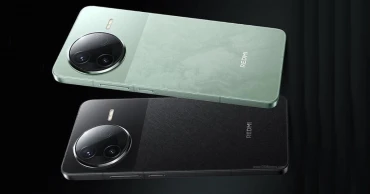
Xiaomi Redmi K80 Review: Key Features, Pros, Cons, and Price in Bangladesh
Xiaomi unveiled its highly anticipated Redmi K80 series on November 27, 2024, as part of its year-end special release. The Redmi K80, positioned in the mid-budget smartphone segment, brings exciting new features to Xiaomi’s popular K series lineup. In this review, we dive into the standout features, advantages, drawbacks, and pricing of the Xiaomi Redmi K80, specifically in the Bangladesh market.
Key Specs of Redmi K80
.
Design
The Xiaomi Redmi K80 features a robust and functional design. It measures 160.3 mm by 75 mm by 8.1 mm and weighs 206 grams, which is heavier than its two prime competitors, the Pixel 8a (188g) and Reno 12 Pro (180g).
Its dimensions provide a balanced profile, while the IP68 rating ensures protection against dust and water ingress, with resistance up to 2.5 meters for 30 minutes. The build incorporates Corning Gorilla Glass 7i, enhancing durability against scratches and impacts.
Read more: vivo X200 Pro Review: Redefining Smartphone Photography and Performance
The dual SIM configuration supports Nano-SIM cards with dual standby functionality. Available in Black, White, Mint, and Blue, the device offers varied color options to suit individual preferences. The overall construction prioritizes a sturdy feel while maintaining a slim 8.1 mm thickness. These features collectively highlight the practical and useful aspects of the Redmi K80's design.
Display
The Xiaomi Redmi K80 features a 6.67-inch OLED display with a resolution of 1440 by 3200 pixels, delivering a pixel density of approximately 526 ppi. Supporting 68 billion colors, Dolby Vision, and HDR10+, the display is engineered to handle a wide range of dynamic content. The screen refreshes at 120Hz, enhancing motion clarity and fluidity.
With a peak brightness of 3200 nits and a high brightness mode of 1800 nits, it offers clear visibility under various lighting conditions. Both Pixel 8a and Reno 12 Pro fail to match the maximum brightness level of the Redmi K80. The display covers 89.3% of the front panel, providing a high screen-to-body ratio.
Read more: vivo iQOO Neo10 Review: A Gaming Powerhouse? Key Specs, Features, and Price in Bangladesh
Cameras
The Xiaomi Redmi K80 features a dual-camera system on the rear, comprising a 50 MP primary sensor with an f/1.6 aperture, dual-pixel phase detection autofocus (PDAF), and optical image stabilization (OIS) for enhanced image stability and detail capture. Complementing this is an 8 MP ultrawide lens, suitable for capturing broader scenes.
While the Reno 12 Pro uses a 50MP main shooter, it overperforms the Redmi K80 by introducing a second 50MP telephoto lens. The Pixel 8a offers two primary lenses, including a 64MP wide lens providing more power.
The camera system supports features such as LED flash, HDR, and panorama. For video recording, it offers a maximum of 8K footage at 24fps with gyro-EIS for stabilization surpassing both Pixel 8a and Reno 12 Pro.
Read more: Samsung Galaxy A16 5G Review: Value-for-Money or Just Another Upgrade?
On the front, the device includes a 20 MP wide-angle camera with HDR support, capable of recording videos at 1080p resolution at 30 or 60fps. This setup focuses on versatility and technical performance.
Hardware and Performance
The Xiaomi Redmi K80 is powered by the Qualcomm SM8650-AB Snapdragon 8 Gen 3 chipset, fabricated on a 4nm process, providing efficient performance. This chipset is stronger than Pixel 8a (Google Tensor G3) and Reno 12Pro’s (Mediatek Dimensity 7300) processors.
The octa-core CPU of K80 consists of one 3.3 GHz Cortex-X4 core, three 3.2 GHz Cortex-A720 cores, two 3.0 GHz Cortex-A720 cores, and two 2.3 GHz Cortex-A520 cores, ensuring optimized multitasking and computational power.
Read more: 9 Best Smartphones to Watch Out for in December 2024
Graphics processing is handled by the Adreno 750 GPU, designed to support demanding visual tasks and gaming. The device runs on Android 15 with HyperOS 2, offering a modern software environment. Storage options include UFS 4.0 technology, available in configurations up to 1TB with 16GB of RAM, ensuring high-speed data access and sufficient capacity for intensive applications. Memory expansion via card slot is not supported.
Battery and Charging
The Xiaomi Redmi K80 is equipped with a 6550mAh silicon-carbon battery, designed for long-lasting performance. The battery is non-removable and supports 90W wired charging, compatible with Power Delivery 3.0 (PD3.0) and Quick Charge 3+ (QC3+) standards, allowing for rapid charging. The fast-charging capability efficiently reduces downtime, enabling users to quickly recharge the device when needed.
K80 outwins Pixel 8a and Reno12 Pro in battery and wired charging capacity but lacks reverse charging and wireless charging options.
Read more: Honor X7c Review: A Budget-friendly Powerhouse for Everyday Use
Though wireless charging is not supported in K80, the inclusion of high-speed wired charging mitigates this limitation. The substantial battery capacity is tailored for extended usage, accommodating power-intensive applications and activities. This setup focuses on providing reliability and efficient energy management within the hardware framework.
Audio and Connectivity
The Xiaomi Redmi K80 offers comprehensive audio and connectivity options. It features stereo speakers with support for Hi-Res audio and Snapdragon Sound for high-quality wireless audio streaming. Connectivity capabilities include Wi-Fi 7 for high-speed internet access, and Bluetooth 5.4 with support for advanced codecs like aptX HD, aptX Adaptive, aptX Lossless, and LHDC 5, ensuring versatile audio and data connections.
Additional features include NFC for contactless transactions and an infrared port for remote-control functionality. The device also supports a USB Type-C port with OTG functionality for data transfer and peripheral connectivity. Positioning systems cover a wide range of standards, including GPS, GLONASS, BDS, GALILEO, QZSS, and NavIC. The absence of a 3.5mm headphone jack is noted, though compensated by wireless audio options.
Read more: realme GT7 Pro Review: Speed, Style, and Gaming Excellence at a Competitive Price
Pros and Cons of the Xiaomi Redmi K80
.
Pros
- 5G connectivity- FHD+ OLED display, 120Hz refresh rate- 3200 nits brightness, 68B colors- Corning Gorilla Glass 7i protection- Android 15 with HyperOS 2- Snapdragon 8 Gen 3 chipset for gaming and multitasking- 8K video recording with gyro-EIS- IP68 dust and water resistance- 6550mAh battery, 90W fast charging- Under-display fingerprint scanner- Stereo speakers- NFC, infrared port.
Cons
- No wireless or reverse charging- No optical zoom camera- Selfie camera records only 1080p- No microSDXC slot- No audio jack.
Read more: ZTE Blade A55 Review: Affordable Excellence with Modern Features
Price of Redmi K80 In Bangladesh
K80 is available at around Tk 50000. However, the official price of the Xiaomi Redmi K80 in Bangladesh may vary due to tax and other issues.
Conclusion
The Redmi K80 provides a well-rounded package with its vivid display, powerful Snapdragon 8 Gen 3 chipset, and robust 6550mAh battery, catering to gamers, multitaskers, and tech enthusiasts. While it lacks features like wireless charging and a telephoto lens, these omissions are understandable within its price segment.
For those seeking a standard performance at mid-budget price range, the Xiaomi Redmi K80 stands out as a compelling option. However, users prioritizing specific premium features may need to explore higher-tier alternatives.
Read more: Walton NexG N74 Review: A Competitive Budget-friendly Smartphone Worth Considering
1 year ago
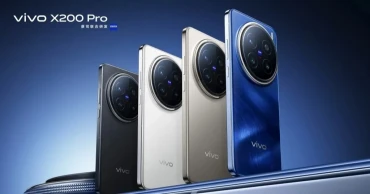
vivo X200 Pro Review: Redefining Smartphone Photography and Performance
Reputed Smartphone brand vivo has been consistently pushing boundaries in smartphone innovation. The X200 Pro is the latest addition to its X series flagship smartphones. Launched on 19 October 2024, this premium device promises a leap in camera technology, display quality, and overall performance. Let’s delve into this detailed review of the vivo X200 Pro and consider whether it is a value-for-money smartphone.
Key Features of vivo X200 Pro
.
Design and Build Quality
The vivo X200 Pro boasts a sleek and refined design. It maintains a comfortable yet premium feel with dimensions of 162.4 mm by 76 mm by 8.2 mm and a weight of 223g to 228g. The aluminium alloy frame combined with a glass back ensures durability and luxury. vivo also includes IP68/IP69 dust and water resistance, making the phone suitable for adventurous users.
Compared to the vivo X100 Pro, the X200 Pro feels more compact and lightweight, while retaining a similar high-end build. However, the similarly priced competitor Huawei Mate 70 Pro takes the edge in durability, with its ability to withstand water up to 6 meters deep, thanks to its enhanced IP69 rating. X200 Pro’s another rival, Google Pixel 9 Pro XL offers Gorilla Glass Victus 2 on both front and back for extra protection, but its design is slightly bulkier.
Read more: vivo iQOO Neo10 Review: A Gaming Powerhouse? Key Specs, Features, and Price in Bangladesh
Display Quality
The vivo X200 Pro sports a 6.78-inch LTPO AMOLED display with 1260 by 2800 pixels resolution and a peak brightness of 4500 nits. Its 120Hz refresh rate and HDR10+ support make it ideal for multimedia consumption and gaming. The colours are vivid, and the brightness is more than sufficient for outdoor visibility.
When compared to the vivo X100 Pro, the X200 Pro’s display outshines with its higher peak brightness (4500 nits vs. 3000 nits), making it a better choice for outdoor viewing.
The Huawei Mate 70 Pro has a slightly larger (6.9-inch) screen, higher screen resolution (1316 by 2832 pixels), with a lower (2500 nits) brightness. Meanwhile, the Google Pixel 9 Pro XL offers a comparable (6.8-inch) screen size, higher resolution ( 1344 by 2992 pixels) but a lower (3000 nits) peak brightness compared to X200 Pro.
Read more: 9 Best Smartphones to Watch Out for in December 2024
Camera Performance
The vivo X200 Pro is a photography beast, featuring a triple-camera setup: a 50MP (f/1.6) primary sensor with a variable aperture, a 200MP (f/2.7) periscope telephoto lens, and a 50MP, 119-degree ultrawide lens (f/2.0).
Night mode is extraordinary, capturing details with minimal noise, while its 8K video at 30fps recording capability (available in China) is a standout feature.
In comparison, the vivo X100 Pro features a similar 50MP primary sensor but lacks the variable aperture, making its low-light performance slightly inferior. The Huawei Mate 70 Pro excels with its wide-aperture (f/1.4–f/4.0) primary camera and consistent performance across lighting conditions. However, its telephoto capabilities (3.5x optical zoom) fall short of the X200 Pro’s 3.7x zoom. The Google Pixel 9 Pro XL, renowned for its computational photography, delivers sharp and true-to-life images but does not offer the same level of hardware flexibility as the X200 Pro.
Read more: 8 Best Gaming Smartphones Released in 2024 So Far
In the front camera section, X200 Pro’s 32MP (f/2.0 sensor) surpasses Mate 70 Pro’s 13 MP camera but falls behind Pixel 9 Pro XL’s 40 MP sensor.
Processor Performance
The vivo X200 Pro is powered by the cutting-edge MediaTek Dimensity 9400 (3 nm) chipset, featuring an octa-core CPU and Immortalis-G925 GPU. It handles everything from demanding apps to AI tasks with ease, showing a significant 20% performance improvement over the Dimensity 9300 in the vivo X100 Pro.
The Huawei Mate 70 Pro, with its Kirin 9020 processor, provides reliable performance but falls slightly behind in graphical rendering during intensive gaming sessions. The Google Pixel 9 Pro XL, equipped with the Tensor G4 chipset, excels in AI-driven tasks but is not as powerful in raw performance, particularly for gaming.
Read more: Honor X7c Review: A Budget-friendly Powerhouse for Everyday Use
Gaming Performance
The vivo X200 Pro is a gamer’s delight. Its high refresh rate display, advanced cooling mechanisms, and GPU optimisation ensure smooth gameplay, even in graphically intense titles like Call of Duty: Mobile and Genshin Impact.
When pitted against the vivo X100 Pro, the X200 Pro has superior thermal management, preventing throttling during long gaming sessions. The Huawei Mate 70 Pro, while competent, lacks the sustained GPU performance required for marathon gaming. The Google Pixel 9 Pro XL offers a good gaming experience but is let down by its smaller battery and less efficient cooling system.
Battery Life
The vivo X200 Pro houses a robust 6000mAh battery with support for 90W wired and 30W wireless charging. A full charge lasts an entire day with heavy usage, and the 90W charger ensures you are back up in no time. Compared to the vivo X100 Pro, which has a slightly smaller 5400mAh battery but faster 100W wired charging, the X200 Pro offers more endurance for power users.
Read more: Best Gaming Laptops of 2024 So Far: Top Picks for Every Gamer
The Huawei Mate 70 Pro has a respectable 5500mAh battery with 100W wired and 80W wireless charging, making it ideal for users who value faster wireless speeds. The Google Pixel 9 Pro XL lags behind with its 5060mAh battery and slower 37W wired charging, though it compensates with its efficient software optimization.
Software and User Interface
Running on Android 15 with FunTouch OS 15 (or OriginOS 5 in China), the vivo X200 Pro delivers a feature-rich and customizable user experience. The software feels smooth and intuitive, though some may find the bloatware a minor inconvenience.
The vivo X100 Pro offers a similar UI experience but without the latest optimizations available in FunTouch OS 15. The Huawei Mate 70 Pro runs HarmonyOS 4.3, which is feature-packed but lacks access to Google services, a potential dealbreaker for some users. The Google Pixel 9 Pro XL, on the other hand, provides the cleanest Android experience with guaranteed software updates for up to 7 years.
Read more: realme GT7 Pro Review: Speed, Style, and Gaming Excellence at a Competitive Price
Storage Options
The vivo X200 Pro provides generous storage configurations, ranging from 12 to 16 GB RAM power and 256 GB to 1TB internal storage capacity supported by UFS 4.0 mechanism for blazing-fast read/write speeds.
Compared to the vivo X100 Pro, which offers similar configurations, the X200 Pro has better performance optimizations. The Huawei Mate 70 Pro and Google Pixel 9 Pro XL also offer up to 1TB of storage, but the Pixel’s UFS 3.1 technology lags behind in speed, particularly for demanding tasks.
Pros and Cons of vivo X200 Pro
Pros
- 6.78-inch 2K AMOLED display with 120Hz refresh rate- 200MP periscope telephoto camera with 3.7x optical zoom- MediaTek Dimensity 9400 chipset- 6000mAh battery with fast 90W wired charging- Premium design with durable IP68/IP69 water and dust resistance- Advanced cooling system- Multiple storage options, up to 1TB with UFS 4.0 technology- Reversed and wireless changing option.
Read more: ZTE Blade A55 Review: Affordable Excellence with Modern Features
Cons
- No 3.5mm headphone jack- Lacks expandable storage via SD card- FunTouch OS still has unnecessary bloatware- Slightly heavy at 223g, which may not suit all users- 8K video recording limited to specific regions (China only)- Higher price point compared to many competitors.
Price of vivo X200 Pro in Bangladesh
The X200 Pro is unofficially available at around 1,10,000 Tk. However, the official price of the vivo X200 Pro in Bangladesh may vary due to price and other issues.
Final Words
The vivo X200 Pro excels with its stunning display, exceptional cameras, and powerful performance, but its price and bloatware may deter casual users. It is ideal for photographers, gamers, and power users seeking top-tier specs. However, budget-conscious buyers or those preferring a minimalist UI might look elsewhere.
Read more: Walton NexG N74 Review: A Competitive Budget-friendly Smartphone Worth Considering
1 year ago

vivo iQOO Neo10 Review: A Gaming Powerhouse? Key Specs, Features, and Price in Bangladesh
vivo’s iQOO brand has solidified its reputation for producing high-performance smartphones tailored for tech enthusiasts and gamers alike. The Neo series, known for delivering flagship-level features at competitive prices, welcomes its latest contender: the iQOO Neo10, launched in China on November 29, 2024. With cutting-edge gaming capabilities, enhanced performance, and a focus on value for money, the Neo10 aims to capture attention in the mid-range market. Here’s a comprehensive breakdown of vivo iQOO Neo10's specs, strengths, weaknesses, and pricing in Bangladesh.
Key Features of the vivo iQOO Neo10
.
Design and Build Quality
The iQOO Neo10 retains a sleek and modern design, measuring just 8mm in thickness and weighing between 199g and 206g depending on the variant. The curved edges and premium finish feel luxurious in hand, although the plastic frame is less appealing compared to the aluminium frame on the Xiaomi Redmi K80.
The Neo10 offers three vibrant colours—black, white, and orange. While the Huawei Nova 13 edges ahead with its slimmer profile (7 mm) and splash resistance, the Neo10's sturdier build suits it better for everyday wear and tear.
Read more: Samsung Galaxy A16 5G Review: Value-for-Money or Just Another Upgrade?
Display Quality
Sporting a 6.78-inch LTPO AMOLED display, the iQOO Neo10 delivers breathtaking visuals with a 144Hz refresh rate and HDR10+ certification. It also features a peak brightness of 4500 nits, making it one of the brightest displays on the market. In display size, refresh rate, and outdoor visibility, it outperforms the Xiaomi Redmi K80 and Huawei Nova 13.
While the Xiaomi Redmi K80 offers a slightly sharper resolution at 1440 by 3200 pixels and Dolby Vision support, the Neo10's LTPO panel with 1260 by 2800 resolutions enables dynamic refresh rates for improved power efficiency.
The Redmi K80’s display is protected by Corning Gorilla Glass 7i featuring IP68 dust/water resistance. However, Neo10 doesn’t offer such essential features.
There is no significant improvement in iQOO Neo10’s display compared with the ancestor iQOO Neo9 except for the peak brightness level, which is disappointing.
Read more: 9 Best Smartphones to Watch Out for in December 2024
Camera Performance
The Neo10 upgrades its camera game with a 50MP (f/1.8) wide sensor and an 8MP (f/2.2) ultrawide lens. The main camera excels in well-lit conditions and offers Optical Image Stabilization (OIS) for crisp low-light shots.
Nova 13's 60MP selfie shooter outwins iQOO Neo10’s 16MP (f/2.5) front sensor. For video, the Neo10 supports up to 8K resolution like the Redmi K80, which surmounts the 4K video capacity of Nova 13.
Processor Performance
The iQOO Neo10 is powered by the Qualcomm Snapdragon 8 Gen 3 4nm chipset, offering unparalleled speed and efficiency. With an octa-core setup clocked up to 3.3 GHz and paired with Adreno 750 GPU. Neo10 outperforms the Neo9 (Snapdragon 8 Gen 2) with a 15-20% increase in CPU and GPU performance.
The Xiaomi Redmi K80 comes with the same CPU and GPU configuration, but the Neo10 edges out in sustained performance thanks to better thermal management. Huawei Nova 13, lacking the Snapdragon series, falls behind in the race for processor performance.
Read more: 8 Best Gaming Smartphones Released in 2024 So Far
Gaming Performance
Designed with gamers in mind, the Neo10 includes a liquid cooling system and stereo speakers, delivering an immersive experience. Titles like Genshin Impact and Call of Duty Mobile run smoothly at maximum settings without overheating, an improvement from the Neo 9's minor throttling issues during extended gameplay.
While the Redmi K80 offers quite similar gaming performance, its heavier design may not appeal to gamers seeking long hours of comfort. The Nova 13, while capable, lacks the specialized cooling and stereo audio setup that make the Neo10 a standout choice for gaming enthusiasts.
Battery Life
The iQOO Neo10 boasts a massive 6100mAh Si/C battery, delivering up to a full day of heavy use with ease. Its 120W fast-charging technology fills the battery to 50% in just 15 minutes, outpacing both the Redmi K80's 90W charging and the Nova 13's 100W charging.
Compared to its predecessor, the Neo9, which featured a smaller 5160mAh battery, this is a considerable upgrade. However, gamers might notice some heat during extended gaming sessions despite the cooling system.
Read more: Honor X7c Review: A Budget-friendly Powerhouse for Everyday Use
Software and User Interface
Running Android 15 with vivo's OriginOS 5, the Neo10 offers a polished and responsive user experience. The customizable interface and advanced multitasking capabilities enhance productivity, with fluid animations complementing the 144Hz display.
The Neo10 outshines the Huawei Nova 13, which runs HarmonyOS 4.2, in app compatibility and software updates. While the Redmi K80's HyperOS offers comparable smoothness, vivo's attention to detail in UX design gives it a slight edge.
Storage Options
The Neo10 comes with UFS 4.0 storage, upgradable to UFS 4.1 via software updates. Internal storage configurations range from 256GB to an impressive 1TB. Starting from 12GB, its RAM power ranges up to 16GB RAM. The ancestor Neo9 and rival Redmi K80 offer similar configurations and options.
The lack of expandable storage options in Neo10, Redmi K80 and Nova 13 may deter users who rely on microSD cards, but the ample internal space and blazing-fast UFS speeds make up for this limitation.
Read more: realme GT7 Pro Review: Speed, Style, and Gaming Excellence at a Competitive Price
Pros and Cons of vivo iQOO Neo10
Pros
- Snapdragon 8 Gen 3 4nm chipset.- 144Hz LTPO AMOLED display- 6100mAh battery- 120W charging- Reverse Charging facility- Exceptional gaming features like liquid cooling and stereo speakers- Ample storage options up to 1TB.
Cons
- No significant upgradation from iQOO Neo9- Lacks expandable storage options- The macro camera feels underwhelming- No IP rating for water or dust resistance- No 3.5mm headphone jack.
Read more: ZTE Blade A55 Review: Affordable Excellence with Modern Features
Price of vivo iQOO Neo10 in Bangladesh
iQOO Neo10 (China version) costs around 50,000 BDT. However, the official price of the vivo iQOO Neo10 in Bangladesh may vary due to tax and other issues.
Verdict
The vivo iQOO Neo10 is a powerhouse with its Snapdragon 8 Gen 3 chipset, stunning 144Hz AMOLED display, and exceptional gaming capabilities, supported by fast charging and robust battery life. It is ideal for gamers and heavy multitaskers but may not appeal to users who need expandable storage, top-tier camera features, or water resistance.
While it excels in performance and value, minor drawbacks like heating during intense use and the absence of a 3.5mm headphone jack could be deal-breakers for some. Overall, it stands out as a compelling choice within its price segment.
Read more: realme GT7 Pro Review: Speed, Style, and Gaming Excellence at a Competitive Price
1 year ago

Samsung Galaxy A16 5G Review: Value-for-Money or Just Another Upgrade?
Launched on October 25, 2024, the A16 5G is a new addition to the Samsung Galaxy A series which is famous for high performance with standard features. It aims to combine affordability and modern features, promising a balanced experience for budget-conscious users. Let’s take a look at the key specs, pros, cons, and price of the Samsung Galaxy A16 5G in Bangladesh.
Key Features of Samsung Galaxy A16 5G
.
Design and Build Quality
The Samsung Galaxy A16 5G combines a lightweight, slim design with a plastic back and frame, paired with a glass front. With 7.9mm thick and weighing 200g, it is comfortable to hold and pocket-friendly. The phone also features IP54 dust and splash resistance, offering some protection for everyday mishaps.
The colour options, including Blue Black and Light Gray, are sleek but lack the premium look of the Redmi Note 13, which has a Gorilla Glass build. Similarly, the vivo iQOO Z9’s thinner and light-weight profile and brushed finish give it a more premium feel compared to the A16.
Read more: 9 Best Smartphones to Watch Out for in December 2024
Display Quality
The 6.7-inch Super AMOLED display on the Galaxy A16 5G is one of its highlights, offering sharp visuals and vivid colours. With a 90Hz refresh rate, it ensures smooth scrolling and an enjoyable viewing experience for casual media consumption. However, similarly priced rivals like iQOO Z9 and Redmi Note 13 offer 120Hz refresh rate.
The 800 nits maximum brightness is sufficient for outdoor use, though it is outshined by the vivo iQOO Z9’s HDR display with 1800 nit pearl brightness, making it a better option for users who prioritize screen quality. Similarly, the Redmi Note 13’s higher brightness (1000 nits) levels and sharper contract surpasses the A16 in overall clarity and vibrancy.
Camera Performance
The Galaxy A16 5G features a 50MP (f/1.8) main lens, 5MP (f/2.2) ultrawide, and 2MP (f/2.4) macro camera, producing decent daytime photos with good detail and natural colours. However, with visible noise and limited dynamic range, its low-light performance leaves room for improvement. The 13MP (f/2.0) front camera takes clear selfies. Both the front and rear sensors can capture a maximum of 1080-pixel footage at 30fps. However, the absence of advanced modes like 4K recording limits its appeal.
Read more: Honor X7c Review: A Budget-friendly Powerhouse for Everyday Use
While the vivo iQOO Z9’s OIS-enabled 50MP camera with 4K video recording capacity and the Redmi Note 13 Pro’s 108 MP sensor deliver significantly better results, the A16’s setup remains sufficient for casual photography. The camera improvements over its predecessor, the Samsung Galaxy A15 5G, are minor, making the upgrades feel less impactful.
Processor Performance
Powered by the MediaTek Dimensity 6300 6nm, the Galaxy A16 ensures smooth performance for daily activities such as browsing, streaming, and multitasking. With 6GB/8GB RAM options, it can handle moderate workloads efficiently.
Compared with its predecessor A15, the A16 is slightly better in speed and efficiency but does not set a new standard in its category. A16 outperforms the Redmi Note 13 featuring MediaTek 6080 6nm chipset. However, A16 lags behind the vivo iQOO Z9. Equipped with the Dimensity 7200 4nm chipset, Z9 is more adept at resource-heavy tasks.
Read more: realme GT7 Pro Review: Speed, Style, and Gaming Excellence at a Competitive Price
Gaming Performance
Popular multiplayer games like PUBG Mobile and Call of Duty: Mobile run smoothly in medium settings. However, prolonged sessions may lead to heating and occasional frame drops, particularly in graphically intensive games like Genshin Impact.
In comparison, the Redmi Note 13 and vivo iQOO Z9 offer superior thermal management and smoother gameplay, making them better choices for gaming enthusiasts.
Battery Life
The 5000mAh battery ensures all-day performance for moderate users, handling tasks like browsing and video playback without issues. The 25W fast charging is convenient, allowing for quick top-ups, though it is slower than the 33W fast charging on the Redmi Note 13, which recharges its battery more quickly.
Read more: ZTE Blade A55 Review: Affordable Excellence with Modern Features
The vivo iQOO Z9, with 44W charging, also competes well in this aspect. Despite these differences, the A16 remains a dependable option for users prioritizing battery life.
Software and User Interface
The Galaxy A16 runs on Android 14 with One UI 6.1, delivering a clean and user-friendly experience. Samsung’s promise of up to six major Android upgrades is a standout feature, ensuring the device stays updated for years.
While competitors like the Redmi Note 13 and vivo iQOO Z9 also run Android 14, their software support is less extensive, making Samsung a better choice for users seeking long-term usability.
Read more: Walton NexG N74 Review: A Competitive Budget-friendly Smartphone Worth Considering
Storage Options
The Galaxy A16 offers 128GB or 256GB storage options paired with 4GB, 6GB, or 8GB RAM. It supports microSD expansion, a feature missing in many competitors. This flexibility makes the A16 a great option for users needing additional storage without upgrading to higher-priced models.
However, with a maximum of 12GB RAM with 512 GB of internal storage, the Redmi Note 13 surmounts the A16 and Z9.
Pros and Cons of Samsung Galaxy A16 5G
.
Pros
- Vibrant Super AMOLED display.- Long-lasting battery with decent fast charging.- Clean UI and guaranteed software updates.- Expandable storage for added flexibility.
Read more: vivo iQoo Neo9s Pro Review: The Mid-Range Gaming Powerhouse You’ve Been Waiting For?
Cons
- Average camera performance in low-light settings.- Gaming performance lags behind competitors.- Plastic build feels less premium.
Price of Samsung Galaxy A16 5G
The Samsung Galaxy A16 5G is unofficially available at around 26,500 Tk in Bangladesh. However, the official price may vary due to tax and other issues.
Verdict
The A16 is a competent smartphone in the budget-friendly to early midrange segment. It can be a standard choice for budget-conscious users seeking a reliable smartphone with long battery life, expandable storage, and future-proof software updates. It’s ideal for casual users who prioritize practicality over premium features. However, it may not suit gamers or photography enthusiasts who need better performance, advanced camera capabilities, or a high-refresh-rate display. Overall, the Samsung Galaxy A16 5G strikes a solid balance between affordability and functionality.
Read more: Tecno Spark 30 Pro Review: Power-packed Performance at a Budget-friendly Price
1 year ago

9 Best Smartphones to Watch Out for in December 2024
The smartphone market is gearing up for a thrilling December 2024, with a wave of innovative devices poised to hit the shelves. From groundbreaking features to sleek, futuristic designs, these upcoming releases promise to redefine mobile technology. Here’s a closer look at the best smartphones set to dominate the market as the year wraps up.
9 Most Hyped Smartphones Coming in December 2024
.
OnePlus 13
The OnePlus 13, launching in December 2024 in China and expected to be released globally in early 2025, is a powerhouse smartphone. It features a stunning 6.82-inch LTPO AMOLED display with a 1440 by 3168 resolution and a 120Hz refresh rate, delivering vibrant visuals. Powered by the Snapdragon 8 Elite chipset and up to 24GB of RAM, it promises lightning-fast performance.
The Hasselblad-enhanced 50MP triple camera setup ensures professional-grade photography. With up to 1TB UFS 4.0 storage and a massive 6000mAh battery supporting 100W wired charging, this device combines power and longevity. Its premium design includes IP68 water resistance and eco-leather back options.
Read more: Honor X7c Review: A Budget-friendly Powerhouse for Everyday Use
Xiaomi 15 Series
The Xiaomi 15 series is coming in late December 2024 in China. The Xiaomi 15 and 15 Pro are expected to be released globally in early 2025.
The Xiaomi 15 Pro boasts a 6.73-inch AMOLED display with high resolution and a buttery-smooth refresh rate for immersive visuals. Powered by the Snapdragon 8 Elite 3nm chipset, the device delivers top-tier performance for multitasking and gaming.
The 50MP triple camera setup with AI capabilities, ensures exceptional photography and videography. With a 6100mAh battery, IP68 water resistance, and up to 1TB storage, it offers durability, power, and space, making it a top contender in flagship smartphones.
vivo iQOO 13
The vivo iQOO 13, set to release globally in the first week of December 2024, is a flagship smartphone blending innovation and performance. It features a stunning 2K display with vibrant colours and sharp details, perfect for gaming and multimedia. Powered by the Snapdragon 8 Elite chipset, it delivers 31% faster CPU speeds than its predecessor, ensuring top-notch multitasking and efficiency.
Read more: realme GT7 Pro Review: Speed, Style, and Gaming Excellence at a Competitive Price
The phone introduces an eye-catching “Energy Halo” LED design around its camera module, enhancing its aesthetic. With a 6000mAh battery and 120W fast charging, the iQOO 13 aims to ensure extended use and quick power-ups. Offering up to 1TB storage, the iQOO 13 can be a compelling choice for premium smartphone enthusiasts.
Xiaomi Redmi Note 14
The Xiaomi Redmi Note 14 is launching globally on December 9, 2024. Redmi Note 14 sports a 6.67-inch OLED display with a 120Hz refresh rate, Dolby Vision, and HDR10+, offering brilliant visuals and 3,000 nits peak brightness.
Powered by the Dimensity 7025 6nm chipset, it ensures smooth performance for gaming and multitasking. The phone’s 6000mAh battery supports 90W fast charging, providing extended usage and minimal downtime. With an IP64 rating, it offers excellent durability against dust and water. Available with up to 12 GB RAM, the Redmi Note 14 delivers premium features at an affordable price, making it a standout choice.
realme GT Neo 7
The realme GT Neo 7, scheduled for launch on the 2nd week of December 2024, offers a stellar blend of performance and power. Featuring a massive 7000mAh battery, it ensures extended usage, perfect for gaming and productivity. It is rumoured to bear a MediaTek Dimensity 9300 Plus or Snapdragon 8 3rd Gen chipset for seamless multitasking and blazing speeds.
Read more: ZTE Blade A55 Review: Affordable Excellence with Modern Features
The around 6.78-inch AMOLED display with a high refresh rate of 144 Hz aims to provide vibrant visuals and smooth interactions. Equipped with a triple-camera setup, it captures stunning photos and videos. With up to 8 GB storage and realme’s focus on affordability, the GT Neo 7 promises premium features at competitive pricing, appealing to gaming-centric smartphone buyers.
ROG Phone 9 Series
The ROG Phone 9 series, set to launch in December 2024, is a gaming powerhouse tailored for enthusiasts. Powered by the Snapdragon 8 Elite 3nm chipset, the ROG Phone 9 and 9 Pro deliver unmatched performance for demanding games and multitasking. The 6.78-inch AMOLED display with a 165Hz refresh rate ensures smooth, immersive visuals of these phones.
A 5800mAh battery supports extended gaming sessions in 9 and 9 Pro, while 65W fast charging minimizes downtime. The standout rear dynamic display offers real-time game alerts and customizable visuals, enhancing user interaction.
Featuring a 50MP triple-camera system, up to 1TB storage, and a gamer-centric design, the ROG Phone 9 Pro can be the ultimate choice for mobile gaming aficionados.
Read more: Walton NexG N74 Review: A Competitive Budget-friendly Smartphone Worth Considering
Oppo Reno13 Series
The Oppo Reno 13 series is an upcoming smartphone line that debuted in China on November 29th and expecting a global release in December.
Powered by the advanced Dimensity 8350 4nm chipset, the Reno 13 and 13 Pro ensure seamless multitasking, gaming, and efficient performance. Boasting a premium design, it features an IP68/69 rating for dust and water resistance, enhancing its durability.
The series is expected to offer an AMOLED display with vibrant visuals, ideal for streaming and gaming. Likely equipped with versatile cameras for high-quality photography, ample storage options, and fast charging support, the Reno 13 series aims to deliver style, performance, and value to consumers.
Tecno Phantom V Flip2
The Tecno Phantom V Flip2 is a sleek, foldable smartphone offering a premium design with an eco-leather back, aluminium frame, and a durable steel hinge. It features a 6.9-inch LTPO AMOLED main display with a 120Hz refresh rate and a secondary 3.64-inch AMOLED cover display for added versatility.
Read more: vivo iQoo Neo9s Pro Review: The Mid-Range Gaming Powerhouse You’ve Been Waiting For?
Powered by the MediaTek Dimensity 8020 6nm chipset and 8GB RAM, it delivers smooth multitasking and performance. The dual 50MP primary cameras with OIS and 32MP selfie cameras excel in photography, while its 256GB internal storage ensures ample space. A 4720mAh battery with 70W fast charging completes the package, making it a cutting-edge device.
Huawei Nova 13 Series
The Huawei Nova 13 series, including the Nova 13 and Nova 13 Pro offers premium features and sleek designs.
The Nova 13 and 13 Pro include a 50MP triple-camera setup. These phones run on HarmonyOs 4.2 with a maximum of 1TB storage options. Both phones boast a maximum of 60 MP front camera setup which is certainly a trailblazing feature.
Read more: Tecno Spark 30 Pro Review: Power-packed Performance at a Budget-friendly Price
Both models feature pill-shaped punch-hole displays and cutting-edge Huawei technologies, appealing to style-conscious users seeking high-performance devices.
Takeaways
The most anticipated smartphones of this December cater to diverse user requirements ranging from high-end technology to reliable daily performance.
OnePlus 13 can be a competitive choice among smartphones with high-end displays. Those looking for a smartphone with a long lasting battery may consider the realme GT Neo 7. People who stay outdoors for long hours can check out the Xiaomi Redmi Note 14. For selfie lovers, the Huawei Nova 13 series will be a blessing. The flip phone enthusiasts should not miss the Tecno Phantom V Flip2. The gamers can check out the new features of the ROG Phone 9 series.
Read more: 8 Best Gaming Smartphones Released in 2024 So Far
With impressive cameras, sleek designs, and powerful features, this list of new smartphones being released in December 2024 offers something for everyone. Pick the one that is most suitable for your needs.
1 year ago

Honor X7c Review: A Budget-friendly Powerhouse for Everyday Use
The Honor X7c, released on October 18, 2024, is another addition to Huawei’s sub-brand Honor's mid-range X series. With improved hardware, modern features, and a sleek design, it competes fiercely with rivals. Let’s dive into a detailed review of Honor X7c’s key specs, price, pros, cons, and see how it stacks up.
Key Features of Honor X7c
.
Design and Build Quality
The Honor X7c boasts a slim profile, 166.9 mm by 76.8 mm by 8.1 mm, and a 194-196 g weight. Its ergonomic design features a polycarbonate body with a glossy finish and IP64 water and dust resistance, making it stylish and durable.
Compared to the Honor X7b, which is slightly thicker and heavier (199 g), the X7c feels more refined to hold. Compared to competitors like the Xiaomi Redmi Note 13, which has a premium Gorilla Glass 5 front, the X7C’s tempered glass display falls short but remains excellent for its price.
Read more: realme GT7 Pro Review: Speed, Style, and Gaming Excellence at a Competitive Price
Display Quality
The X7c features a 6.77-inch IPS LCD with a 120Hz refresh rate and a resolution of 720 by 1610 pixels (~261 PPI). While the refresh rate ensures smoother scrolling and transitions, the HD+ resolution is somewhat underwhelming.
In contrast, the Xiaomi Redmi Note 13 offers a superior AMOLED display with 1080 by 2400 pixels resolution, delivering sharper visuals and vibrant colours. The Honor X7b has a 90Hz refresh rate, which is lower than the X7c, but it offers 1080p resolution for crisper details. The Oppo A92, with its 1080 by 2400 pixels IPS LCD, also outperforms the X7c in clarity, though it lacks the higher refresh rate.
Camera Performance
The Honor X7c comes with a dual rear camera setup, including a 108MP (f/1.8) primary sensor and a 2MP (f/2.4) depth sensor, alongside an 8MP (f/2.0) front camera. The primary sensor captures impressive detail in well-lit conditions, though low-light performance introduces noticeable noise.
Read more: ZTE Blade A55 Review: Affordable Excellence with Modern Features
Compared to the Honor X7b, which features a triple camera setup with an ultrawide lens, the X7c lacks versatility. The Xiaomi Redmi Note 13 also edges ahead with a similar 108MP primary sensor but includes an 8MP ultrawide lens, offering more flexibility for photography. The Oppo A92, though older, delivers decent shots with its quad-camera setup, including a 48MP primary sensor and ultrawide and macro capabilities.
Offering a maximum video capture of 4k at 30fps, Oppo A92 steps ahead of Honor X7c and Xiaomi Redmi Note 13, as they can shoot 1080p at 30fps footage at best.
Processor Performance
The Honor X7c is powered by the Qualcomm Snapdragon 685 (6nm) chipset, featuring an octa-core CPU (4x2.8 GHz Cortex-A73 and 4x1.9 GHz Cortex-A53) and an Adreno 610 GPU. This configuration ensures smooth performance for everyday tasks, like browsing, streaming, and multitasking.
Read more: Walton NexG N74 Review: A Competitive Budget-friendly Smartphone Worth Considering
Honor X7b offered the Snapdragon 680 chipset, but the X7c offers higher clock speeds for faster processing. The Oppo A92, using the older Snapdragon 665, lags in terms of processing power. On the other hand, the Xiaomi Redmi Note 13 outshines with its MediaTek Dimensity 6080 chipset, which delivers better performance, especially for demanding tasks.
Software and User Interface
The Honor X7c runs on Android 14 with MagicOS 8, providing a clean and intuitive interface with minimal bloatware. Features like split-screen multitasking and one-handed mode add to its usability.
Though the Honor X7b also runs MagicOS 8, there are a few noticeable differences with X7c. The Xiaomi Redmi Note 13 introduces HyperOS, offering better customization and performance optimizations. The Oppo A92, limited to Android 10 with ColorOS 7.1, feels outdated in comparison.
Read more: vivo V40 Lite Review: A Stylish Performer or Just Another Mid-Range Option?
Storage Options
The X7c offers two configurations: 128GB with 6GB RAM and 256GB with 8GB RAM, ensuring ample space for apps, media, and multitasking. However, the lack of a dedicated microSD card slot is a downside for users needing expandable storage.
The Honor X7b provides similar storage options but includes microSD support, giving it an edge. The Xiaomi Redmi Note 13 and Oppo A92 both offer expandable storage, with the Redmi Note 13 supporting up to 512GB.
Gaming Performance
The X7c handles casual games like Candy Crush and Free Fire with ease, thanks to its 120Hz refresh rate and optimized GPU. While playing heavier titles like PUBG Mobile and Call of Duty: Mobile, it performs adequately on medium settings, though frame drops may occur during prolonged sessions.
Read more: vivo iQoo Neo9s Pro Review: The Mid-Range Gaming Powerhouse You’ve Been Waiting For?
Compared to the Honor X7b, the X7c’s slightly upgraded chipset offers a marginal improvement in gaming. However, the Xiaomi Redmi Note 13 stands out as a better gaming device, courtesy of its more powerful GPU. The Oppo A92 struggles to keep up with modern games, making the X7c a preferable choice for casual gaming.
Battery Life
The X7c comes with a 5200 or 6000mAh battery (depending on the region) and supports 35W fast charging. This ensures more than a day of moderate usage and quick recharging times.
In comparison, the Honor X7b offers similar battery capacity but charges at the same speed, making them nearly identical in this aspect. The Xiaomi Redmi Note 13 has a smaller 5000mAh battery with 33W charging, while the Oppo A92 offers a 5000mAh battery with a slower 18W charging. The X7c’s combination of large battery capacity and fast charging places it ahead of its rivals in longevity.
Read more: Tecno Spark 30 Pro Review: Power-packed Performance at a Budget-friendly Price
Pros and Cons of Honor X7c
Pros
- IP64 dust and water resistance- 6.77-inch display with 120Hz refresh rate- Snapdragon 685 processor- 108MP main camera- 5200-6000mAh battery with 35W fast charging- Android 14 with MagicOS 8.
Cons
- Display resolution is only HD+, not Full HD- No ultrawide lens for versatile photography- No microSD card slot- Limited low-light camera performance- The plastic body feels less premium- No 5G support- No reverse charging support- No wireless charging support.
Read more: Motorola Edge 50 Neo Review: Strong Contender in Mid-range Segment
Price of Honor X7c
The Honor X7c is priced at approximately 22,999 BDT. However, the official price of the Honor X7C in Bangladesh may vary depending on Tax and other issues.
Final Words
The X7c is perfect for budget-conscious users who value long battery life, a smooth display, and reliable performance. However, it may not be an ideal choice for gamers or photography enthusiasts seeking high-end features. Its lack of 5G and Full HD display may also deter future-focused buyers. On the whole, the Honor X7c is a standard budget-friendly smartphone for everyday use.
Read more: Infinix Hot 50 Pro Review: A Budget-Friendly Powerhouse
1 year ago

realme GT7 Pro Review: Speed, Style, and Gaming Excellence at a Competitive Price
Released globally on November 4, 2024, the realme GT7 Pro makes a bold entry into the gaming-focused GT series. Packed with cutting-edge technology and sleek design, this flagship killer promises premium features at a competitive price point. Here’s an in-depth look at the GT7 Pro’s key specifications, standout features, drawbacks, and pricing in Bangladesh.
Key Features of the realme GT7 Pro
.
Design and Build Quality
The realm GT7 Pro boasts a refined and durable design, featuring a Gorilla Glass 7i front, Panda Glass back, and an aluminium frame. It is both stylish and tough, with IP68/IP69 certification, which provides resistance against dust and water (up to 2 meters for 30 minutes). This is a notable upgrade from the realm GT6’s IP65 rating, which offers less water protection.
At 222.8g, it is heavier than the competitor vivo iQOO 13 (213g) and Huawei nova 13 Pro (209g). However, the added weight gives it a solid, premium feel.
The GT7 Pro is ergonomic, with dimensions of 162.5 mm by 76.9 mm by 8.6 mm, though it might feel bulky for users accustomed to lighter phones.
Read more: ZTE Blade A55 Review: Affordable Excellence with Modern Features
The available colours—Mars Orange, Galaxy Grey, and White—cater to various style preferences.
Display Quality
The 6.78-inch LTPO AMOLED display on the realme GT7 Pro delivers an outstanding visual experience. With a 120Hz refresh rate, HDR10+ support, and a peak brightness of 6,500 nits, the screen excels in indoor and outdoor settings. This is a significant improvement over the realme GT6, which has a peak brightness of 6,000 nits.
Compared to competitors, the GT7 Pro’s display is brighter and more vibrant than the Huawei nova 13 Pro. The vivo iQOO 13 offers a slightly larger display (6.82 inches), but its resolution and colour performance are on par with the GT7 Pro.
Camera Performance
The realme GT7 Pro is equipped with a triple-camera system featuring a 50MP (f/1.8) main sensor with OIS, a 50MP (f/2.7) telephoto lens with 3x optical zoom, and an 8MP (f/2.2) ultra-wide lens. This setup delivers detailed and vibrant photos in various lighting conditions.
Read more: Walton NexG N74 Review: A Competitive Budget-friendly Smartphone Worth Considering
Its Night Mode and AI-assisted image processing ensure excellent low-light performance. When compared to the Huawei nova 13 Pro, which features a 50MP variable-aperture main sensor, the GT7 Pro holds its ground but slightly trails in terms of natural colour reproduction. However, the realme GT7 Pro’s telephoto lens with OIS outperforms the vivo iQOO 13’s 2x optical zoom for long-range shots.
The GT7 Pro’s rear sensor supports a maximum of 8K video recording at 24fps, which outwins the Huawei nova 13 Pro’s 4K video capacity.
Its 16MP (f/2.5) front camera offers decent selfies but it falls short in comparison with vivo iQOO 13’s 32MP sensor. On the other hand, the Huawei nova 13 Pro wins the race with its 60MP front sensor which is superior for selfies and wide-angle group shots.
Processor and Performance
The realme GT7 Pro is powered by the Snapdragon 8 Elite chipset (3nm), delivering cutting-edge performance for apps, multitasking, and heavy workloads. Its Adreno 830 GPU ensures smooth gameplay and high-end graphics rendering.
Read more: vivo iQoo Neo9s Pro Review: The Mid-Range Gaming Powerhouse You’ve Been Waiting For?
Compared to the Snapdragon 8 Gen 3 in the realme GT6, the new chipset delivers a 15% boost in processing power. The vivo iQOO 13, which shares the same chipset, performs similarly but slightly edges out in sustained tasks due to better heat management. Meanwhile, the Huawei nova 13 Pro, with its HarmonyOS optimization, is more efficient for everyday productivity but lacks the brute power of the Snapdragon 8 Elite.
Software and User Interface
Running on realme UI 6.0, based on Android 15, the GT7 Pro offers a clean and user-friendly interface with plenty of customization options. The software is smooth, responsive, and free from lag.
In contrast, the Huawei nova 13 Pro, running HarmonyOS 4.2, provides excellent integration with Huawei’s ecosystem but lacks access to Google services, which may be a dealbreaker for some users. The vivo iQOO 13’s Funtouch OS 15 is similarly feature-rich but comes with more pre-installed bloatware compared to realme UI.
Storage Options
The realme GT7 Pro offers multiple storage variants, ranging from 256GB to 1TB, all paired with 12GB or 16GB of RAM. The inclusion of UFS 4.0 storage ensures blazing-fast read and write speeds, making it a perfect choice for power users.
Read more: Tecno Spark 30 Pro Review: Power-packed Performance at a Budget-friendly Price
While the vivo iQOO 13 and Huawei nova 13 Pro also offer up to 1TB of storage, only the GT7 Pro features UFS 4.0 across all models, ensuring a faster experience.
Gaming Performance
The realme GT7 Pro is a powerhouse for gaming. It handles demanding titles like Genshin Impact and PUBG Mobile with ease, maintaining high frame rates and consistent performance. The advanced cooling system prevents overheating during extended sessions, an area where it surpasses the realme GT6, which experiences slight thermal throttling under heavy loads.
While the vivo iQOO 13 delivers similar gaming performance, the GT7 Pro's 6500mAh battery (international version) provides longer playtime, making it a better choice for marathon gaming sessions.
Battery Life
The 6500mAh battery in the international version of the realme GT7 Pro ensures all-day battery life, even with heavy usage. For Indian users, the phone comes with a slightly smaller 5800mAh variant, but it still offers excellent performance.
Read more: Motorola Edge 50 Neo Review: Strong Contender in Mid-range Segment
The 120W fast charging technology is a standout feature, allowing the phone to charge from 0 to 50% in just 13 minutes. This outpaces the Huawei nova 13 Pro, which supports 100W charging, and matches the vivo iQOO 13’s 120W speeds. The GT7 Pro charges fully in under 37 minutes, making it one of the fastest-charging phones in its class.
Huawei nova 13 Pro has a 5W reverse charging option which lacks in GT7 Pro and vivo iQOO 13.
Pros and Cons of realme GT7 Pro
Pros
- Premium design with Gorilla Glass 7i and Panda Glass- Bright and vibrant LTPO AMOLED display- 6,500 nits peak brightness - 120Hz refresh rate ensures smooth visuals.- A 50MP main camera with OIS captures sharp, detailed images- 8K video recording capability - 6500mAh battery (international version) offers long-lasting usage- 120W fast charging is rapid- Water and dust resistance with IP68/IP69 certification- UFS 4.0 data transfer technology.
Read more: Infinix Hot 50 Pro Review: A Budget-Friendly Powerhouse
Cons
- No expandable storage option.- Pre-installed bloatware can be annoying.- Limited upgrades over realme GT6 in some areas.- No 3.5mm headphone jack- No reverse charging facility- No wireless charging option.
Price of realme GT7 Pro
The realme GT7 Pro’s unofficial 12/256 variant is priced at around BDT 65,000 in Bangladesh. However, the price may vary depending on the sellers.
Verdict
The GT7 Pro is a competent smartphone for gamers, power users, and photography enthusiasts seeking flagship-level features at a competitive price. However, selfie lovers or users needing expandable storage may prefer alternatives. The wireless and reverse charging options could make it a better deal. On the whole, the realme GT7 Pro is a blend of speed, style, and functionality making it a top choice for most gamers.
Read more: vivo V40 Lite Review: A Stylish Performer or Just Another Mid-Range Option?
1 year ago