health-fitness

Effective Home Remedies to Combat Bad Breath
Bad breath, or halitosis, is a common yet uncomfortable and often embarrassing problem that can affect anyone. While it can stem from various causes, understanding and addressing these issues can help you maintain fresh breath. This article explores natural solutions to keep your breath fresh and your confidence high. Embrace these home remedies to enjoy fresh, pleasant breath every day!
Common Causes of Bad Breath
Poor Oral Hygiene
Poor oral hygiene is the most common cause of bad breath globally. Inadequate brushing and flossing can leave food particles in the mouth, which bacteria break down, causing unpleasant odors. Plaque, a sticky film of bacteria, can build up if teeth are not brushed regularly, contributing significantly to bad breath.
Certain Foods and Drinks
Certain foods, such as garlic, onions, and spices, have strong odors that can linger in the mouth. Beverages like coffee and alcohol can also contribute to bad breath.
Read more: How to Keep Your Skin Healthy During Monsoon
Dry Mouth
Saliva helps cleanse the mouth by neutralizing acids produced by plaque and washing away dead cells that accumulate on the tongue, gums, and cheeks. When saliva production is reduced, these cells break down and result in bad breath. Conditions like xerostomia (dry mouth) can exacerbate this issue.
Tobacco Products
Smoking and the use of other tobacco products can leave chemicals that cause a persistent odor. Tobacco also affects oral health, contributing to gum disease and other dental issues that can cause bad breath.
Medical Conditions
Several medical conditions can contribute to bad breath, including:
- Respiratory infections
- Gastrointestinal problems
- Diabetes
- Liver or kidney disease.
Read more: Circadian Rhythm: How to Reset the Biological Master Clock
Dental Issues
Gum disease, cavities, and oral infections can all contribute to bad breath. Bacteria that accumulate in cavities or pockets formed by gum disease can produce foul-smelling odors.
Medications
Certain medications can cause dry mouth, leading to bad breath. Additionally, some medications break down in the body to release chemicals that can be carried on your breath.
Mouth, Nose, and Throat Conditions
Infections or chronic inflammation in the nose, sinuses, or throat, which can contribute to postnasal drip, can also result in bad breath.
Read more: What is Autism spectrum disorder? Why is Autism Awareness Important?
Poor Diet
Low-carb diets can cause a condition called ketosis, which produces fruity-smelling breath due to the breakdown of fats in the body.
Home Remedies for Bad Breath
Practice Good Oral Hygiene
Maintaining solid oral hygiene is crucial for fresh breath. Brush your teeth twice daily with fluoride toothpaste for two minutes. Clean your tongue daily using a tongue scraper or toothbrush to remove bacteria and food particles. Additionally, flossing daily is necessary to eliminate food particles and plaque between teeth, preventing bacterial growth and ensuring a clean mouth.
Stay Hydrated
Dehydration is a major contributor to bad breath. Drinking plenty of water is essential as it helps keep your mouth moist and promotes saliva production. Saliva washes away food particles and bacteria, preventing bad breath.
Read more: Cerebral Haemorrhage: Signs, Reasons, Treatment, and Prevention
Use a Natural Mouth Rinse
Combat bad breath with homemade mouth rinses. For a baking soda rinse, mix a teaspoon of baking soda in a glass of water; it neutralizes odors and kills bacteria. Alternatively, use an apple cider vinegar rinse by mixing a tablespoon of apple cider vinegar in a glass of water. Both options effectively freshen your breath.
Salt Water Rinse
This is a simple and effective way to freshen your breath. Mix ½ teaspoon of table salt with a cup of warm water. Swish thoroughly for 30 seconds and spit. The salt helps neutralize acids produced by bacteria and eliminate odor-causing microbes.
Chew Fresh Herbs
Chewing on fresh herbs like mint (pudina) can help mask bad odors and promote fresh breath. These herbs contain chlorophyll, known for its deodorizing properties, making them effective natural remedies for maintaining pleasant breath. Incorporate these herbs into your daily routine for a fresher, cleaner mouth.
Read more: How Does Fat Leave the Body When We Lose Weight?
Spice Up Your Breath
Certain spices common in Bangladeshi cuisine can be surprisingly helpful. Briefly chew on a clove, fennel seeds, or coriander seeds. These spices have natural antibacterial properties and leave a refreshing taste.
Eat Crunchy Fruits and Vegetables
Crunchy fruits and vegetables such as apples, carrots, and cucumbers can help clean teeth and stimulate saliva production. These foods act as natural toothbrushes, effectively scraping away plaque and food particles, promoting better oral hygiene and fresher breath. Incorporate these healthy snacks into your diet to maintain a cleaner mouth naturally.
Use Essential Oils
Essential oils with antibacterial properties can help fight bad breath. For instance, add a few drops of peppermint oil to a glass of water and use it as a mouthwash. Clove oil can be used similarly to peppermint oil, providing a natural and effective way to maintain fresh breath and reduce oral bacteria.
Read more: Measles: Causes, Symptoms and Prevention
Probiotics
Probiotics aid in regulating the balance of bacteria within the oral cavity and digestive tract. Probiotic foods like yogurt can promote good bacteria and enhance oral health. Include yogurt in your diet to benefit from its probiotic properties, leading to fresher breath and a healthier mouth.
Maintain Regular Dental Check-ups
Regular dental appointments play a critical role in preserving oral well-being. Professional cleanings can remove plaque and tartar that you might miss with regular brushing and flossing. Your dentist can also identify any potential issues that are causing bad breath.
Additional Tips for Fresh Breath
- Avoid sugary foods and drinks
- Quit smoking
- Chew sugar-free gum
- Use a tongue scraper
- Stay away from alcohol-based mouthwashes
- Regular dental check-ups.
Read more: Colon Cancer: Everything You Need to Know
Conclusion
Bad breath can be a nuisance, but with the right home remedies, you can overcome this issue. Maintaining good oral hygiene, staying hydrated, and using natural remedies can keep your breath fresh and your confidence intact. Remember, if bad breath persists despite trying these remedies, it may be a sign of an underlying health issue. In such cases, it is best to consult a healthcare professional. By addressing the root causes and adopting these natural solutions, you can enjoy fresh, pleasant breath every day.
2 years ago

How to Keep Your Skin Healthy During Monsoon
While monsoon brings a welcome respite from the heat, it also presents unique challenges for our skin. Increased humidity and fluctuating temperatures can lead to fungal infections, breakouts, dullness, and irritation. However, with proper care, you can maintain a healthy, radiant skin throughout the rainy season.
Changes in Skin Condition during Rainy Season
Increased Oiliness
Increased humidity stimulates sebum production and causes a greasy appearance. This excess oil can clog pores which results in blackheads and acne. Managing oil production and pore congestion is crucial for preventing skin issues during humid conditions.
Acne Breakouts
The damp environment fosters bacterial growth and increases the risk of acne. And pores clogged with oil and bacteria can become inflamed, causing pimples. Proper cleansing and pore maintenance are essential to prevent inflammation and acne breakouts in such conditions.
Read more: 10 Post- Pregnancy Skincare Tips: Get Your Glow Back
Fungal Infections
In humid climates, feet and armpits are more susceptible to fungal infections due to excessive sweating and moisture. Common fungal infections include ringworm and athlete’s foot, emphasising the importance of maintaining dryness and hygiene in these regions.
Dry and Sensitive Skin
Despite high humidity, you may experience dehydration. It can make skin dry and sensitive. Additionally, weather fluctuations can exacerbate skin irritation and sensitivity. Proper hydration and skincare routines are vital to mitigate these effects and maintain skin health during such conditions.
Dull Skin
Reduced sunlight exposure during the rainy season can make the skin look dull and lifeless. Furthermore, air pollution during the rainy season can also contribute to skin dullness.
Read more: Summer Skin Care Guide For Men
2 years ago

How to Teach Students to Accept and Overcome Academic Failures
Albert Einstein has said, “Failure is success in progress”. Failure is an inevitable aspect of life; accepting and overcoming failure is a vital skill for success. Nurturing resilience in students is just as important as imparting academic knowledge. Parents and schools need to prepare students to navigate setbacks effectively. This guide explores effective strategies for instilling resilience in students and helping them embrace failure as a stepping stone to success.
Should Parents and Schools Teach Students How to Accept Failure?
Teaching students how to accept failure in exams is crucial for their emotional resilience, academic success, and overall development. By embracing failure, students learn resilience, bouncing back from setbacks stronger and more determined.
Failure is a natural part of learning, providing valuable lessons and experiences that contribute to personal growth. Accepting failure reduces fear, empowering students to take risks and pursue their goals without inhibition. It also prepares them for real-life challenges, where setbacks are inevitable.
Read more: Why are Suicide Rates Higher Among Men?
Embracing failure promotes a growth mindset, where students view challenges as opportunities for learning and improvement rather than insurmountable obstacles. Parents and schools play vital roles in teaching students to accept failure and providing support, guidance, and structured environments for learning and growth.
Together, parents and teachers can equip students with the coping skills necessary to navigate setbacks and challenges throughout their lives. Ultimately, teaching students how to accept failure instills invaluable life skills essential for success in academic and personal endeavours.
How to Teach Students to Accept and Overcome Failure
Avoid Criticism
Students should be taught that failure in exams is not the end of life. Criticism can destroy the self-confidence of students and make them vulnerable to self-harm.
Instead of criticising their poor grades, parents and teachers can focus on ways of improvement. By holding a positive attitude towards challenges, academic failures can be turned into success.
Read more: Parenting a Teenager? 10 Tips to be Their Best Friend
Move Forward
Students should be encouraged to accept their poor academic performances and move forward. Thus, they can foster long-term perseverance and adaptability against unwanted incidents like failure.
Introducing setbacks to students as stepping stones for future success is important. Parents and educators can turn failure into a springboard for students to become more resilient and resourceful learners.
2 years ago
Strategies for Cooling Your Roof During Intense Summer Heat
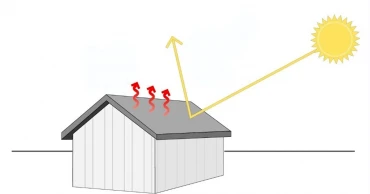
As summer temperatures soar, the heat can make indoor living conditions uncomfortable, particularly for those living on upper floors. The roof, directly exposed to the sun, plays a significant role in how heat affects the home. However, there are multiple strategies homeowners can implement to keep their roofs and homes cooler during intense heat waves.
Tips to Keep Your Roof Cool During the Scorching Heat of Summer
Selecting Appropriate Roofing Materials
Choosing the right roofing materials is crucial in climates that experience intense summer heat, like Bangladesh. Materials that reflect solar energy rather than absorb it, such as metal, tiles, or specially designed reflective shingles, can significantly reduce heat absorption. These materials help maintain lower roof temperatures, which translates into cooler indoor environments.
Utilizing Cool Roof Coatings
Cool roof coatings are designed to reflect more sunlight and absorb less heat than standard roof surfaces. Applying these coatings can lower roof surface temperature dramatically, reducing heat transferred into the home and prolonging the lifespan of the roofing materials. These reflective coatings are an effective solution for homeowners looking to retrofit existing roofs without complete replacement.
Read more: Tips to Keep Home Cool in Summer Without AC
Enhancing Insulation
Insulation plays a critical role in minimizing heat transfer from the roof to the home's interior. Effective attic or roof space insulation, using materials such as fiberglass, foam board, or cellulose, acts as a thermal barrier. This barrier helps stabilize indoor temperatures, making homes more comfortable during both day and night.
2 years ago

Navigating the Risks of Summer Heat: Essential Health Tips for Pregnant Women
Summer is a time of heat and outdoor activities, but for pregnant women, it also brings the challenge of coping with intense heat waves that can pose serious health risks. From dehydration to heatstroke, the heightened vulnerability of expectant mothers requires careful strategies to ensure their health and that of their developing babies. This comprehensive guide explores practical and effective measures to safeguard pregnant women during these critical months.
Understanding the Risks for Pregnant Women in Summer
Pregnancy demands a lot from the body, which is already managing increased blood volume and the energy requirements of carrying a baby. In the summer, these challenges are compounded by higher temperatures and humidity, which can lead to faster dehydration and overheating. This increased susceptibility makes it essential to adopt preventive measures against heat-related health issues.
Hydration: The First Line of Defense Against Heat
Water is a vital ally for pregnant women during hot weather. Staying well-hydrated is crucial, as dehydration can trigger complications such as overheating, urinary tract infections, and even preterm labor. At least 8-10 glasses of water daily are recommended. Using a reusable water bottle makes it easier to stay hydrated on the go.
Read more: How to Travel Safely During Heat Waves
Electrolyte Management
Alongside hydration, maintaining electrolyte balance is critical. Loss of electrolytes through sweating can be significant in summer. Electrolyte-rich drinks or adding a pinch of salt to water can help restore balance.
Natural sources such as coconut water are also beneficial. It is important to check with a healthcare provider before incorporating new items into the diet, particularly if there are underlying health conditions.
Choosing the Right Clothing
Appropriate attire can significantly influence body temperature. Pregnant women should opt for loose, lightweight, and breathable clothing. Fabrics like cotton and linen are ideal as they allow air circulation and help prevent overheating.
Read more: Summer Tips for School-going Children
Light colors are preferable because they reflect sunlight, whereas dark colors absorb it, increasing heat retention. Comfortable, well-fitting shoes are also essential to accommodate swelling in the feet, a common issue during pregnancy.
Sun Protection Strategies
Sun protection is vital for preventing skin damage and managing body temperature. A wide-brimmed hat, UV-protective sunglasses, and sunscreen with at least SPF 30 are key to guarding against the harmful effects of UV radiation.
Limiting Exposure to Extreme Heat
It is advisable for pregnant women to minimize their time spent outdoors during peak heat hours—typically between 10 am and 4 pm. Planning activities during cooler parts of the day, such as early morning or late evening, can reduce the risk of overheating. When outside, staying in shaded areas or using an umbrella can provide immediate relief from direct sunlight.
Read more: How to Protect Outdoor Workers from Heat Stroke
2 years ago
Summer Tips for School-going Children
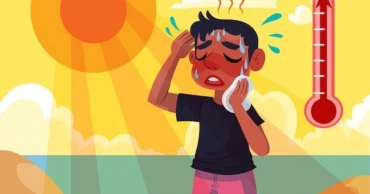
As the summer heatwave continues, the risk of heat exhaustion and dehydration becomes a concern. Like adults, children can suffer from severe heat-related illnesses. Therefore, parents and caregivers should be cautious, especially for school-going children who stay outside the home for hours. Here are some essential summer tips to ensure the well-being of school-going children during the hot months.
How to Keep School-going Children Healthy During Summer Heat Waves
Stay Hydrated
Ensuring children stay hydrated is crucial during a heatwave. Parents and caregivers should encourage children to drink plenty of fluids throughout the day, focusing on water as the primary source of hydration. It would be wise to avoid serving children sugary or caffeinated beverages that can contribute to dehydration.
While leaving for school, it is necessary to provide children water bottles and remind them to take regular sips, even if they are not feeling thirsty. Offer water-rich fruits and vegetables like watermelon, cucumber, and oranges as healthy snacks to help keep children hydrated.
Read more: How to Protect Outdoor Workers from Heat Stroke
Dress Appropriately
Lightweight, loose-fitting clothing of breathable fabrics like cotton or linen can help children stay cool. It is highly recommended to opt for light-coloured clothes that reflect sunlight rather than dark colours that absorb heat.
Furthermore, while staying outdoors children can wear wide-brimmed hats and sunglasses to protect their faces and eyes from the sun's harmful rays.
Seek Shade
Children might need to stay outdoors for diverse purposes, like waiting for a school bus. During such situations, children should be encouraged to seek shade or canopies to minimise direct exposure to the sun.
Read more: How to Protect Your Skin and Hair from Sun Damage
Apply Sunscreen Liberally
Sunscreen application is another crucial aspect of sun protection. Like adults, children can use broad-spectrum sunscreen with a high SPF (Sun Protection Factor) of at least 30. Before going to school or other places, kids need to apply sunscreens generously to their exposed skin, including the face, neck, arms, and legs. Nowadays many reputed brands produce child-friendly sunscreen products.
Sunscreen should be reapplied every two hours, or more frequently if children are swimming or sweating heavily. Parents and caregivers should teach children how to apply sunscreen properly and encourage them to build their sun protection routine.
Plan Outdoor Activities Wisely
While planning schedules for active outdoor games and sports during the warmer months, parents should pay attention to the matter that children stay safe from overheating or sunburn. However, when planning outdoor activities, it's essential to schedule them during the cooler parts of the day, such as early morning or late afternoon, to avoid the peak heat hours.
Read more: Summer Drinks: Refreshing Homemade Sherbets to Beat the Heat
Caregivers should guide children to play in shaded areas, such as parks with plenty of trees, or bring portable shade structures like pop-up tents or sun umbrellas to prevent sunburn and heat-related illnesses.
While playing, sweat should be wiped off immediately. Additionally, encouraging regular play breaks in shaded areas allows children to rest and hydrate. It is essential to prevent heat-related illnesses.
Stay Indoors During Peak Heat
During extreme heat, it is best to stay indoors in air-conditioned or well-ventilated spaces for children to avoid heat-related illnesses. It would be thoughtful for the parents and caregivers to plan indoor activities like board games, arts and crafts, or movie marathons to keep children entertained and safe from the heat.
Read more: Beat Dehydration with These Summer Vegetables
Educate About Heat-Related Illnesses
It is essential to teach children about the signs and symptoms of heat-related illnesses, such as heat exhaustion, heatstroke, dizziness, nausea, rapid heartbeat, etc.
Parents and caregivers should teach children to speak up if they are feeling unwell and remind them of the importance of seeking help from a trusted adult if they experience any symptoms of heat-related illness.
Use Cooling Strategies
Implementing cooling strategies like taking cool showers or baths, using fans or air conditioning, and applying cold compresses to the skin can help children beat the heat and stay comfortable indoors.
Read more: Heat Stroke Prevention: Best foods, drinks to avoid heat exhaustion
Parents and caregivers can freeze damp washcloths or water bottles and place them on pulse points like the wrists, neck, and temples to help lower the body temperature of the children. It can make their mind and body cool after returning home from school or outdoors during the heat waves.
Regular Baths
Bathing plays a vital role in maintaining cleanliness. It is important to avoid allowing children to drink or bathe in ice-cold water during hot weather. Instead, offer them water at room temperature or slightly cool.
When bathing, use water at a comfortable temperature, neither too hot nor too cold, to avoid shocking their system.
Read more: Heat Stroke: Symptoms, First Aid, and Prevention
Stay Connected
Staying connected with children, caregivers, and school staff during a heatwave is essential for assuring everyone's safety. Keep lines of communication open with children, caregivers, and school staff during summer.
Sharing information about heat safety tips and encouraging everyone to look out for each other helps create a supportive environment where everyone can stay cool, hydrated, and healthy during hot weather.
Thus, parents and caregivers can minimise the risk of heat-related illnesses in children at home, community space, school, playground, or other places.
Read more: Guidelines issued for primary schools reopening tomorrow amid heatwave
Bottom Lines
Implementing summer safety for school-going children during a heatwave is paramount to their well-being and health. Parents, caregivers, and school staff can help mitigate the risks associated with hot weather, by prioritising hydration, sun protection, appropriate clothing, and staying cool indoors during peak heat hours.
Educating children about heat-related illnesses and empowering them to recognise signs of distress is equally important. By working together and staying aware, the wellbeing and health safety of school children can be assured during the summer months.
Read more: Mist Fan Buyer Guide and Price Ranges in Bangladesh for 2024
2 years ago

Cosmos Group hosts Dhaka Flow at "Health and Safety at Work" Workshop
In order to create a supportive and healthy work environment for all, Cosmos Group has hosted Dhaka Flow, the country’s pioneering yoga and wellness platform, to conduct a workshop for its staff members at Cosmos Center.
The wellness workshop, facilitated by an energetic team of Dhaka Flow, took place from 10 am to 12 pm on Sunday at the Padma Conference Hall, Cosmos Center, Malibagh in the capital.
Yogini, activist and writer Shazia Omar, Chief Executive Officer (CEO) and Founder at Dhaka Flow, and Srabonti Ali, MSW, Licensed Clinical Social Worker (LCSW) and Mental Health Counselor, Lighthouse Therapy BD, conducted two enlightening and energizing sessions at the workshop, enthusiastically participated by the Cosmos Group staff. Dhaka Flow Co-Founder and Chief Marketing Officer (CMO) Tahsin N Choudhury, was also present at the workshop.
Masud Jamil Khan, Deputy Managing Director of Cosmos Group, and Honorary Consul of Ireland in Bangladesh; Nahar Khan, Executive Director at the Cosmos Foundation and Gallery Cosmos, Executive Editor at United News of Bangladesh (UNB) and Vice President of the Cosmos Group; Shawkat Hossain, Vice President at Cosmos Group; Farid Hossain, Editor of UNB; and other officials and staff members of Cosmos Group joined the two-hour workshop.
After the Introductory Icebreaking session, Shazia Omar facilitated ‘Tips to Stay Healthy at Work’ and shared her valuable insights regarding well-being in the workplace. She conducted a wellness assessment of the participating staff and shared some powerful health hacks while orchestrating activities such as calming breath and visualisation, short yoga-based exercises during busy days such as stretching and emphasized the importance of proper nutrition and sleep.
2 years ago

How to Protect Outdoor Workers from Heat Stroke
The scorching heat waves can pose serious health risks, especially for people who stay outdoors for long hours due to occupation. During hot weather situations in summer, people working under the sun may suffer from heat-related illnesses like dehydration, heatstroke, etc. Let’s explore some effective tips to safeguard outdoor workers from the debilitating effects of heat waves.
What is Heatstroke?
Heat stroke is a severe heat-related illness characterised by a body temperature of 104°F (40°C) or higher. It arises when your body overheats and the body's internal temperature regulation system fails, typically due to prolonged exposure to high temperatures or strenuous physical activity and dehydration. It is most prevalent during the summer season.
Immediate medical attention is necessary for heatstroke. If left untreated, it can swiftly lead to damage to vital organs such as the brain, heart, kidneys, and muscles. Delaying treatment exacerbates the damage, heightening the risk of severe complications or even death.
Read more: Summer Heatwave: Here’s How to Keep Children Safe
Symptoms of Heat Stroke
The most common symptoms of heatstroke include:
- High body temperature (above 104°F or 40°C)- Altered mental state, such as confusion or disorientation- Nausea and vomiting- Flushed or red skin- Rapid breathing- Rapid heartbeat.
Read more: Heat Stroke Prevention: Best foods, drinks to avoid heat exhaustion
2 years ago

How to Protect Your Skin and Hair from Sun Damage
To maintain the health of skin and hair, it is essential to take regular care in every season. The heat waves during summer months cause sweating and dehydration. Understanding how to protect and nourish the skin and hair can help you to minimise damages caused by sun heat. This article will explore effective tips to keep your skin and hair healthy, glowing, and protected during the warmer months.
Skincare Tips for Summer
.
Hydration is Key
Drinking plenty of water throughout the day is important to stay hydrated from within. Proper hydration helps maintain skin elasticity and suppleness, preventing it from becoming dry and flaky under the summer sun. It also keeps you safe from heat stroke caused by the scorching summer heat.
Cleansing and Exfoliating
You should cleanse your skin twice daily to remove sweat, dirt, and sunscreen buildup. It is also necessary to exfoliate regularly to unclog pores and remove dead skin cells. It can promote a smoother and more radiant complexion.
Read more: Collagen Supplements: Benefits, Side Effects, Dosage
Lightweight and Non-Comedogenic Products
It is highly recommended to opt for lightweight, oil-free moisturisers, serums, and sunscreens that won't clog pores or feel heavy on your skin. Try to look for products labelled "non-comedogenic" to prevent breakouts.
Introduce Antioxidants
It would be beneficial to incorporate antioxidant-rich skincare products into your routine to combat free radical damage caused by UV radiation and environmental pollutants. You should look for ingredients like vitamin C, vitamin E, and green tea extract.
Sun Protection
It is crucial to apply sunscreen with a high SPF (Sun Protection Factor) to all exposed areas of your skin, including your face, neck, arms, and legs. Reapplying sunscreen every two hours is equally important, especially if you are swimming or sweating.
Read more: How to Choose the Right Sunscreen for Your Skin
Customised Skincare
Not every person has same type skin. Customising skincare routine acording to the specific type and condition of skin can help to avoid rashes and other skin related issues.
It is vital to tailor your skincare routine to suit your skin type. If you have oily skin use oil-free water-based products, hydrating products for dry skin, and use gentle, non-irritating products for sensitive skin.
Use Sun Protection Clothes and Acessories
Experts suggest to wear lightweight and breathable clothing during extreme hot weather. It would be wise to choose light-cloured and cotton fabric made clothes to stay safe from heat exhaustion.
Besides choosing summer-freindly outfits, you need to use protective acessories like umbrellas, hats, and sunglasses for added protection.
Read more: Korean Skincare Routine: 10 Skincare Hacks
Healthy Eating
It is very important to eat a balanced diet rich in fruits, vegetables, and omega-3 fatty acids to nourish your skin from the inside out. You should limit your sugary and processed foods intake, which can contribute to inflammation and breakouts.
2 years ago

Circadian Rhythm: How to Reset the Biological Master Clock
Have you ever wondered why human beings tend to sleep at night and work during the day? With exceptions aside, that’s how almost everyone functions. Lack of sleep makes us cranky throughout the day. Why does that happen? It's all related to our biological master clock or circadian rhythm.
What is Circadian Rhythm?
The circadian cycle refers to the metabolic changes that occur within a living organism over 24 hours. The term ‘Circadian’ comes from two Latin words Circa meaning around and Diem meaning day.
Circadian rhythm is a natural, internal process that regulates the sleep-wake cycle and repeats roughly every 24 hours. This rhythm is influenced by external cues such as light and temperature along with internal factors including genetics and hormones.
Read more: What is Autism spectrum disorder? Why is Autism Awareness Important?
How Does Circadian Rhythm Work?
Just like a master clock regulates the time zone across the world, there’s also a master clock in the human body that regulates sleep patterns and sense of time. It's situated in the hypothalamus of the brain, specifically in an area called the suprachiasmatic nucleus (SCN).
The SCN receives input from the eyes, particularly light-sensitive cells in the retina, which helps synchronize the internal clock with the external day-night cycle.
The circadian rhythm regulates the sleep-wake cycle by controlling the time alertness of the human body through melatonin production. Additionally, it also plays a significant role in body temperature regulation.
Circadian rhythm disorder is generally caused due to genetic factors, erratic light exposure, medical conditions, age-related changes, psychological stress, etc.
Read more: Cerebral Haemorrhage: Signs, Reasons, Treatment, and Prevention
Symptoms of Circadian Rhythm Disorder
There are several symptoms of circadian rhythm disorder. The common ones include:
Insomnia
The most common symptom of circadian rhythm disorder is difficulty with sleep or insomnia. A patient gradually develops difficulty in either falling asleep or staying asleep. Waking up multiple times at night is also attributed to this disorder.
Increased Daytime Sleep
A decrease in sleep quality results in increased daytime sleepiness. This symptom is directly related to sleep difficulty as waking up multiple times during the night results in drowsiness throughout the day.
Early Wakeup
At a more advanced stage, a person might find it difficult to fall asleep after waking up during the night. Sleep deprivation triggers fatigue which inherently harms other body processes.
Read more: Why are Suicide Rates Higher Among Men?
Concentration Difficulty
People with circadian rhythm disorder may find it difficult to concentrate or face memory-related problems. The lack of balanced sleep affects certain cognitive functions of the brain and affects decision-making capabilities.
Mood Swings
Circadian rhythm disorder may trigger severe mood swings. It increases the risk of depression and anxiety leading to BPD at later stages.
Besides, physical symptoms like headaches and gastrointestinal issues may be caused by the disorder.
Read more: Self-care Tips for Parents of Newborns
Types of Circadian Rhythm Disorder
The difference in sleep-wake cycle characteristics resulted in several types of circadian rhythm disorders. The prominent ones are:
Delayed Sleep Phase Disorder
Delayed Sleep Phase Disorder of DSPD is the most common type of this disorder. A person with DSPD has a convoluted biological clock which makes it difficult for them to sleep at conventional bedtimes. As the name suggests, DSPD delays the conventional sleeping time by several hours. The subsequent result is sleepiness continued well into the day.
Advanced Sleep Phase Disorder
ASPD is the opposite of DSPD. In this case, an individual might experience a sleep cycle well in advance compared to the conventional sleeping times.
Irregular Sleep-Wake Rhythm Disorder
Irregular sleep-wake rhythm disorder is usually triggered by insomnia or fragmented sleeping patterns. Waking up multiple times during a sleep cycle may induce an irregular disorder.
Read more: 7 Types of Strength Training And Their Benefits
Shift Work Sleep Disorder
Shift work sleep disorder is seen among people with unconventional work hours. For example, a person working night shifts may find it difficult to sleep during the day. The result is sleepiness and drowsiness in the subsequent work shifts at night.
Non-24-Hour Sleep-Wake Disorder
Non-24-hour sleep-wake Disorder is usually noticed among individuals with complete blindness. The lack of light perception makes the brain lose perception of the light-dark cycle in 24 hours. As a result, affected individuals experience a gradual shift in their sleep-wake schedule, leading to periods of insomnia and excessive daytime sleepiness.
Jet Lag Disorder
Jet lag disorder is seen among individuals who travel between several time zones. Unlike the other types, jet lag disorder usually improves once the body gets adjusted to the new timezone. However initial symptoms may include sleeplessness, digestive issues, and reduced cognitive functions.
Read more: Colon Cancer: Everything You Need to Know
How to Reset the Circadian Rhythm
Circadian rhythm can be restored through certain lifestyle changes. In addition, behavioral strategies, and sometimes medical interventions may be needed to improve the condition. Here are some strategies to get started.
Practicing a Consistent Sleep Schedule
One of the best ways to reset the circadian rhythm is to maintain a strong routine. It is recommended to go to bed and wake up at a fixed time every day, even on weekends. This would allow your body to get used to a consistent cycle and adjust accordingly.
Light Exposure
Circadian rhythm is greatly regulated by light and dark. Try and increase your light exposure when you wake up in the morning. Go for a short walk or spend some time on the balcony. The more you’re exposed to natural light in the morning, the more the body adjusts to the wake period.
Read more: How Does Physical Activity and Exercise Affect Testosterone Levels?
Limit Night Time Exposure
Just as the opposite of morning, limit the light exposure at night. It is advised to avoid the use of blue light emitting sources like TV and mobile late at night. This will help in the production of melatonin which will naturally induce sleep.
Create a Relaxing Environment
Avoid stressful work during the night if possible. Create a relaxing environment by listening to slow music, reading a book, taking a shower, or practicing meditation to ease brain functions.
Avoid Day Naps
It can be helpful to avoid naps during the day. If you can’t entirely avoid them, try and limit naps to no more than 30 minutes. Long naps during the day will interfere with nighttime sleep.
Read more: Measles: Causes, Symptoms and Prevention
Avoid Stimulating Substances
It is recommended to avoid stimulating substances like coffee, tea, or nicotine before sleep. It might trigger hyperactivity in the brain which will deter the usual sleeping time.
Consult a Healthcare Professional
If the disorder persists, consult a healthcare professional. A trained medical practitioner can provide personalized treatment for the disorder.
Final Words
The circadian rhythm or biological clock ensures a healthy sleep-wake cycle in the human body. When this rhythm goes off balance it may result in several complications in physical and emotional health. Fortunately, it is possible to reset the circadian rhythm without medical intervention unless in extreme cases. Make sure to lead a routined and disciplined lifestyle including a timely sleep schedule to maintain a healthy rhythm.
Read more: How Does Fat Leave the Body When We Lose Weight?
2 years ago