food

Crème fraîche creates a creamy broth in this recipe for briny-sweet steamed clams
A big bowl of steamed clams and juicy-crisp corn is summer eating at its finest. The combination is fresh, sweet and briny, almost like a chowder made for eating with your fingers.
In this recipe from our cookbook “ Milk Street 365: The All-Purpose Cookbook for Every Day of the Year,” we finish the clams and corn with a small measure of crème fraîche (or whole-milk yogurt); the briny-sweet liquid released by the clams becomes a subtly creamy broth that’s as delicious as the clams themselves. Fennel perfumes the broth with anise-like notes.
Scrub the clams well before cooking and be sure to dispose of any with cracked or damaged shells. Give any clams with open shells a gentle tap and toss if they do not close within a few seconds.
If you can, use corn kernels cut from freshly shucked ears (you’ll need two good-size ears to get the 2 cups kernels called for in the recipe), but frozen corn works in the off-season. When buying corn, look for bright green husks and supple silk, and avoid ears small brown holes in the husk. To easily remove kernels from the cob, place the ear flat on the cutting board and slice, rotating as needed.
Avoid these 5 common mistakes for a perfect fruit salad
Serve with oyster crackers, or with crusty bread for mopping up the broth.
Steamed Clams with Corn, Fennel and Crème Fraîche
Start to finish: 30 minutes
Servings: 4
Ingredients:
2 tablespoons extra-virgin olive oil
1 medium fennel bulb, halved, cored and thinly sliced
1 medium yellow onion, halved and thinly sliced
2 teaspoons fennel seeds
Kosher salt and ground black pepper
2 cups corn kernels
2 pounds hard-shell clams (about 1½ inches diameter), such as littleneck or Manila, scrubbed
¼ cup crème fraîche OR plain whole-milk yogurt
Directions:
In a Dutch oven, heat the oil until shimmering. Add the fennel, onion, fennel seeds and a pinch of salt, then cook, stirring, until the vegetables are lightly browned. Stir in the corn and 1 cup water. Bring to a boil and add the clams. Cover and cook over medium, stirring once or twice, until the clams have opened. Stir once more, then remove and discard any clams that haven’t opened. Off heat, stir in the crème fraîche and ½ teaspoon pepper. Season with salt.
Optional garnish: Hot sauce OR chopped fresh flat-leaf parsley OR lemon wedges OR a combination.
10 months ago

Tea-loving Nepal is developing a taste for coffee
Coffee has not traditionally been popular in Nepal.
The Himalayan nation is both a major tea producer and a heavy tea consumer. Morning greetings typically begin with “have you had your tea?” rather than “how are you.”
In Nepal, tea — usually sweetened and served with milk in hot glass tumblers — holds deep cultural value, much like rice. It's present in homes, meetings, and social gatherings across the country.
However, an increasing number of Nepalis are embracing coffee, as modern cafes begin to populate city streets and small towns.
Coffee culture began in the 1990sOne Kathmandu café is credited as the starting point.
Entrepreneur Gagan Pradhan launched Himalayan Java as a single café in an alley. Today, it has grown into a chain with 84 outlets nationwide. Pradhan estimates Nepal now has about 7,000 cafes, although international coffee giants like Starbucks have yet to enter the market.
“There are tea shops all over the country, but their setup remains traditional,” Pradhan said. “When it comes to coffee, we — investors and entrepreneurs — focus seriously on every aspect: equipment, lighting, furniture, and locations.”
Simple Tsukudani recipe: A traditional japanese side dish to enjoy with hot rice
Tea stalls typically serve basic milk or black tea, while coffee shops offer menus with 10–15 hot and cold drink options, he added.
Pradhan noted that cafés require relatively low initial investment, are easy to operate — even by single individuals or families — and customers are willing to pay a premium for coffee.
Even in Nepal’s eastern mountain regions known for tea, coffee plantations are now emerging alongside them.
Coffee: A costly but aspirational beverageNepal reflects a broader regional trend where tea-drinking cultures in Asia are seeing a surge in coffee consumption, driven by middle-class consumers seeking new experiences and global influences.
Coffee is considered a luxury in Nepal. A cup at Himalayan Java costs around $2 — enough to buy an entire meal at a local eatery or five cups of tea. Yet, cafes remain full, especially with office workers on breaks and students studying.
“Initially, people in Nepal saw coffee as a symbol of elevated lifestyle,” said social worker and regular café visitor Deep Singh Bandari. “But many developed a genuine liking for its taste and continued drinking it.”
Nepal’s domestic coffee production is growingWhile much of Nepal’s coffee is still imported, local cultivation is expanding in the same eastern regions known for tea.
Data from Nepal’s National Tea and Coffee Development Board shows the country produced about 400 tons of coffee in the fiscal year 2021–22 — a small amount compared to 26,000 tons of tea — but rapid growth is expected.
“People across age groups in Nepal have taken to coffee,” said Pradhan. “The number of coffee drinkers is increasing every day, and this trend will only continue.”
Source: Agency
10 months ago

Joey “Jaws” Chestnut Aims for 17th Title in Nathan’s Hot Dog Eating Contest
The annual Nathan’s Famous Fourth of July hot dog eating contest returns Friday, and legendary competitive eater Joey “Jaws” Chestnut is back in the lineup, seeking his 17th championship.
The 41-year-old from Westfield, Indiana, missed last year’s event due to a contractual dispute with plant‑based meat maker Impossible Foods. Chestnut says he and Nathan’s have since resolved their differences, clearing the way for his comeback.
Chicago’s Patrick Bertoletti, who claimed the men’s crown in Chestnut’s absence, enters as the defending champion on Coney Island’s famed Riegelmann Boardwalk.
On the women’s side, Tampa’s 39‑year‑old Miki Sudo is favored to defend her title and chase an 11th win after setting a women’s record of 51 hot dogs last year.
First held in 1972, the contest stages competitors in front of Nathan’s original Coney Island restaurant, drawing crowds—many sporting foam hot dog hats—to watch eaters consume as many buns and wieners as possible in 10 minutes. Dunking hot dogs in water to soften them is encouraged, adding to the spectacle.
Avoid these 5 common mistakes for a perfect fruit salad
Fifteen men from the U.S., Australia, the Czech Republic, Canada, England and Brazil will compete, while the women’s field of 13 features all American entrants.
Chestnut holds the event record of 76 hot dogs and buns in 10 minutes, set in 2021, and has amassed 16 Mustard Belts. Last July 4, rather than compete, he ate 57 hot dogs in five minutes during an exhibition with U.S. troops in El Paso, Texas.
“I’m thrilled to be back at Coney Island,” Chestnut told The Associated Press last month. He noted he never endorsed Impossible Foods’ vegan products in commercials and that Nathan’s is the only hot dog company he’s partnered with—an oversight he said he should have clarified sooner.
Source: Agency
11 months ago
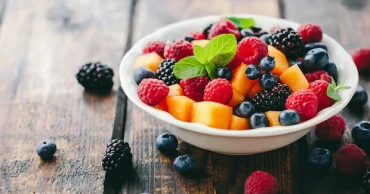
Avoid these 5 common mistakes for a perfect fruit salad
Fruit salad may seem like one of the easiest dishes to prepare, but even the simplest recipes can go wrong if not done carefully.
While many people consider it just a side dish, for others, fruit salad serves as a quick, refreshing comfort food, often included in weight loss diets. From lunch to dinner, a bowl of seasonal fruit salad can be both healthy and satisfying.
Salads can be prepared using vegetables, fruits, or a mix of both. But for those who prefer a bowl of only fruits, there is more to it than just chopping and mixing.
Fruits are rich in vitamins, minerals, and other essential nutrients that contribute to overall health. And while making a fruit salad is simple, it is equally easy to make mistakes that affect taste and texture.
Here are five common fruit salad mistakes and how to avoid them:
1. Skipping Seasonal Fruits Can Ruin the Taste
One of the biggest mistakes is ignoring seasonal fruits. Seasonal produce offers natural sweetness, better texture, and enhanced flavour, elevating the overall taste of your salad.
Additionally, seasonal fruits are often more affordable. Choosing fresh, in-season fruits from your local vendor will make a noticeable difference.
2. Adding Fruits You Do Not Enjoy Eating
Just because an online recipe features kiwi or papaya doesn’t mean you have to include them. If there are fruits you dislike, there is no need to force them into your salad. A customised fruit salad that reflects your preferences will always taste better. Use only the fruits you enjoy eating.
Don't store these foods at the bottom of the fridge; here's why
3. Choosing the Wrong Combination of Fruits
Not all fruits work well together. Some are too watery, others oxidise quickly, and some lose their structure after cutting. Avoid overripe or excessively juicy fruits if you want to maintain good taste and texture.
Aim for a balance with options like apples, bananas, grapes, and watermelons — they hold their shape, taste great, and provide a pleasant mix of crunch and softness.
4. Overloading with Too Many Fruits
While using a wide variety of fruits might sound appealing, it can cause flavours to clash and the salad to become soggy, especially if watery fruits dominate. Stick to a few varieties and balance them with different textures. Adding seeds or nuts can enhance both flavour and crunch.
5. Pre-cutting Fruits Long Before Serving
Although cutting fruits in advance may seem convenient, it leads to oxidation, making them look unappetising and dull. To maintain freshness and vibrant colour, cut fruits just before mixing the salad. Also, avoid chopping fruits into very small pieces, as they lose their structure and can turn mushy. A good fruit salad should appear fresh and visually appealing.
By keeping these simple tips in mind, you can ensure your homemade fruit salad not only looks inviting but also tastes delicious. There is no need to complicate the process — just avoid these common mistakes.
Source: NDTV
11 months ago

The surprising health benefits of mangoes, says nutritionist
Mangoes, often called the "king of fruits," are not only delicious but also packed with essential nutrients that contribute to overall health, according to a report by asianetnews.
Nutrition experts say mangoes are rich in polyphenols, vitamins C and A, minerals, and antioxidants, making them highly beneficial for the human body. The high levels of vitamin C, vitamin A, and antioxidants in mangoes help reduce inflammation and strengthen the immune system.
Mangoes also contain beta-carotene, which the body converts to vitamin A, further enhancing the body's natural defense mechanisms. The significant amount of vitamin A present in mangoes is known to improve vision and prevent dry eyes.
Additionally, antioxidants like zeaxanthin and lutein, found in mangoes, play a crucial role in protecting the eyes from harmful blue light and reducing vision problems associated with aging. Mangoes are also a good source of vitamin C, which helps protect the skin, keeping it youthful and radiant.
Most people don’t need extra protein in their diets, say nutritionists
Experts highlight that mangoes aid digestion due to the digestive enzymes they contain. Their high fiber content promotes a healthy, balanced gut microbiome and helps prevent constipation.
The fruit is also rich in potassium and magnesium, which help stabilize heart rate and regulate blood pressure. Furthermore, the antioxidants and fiber in mangoes assist in lowering LDL or “bad” cholesterol, reducing blood pressure, and protecting blood vessels from inflammation.
According to nutritionists, mangoes are especially beneficial for managing hormone-related disorders such as Polycystic Ovary Syndrome (PCOS). They are rich in B vitamins, particularly vitamin B6, which helps balance mood, regulate hormonal fluctuations, and reduce oxidative stress.
The presence of vitamin B6 and glutamic acid in mangoes also contributes to improving mood, memory, and cognitive function, while helping manage stress, anxiety, and overall mental health. Vitamin B6 plays a vital role in the production of neurotransmitters like serotonin and dopamine.
Experts say the high nutritional value of mangoes can positively impact mood and energy levels. Vitamin B6, known as a natural mood booster, increases the production of serotonin, often referred to as the "happiness hormone."
11 months ago

Japanese diet may help combat depression: Study
A Japanese-style diet rich in rice, miso soup and fish may help reduce depressive symptoms, according to a new study by the Japan Institute for Health Security.
The research, said to be the first of its kind, suggests that working-age individuals who follow a traditional Japanese diet are less likely to experience depression.
According to Kyodo News, the institute assessed the mental health benefits of a classic Japanese diet comprising soy products, cooked vegetables, mushrooms, fish, seaweed and green tea. A modified version that included fruit, fresh vegetables and dairy products was also examined.
While previous studies have explored links between the Mediterranean diet — which features vegetables, whole grains, olive oil and fish — and mental health, research focusing on the Japanese diet’s impact on depression has been limited, the institute noted.
Don't store these foods at the bottom of the fridge; here's why
“Further research is required, but we hope the evidence shown among Japanese people can be used for public health measures in workplaces and areas concerning the prevention of depression,” it said.
The self-reported survey involved 12,499 employees from five companies, 88 per cent of whom were men with an average age of 42.5 years. Overall, 30.9 per cent of participants showed signs of depressive symptoms, though those who adhered to a Japanese-style diet were less likely to report such symptoms.
The institute said that components of the diet, such as seaweed, soy products and the folic acid in vegetables, may help release neurotransmitters like serotonin and dopamine. Omega-3-rich oily fish also has anti-inflammatory benefits, it added.
11 months ago
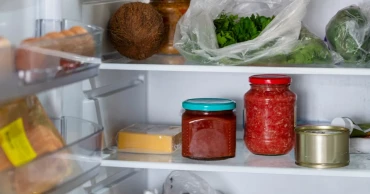
Don't store these foods at the bottom of the fridge; here's why
The refrigerator, a crucial kitchen appliance, plays a vital role in preserving cooked and leftover food. However, not all refrigerator shelves serve the same purpose.
According to a report by asianetnews, the temperature varies across the compartments of a fridge with the top shelves generally colder than the bottom. As a result, specific foods are best stored on particular shelves to maintain freshness and prevent spoilage.
Some items should not be placed on the bottom shelf of the refrigerator, especially cooked foods. If these foods are currently stored there, it is advisable to move them immediately.
Leftover FoodLeftover food should never be kept on the bottom shelf of the fridge. It is best stored on the top shelf, where the temperature is more stable and cooler.
Boiled EggsBoiled eggs should not be stored with uncooked eggs, as this can lead to spoilage. "It is best to store eggs, whether shelled or not, in the top compartment of the refrigerator. This will help them stay fresh for up to a week," the report states.
MAHA report on children’s health highlights harms of ultraprocessed foods
Boiled MeatFully cooked meat is best stored on the top shelf of the fridge. While uncooked meat can go on the bottom shelf, it should always be kept separate from other food items.
HerbsTo keep herbs fresh, place them in a glass of water and store them on the top shelf. It is also important to change the water daily.
Ready-to-Eat FoodsPre-packaged ready-to-eat foods should not be stored on the bottom shelf. "It is best to store them at the top of the refrigerator," the report advises.
Following these simple food storage tips can help extend freshness and reduce the risk of contamination.
11 months ago
Most people don’t need extra protein in their diets, say nutritionists
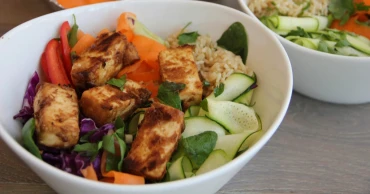
The human body needs protein. Proteins carry out countless functions inside cells and they are vital for the growth, repair and maintenance of muscles, bones and skin. And with food companies rolling out high-protein versions of a huge range of foods, including milkshakes and granola bars — and even pancakes and popcorn — you might be tempted to think you need to add more to your diet.
But nutritionists say that if you are getting enough food, you are probably getting enough protein.
“Adding protein to foods is very beneficial — for the profits of that food,” said Federica Amati, nutrition lead at Imperial College London and head nutritionist at the health science company ZOE. “It is not based on health, it is not backed by science.”
The amount of protein you need depends on your age, weight and personal nutritional needs and it is especially important for children and older adults to make sure they eat protein-rich foods. Here’s what to know about how much protein you need and how to ensure you're getting it from the best sources.
Protein is so critical that your body knows how to make it
Protein is a macronutrient, or a basic kind of food like fat or carbohydrates that your body needs to function. There are thousands of proteins, assembled from smaller molecules called amino acids — most of which can be made by the body.
“Because protein is so important, our body has adapted really well to making sure that it can reassemble and change the building blocks of these amino acids to make sure we have what we need, as long as we’re eating adequate amounts of food,” Amati said.
MAHA report on children’s health highlights harms of ultraprocessed foods
Still, the body can't make all the amino acids, so some must come from food.
If you aren't starving, you are probably getting plenty of protein
The World Health Organization recommends that healthy adults get about 0.4 grams of protein per pound of body weight (0.8 grams of protein per kilogram of body weight). That's roughly 60 grams for men and 50 grams for women per day, based on body weights of 165 pounds (75 kilograms) for men and 143 pounds (65 kilograms) for women.
In most rich countries, the average adult gets far more, Amati said. Protein deficiencies are mostly seen in malnourished people on subsistence diet in poorer countries, she said.
Bridget Benelam, a nutritionist with the British Nutrition Foundation, said it was important to get protein from different foods, like dairy, fish, beans, nuts, vegetables and meat. She said studies suggest vegetarians and vegans have lower protein intake than meat and fish eaters, but that their average protein levels are still OK.
Having some protein at every meal is also a likely a good idea. “It appears to be better for preserving muscle function if you have some protein throughout the day, rather than just having it all in one meal,” Benelam said.
Protein can be found in a huge range of food
Plant-based sources of protein include foods such as beans, lentils, peas, nuts, seeds, tofu, tempeh and meat substitutes. Fish, meat, poultry, eggs and dairy foods such as milk and yogurt are also good sources of protein. Amati said that proteins from animal-based sources may be easier for the body to break down compared to plant-based proteins, which tend to have more fiber.
“If you eat a piece of beef, you’re getting protein and things like zinc and iron, but you’re also getting more saturated fat,” she said. In comparison, Amati said eating protein-rich foods like chickpeas or beans also provides the body with fiber, something that's lacking in most of our diets.
You probably don't need to buy products with added protein
“Unless you have a specific health issue that requires you to have more protein, most people in countries like the U.S. and the U.K. do not need more,” said Benelam of the British Nutrition Foundation.
Amati, of Imperial College London, said people should scrutinize the ingredient list of protein-enriched products to make sure they aren’t loaded with sugar and fat.
For people trying to build more muscle, she recommended a more direct solution: exercise.
“If you’re worried about your body composition and muscle strength, you have to lift (heavier) weights and give your body a challenge,” Amati said. “Eating a protein bar is not going to help.”
11 months ago
MAHA report on children’s health highlights harms of ultraprocessed foods
The White House released a new report highlighting what it claims are the causes of chronic disease in children.
The report fleshes out many of the themes that have emerged as priorities for the Make America Healthy Again, or MAHA, movement promoted by Health and Human Services Secretary Robert F. Kennedy Jr.
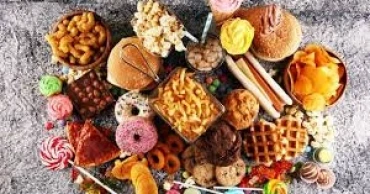
One major area of focus is the negative health effects of ultraprocessed foods. The report points to the prevalence of ultraprocessed foods in the American diet as a key contributor to chronic illness in children and cites research that finds that nearly 70% of children’s diets and 50% of pregnant and postpartum women’s diets in the U.S. consist of ultraprocessed foods.
The Conversation U.S. asked Paul Dawson, a food scientist at Clemson University, to explain how the government’s stance on the harms of ultraprocessed foods squares with the science.
What are ultraprocessed foods?
Concerns that ingredients used by food manufacturers can contribute to chronic illness first emerged in the 1970s and 1980s, when research began linking processed food consumption to increasing rates of obesity, type 2 diabetes and cardiovascular disease. The term “ultraprocessed food” dates back to the 1980s and was used to describe convenience foods and snacks that contained high amounts of additives and had low nutritional value.
As research on the health effects of ultraprocessed foods began to build, experts in public health and the food industry have debated the meaning of the term. Increasingly, researchers are settling on defining ultraprocessed foods based on a framework called the Nova Food Classification System, created in 2009 by nutrition researchers in Brazil. The framework assigns foods to one of four groups based on the level of processing they undergo:
Group 1 - Unprocessed or minimally processed foods: This category includes raw fruits, vegetables and meats that may be cleaned, frozen or fermented but remain close to their natural state.
Group 2 - Processed culinary ingredients: Think salt, sugar, oils and other ingredients extracted from nature and used to cook and flavor foods.
Group 3 - Processed foods: Foods in this category are made by adding ingredients like salt or sugar to Group 1 items — for example, canned vegetables or cheese.
Group 4 - Ultraprocessed foods: These are mostly foods that contain ingredients not found in a typical kitchen, such as hydrogenated oils, modified starches, flavor enhancers, color additives and preservatives. Examples include chips, sodas, candy bars and many frozen meals, which are designed to be hyper-palatable and often nutrient-poor.
What does research say about ultraprocessed foods?
Blood and urine markers may reveal intake of ultraprocessed foods, study finds
A growing body of research links ultraprocessed foods with many negative health outcomes, including obesity, type 2 diabetes, cardiovascular disease, cancer and cognitive decline. One issue is that these products are typically high in added sugar, sodium, saturated fats and chemical additives, and low in fiber, vitamins and essential micronutrients.
But some studies also suggest that what makes these foods harmful isn’t just the ingredients but also how they’re made. That’s because the industrial processing of fats and starches can produce harmful compounds. For example, a substance called acrolein, formed when oils are heated at high temperatures, has been linked to DNA damage. Studies are also finding that microparticles from packaging and plastics, now found in air, water and food, may disrupt the gut microbiome, a key player in immune and metabolic health.
One drawback of nutrition studies is that they often rely on self-reported dietary data, which can be inaccurate. They can also have confounding factors that are difficult to account for, such as lifestyle patterns. However, the consistency of the findings across diverse populations gives credence to the growing concerns about ultraprocessed foods.
An important caveat, however, is that not all ultraprocessed foods are created equal. They vary in how nutritious they are, and some ultraprocessed foods play an important role for vulnerable populations. For example, foods containing the slow-release carbohydrate sweetener sucromalt help people with diabetes prevent blood sugar spikes, and hypoallergenic infant formula can be lifesaving for infants that cannot digest milk at a young age.
How does the MAHA report fit with current dietary guidelines?
The report echoes key themes of the 2020–2025 Dietary Guidelines for Americans, a document jointly published by the Departments of Agriculture and Health and Human Services every five years. Both the MAHA report and the federal guidelines encourage the consumption of nutrient-dense, whole foods.
One critical difference between them is that the 2020-2025 dietary guidelines make no mention of ultraprocessed foods. Some public health experts have noted that this omission may reflect food industry influence.
What happens next?
Kennedy has stated that a follow-up report outlining a strategy and potential policy reforms for addressing childhood chronic illness will be released in mid-August 2025.
Nebraska to ban soda and energy drinks from SNAP under first USDA waiver
However, change is unlikely to be straightforward. Ultraprocessed foods represent a significant industry, and policies that challenge their prominence may encounter resistance from influential commercial interests. For decades, U.S. agricultural subsidies, food policy and consumers have supported the mass production and consumption of ultraprocessed foods. Reversing their overconsumption will require structural shifts in how food is produced, distributed and consumed in the U.S.
1 year ago

Some Africans have long seen a big belly as a sign of wealth. It’s killing them
In many African cultures, a big belly has long been seen as a sign of wealth. But this perception is proving deadly as deaths due to obesity -related illnesses rise.
In Kenya, overweight politicians are often called Boss or Mkubwa — Swahili for “big man” — by constituents, with their girth symbolizing prosperity.
Younger politicians, including the governors of Nairobi and Mombasa, have begun speaking publicly about weight loss. Obesity contributes to non-communicable diseases such as diabetes, which have become Kenya's leading cause of death. The health ministry says they are responsible for 39% of fatalities annually.
In a country where the government has said almost a third of the population is still unable to fulfill food needs, 13% adults are obese, according to the 2025 World Obesity Atlas. The contrast highlights the country's growing inequality and the popularity of fast and processed foods by those with rising incomes.
Perceptions about obesity can affect financial and other decisions. In neighboring Uganda, microfinance institutions vetted loan applicants based on their weight, and those overweight were considered more able to repay loans, according to a study published by the American Economic Review in 2023.
“Most people feel like when I start making money, I have to look like the money itself by being fat or obese,” said Kenyan nutritionist Felix Okoth. “They however don’t realize that they are predisposing themselves to these lifestyle conditions such as diabetes and hypertension.”
The World Health Organization's Africa director has called the rising trend a “ticking time bomb" for the continent with the world's youngest and fastest growing population.
Some are trying to change the conversation around weight. A former senator in Kenya, Cleophas Malala, has described how a 15-hour flight to the U.S. left him in pain and how doctors advised him to reduce.
Swim lessons can be lifesaving for children with autism
From a starting weight of 138 kilograms (304 pounds), he embarked on a non-solid diet for 90 days. Though he didn’t disclose his current weight, before-and-after photos show him noticeably slimmer.
“My colleagues in parliament were mad that I left the ‘club’ after I lost weight,” the 39-year-old has said.
Stephen Ogweno, who had childhood obesity and later became a public health advocate, said most Kenyan legislators don’t see the issue as a problem.
“These discussions are held in parliament where most MPs have big bellies, and so admitting that it concerns them, too, would be a good place to start,” he said,
Kenyan President William Ruto has spoken publicly about the need to be fit for work. He had to reassure Kenyans in 2023 that he was okay after online speculation about his health following weight loss.
“I decided to cut it down because the task ahead was not easy,” he told journalists.
Increasing incomes, proliferation of fast-food outlets in urban areas, sedentary lifestyles and lack of infrastructure that promotes physical activity have been named as probable causes of rising obesity in developing countries.
“We need to make sure that when we move away from lack of food, we are not going to the wrong food groups,” said a Kampala-based doctor, Miriam Laker Oketta.
Public health campaigns will help demystify the perception that weight is an indication of wealth, said Caroline Kirui, the Africa director for Project ECHO, an information-sharing platform for healthcare workers.
Gyms, weight loss drugs and surgeries are being increasingly advertised in Kenya.
But approaches such as the Ozempic weight-loss drug have left some users like Caroline Havi dissatisfied. She said she turned to a one-meal-a-day diet instead and hopes to eventually reduce her weight from 105 kilograms to 70 “without spending so much."
In South Africa, obesity-related deaths due to non-communicable diseases have surpassed HIV-related deaths, according to the WHO. The 2025 World Obesity Atlas said 32% of South Africa's adults are obese.
Blood and urine markers may reveal intake of ultraprocessed foods, study finds
The perception that weight is a symbol of wealth is slowly changing, said Rebone Ntsie, nutrition director at the National Department of Health.
“There are those who still see it like that, but people are also seeing the dangers and its no longer celebrated as a sign of dignity, beauty, respect, social status," she said.
1 year ago