Foreign-Affairs
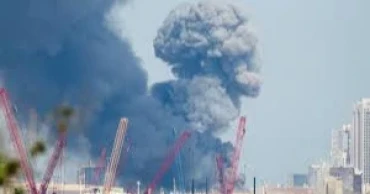
2 Bangladeshis killed, 7 injured in Middle East attacks
Two Bangladeshi nationals have lost their lives and seven others have sustained injuries due to missile and drone attacks in different parts of the Middle East.
The Ministry of Foreign Affairs shared the updates on Monday, stating that the government of Bangladesh is ‘deeply saddened’.
In the United Arab Emirates, Saleh Ahmed, a Bangladeshi national from Baralekha, Sylhet, tragically lost his life in Ajman after being struck by debris resulting from an aerial attack on a civilian installation.
The Embassy of Bangladesh in the United Arab Emirates is in close contact with the local authorities regarding the matter and is extending necessary assistance to repatriate the mortal remains once commercial flights resume, said the ministry.
It has been reported that one Bangladeshi national has been killed and three more have been injured in Bahrain.
Tehran refuses negotiations; Israeli air strikes kill 31 in Lebanon
Bangladesh Mission in Manama is in touch with the local authorities regarding the incident.
In the State of Kuwait, four Bangladeshi nationals, Aminul Islam from Nabinagar, Brahmanbaria; Rabiul Islam from Sathia, Pabna; Masudur Rahman from Begumganj, Noakhali; and Dulal Miah from Chandina, Cumilla, sustained injuries following a drone attack in the vicinity of the civilian airport.
They have received necessary medical treatment and are currently reported to be in stable condition.
The Embassy of Bangladesh in Kuwait remains in regular contact with them and the Ambassador personally visited them at the hospital, said the Ministry.
Separately, the Bangladesh Shipping Corporation vessel Banglar Joyjatra is currently stranded at Jebel Ali Port in the United Arab Emirates.
The Embassy is maintaining close communication with the vessel's captain. All crew members are reported to be safe.
The government of Bangladesh reiterated its deep concern over the escalating situation in the Middle East and continues to monitor developments closely.
3 months ago
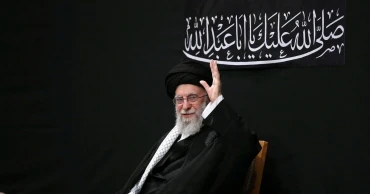
Dhaka saddened over assassination of Iran's Supreme Leader
Expressing deep sorrow over the assassination of Iran’s Supreme Leader Ayatollah Ali Khamenei in a targeted attack, Bangladesh on Monday said ensuring the safety and security of more than six million Bangladeshis living in the Middle East remains its top priority.
"Our embassies in the countries concerned have been asked to issue appropriate advisories for our nationals to remain vigilant and strictly follow the guidance issued by the respective host governments," said the Ministry of Foreign Affairs.
PM consults experts to overhaul Dhaka's traffic system
Foreign Minister Dr Khalilur Rahman sat in a meeting in the afternoon to discuss the situation in the Middle East as Bangladesh continues to be 'deeply concerned' at the safety and security of Bangladeshi nationals, a senior official told UNB.
State Minister for Foreign Affairs Shama Obaed, Foreign Secretary Asad Alam Siam and representatives from the relevant Ministries are attending the meeting.
The Foreign Minister is scheduled to brief the media at 4:30pm today.
Meanwhile, the MoFA in a statement said the government is "saddened to learn" that Iran's Supreme Leader Ayatollah Ali Khamenei was assassinated in a targeted attack which is a violation of international law and norms.
Bangladesh extended heartfelt condolences to the brotherly people of Iran.
"Bangladesh believes that conflict brings no solution and only dialogue, mutual respect and adherence to the international law can resolve disputes," MoFA said
The government of the People's Republic of Bangladesh is "deeply saddened" to inform that two Bangladeshi nationals have lost their lives and seven others have sustained injuries due to missile and drone attacks in different parts of the Middle East.
In the United Arab Emirates, Saleh Ahmed, a Bangladeshi national from Baralekha, Sylhet, tragically lost his life in Ajman after being struck by debris resulting from an aerial attack on a civilian installation.
The Embassy of Bangladesh in the United Arab Emirates is in close contact with the local authorities regarding the matter and is extending necessary assistance to repatriate the mortal remains once commercial flights resume.
It has been reported that one Bangladeshi national has been killed and three more have been injured in Bahrain.
Bangladesh Mission in Manama is in touch with the local authorities regarding the incident.
In the State of Kuwait, four Bangladeshi nationals, Aminul Islam from Nabinagar, Brahmanbaria; Rabiul Islam from Sathia, Pabna; Masudur Rahman from Begumganj, Noakhali; and Dulal Miah from Chandina, Cumilla, sustained injuries following a drone attack in the vicinity of the civilian airport.
They have received necessary medical treatment and are currently reported to be in stable condition.
The Embassy of Bangladesh in Kuwait remains in regular contact with them and the Ambassador personally visited them at the hospital.
Separately, the Bangladesh Shipping Corporation vessel Banglar Joyjatra is currently stranded at Jebel Ali Port in the United Arab Emirates.
The Embassy is maintaining close communication with the vessel's captain. All crew members are reported to be safe.
The government of Bangladesh reiterates its deep concern over the escalating situation in the Middle East and continues to monitor developments closely.
3 months ago

Japan provides $1.4m to support 36,000 Rohingya children in Bangladesh
Japan has signed a new agreement with Unicef, providing $1.4 million to deliver life-saving support to Rohingya refugee children and their families in Cox’s Bazar and Bhasan Char.
The funding will benefit more than 56,500 refugees, including over 36,000 children, through critical services in education, water, sanitation and hygiene (WASH), nutrition and health, Unicef said in a press release on Monday.
The agreement was signed by Japanese Ambassador to Bangladesh Saida Shinichi and Unicef Representative in Bangladesh Rana Flowers in Dhaka.
Ambassador Saida said the new assistance comes at a time of declining global humanitarian funding.
“I am pleased to announce Japan's new agreement with Unicef, especially amid declining global funding. This aid focuses on critical services like education, WASH, nutrition and health, reflecting Japan's long-standing partnership with Unicef and our strong commitment to human security,” she said.
He hoped that the support would enhance resilience and dignity of both Rohingya refugees and host communities, reaffirming Japan’s commitment to the humanitarian response.
Now entering its ninth year, the Rohingya crisis remains one of the world’s largest and most protracted humanitarian situations. Overcrowded camps, disease outbreaks, malnutrition and limited access to learning spaces continue to put children at significant risk.
Rana Flowers said Rohingya children face daily risks ranging from disease and malnutrition to disrupted education.
“The support from the Government of Japan will help keep children healthy and in learning, promote skill-building pathways and equip families to better care for their youngest children,” she said, describing the partnership as a vital investment in children’s survival, dignity and future.
Under the agreement, Unicef will expand access to the Myanmar Curriculum on Bhasan Char and support formal education and skills training for adolescents in Cox’s Bazar.
The partnership will also strengthen safe water supply systems and sanitation facilities to reduce outbreaks of cholera, dengue and other diseases. Hygiene supplies, including soap and menstrual hygiene materials, will be distributed to households to support public health and gender equity.
Rohingya man held with 'Yaba pills' in Bandarban
Aligned with Japan’s global advocacy for universal health coverage, the support will scale up services to prevent and treat child malnutrition and improve maternal and newborn health care, including services at the Newborn Stabilisation Unit on Bhasan Char and primary health centres in Cox’s Bazar.
Since the start of the Rohingya emergency in August 2017, Japan has contributed over $250 million to UN agencies and NGOs in Bangladesh for the refugee response, including around $47 million through Unicef to support Rohingya children and families.
3 months ago
Bangladesh Embassy in Abu Dhabi to stay open Monday, citizens urged to prioritise safety
The Bangladesh Embassy in Abu Dhabi will remain open on Monday, but Bangladeshi citizens have been urged to prioritise their safety and stay in secure locations amid the prevailing situation.
In a message issued on Sunday night, the Embassy of Bangladesh in the United Arab Emirates requested expatriate Bangladeshis to avoid visiting the embassy unless it is absolutely necessary for urgent matters.
“Please rest assured that the government of Bangladesh and the Embassy stand firmly by your side, and the UAE government remains fully committed to ensuring the safety and security of all residents. Stay safe and remain informed,” the message said.
Bangladesh Ambassador to the UAE Tareq Ahmed also echoed the call, urging Bangladeshi nationals to remain cautious and follow local advisories.
3 months ago

Bangladeshi among 3 killed, 58 injured in UAE as Iranian attacks continue
Three people, including a Bangladeshi national, were killed and 58 others injured in the United Arab Emirates since the launch of Iranian attacks on February 28, the UAE Ministry of Defence said on Sunday.
The casualties include individuals of Emirati, Egyptian, Ethiopian, Filipino, Pakistani, Iranian, Indian, Bangladeshi, Sri Lankan, Azerbaijani, Yemeni, Ugandan, Eritrean, Lebanese and Afghan nationalities.
According to the ministry, the country’s air force and air defence systems have intercepted 165 ballistic missiles, two cruise missiles and 541 Iranian drones since the beginning of the assault on February 28, 2026.
On the second day of the attack, armed forces shot down 20 ballistic missiles, while eight others fell into the sea. Two cruise missiles and 311 drones were also destroyed, although 21 drones managed to hit civilian sites, demonstrating what the ministry described as the armed forces’ ability to counter multiple threats.
Since the start of hostilities, 165 ballistic missiles launched from Iran were detected, of which 152 were intercepted and 13 fell into the sea. Both cruise missiles identified were successfully destroyed, reports Gulf News.
Out of 541 drones tracked, 506 were intercepted, while 35 landed within the country, resulting in material damage. The ministry said falling debris from intercepted missiles and drones caused minor to moderate damage to several civilian properties in different parts of the country.
Reaffirming its readiness, the ministry said the armed forces remain fully prepared to confront any threat, adding that ensuring the safety of citizens, residents and visitors remains its top priority.
The authorities also urged the public to rely on official sources for information and refrain from spreading rumours or unverified reports.
3 months ago

Bangladesh condemns sovereignty violations in Gulf states
Bangladesh on Sunday condemned the violation of sovereignty of some countries, including Bahrain, Iraq, Jordan, Kuwait, Qatar, Saudi Arabia and the United Arab Emirates.
Bangladesh hopes that calm will prevail at the earliest, and peace, security and stability will be restored soonest across the region, said the Ministry of Foreign Affairs.
In the wake of attacks on Iran, Bangladesh continues to be 'deeply concerned' at the safety and security of Bangladeshi nationals residing in this country.
Khamenei’s death: Who will be Iran’s next supreme leader?
Bangladesh warned that the continuation of hostilities will only endanger regional peace, stability and the wellbeing of civilian populations.
Bangladesh called upon all concerned parties to exercise maximum restraint and return to diplomacy to resolve the differences.
3 months ago
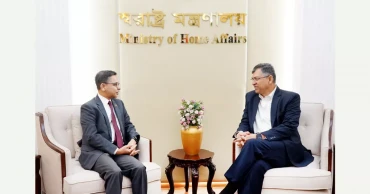
Home Minister Salahuddin urges India to prevent border killings
Home Minister Salahuddin Ahmed on Sunday said he has urged Indian High Commissioner to Bangladesh to take necessary measures to ensure that the incidents of ‘border killings’ do not happen in the future.
“I told the Indian High Commissioner that we do not want to hear about any more border killings. The BGB and BSF should continue holding meetings on this issue and avoid such incidents as much as possible,” he said.
He made the remarks while talking to reporters at the Home Ministry after a meeting with Indian High Commissioner to Bangladesh Pranay Kumar Verma at the Secretariat.
Responding to a question about the discussions, the minister said border issues were discussed in detail.
The Indian side expressed sincerity and assured that necessary instructions would be given to the relevant agencies, said the home Minister.
When asked about Indian tourist visas, Salahuddin said Indian consulates and visa offices had come under attacks over the past one and a half years, which hampered full-scale visa operations.
They have, however, assured that the visa activities will be resumed gradually, he added.
The minister said the Indian High Commissioner paid a courtesy call as part of ongoing diplomatic engagements following the formation of a new government. “As neighbouring countries, we have trade and business relations with India. The High Commissioner also discussed security aspects,” he said.
Besides, Bangladesh sought cooperation from India on the basis of mutual interest, dignity and benefit, he added.
“We will maintain our relations. We expect India to uphold the relationship on the basis of sovereign equality and mutual respect across all areas, including trade, business and diplomacy,” said the minister.
3 months ago

Bangladesh closely monitoring Middle East situation: Minister
The Bangladesh government is closely monitoring the situation in the Middle East, Religious Affairs Minister Kazi Shah Mofazzal Hossain Kaikobad said on Saturday.
He made the remarks while visiting passengers stranded at Hazrat Shahjalal International Airport due to the ongoing tense situation in the region.
During the visit, the minister spoke with the stranded passengers, listened to their concerns, and assured them that the government is supporting them during this difficult time.
“The safety and welfare of the passengers is our top priority. Coordination is ongoing with the concerned authorities to ensure their speedy travel once the situation normalizes,” he said, urging everyone to remain patient.
Several international flights have been canceled amid the tension, leaving many Umrah passengers stranded. Flights to destinations including Amman, Kuwait, Dubai, Abu Dhabi, Doha, and Bahrain have been suspended. Airport authorities and related agencies are working to manage the situation and provide information to passengers.
Besides, Bangladesh expressed deep concern over the welfare of its citizens in the Middle East in the wake of recent hostilities in the region including Iran.
Foreign Minister Dr Khalilur Rahman, State Minister for Foreign Affairs Shama Obaed Islam, Adviser to the Prime Minister on Foreign Affairs Humaiun Kobir and Foreign Secretary Asad Alam Siam held an emergency meeting to review the evolving situation in the Middle East in the evening.
END/UNB/M-SIS/ssk
3 months ago
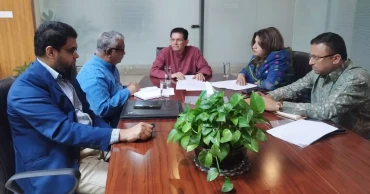
Dhaka deeply concerned over safety of Bangladeshis in Middle East
Bangladesh on Saturday expressed deep concern over the welfare of its citizens in the Middle East in the wake of recent hostilities in the region including Iran.
Bangladesh has already initiated actions to ensure the safety and security of its premises in Tehran, its diplomats and other staff in the Embassy, as well as Bangladeshi students in Iran.
Foreign Minister Dr Khalilur Rahman, State Minister for Foreign Affairs Shama Obaed Islam, Adviser to the Prime Minister on Foreign Affairs Humaiun Kobir and Foreign Secretary Asad Alam Siam held an emergency meeting to review the evolving situation in the Middle East in the evening.
During the meeting, they spoke to the Head of Bangladesh Mission in Tehran.
Bangladesh regrets the failure of negotiations and expresses deep concern at the latest escalation of hostilities in the Middle East, said the Ministry of Foreign Affairs.
It re-emphasised the importance of respecting the sovereignty and territorial integrity of every country in the region.
Bangladesh said it strongly believes that conflict brings no solution and only dialogue, mutual respect and adherence to international law can resolve disputes.
Bangladesh also urged all parties to exercise maximum restraint, avoid further escalation and immediately pursue diplomatic efforts to de-escalate.
Bangladesh reaffirmed its consistent position in favour of peace, stability and security in the Middle East, and called upon the international community to intensify efforts towards restoring calm and facilitating dialogue.
The suspension of air traffic and air space is affecting Bangladeshi workers destined for the Middle East.
The government has already requested all the relevant countries to allow stranded citizens, including workers, destined for the Middle East to enter when the situation improves and received assurances from some of the countries in this regard.
Bangladesh authorities have also taken measures to accommodate the needs of stranded workers at different airports in Bangladesh.
3 months ago

Engage diaspora strategically and proactively: Speakers
Speakers at a dialogue on Saturday said Bangladesh needs to proactively and strategically engage its global community, an estimated 2.4 million diaspora members across regions, particularly in the USA, UK, Canada, Australia, and EU countries.
They said this community holds significant potential in investment, innovation, knowledge exchange, skills, networks, and policy engagement, yet much of this remains underutilised.
The dialogue titled “Unlocking Diaspora Potential in Nation-Building" was held in Dhaka as Bangladesh enters a new phase under a new government. Jointly organised by BOND, Club JCI, Next 50, The Daily Star, and Oxfam in Bangladesh, the event brought together around 60 participants from Bangladesh and key diaspora locations, both in person and online.
The discussion emphasised a structured national system for consistent diaspora engagement, noting current efforts remain dispersed, with limited institutional mechanisms and practices linking global Bangladeshis to national development priorities.
Keynote speaker Dr Tanzil Shafique, Associate Professor at the University of Sheffield, said the core challenge is not diaspora interest but the lack of credible engagement pathways.
Drawing on international experience, he proposed a four-layer model: a “Front Door” for entry, clear pathways for service, investment and knowledge, a trust infrastructure for transparency, and delivery partnerships across government, the private sector and institutions.
Moderating the session, Md Sariful Islam, Head of Influencing, Communications, Advocacy and Media (ICAM) at Oxfam in Bangladesh, highlighted the need to move beyond a remittance-focused view of the diaspora.
He noted that diaspora contributions need to extend to investment, entrepreneurship, knowledge transfer, policy engagement, and international representation.
Quazi M. Ahmed, founder of BOND, highlighted gaps in participation mechanisms and called for platforms that ensure coordination and trust.
Anis Rahman, the former president of Billions for Bangladesh, emphasised the need for a functional, one-stop service to facilitate diaspora investments. Syed Saiful Haque, Chairman of the WARBE Development Foundation, noted that policy frameworks are required to connect diaspora engagement with migration, skills, and labour systems.Diaspora representatives shared their perspectives on opportunities and constraints.
Muzahid Khan MBE DL from the UK stated that diaspora communities are interested in engaging with Bangladesh but require accessible platforms and clear processes.
From a business and technology perspective, Syed Almas Kabir, former President of BASIS, referred to international examples, like those from India, and stressed the need for Bangladesh to develop mechanisms that support diaspora investment and collaboration.
Representing the Bangladesh Investment Development Authority (BIDA), Director Shah Nusrat Jahan outlined ongoing efforts to simplify procedures and encouraged diaspora stakeholders to engage with the agency.
Former Ambassador Mosud Mannan reflected on his diplomatic experience, noting that diaspora members consistently expressed willingness to contribute, but previous initiatives lacked coordination and continuity.
Additional contributions from participants across sectors—including health, technology, logistics, youth engagement, and entrepreneurship—pointed to opportunities for collaboration in areas such as digital innovation, supply chain systems, and enterprise development.
Speakers including A Gafur, Dr Chowdhury H. Ahsan, Iqbal Bahar Zahid, Dr Ferdoush Saleheen, Monjur Chowdhury, Dr. Nehal Mahtab, Dr. Farazi Binti Ferdous, Shehtaz Chowdhury, Gazi Jishan, Belal Breaga Bakht, Imran Kadir, and Minhaz Anwar, SM Arifuzzaman, and others talked about the need for structured engagement mechanisms to enable these contributions.
Venezuelan diaspora cautious despite Maduro’s ouster
The dialogue concluded with proposed actions, including a National Diaspora Engagement Policy, an authority, a digital platform for verified opportunities, a revised diaspora bond, diaspora councils in key locations, and transparent systems for investment, reintegration, and dispute resolution.
These recommendations are being compiled into a policy brief, highlighting the need to shift from fragmented efforts to structured systems enabling diaspora participation in national development.
3 months ago