health-fitness

Cancer survivor Manisha Koirala shares wellness journey, says ageing changed her approach to fitness
Actor and cancer survivor Manisha Koirala has shared an honest account of her health and fitness journey, saying she learned that ageing changes the body and that healing requires patience rather than pushing harder.
In a recent Instagram post, the 55-year-old actor said her gym updates are not about appearance but about regaining her health after years of putting it on the back burner.
Koirala, who was diagnosed with advanced-stage ovarian cancer in 2012 and declared cancer-free in 2013 after surgery and chemotherapy, said she gradually lost healthy routines because of life's pressures, including less sleep, more stress and irregular habits.
She said she decided to make her health her top priority before starting her next project. Believing that daily workouts and carefully tracking calories and protein would bring quick results, she expected to see major changes.
However, despite exercising regularly, the number on the weighing scale did not change. She even bought a new scale, thinking the old one was faulty, but the result remained the same.
Koirala admitted she became frustrated and emotional before consulting doctors and health experts, who explained that the body naturally changes with age.
She said she eventually realised that her body no longer needed punishment or extreme effort but understanding and a different approach to wellness.
After following a more balanced and holistic health plan for four months, she said she finally began seeing progress and now feels stronger, healthier and more hopeful, although she is still working towards her fitness goals.
Koirala also encouraged people facing similar struggles not to lose hope if results take time.
"Sometimes your body is asking for patience, not perfection," she wrote.
Her post received widespread support from fans, many praising her honesty and thanking her for sharing the challenges behind her recovery and wellness journey.
Source: NDTV
20 hours ago
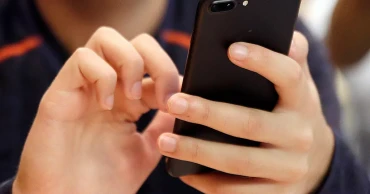
How to ease thumb pain from texting, scrolling on smartphones
Frequent texting, scrolling and prolonged smartphone use can strain the hands and thumbs, causing pain, stiffness and discomfort that may develop into more serious conditions if left unaddressed, according to medical experts.
Often referred to as "texting thumb," the condition includes symptoms such as aching joints, stiffness, pain near the base of the thumb and clicking sensations during movement. Repetitive use of smartphones can also increase the risk of conditions such as carpal tunnel syndrome, thumb arthritis, trigger thumb and De Quervain's tenosynovitis.
Experts say modern smartphones are larger and heavier than earlier devices, while people now spend significantly more time using them—not only for calls and messages but also for social media, online banking, streaming videos and other daily activities.
Dr. Maureen O'Shaughnessy of the University of Kentucky HealthCare Hand Center said smartphones are now an integral part of everyday life, making it more practical to adopt healthier usage habits rather than avoiding devices altogether.
She advised users to avoid maintaining the same hand, wrist and elbow position for extended periods, as this can strain tendons and joints. Alternating hands while texting, using different fingers instead of relying solely on the thumbs, and changing posture regularly can help reduce stress on the hands.
Experts also recommend making use of smartphone accessibility features such as voice-to-text and increasing font size to lessen thumb movement and reduce the need to hold the phone close to the face.
Grip accessories, including ring or loop attachments on the back of phones, can improve comfort by distributing the device's weight more evenly across the hand. These accessories can also serve as stands when watching videos.
Daily stretching exercises may also provide relief. Doctors suggest gently flexing the wrists, stretching the fingers and moving the thumbs in small circles. For pain at the base of the thumb, placing the hand flat on a surface and gently pulling the thumb away from the fingers for about 30 seconds may help ease discomfort.
Medical experts advise seeking professional treatment if pain, numbness or tingling continues despite reducing screen time and using home remedies such as ice packs or over-the-counter anti-inflammatory medication.
Dr. Eugene Tsai of Cedars-Sinai Orthopaedics and Sports Medicine noted that human hands were not designed for prolonged smartphone use and emphasized the importance of taking regular breaks and using devices in ways that reduce strain on the joints and tendons.
18 days ago

Son preference pressure driving health risks for African mothers, study shows
Deep-rooted cultural pressure to have baby boys is putting many African women at risk of repeated pregnancies and serious health complications, according to a report highlighting maternal health challenges across sub-Saharan Africa.
In the Democratic Republic of Congo, one man, Prosper Mbumba, said he and his wife kept trying for a son after having four daughters, reflecting a widespread belief in some communities that male children are needed to continue family lineage.
“In my tribe, in my culture, that was like an insult, having only daughters,” said Mbumba, a human rights activist. He said he only felt “a little satisfied” after the birth of his first son.
His wife, Régine Ntumba, said she felt relief and happiness when they finally had a boy.
The issue is part of a broader maternal health crisis in sub-Saharan Africa, which records about 180,000 pregnancy-related deaths each year and accounts for around 70% of global maternal deaths, according to the World Health Organization.
Experts say high fertility rates, limited access to contraception, and weak health systems are major drivers of risk. In Congo, women have an average of 5.9 children, according to UN data, partly due to cultural expectations and limited family planning services.
Health workers say women are often blamed for not giving birth to boys, increasing pressure to continue having children even when pregnancies become risky.
“Mostly it is the woman who is blamed for giving birth to a girl,” said Patrick Djemo, who leads MSI Reproductive Choices in Congo. He said many women face pressure from partners and families to avoid contraception and continue childbearing.
Midwives and health workers describe repeated cases of women seeking sons even during high-risk pregnancies, sometimes under severe medical conditions. In one case recalled by a midwife, a woman in her ninth childbirth expressed distress upon learning she had another daughter.
The pressure continues even among educated families in urban areas, where women report threats of marital breakdown if they do not produce a male child.
Health experts warn that such social expectations contribute to unsafe pregnancies, limited use of family planning, and preventable maternal deaths across the region.
1 month ago

Pregnancy linked eating disorders often go undetected, experts warn
Pregnancy can be a deeply challenging time for women with eating disorders, with experts warning that the physical and emotional changes can sometimes trigger relapse or new symptoms that often go unnoticed.
When Elizabeth Claydon became pregnant at 27, she noticed rapid changes in her body that she found difficult to accept. Like many pregnant women, she experienced hormonal shifts, weight gain and physical transformation. But for her, it also triggered distressing thoughts about body image.
“Some days I was okay with the changes and other days it would be really difficult,” she said. “I would look in the mirror and I wouldn’t see myself.”
Claydon had previously suffered from anorexia nervosa in her teenage years and later experienced a relapse before becoming pregnant. She says her eating disorder thoughts returned strongly as her pregnancy progressed, creating what she described as a “battle” between her mind and her changing body.
Experts say such experiences are not widely recognised but are not rare. Research suggests about one in 20 pregnant women experience an eating disorder, either as a relapse or for the first time during pregnancy.
Professor Gemma Sharp, an eating disorder specialist at the University of Adelaide, said pregnancy can be a “perfect storm” due to rapid physical, hormonal and emotional changes. However, she added it can also become a turning point for recovery if proper support is provided.
Studies show that many pregnant and postpartum women struggle with body dissatisfaction, while eating disorders often go undetected due to stigma and lack of screening. Experts say many women avoid seeking help, fearing judgement or believing they should have outgrown such conditions.
The condition, sometimes referred to as “pregorexia,” can have serious health risks for both mother and baby, including complications during pregnancy, low birth weight, premature birth and developmental issues.
Doctors warn that poor maternal nutrition can also affect long-term child health, influencing risks of obesity, diabetes and heart conditions later in life. However, experts say more research is needed to fully understand the impact due to limited data.
The risks do not end after childbirth. Around 13% of women experience eating disorders in the postpartum period, often triggered by sleep deprivation, hormonal changes and pressure to quickly regain pre-pregnancy body shape.
Courtney Louise, a mother and fitness instructor in Australia, said she experienced severe emotional distress after childbirth linked to her past anorexia. “I felt trapped,” she said, describing intense mood swings and emotional breakdowns during the postpartum period.
Health experts say the problem is often missed in medical settings because pregnancy symptoms such as nausea can mask eating disorder behaviours. In many cases, women also avoid disclosing their condition due to shame or fear of judgement.
Specialists say awareness and non-judgemental care are key. Some researchers have developed new guidelines and support resources, but there are still no specific treatments designed exclusively for pregnant women with eating disorders.
Experts recommend better screening, sensitive communication, and multidisciplinary care involving doctors, dietitians and mental health professionals.
“Everybody has an eating disorder alone, but nobody recovers alone,” said psychologist Linda Shanti.
With inputs from NDTV
1 month ago

Why walking is one of the most effective exercises for health
A simple daily walk may be one of the most powerful habits for long-term health, according to a US-based heart specialist.
Jeremy London, a cardiovascular surgeon based in Savannah, Georgia, says walking regularly can strengthen the heart, improve blood circulation, reduce stress and lower the risk of chronic diseases.
In a video shared on Instagram, London explains that even moderate walking can make a meaningful difference to overall health. “It’s super simple, but it’s really powerful,” he says. “It decreases cardiovascular risk, controls blood pressure, controls blood glucose, and helps control weight.”
He notes that the benefits of walking increase with frequency and duration, but even small amounts of daily movement are effective in improving health outcomes.
Key benefits of walking
London highlights several health benefits linked to regular walking:
Longevity: Walking is associated with a lower risk of death from all causes. “More is better, but even modest amounts move the needle,” he says.
Heart and metabolic health:Regular walking helps manage blood pressure, blood sugar levels and body weight, supporting overall heart and metabolic health.
Brain health and mood:Walking is also linked to better mental well-being, including reduced stress, improved mood and a lower risk of cognitive decline.
Beyond physical health:London also points to less measurable benefits, such as spending time outdoors and having space to think. “Some of the best ideas come during a walk,” he notes.
Experts say walking remains one of the easiest and most accessible forms of exercise, offering benefits for both physical and mental health when done consistently.
Source: NDTV
1 month ago
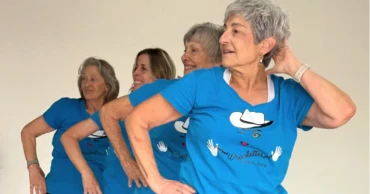
Dancing keeps older adults healthy, active and socially connected, experts say
Moving to music is proving to be one of the best ways for older adults to stay healthy, active and socially engaged, according to health experts in the United States.
At a dance practice in Arizona, 87-year-old Carol Ross leads a group of women aged 50 and above in tap and jazz routines, smiling as she calls out steps. Ross, who founded the Rodeo City Wreckettes more than two decades ago, says dancing has been a lifelong passion that keeps her energized.
Medical professionals say dance can be as beneficial as other forms of exercise, helping older adults improve strength, balance, flexibility and even brain health. It also supports mental wellbeing and social connection.
Experts note that any style of dance — from ballroom and salsa to line dancing or fitness routines like Zumba — can offer similar benefits.
Health specialists say dancing can reduce the risk of falls and help improve mobility, especially when routines include movements such as stepping backwards or balancing on one leg.
Doctors also recommend older adults include regular dance sessions as part of their weekly exercise routine, alongside aerobic activity.
Members of the Wreckettes rehearse twice a week for two-hour sessions, performing at community events, rodeos and retirement homes. The group often donates its earnings to charity.
For many members, dancing also helps build friendships and reduce loneliness, especially after major life changes such as retirement or the loss of a partner.
Several dancers say staying active is their way of ensuring a healthier and more fulfilling life in old age.
The group also regularly performs for people in care homes, where music often helps lift the mood of residents, especially those in memory care units.
Similar dance groups for seniors in other US cities also perform regularly, saying learning routines helps keep both body and mind sharp.
Health experts advise those interested in starting dance later in life to first consult a doctor, begin with simple routines, and look for classes at community centres, gyms or online platforms.
They also recommend wearing comfortable clothing and warming up properly before starting any dance session.
2 months ago

‘Office air’ trend highlights impact of long indoor work hours on health and appearance
A growing social media trend dubbed “office air” is drawing attention to how long hours spent in indoor office environments may leave people feeling and looking more tired, dull and less refreshed by the end of the day.
Online users have been sharing posts and videos with phrases such as “office air is ruining your makeup”, “office air is making your skin dull” and “office air is making you tired,” describing a widely felt experience among office workers.
The trend, which has gained popularity across social media platforms in recent months, often shows before-and-after comparisons of individuals at the start and end of their workday. Many users report visible changes such as faded makeup, oily or flat hair, dry skin and signs of fatigue.
Experts say these effects may be linked to poor indoor air quality, which can cause headaches, tiredness, difficulty concentrating, eye irritation and “brain fog” after prolonged exposure.
Dr Aravinda S N, Lead Consultant in Internal Medicine at Aster RV Hospital in Bangalore, said most modern offices are enclosed spaces with limited fresh air circulation, leading to a buildup of carbon dioxide, dust, allergens and volatile organic compounds (VOCs) from furniture and cleaning products.
“When carbon dioxide gets too high, particularly in packed meeting rooms, alertness can drop, and thinking skills get less sharp, so employees feel worn out and mentally sluggish,” he said.
He added that poor ventilation may also allow mould and other pollutants to accumulate, while increasing the risk of airborne infections in shared office spaces.
According to him, viruses can remain suspended in the air for longer in poorly ventilated environments, especially in air-conditioned and closed meeting rooms, increasing the risk of illnesses such as influenza, the common cold and COVID-19.
Dr Aravinda stressed the need for better ventilation, regular HVAC maintenance, air purifiers with HEPA filters and increased exchange of outdoor air to reduce airborne contaminants and improve workplace health conditions.
He said improved airflow can also help reduce indoor humidity and pollutants that irritate the respiratory system and weaken immunity, particularly in shared areas such as cafeterias, conference rooms and elevators.
Skincare specialist Dr Sunil Kumar Prabhu, Consultant Dermatologist and Aesthetic Physician at the same hospital, said prolonged exposure to air-conditioned environments can also affect skin and scalp health.
He said air conditioning reduces indoor humidity, causing the skin to lose moisture faster, which can lead to dryness, tightness, flaking and irritation.
Over time, this may weaken the skin barrier, reduce elasticity and contribute to the early appearance of fine lines, making the skin look dull or prematurely aged, he noted.
Dr Prabhu added that low humidity and poor ventilation may worsen conditions such as eczema, rosacea and sensitive skin by triggering itching, redness and irritation.
He also said indoor pollutants, dust, cleaning chemicals, temperature changes and stress can further aggravate skin sensitivity and flare-ups.
On scalp health, he noted that prolonged exposure to air-conditioned environments may cause dryness, itching, flaking and dandruff, while also leading to rough hair texture, frizz and breakage due to loss of natural oils.
He advised maintaining proper hydration, using gentle shampoos, regular conditioning and avoiding excessive heat styling to protect hair and scalp health.
Regarding skincare routines, Dr Prabhu said office workers often benefit more from barrier-repair-focused products rather than only lightweight moisturisers.
He recommended ingredients such as ceramides, hyaluronic acid, glycerin, niacinamide and fatty acids to help restore moisture balance and strengthen the skin barrier.
He also cautioned against common mistakes such as skipping moisturiser, poor hydration, neglecting sunscreen indoors, over-washing the face, using harsh cleansers, wearing heavy makeup for long hours and ignoring sleep, nutrition and stress management.
A simple and consistent skincare routine, along with adequate hydration and gentle products, can help maintain healthier skin during long indoor work hours, he added. #From NDTV
2 months ago

Ram Charan’s trainer compares him to Salman Khan, reveals fitness routine for ‘Peddi’
Telugu star Ram Charan has drawn fresh attention for his physical transformation and disciplined fitness regimen ahead of his upcoming film Peddi.
His fitness trainer, Rakkesh R Uddiyar, praised the actor’s strength, endurance and commitment, even comparing him to Bollywood superstar Salman Khan.
Speaking in an interview with Zoom, the trainer said Ram Charan displays similar physical resilience and discipline to Salman Khan, noting his ability to quickly recover from injuries and return to work. He also credited the actor’s mental strength and spiritual discipline for his fitness journey.
“Like Salman Khan, Ram Charan is also very strong… I believe a lot of strength comes from his spirituality,” the trainer said.
Intense training and strict diet plan
The trainer revealed that Ram Charan followed a structured and demanding fitness programme during preparation for Peddi, including cardio-focused routines, strength training and a controlled diet plan ranging between 1,800 to 2,500 calories with carb cycling.
He added that both Ram Charan and Salman Khan share similar fitness habits, including early-morning cardio sessions and maintaining a consistently lean physique.
The preparation phase also coincided with Ram Charan’s 41-day Ayyappa Deeksha, a spiritual observance involving strict dietary and lifestyle restrictions, which made training more challenging.
Describing the process, the trainer said maintaining a full vegetarian diet during intensive training required careful planning and discipline.
“It’s not a one-day programme. I have almost given one year and four months for his body,” he added.
Ram Charan is next set to appear in Peddi, directed by Buchi Babu Sana.
Source: NDTV
2 months ago

Preity Zinta shares simple lifestyle tips behind glowing skin at 51
Actress Preity Zinta has revealed that a simple, disciplined lifestyle is the key to her glowing skin, saying she avoids smoking and alcohol, drinks plenty of water and sticks to basic skincare.
Responding to a fan on social media, Zinta said her skincare routine is minimal and focuses on natural care rather than expensive or harsh products. She said she regularly uses sunscreen, chooses clean products and avoids strong ingredients like retinol, while also keeping makeup to a minimum so her skin can breathe.
The actress also said, skincare goes beyond what is applied externally. She stressed maintaining a balanced diet, regular exercise, proper sleep and managing stress, describing them as game changers for healthy skin.
She advised avoiding smoking, alcohol and unhealthy foods, noting that these can speed up skin ageing and affect overall health. Zinta also pointed out that habits like smoking, drinking alcohol and consuming inflammatory foods can speed up ageing and damage the skin, advising people to avoid them.
She added that staying hydrated is crucial, saying she drinks plenty of water and focuses on staying active and positive.
“Stick to the basics and be consistent,” she said, adding that simple habits can bring long-term results both in skincare and in life.
She is now 51 and a mother of two, continues to impress fans with her youthful appearance. She gained wide recognition for her role in Veer-Zaara and remains active in public life, often sharing lifestyle tips with her followers.
With inputs from NDTV
3 months ago

UK passes law to gradually end cigarette sales for future generations
Britain has moved closer to phasing out smoking for good after Parliament approved a new law that will stop future generations from legally buying cigarettes.
Under the Tobacco and Vapes Bill, anyone born after December 31, 2008 will never be allowed to purchase cigarettes. The measure, described by supporters as a landmark step in public health policy, now only needs formal approval from King Charles III before becoming law.
The law also gives the government wider powers to regulate tobacco, vaping and nicotine products, including rules on flavours and packaging.
Smoking is already banned for people under 18 in the UK, but the new system will gradually raise the buying age each year, effectively shutting future generations out of legal cigarette access entirely.
Health campaigners welcomed the decision. Hazel Cheeseman, chief executive of Action on Smoking and Health, said the move made the end of smoking “inevitable” after years of campaigning.
Health Secretary Wes Streeting said the policy would protect children from addiction, saying it would create “the first smoke-free generation.”
Britain’s smoking rate has fallen sharply since the 1970s, but about 6.4 million people, or roughly 13 percent of the population, still smoke, according to official data. Authorities say smoking causes around 80,000 deaths every year and remains the leading preventable cause of death and illness in the country.
The UK now joins a small group of countries taking strong legal steps to phase out smoking, although similar efforts in New Zealand were later rolled back.
3 months ago