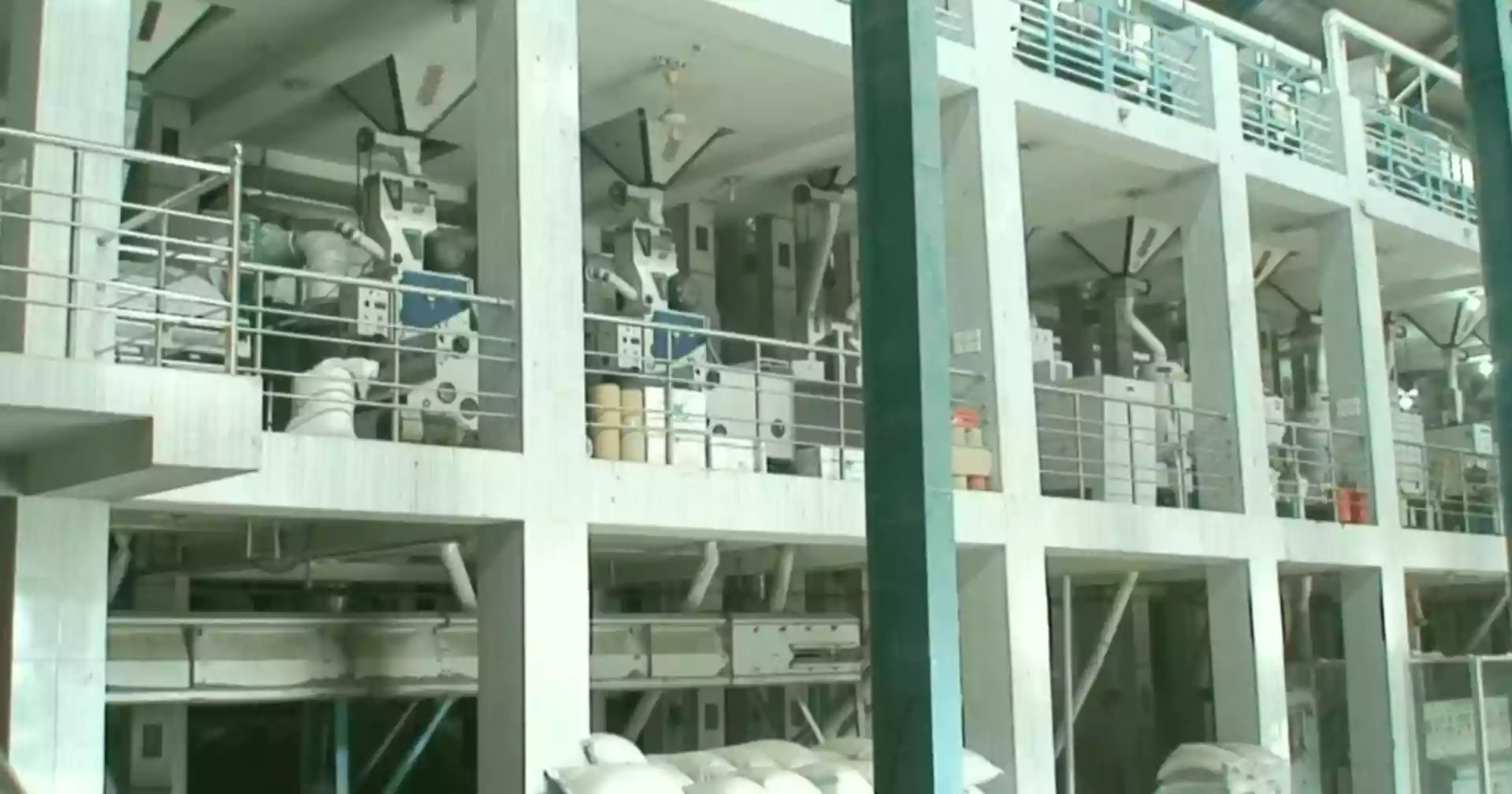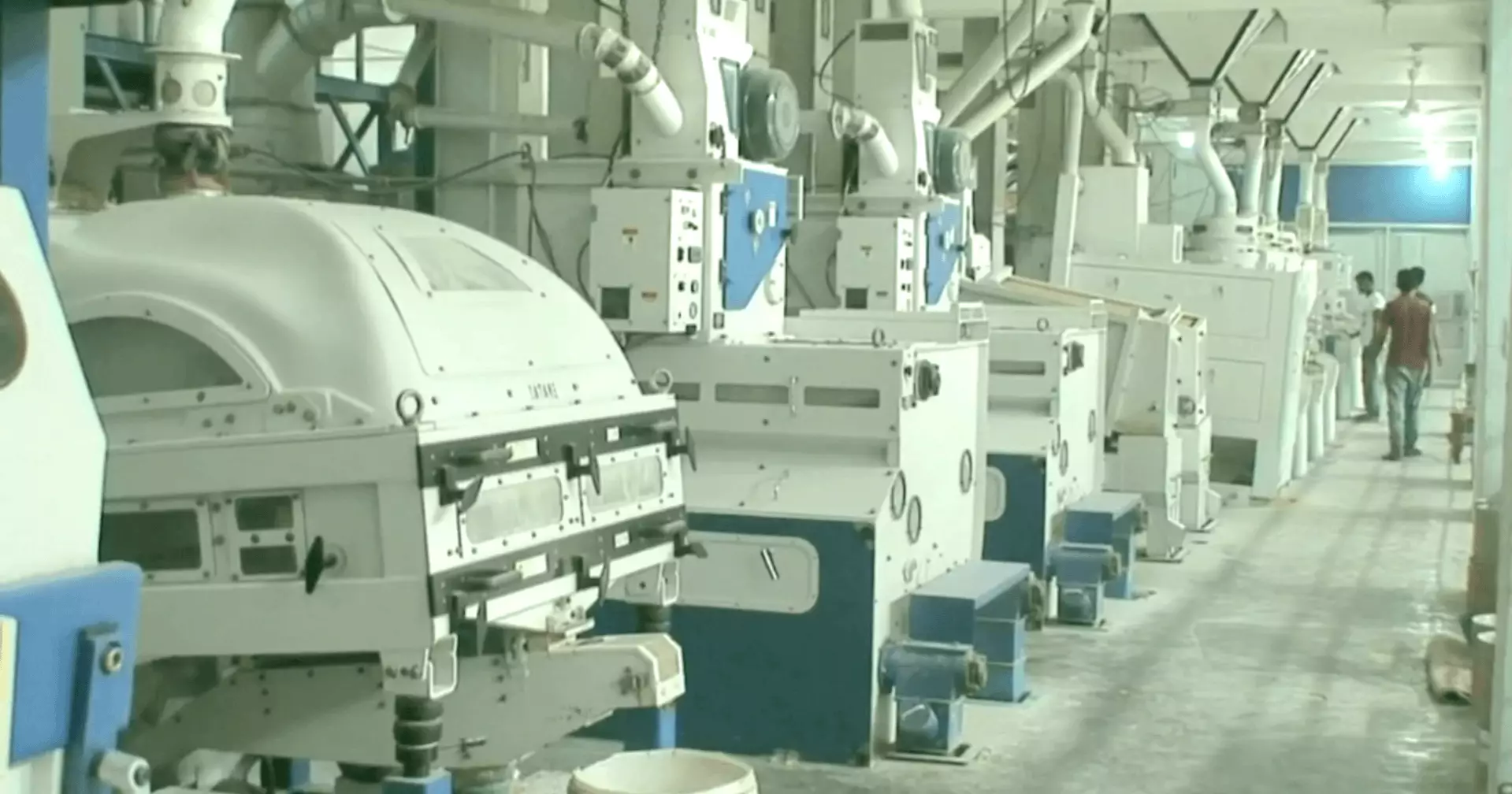
Acute load shedding caused by a shortfall in electricity supply is disrupting industrial production and irrigation in Naogaon, with factories cutting output and farmers struggling to keep Aman rice fields irrigated amid persistent hot weather.
Areas outside the district town are facing power outages of up to seven to eight hours a day while industries are increasingly relying on diesel-run generators to keep their operations going.
The additional fuel costs are squeezing profit margins, forcing some businesses to reduce operating hours despite continued demand for their products.
Naogaon, one of Bangladesh’s major rice-producing districts, has more than 700 rice mills. The district also has numerous small and large factories producing food and food products, agricultural machinery, plastics and light-engineering goods.
At Ghosh Automatic Rice Mill in Sultanpur of Naogaon municipality, which falls under the Northern Electricity Supply Company (Nesco), power was unavailable for around four hours between noon on Wednesday and 11am on Thursday.
“We faced load shedding five to six times in the last 24 hours. Each outage lasted around an hour,” said mill owner Dwijen Ghosh.
He said the mill has been using diesel to keep its machinery running during outages, sharply increasing production costs.
“Even though there is demand for our products we are having to shut the mill to save on diesel costs. If this continues, it will become impossible to keep the factory running,” he said.
At Nasim Brothers Automatic Rice Mill in Naogaon BSCIC industrial estate, manager Saiful Islam said the factory is experiencing five to six hours of load shedding every day, with individual outages lasting one to one and a half hours.
“Production has fallen by around 30 percent,” he said.
Although the mill has a generator running it continuously is too expensive because of the rising cost of diesel, he added.
The situation is also affecting businesses in the town.