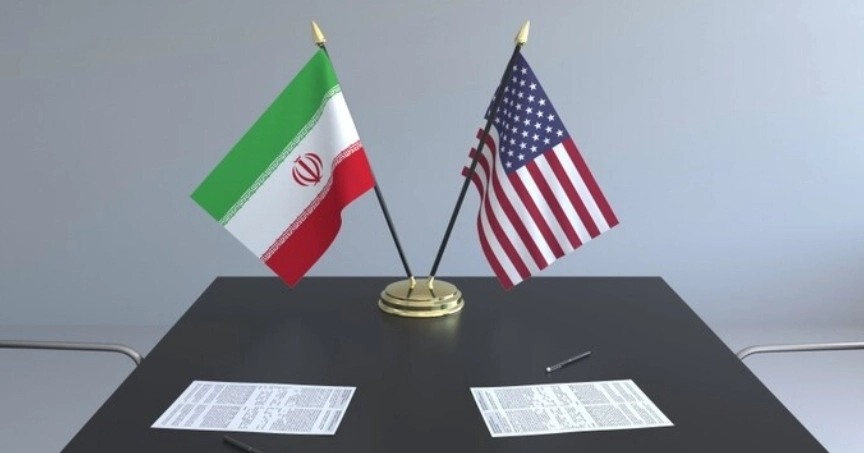
The United States and Iran have again traded strikes after a week in which U.S. President Donald Trump mused that fragile negotiations between them might be “over.”
The countries are now nearly halfway through the 60-day period that began with their signing of an interim deal aimed at permanently ending the war.
At stake are the lives of Iranians and others throughout the region, including Israel and Lebanon, along with foreign residents of Gulf nations, U.S. military personnel stationed in multiple countries and thousands of mariners on ships still hoping to exit the Strait of Hormuz.
The strait between Iran and Oman, considered an international waterway before the war, has become one of Tehran’s strongest pressure points in talks. Iran insists it alone now controls the strait.
Here’s a brief timeline of the war and efforts to end it:
Feb. 28
Israel and the U.S. attack Iran, killing Supreme Leader Ayatollah Ali Khamenei and other top officials, sparking the war. Iran quickly responds with strikes against Israel and across the Gulf region and asserts control over the Strait of Hormuz, a key waterway for global oil and natural gas supplies from the Gulf.
March 2
The Iranian-backed Hezbollah militant group in Lebanon enters the war by firing rockets at Israel.
Israel retaliates, leading to an invasion that will occupy large swaths of southern Lebanon.
March 8
Iran names one of Khamenei’s sons, Mojtaba, as the new supreme leader. He still has not been seen in public and is believed to be in hiding after reportedly being hurt in the war’s opening strikes.