A tough-on-crime outsider seen as supportive of US President Donald Trump has taken the lead in Colombia’s presidential election, while the ruling political camp has raised doubts over the first-round results, setting up a tense runoff vote.
Aberaldo de la Espriella led the first round held on Sunday, securing about 44% of the vote, according to nearly complete official results. He will face progressive senator Iván Cepeda, who won around 41%, in a second round scheduled for June as no candidate crossed the 50% threshold.
Cepeda, an ally of outgoing President Gustavo Petro, and Petro himself questioned the outcome, alleging without evidence that large-scale vote manipulation and foreign interference may have influenced the results. Electoral authorities have not confirmed any irregularities.
Cepeda said he would wait for a full review before fully accepting the outcome, though he acknowledged a runoff was likely. “Only when the vote-counting commissions have fully clarified what happened will we comment on tonight’s results,” he said.
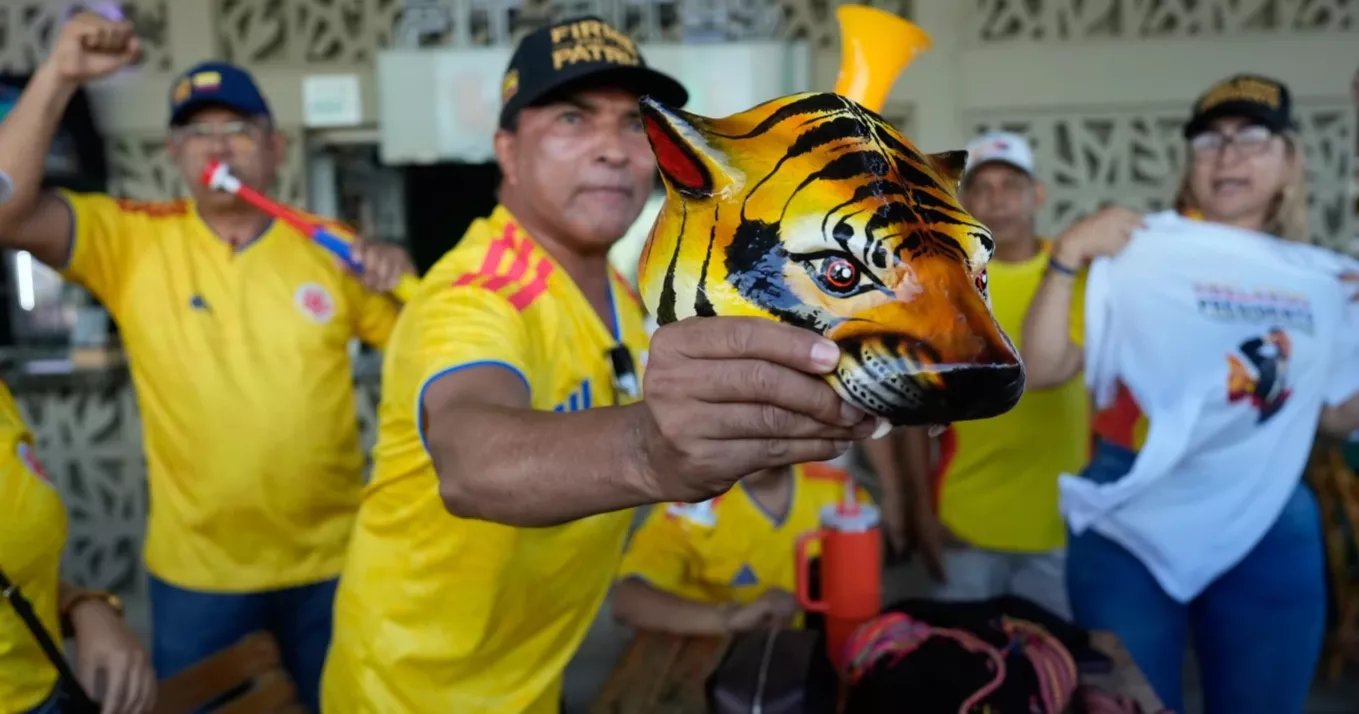
De la Espriella, a political newcomer known as “El Tigre” (The Tiger), has campaigned on a hardline security agenda, promising a strong crackdown on armed groups and organized crime. He has also called for international observers, saying he wants US and democratic institutions to monitor the runoff.
Cepeda, a left-leaning senator, has pledged to continue Petro’s peace-focused approach, including negotiating agreements with guerrilla groups and criminal networks under a “total peace” strategy. However, critics say the policy has struggled to reduce violence on the ground.
The close results reflect a sharp political divide in Colombia over how to deal with long-running insecurity, with one side backing peace talks and reforms, and the other pushing for tougher security measures.
De la Espriella is expected to benefit in the runoff from voters who supported other conservative candidates in the first round.
The election is widely seen as a referendum on Petro’s presidency, coming a decade after Colombia’s landmark peace deal with the FARC rebel group. While the 2016 agreement raised hopes of ending decades of conflict, violence has resurfaced in several regions, with armed groups expanding their influence.
In recent years, Colombia has also seen rising attacks, including drone strikes and political violence. The campaign period was marked by insecurity, including the killing of presidential hopeful Miguel Uribe Turbay at a rally last year.
Across the country, voters remain divided. Some support a tougher military-style crackdown similar to policies seen under El Salvador’s President Nayib Bukele, which reduced crime but drew criticism over human rights concerns. Others warn such approaches could deepen cycles of violence and undo fragile peace efforts.
Political analyst Juan Acevedo said the vote carries wider regional significance. “Whoever wins here will suggest to the region if progressive policies will continue or if things are going to return to the right,” he said.