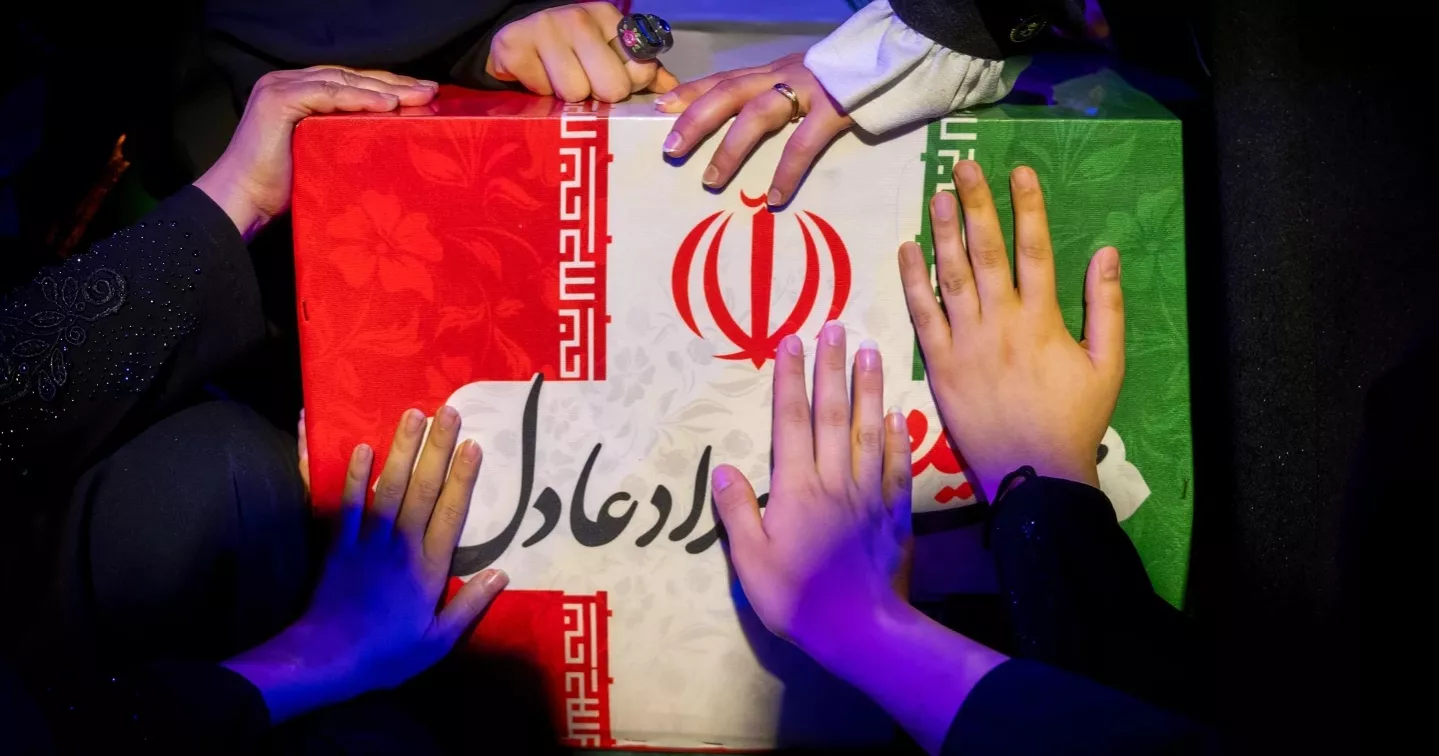
Iran is preparing for a dayslong funeral and burial ceremony for its late Supreme Leader Ayatollah Ali Khamenei, months after he was killed during the war involving Iran, the United States and Israel.
The ceremonies, beginning Saturday in Tehran, are expected to draw large crowds as authorities seek to demonstrate public support for the country's leadership. Khamenei, who led Iran for nearly 40 years, was killed on Feb. 28 after the United States and Israel jointly launched military strikes. His funeral was postponed because of the ongoing conflict.
The event is seen as a major test for Iran's leadership following months of unrest and a nationwide crackdown on anti-government protests.
Officials are expected to encourage government workers, supporters and paramilitary groups to participate in the funeral processions. However, large crowds also raise concerns about possible stampedes, similar to deadly incidents during previous state funerals in Iran.
The ceremonies will also take place during a fragile ceasefire and an interim agreement between Iran and the United States, which has reduced tensions enough for senior Iranian officials to appear publicly.
It remains unclear whether Iran's new Supreme Leader, Ayatollah Mojtaba Khamenei, the late leader's son, will attend the ceremonies. He is believed to have been injured in the attack that killed his father and has not appeared in public since.
Khamenei's body will lie in state at Tehran's Grand Mosalla on Saturday and Sunday. On Monday, it will be carried through the streets of Tehran before being taken to the holy city of Qom, about 120 kilometers south of the capital, where ceremonies will continue on Tuesday.
On Wednesday, the body will be taken to Karbala in neighboring Iraq, home to the shrine of Imam Hussein, an important religious site for Shiite Muslims. The same day also marks the anniversary of the nationwide protests against Khamenei's rule, during which thousands of people were reportedly killed in a security crackdown.
The final stop will be Mashhad, Iran's second-largest city, where Khamenei will be buried at the Imam Reza shrine.
The shrine, dedicated to Imam Reza, the eighth imam in Shiite Islam, is one of the religion's holiest sites and attracts millions of pilgrims every year. Several prominent Shiite clerics, including former Iranian President Ebrahim Raisi, who died in a helicopter crash in 2024, are also buried there.
Authorities are taking precautions to avoid a repeat of deadly crowd crushes seen at previous high-profile funerals.
During the funeral of Ayatollah Ruhollah Khomeini, founder of the Islamic Republic, in 1989, millions gathered in Tehran. The crowd overwhelmed security, causing Khomeini's coffin to fall into the crowd. Reports at the time said at least eight people were killed and around 11,000 were injured.
A similar tragedy occurred during the funeral of Revolutionary Guard General Qassem Soleimani in 2020, when a stampede killed at least 56 people and injured more than 2,000.
Meanwhile, efforts to reach a permanent agreement to end the Iran war continue. An interim deal reached in June opened a 60-day period for negotiations covering Iran's nuclear programme and the future of the Strait of Hormuz.
Technical-level talks began in Qatar this week, but progress has been slowed by major differences between the two sides and renewed exchanges of fire involving Iran and the United States over the strategic waterway.