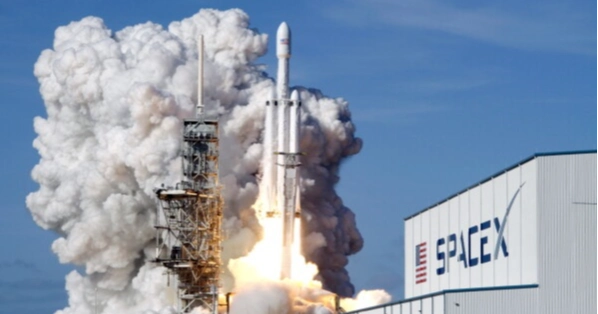
SpaceX is preparing for what could become one of the largest initial public offerings in market history, and the company is inviting everyday investors to take part alongside big financial institutions.
The firm, officially known as Space Exploration Technologies Corp., is planning to direct a larger-than-usual portion of its IPO shares to “retail” investors — people who buy and sell stocks through mobile apps or brokerage accounts, rather than large funds like pension or investment firms.
Typically, only a small share of IPO stock goes to retail buyers, but in SpaceX’s case it could be as high as 30%. Investors may be able to participate through platforms such as Charles Schwab, Fidelity, Robinhood, SoFi and E-Trade. At Fidelity, some investors with as little as $2,000 in their accounts could qualify, far lower than the usual entry thresholds for similar offerings. However, demand is expected to be so strong that many applicants may not receive shares.
Experts also warn that short-term trading could carry risks. Some brokerages may restrict access to future IPOs if investors quickly sell newly acquired shares, especially within days or weeks of listing.
Volatility is another concern. With heavy interest from retail traders, analysts expect sharp price swings, similar to so-called “meme stock” rallies seen in recent years, where sudden enthusiasm drove extreme market movements.
Historically, IPOs often rise on their first trading day — by an average of about 7% — but long-term performance tends to lag comparable companies over time, according to IPO researcher Jay Ritter.
SpaceX also enters the market with significant financial exposure. The company carries about $29.1 billion in debt and reported losses of $4.9 billion last year and another $4.3 billion in early 2026. It has also cautioned investors that it may not achieve profitability in the future, noting the high cost of rocket launches and advanced infrastructure development.
Ownership structure is another key issue. The IPO will offer Class A shares with one vote each, while founder Elon Musk will retain control through high-vote Class B shares. After the listing, Musk is expected to hold more than 82% of total voting power, giving him dominant influence over company decisions.
Some major institutional investors, including public pension funds in the US, have raised concerns about this structure, warning that it gives Musk excessive control and limits accountability to shareholders.
There is also a chance that even people who do not directly invest in the IPO could still end up owning shares indirectly. Large index funds such as those tracking the Nasdaq 100 could add SpaceX soon after listing, depending on eligibility rules, meaning millions of investors may gain exposure automatically.
Finally, investors should be careful not to confuse SpaceX with similar tickers. The company is expected to trade under the symbol “SPCX,” which is close to other existing listings in the market.