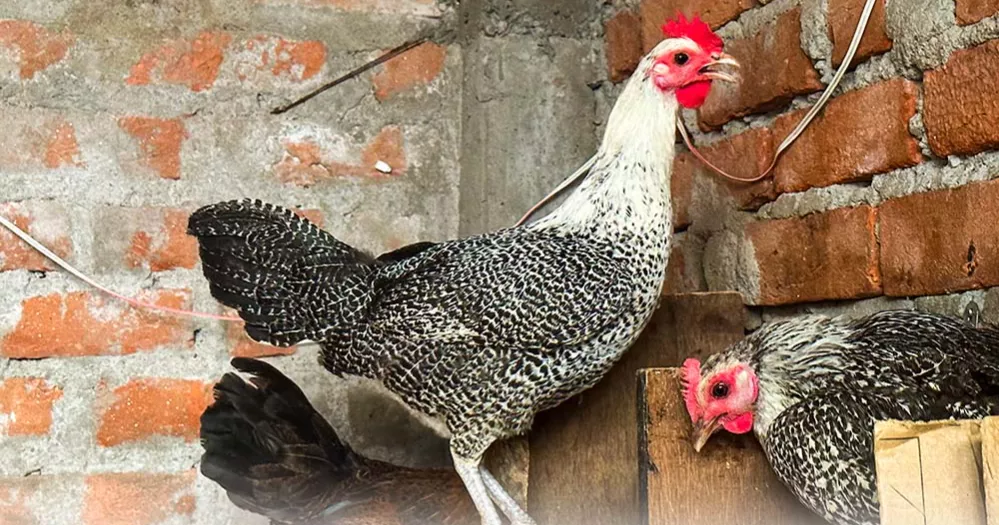
Small-scale farmers in Sirajganj are improving their financial condition by rearing improved breeds of poultry chicks produced at the Sirajganj Government Poultry Breeding and Development Farm.
Many farmers have already expanded their businesses from small-scale to medium-scale operations. The sale of the chicks is also generating significant revenue for the government.
According to farm sources, the government-run farm has been rearing 2,000 hens of the Fayoumi and Rhode Island Red (RIR) breeds for about two years. It has been producing chicks from their eggs for the past 18 months.
Local small-scale farmers and people interested in rearing poultry at home buy the chicks from the farm. They are sold at Tk 15 each from February to October and Tk 12 each from November to January.
Buyers can purchase the chicks from the farm every Wednesday between 8:30am and 4pm.
Small-scale farmers generally buy between 200 and 500 chicks at a time, while households purchase between 25 and 100 for domestic use.
The chickens are particularly popular among homemakers, many of whom rear them in their courtyards and homestead areas at a relatively low cost.
Once mature, the hens start laying eggs, and selling the eggs helps many women meet part of their household expenses.
Farmers said affordable chicks from the government farm had created opportunities for them to improve their livelihoods. However, they are now facing challenges due to rising electricity bills and the increasing costs of poultry feed and medicines.
Many women from poor and vulnerable households are also involved in rearing the birds. As the cost of raising them is relatively low, they can make a profit from selling the eggs and poultry.
Bahalul Karim, manager of Sirajganj Government Poultry Breeding and Development Farm, said small-scale farmers and homemakers were benefiting from rearing the chicks produced there.
He said demand for the chicks was high, with buyers often crowding the farm, making it difficult to meet the full demand.
Talking to UNB, Karim said Tk 10 lakh had been deposited in the government treasury this year from the sale of chicks of the two breeds.
He added that the initiative remained profitable even after production costs were taken into account.