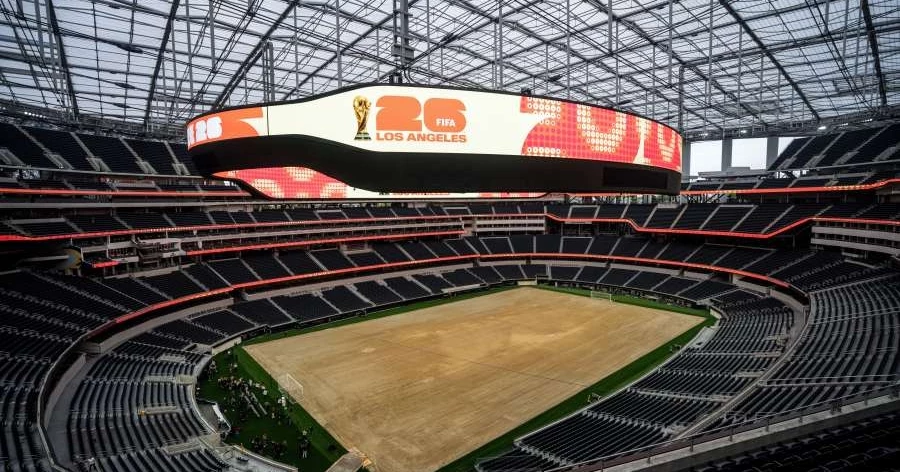
Stadium workers at SoFi Stadium near Los Angeles have voted to authorize a strike just days before the venue hosts the U.S. men’s soccer team’s opening World Cup match.
The vote does not mean an immediate walkout, but it gives around 2,000 bartenders, servers, cooks and dishwashers the option to strike if contract negotiations with the stadium’s food service provider collapse.
The development comes ahead of the June 12 match against Paraguay, one of the early fixtures of the tournament in the United States. A union representative said workers could go on strike during the match if no agreement is reached.
Workers say they are concerned about low wages and job security, particularly amid increased immigration enforcement under the current US administration. Local authorities have said federal agents may be present at World Cup events for security purposes, but not for immigration enforcement.
“What good is the World Cup for Los Angeles when workers don’t earn enough to pay rent and fear being picked up by immigration agents?” said Kurt Petersen, co-president of UNITE HERE Local 11. He added that a strike could disrupt premium hospitality services at the stadium.
Legends Global, which manages hospitality services at SoFi Stadium, said it remains committed to reaching an agreement and maintaining a good relationship with the union.
The company said it expects to deliver a high-quality experience for fans during the FIFA World Cup matches.
Union leaders, however, say negotiations have been moving slowly, with only limited wage increases offered for some workers and pay freezes for others despite the expected high revenues from the tournament. They are also demanding stronger protections against subcontracting and immigration-related disruptions.
A stadium bartender said many workers are long-time soccer fans but feel disappointed by the lack of progress in talks.
“The World Cup will generate huge profits, but we are still fighting for basic respect and safety,” he said, adding he is ready to strike if needed.
Community groups in other host cities, including Atlanta and Miami, have also raised concerns about immigration enforcement during the tournament, warning it could affect fan celebrations and public events.
The World Cup is expected to draw millions of fans across 11 US cities, as well as venues in Canada and Mexico, during June and July.