A US federal judge has ruled in favour of artificial intelligence company Anthropic in its legal battle with the Pentagon, saying the government acted illegally when it labeled the company a supply chain risk.
US District Judge Rita Lin issued the ruling on Thursday, finding that the Pentagon had punished Anthropic over its criticism of the government's approach to the use of artificial intelligence.
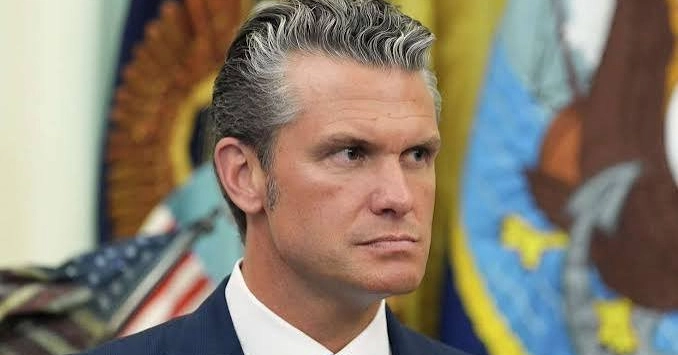
The dispute began in February when President Donald Trump and Defense Secretary Pete Hegseth accused Anthropic of posing a threat to national security and designated the company a supply chain risk.
Anthropic CEO Dario Amodei had objected to unrestricted military use of the company's AI technology, raising concerns that its products could be used for mass surveillance and autonomous weapons, including armed drones.
In her written ruling, Lin said the government's actions appeared to be aimed at making a public example of Anthropic because of its criticism of the administration, rather than being based on evidence that the company posed a genuine security risk.
Anthropic welcomed the ruling, saying it remained committed to working with the government to use AI technology in ways that strengthen national security.
The White House did not immediately comment on the decision.
In the 59-page ruling, Lin said neither the Constitution nor the federal law cited by the government allowed authorities to impose broad penalties mainly because Anthropic disagreed with the administration's views.
Anthropic sued the Pentagon in March, calling the supply chain risk designation an unlawful act of retaliation after the company refused to allow unrestricted military use of its technology.
The case has drawn attention to the growing debate over the use of artificial intelligence in warfare, surveillance and national security.
Earlier in the case, Lin temporarily blocked the Pentagon from enforcing the supply chain risk designation. She also stopped the enforcement of Trump's directive ordering federal agencies to stop using Anthropic and its AI chatbot, Claude.
During a hearing on July 30, Lin said the government's position raised serious concerns and appeared to conflict with First Amendment protections.
Justice Department lawyers argued that AI systems are extremely complex and difficult to assess in the same way as traditional physical equipment.
Anthropic lawyer Michael Mongan argued that the government's actions had seriously harmed the company and could also discourage open debate on the important issue of how AI should be used.
Anthropic has also filed a separate and narrower legal challenge, which is still pending before a federal appeals court in Washington, DC. That case concerns another rule the Pentagon is seeking to use to classify the company as a supply chain risk.