More than 16,000 Ukrainian civilians detained by Russia since the start of the war remain deprived of their liberty, many without access to communication and on grounds that violate international law, the United Nations estimates.
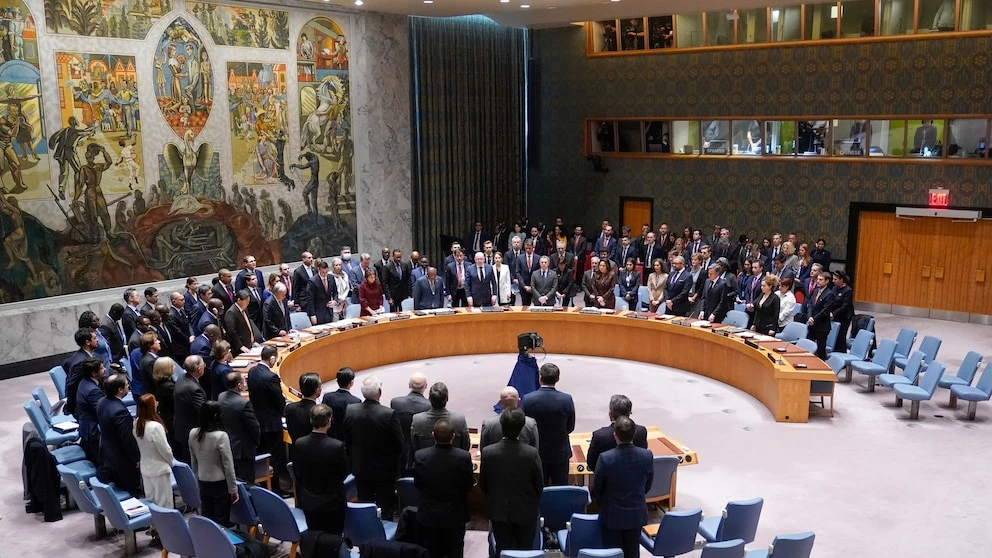
Claudia Fuentes Julio, the U.N. assistant secretary-general for human rights, told an informal Security Council meeting Monday that Russian authorities continue to subject Ukrainian civilian detainees and prisoners of war to widespread and systematic torture and ill-treatment, including sexual violence.
Since Russia launched its full-scale invasion of Ukraine in February 2022, U.N. human rights officials have interviewed 910 Ukrainian POWs and 403 civilian detainees after their release. The U.N. has not been granted access to detention facilities in Russia.
More than 95% of interviewed Ukrainian POWs and 85% of civilian detainees reported torture or ill-treatment, often repeatedly. They also described sexual violence, food shortages and inadequate medical care.
The U.N. human rights office has documented the executions of 129 Ukrainian POWs at the beginning of their captivity and the deaths of 48 others in custody due to torture, denial of medical treatment or other inhumane detention conditions, Julio said.
The Security Council also heard accounts from former detainees, including Crimean Tatar activist Leniie Umerova and Ukrainian soldier Khuan Leyva Garsiya.
Garsiya, who spent 1,183 days as a POW after surrendering at the Azovstal steel plant in Mariupol, said he was tortured and abused because of his Cuban background and education in the United States. He described beatings, freezing, electrocution and sexual abuse, saying two friends were beaten to death in detention.
Umerova said she was detained after attempting to enter Russia from Georgia to visit her seriously ill father in Crimea. She said Russian authorities held her on fabricated charges and transferred her between seven facilities in six months.
Julio also said U.N. monitors interviewed 816 Russians and 57 third-country nationals who were captured while serving in Russian forces in Ukraine. About half reported torture or ill-treatment, mainly during initial captivity and interrogation. However, conditions in Ukrainian detention facilities generally complied with international humanitarian law and had improved since 2022, she said.
Russia's deputy U.N. Ambassador Maria Zabolotskaya rejected the allegations, saying Russian forces comply with international humanitarian law. She accused NATO countries of using the meeting as part of a disinformation campaign against Russia.
Ukraine's deputy U.N. Ambassador Volodymyr Pavlichenko said Russia was unwilling to discuss the return of prisoners of war and civilian detainees, including abducted children.