Taiwan’s government said Friday it has not received any official notice from the United States about a possible delay in a planned $14 billion arms sale, despite comments from a senior U.S. official suggesting some foreign weapons deals are being paused.
Taiwanese presidential spokesperson Karen Kuo said authorities in Taipei were aware of the reports but had not been informed of any changes to the proposed arms package.
The comments came after acting U.S. Navy Secretary Hung Cao told a U.S. Senate committee on Thursday that some foreign military sales were temporarily being delayed to ensure the U.S. military has enough weapons stockpiles for operations linked to the conflict with Iran.
“Right now we're doing a pause in order to make sure we have the munitions we need,” Cao said during a hearing of the Senate Appropriations Defense Subcommittee. He added that foreign military sales would continue when the administration considers it appropriate.
The issue gained attention only days after U.S. President Donald Trump questioned whether Washington should continue arms sales to Taiwan, the self-ruled island that China claims as its own territory.
Although the United States does not officially recognize Taiwan as a separate country, it remains Taipei’s main security partner and largest arms supplier.
The Trump administration approved an $11 billion weapons package for Taiwan in December. In January, U.S. lawmakers also approved another proposed $14 billion arms sale, though the deal still requires formal submission to Congress by Trump before it can move ahead.
During an interview with Fox News after returning from Beijing last week, Trump described arms sales to Taiwan as “a very good negotiating chip” in dealings with China.
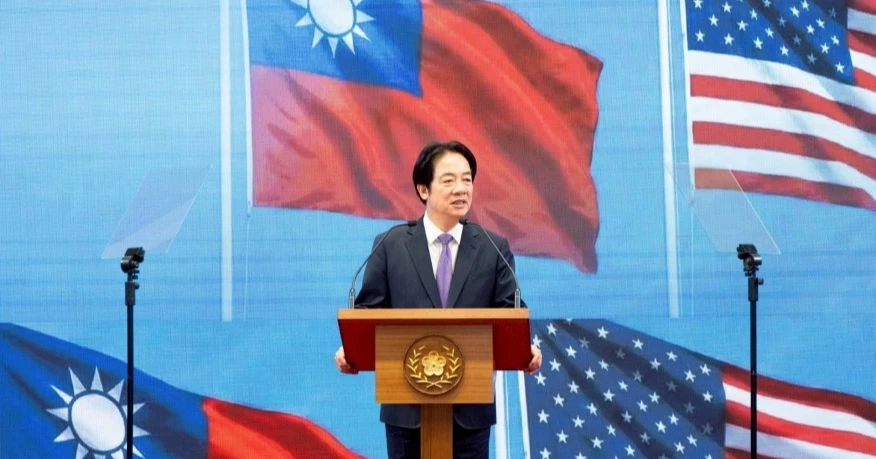
Taiwanese President Lai Ching-te on Wednesday said continued U.S. weapons sales are important for maintaining peace and security in the region.
Meanwhile, China again warned Washington against supplying weapons to Taiwan. Chinese Foreign Ministry spokesperson Guo Jiakun said Beijing’s opposition to U.S. arms sales to Taiwan remains “clear-cut and resolute.”
During Trump’s recent visit to Beijing, Chinese President Xi Jinping reportedly warned that the Taiwan issue is the most sensitive matter in U.S.-China relations and could lead to tensions or conflict if mishandled.
Trump later told reporters he wanted to speak with Taiwan’s leader, without directly naming Lai. Any direct talks between Trump and Lai could trigger a strong reaction from Beijing, which considers Lai a separatist figure.
Taiwan’s presidential office said Friday there was no further information about any possible conversation between Trump and Lai.