garden

Strawberry pots double as space-saving planters for eye-catching plant displays
Those unusual planters with small openings on their sides often resembling tiny buildings with windows and balconies are more than decorative pieces. While commonly used for growing strawberries, these pots can also be used creatively for a variety of plants.
Usually made of terracotta, strawberry pots are tall and urn-shaped, though shorter and wider versions are also available. The side openings are designed to hold soil and plants, allowing strawberries to grow above the ground and reducing the risk of rotting. However, gardeners can use them for much more than fruit.
These pots are ideal for creating attractive and practical displays. Succulents such as hens and chicks fit well in the side pockets, offering a striking look. In colder climates, the pots can be moved indoors during winter, as long as the plants receive enough sunlight and are not overwatered.
They are also perfect for a compact herb garden. Smaller herbs like parsley, thyme and mint can be planted in the lower openings, while larger ones such as rosemary or basil can be placed at the top, creating a neat and functional display. Adding small flowering plants like marigolds can enhance the look.
Trailing flowers and vines, including petunias and sweet potato vines, can spill out of the openings, creating a colourful effect. Plants like nasturtiums, verbena and ivy also work well, while shade-loving varieties like caladium and coleus are good options for low-light areas.
Watering all plants evenly can be challenging, but placing a perforated PVC pipe in the centre of the pot helps distribute water and nutrients effectively.
Although strawberry pots come in different materials, traditional clay versions can crack in freezing weather. In colder regions, it is best to bring them indoors during winter and care for them as houseplants.
Jessica Damiano is a gardening writer for The Associated Press and publishes the Weekly Dirt Newsletter.
6 months ago
Soil is key to a healthy garden, experts say
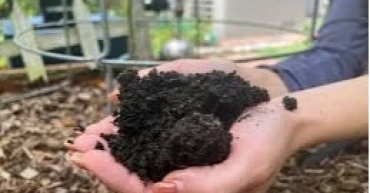
A lush, beautiful garden is a common dream, but experts say the secret to achieving it starts below the surface with healthy soil.
While many gardeners focus mainly on plants, a garden depends on a strong foundation. Soil is not just dirt; it is a living system filled with nutrients, organic matter and countless organisms such as bacteria, fungi, insects and worms. A 2023 study published in the ‘Proceedings of the National Academy of Sciences’ says soil may contain about 59% of all life on Earth, making it the most biodiverse habitat.
These organisms play a vital role by controlling harmful pests, turning organic material into natural fertilizer and improving air flow and drainage in the soil. Maintaining soil health is therefore essential for a successful garden.
Before planting, experts advise checking soil structure. Sandy soil drains water too quickly, while clay soil holds too much moisture both can harm plant growth. To improve soil quality, add 3–4 inches of compost, leaf mold or well-rotted manure and mix it gently into the top 6–12 inches. However, avoid over-tilling, as it can damage beneficial organisms, increase erosion and bring weed seeds to the surface.
In later seasons, simply spread organic matter on top and let it break down naturally.
Testing soil pH is also important, as different plants grow best within specific pH ranges. Gardeners can use simple home test kits and adjust levels with lime or sulfur if needed. It is also useful to check key nutrients nitrogen, phosphorus and potassium to guide fertilizer use.
Experts stress that building healthy soil takes time. Slow-release fertilizers and organic materials are better long-term choices than quick chemical fixes, which should be used only in urgent cases.
Gardeners are also advised not to walk on planting areas, as compacted soil limits air and water flow and restricts root growth.
Leaving soil bare can lead to erosion, nutrient loss and weed growth. Instead, plant ground cover or apply organic mulch such as bark, straw or dry leaves. A 2–3 inch layer of mulch helps retain moisture, regulate temperature and reduce weeds, but it should be kept away from plant stems to prevent rotting.
Jessica Damiano, a gardening writer for The Associated Press, shares regular tips in her award-winning Weekly Dirt Newsletter.
6 months ago

Tea garden workers’ strike not withdrawn: leaders
Tea garden workers on Saturday night claimed that they postponed their indefinite strike demanding the wage hike for Tk 300 from Tk 120 until they meet with Prime Minister Sheikh Hasina after she returns to the the country from India.
“We didn’t call off the strike, rather we stayed it showing respect to the prime minister as we will hold a meeting with her when she comes back from India,” said Raju Goyala, president of Tea Workers Unit of Sylhet Valley after a meeting with Sylhet Deputy Commissioner (DC) Md Mojibur Rahman on Saturday night.
The DC held the meeting with tea workers’ union leaders after a disparity over the continuation and postponement of the strike among the workers and their leaders.
Goyala said that they are hopeful of an acceptable decision after holding a meeting with the prime minister.
Read: Tea garden owners propose wage hike by Tk 20 Workers now want PM's intervention
He said workers of 23 tea gardens under Sylhet valley agreed to join their works from Sunday following the meeting with the DC. However he could not provide any information about the other gardens in the country.
Echoing Goyala, DC Mojibur Rahman also confirmed that the workers will join the works from Sunday.
The general tea garden workers rejected the Tk 25 daily wage hike fixed by the government on Saturday and vowed to continue their movement for a Tk 300 daily wage.
Around 8pm, the workers blocked the Choumuhona Chattar area at Sreemangal on the road connecting Moulvibazar with Dhaka-Sylhetand staged a rally and demonstrated against the decision to withdraw the strike.
Many of them refused to go back to work, defying the announcement to call off the strike that came earlier from the Tea Workers Union leaders.
Earlier on Saturday afternoon, after a meeting with the Labour Department, tea workers’ union leaders had withdrawn their indefinite strike after assurance of raising their wages to Tk 145 from Tk 120.
After the meeting at divisional Labour Department office at Sreemangal in Moulvibazar district on Saturday, Nipen Paul, General Secretary of Tea Workers Union, said they have withdrawn the strike after getting assurance from the Prime Minister.
“Our wages will be raised by Tk 25 and the Prime Minister has assured us that she will hold a meeting after her visit to India. In that meeting we will inform her about our demands. From Sunday all workers will resume their work in their respective gardens,” he said.
However, he later said he never signed any agreement.
The general tea garden workers opposed the announcement immediately and demonstrated in front of the Sreemangal Labour Department office for raising their wage to Tk 300.
Md Abdus Shahid, a member of parliament from Moulvibazar-4 constituency who was present in the meeting said, “I have come here today as per the PM’s instruction. The Prime Minister asked to raise the wage by Tk 25 against the tea garden owners’ proposal of Tk 20 and she will hold a meeting with the workers after returning from India.”
The Deputy Commissioners of Sylhet and Habiganj districts will sit in meetings with the workers’ union leaders of their respective districts Saturday afternoon.
On August 9, the Bangladesh Tea Workers Union started two-hour work abstention a day demanding daily wage hike.
Workers demanded an increase of their wage to Tk300, with inflation rising and the currency depreciating. The workers of 241 tea gardens across the country went on a full-scale strike on Aug 13, after four days of two-hour work abstention.
Bangladesh is producing a record amount of tea every year through the toil of the tea workers. In 2021, a record 96 million kilograms of tea was produced in the country thanks to the hard labour of the underpaid tea workers.
Although two agreements on increasing wages were signed, the fate of more than 1.5 lakh tea workers in the country hasn’t changed a bit.
4 years ago