Plastic Bags
Why the ‘plastic crisis’ should be seen as a generational call to arms in the fight against pollution
In 2002, Bangladesh made global headlines by becoming the first country in the world to ban thin plastic shopping bags. It was a pioneering step towards environmental protection, driven in part by the role of plastic bags in clogging drainage systems and worsening flooding.
Yet, the decision had to be effectively recycled 22 years later from square one, which itself showed the abject failure across governments to implement the 2002 decision.
However, following the formation of the interim government in 2024, Environment, Forest and Climate Change Adviser Syeda Rizwana Hasan introduced strict measures to reduce single-use plastic, particularly polythene bags.
Key initiatives included banning plastic and polypropylene bags in superstores from October 1, 2024, and extending the ban to fresh markets nationwide from November 1, 2024. The government also launched countrywide enforcement drives, mobile court operations and raids on illegal polythene factories.
On September 5, 2024, the Cabinet Division directed ministries, divisions and public offices to avoid 17 designated single-use plastic items and replace plastic files, water bottles, banners and bags with paper, glass, cotton or jute alternatives.
Although the initiatives had brought success in some places, implementation remained challenging in fresh markets, where vendors and customers continued using inexpensive polythene bags despite the ban.
The lack of affordable, water-resistant alternatives for wet goods such as fish and meat also hindered progress. Meanwhile, a comprehensive Extended Producer Responsibility framework to hold major beverage and consumer-goods companies accountable for their plastic packaging remained under development.
Today, we are still fighting with plastic hazards and a short spell of rain can leave Dhaka's streets waterlogged, while the Buriganga River continues to bear the burden of pollution. The widespread use of plastic bags, despite the ban, exposes a troubling gap between environmental policy and its enforcement.
A material once hailed for its convenience has become a serious threat to our environment.
The scale of the problem is alarming. According to the World Bank's 2021 report, Towards a Multisectoral Action Plan for Sustainable Plastic Management in Bangladesh, annual per capita plastic consumption in Bangladesh's urban areas tripled from 3 kg in 2005 to 9 kg in 2020.
In Dhaka, the figure reached 22.5 kg per person annually. The report also highlighted the growing challenge of managing plastic waste in the capital. These are historical figures rather than current estimates, but they illustrate the scale of the problem Bangladesh must address.
In 2020, Dhaka generated approximately 646 tonnes of plastic waste every day, up from 178 tonnes in 2005, then-World Bank Country Director for Bangladesh and Bhutan Mercy Tembon said at a workshop on "Sustainable Management of Plastic to Leverage Circular Economy and Achieve SDGs in Bangladesh".
According to the WB, only around 37 percent of the city's plastic waste was recycled. The remainder was disposed of in landfills, leaked into rivers and other water bodies, or otherwise mismanaged. These figures raised a fundamental question that still demands a satisfactory answer today: where does all the plastic we use actually end up?
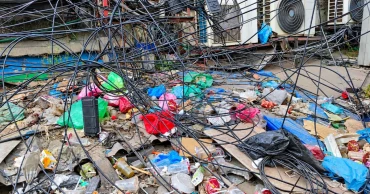
Much of the problem lies in the everyday products we discard without a second thought: thin polythene bags, snack wrappers, food packaging and plastic bottles. When these items enter drains and canals, they obstruct water flow and aggravate urban flooding.
Plastic pollution also threatens aquatic ecosystems and contributes to the spread of microplastics through the environment. Poorly managed waste can create stagnant pools of water that provide breeding grounds for mosquitoes, while unsafe recycling practices can expose workers and nearby residents to hazardous fumes.
2 hours ago

Ban on Plastic Bags: Here’s Why it Matters
Plastic pollution has become a major global environmental crisis. Millions of plastic or polythene bags are used and discarded each year, contributing to the pollution of land, rivers, and oceans. These bags are non-biodegradable, often persisting for centuries, and pose severe risks to wildlife, ecosystems, and even human health.
Polythene and polypropylene shopping bags have been prohibited in all superstores across Bangladesh from October 1.
So, why do plastic bags deserve banning? The answer seems clear when we consider their devastating impact on the environment and our future.
Why Banning Plastic Bags Matters
.
Environmental Impact of Plastic Bags
One of the strongest reasons to ban polythene bags is their non-biodegradable nature. Unlike organic materials that decompose over time, plastic bags can persist in the environment for hundreds of years.
When polythene bags are discarded, they often end up in landfills, which have already been reaching their capacities in many areas. The accumulation of plastic waste is causing land degradation and water contamination, making it a pressing issue for environmental sustainability.
Read more: Plastic Pollution: Harmful effects on human health and environment
Ocean Pollution and Marine Life
Plastic bags are one of the biggest contributors to ocean pollution. Millions of tons of plastic waste go into the oceans each year, and polythene bags play a significant role in this crisis. They often break down into smaller particles known as microplastics, which are easily consumed by marine animals.
Sea turtles, dolphins, and seabirds frequently mistake plastic bags for food, leading to fatal consequences. The toxins from plastic can also enter the food chain, threatening the health of both marine life and humans.
Harm to Wildlife
Wildlife on land is not immune to the dangers of plastic bags. Wildlife and fisheries often encounter discarded polythene bags in their natural habitats. Many of them become entangled in the plastic leading to injury or death. Others may ingest the bags, mistaking them for food, which can cause choking, digestive blockages, or malnutrition.
Domestic animals and birds are also sufferers of plastic pollution.
Banning polythene bags would greatly reduce these unnecessary and cruel deaths.
Contribution to Climate Change
The production of polythene bags is closely tied to fossil fuels, as they are made from petroleum-based products. The extraction and refining of fossil fuels contribute to greenhouse gas emissions, driving climate change.
Additionally, when plastic waste is incinerated as a part of the waste management process, it releases toxic chemicals and increases greenhouse gases into the atmosphere.
Eliminating plastic bags can reduce our reliance on fossil fuels and help in the fight against climate change.
Read more: Microplastic in Human Blood: Health Risks and Dangers
Human Health Concerns
Plastic pollution has begun to infiltrate the food we eat and the water we drink. Microplastics, originating from the breakdown of larger plastic items like bags, have been found in drinking water supplies, seafood, and even table salt.
The long-term health effects of consuming microplastics are still being studied, but early research indicates potential links to cancer, hormone disruption, and other serious health problems. By banning polythene bags, we can reduce one source of this harmful pollution and protect human health.
Waste Management Challenges
Recycling polythene bags is a difficult process. Only 5% of plastic bags are recycled. They cannot be processed in most curbside recycling programs and often clog machinery in recycling facilities. As a result, many plastic bags end up in landfills or are incinerated, neither of which is a sustainable solution.
The costs associated with managing polythene bag waste are high. And the inefficiencies of the system make it clear that a ban would be more effective than trying to recycle them.
Economic Costs of Plastic Pollution
Plastic pollution comes with significant economic costs. Governments and local communities work on cleanup efforts, from beaches to city streets. In addition, industries like tourism and fisheries are heavily affected by the damage caused by plastic pollution, as polluted waters and beaches drive tourists away and deplete fish stocks. Banning plastic bags could help alleviate some of these financial burdens and protect vital economic sectors.
Alternatives to Plastic Bags
There are many eco-friendly alternatives to polythene bags, including paper, cloth, and biodegradable bags. These options are not only better for the environment, but they also promote sustainable habits. This practice can also save money.
For example, reusable cloth bags can last for years and eliminate the need for disposable bags. Sonali Bag, invented by scientist Mubarak Ahmad Khan, can be used instead of polythene bags as it is biodegradable and eco-friendly. Encouraging consumers to switch to these alternatives would reduce plastic waste and help foster a more sustainable lifestyle.
Read more: Shoppers back polythene ban, worry about alternatives
Limitations of a Plastic Bag Ban
.
Economic Disruption
One limitation of banning plastic bags is the potential economic disruption. The plastic manufacturing industry provides jobs for many people, and a ban could lead to job losses in this sector. However, this could also create opportunities in the production of sustainable alternatives, potentially offsetting some of the negative impacts.
Public Resistance
Many people are accustomed to the convenience of polythene bags and may resist changes to their habits. While it is easy to see the environmental benefits of a ban, some individuals may prioritise convenience over responsibility. Public education and awareness campaigns will be crucial to overcoming this resistance.
Worsening the Environmental Impact
Polythene bag restrictions reduce usage but may lead to worse alternatives. Paper bags require more energy and resources, while cotton production consumes vast amounts of land, water, and chemicals.
Surprisingly, biodegradable bags can cause significant environmental harm. Consumers might also compensate for ditching plastic by making other eco-harmful choices, feeling justified due to their initial "green" action.
Cost of Alternatives
While alternatives like cloth or paper bags are more eco-friendly, they often come with higher production costs. These costs can be passed on to consumers, making it more expensive to switch to sustainable options. Governments and businesses may need to subsidise the cost of alternatives to ensure a smooth transition away from plastic.
Read more: Cabinet orders use of alternatives to single-use plastics in all government offices
Incomplete Solutions
It is important to recognize that banning polythene bags is just one part of the solution to plastic pollution. Plastic waste comes from many sources, including packaging, bottles, and other single-use items. A broader strategy is needed to tackle the full scope of the plastic pollution problem.
Final Words
The ban on polythene bags is a necessary step toward protecting our environment, wildlife, and human health. While there are some challenges and limitations, the long-term benefits far outweigh the costs.
By reducing plastic waste, we can prevent further damages to our oceans, reduce greenhouse gas emissions, and protect wildlife from harm. Collective action, both from governments and individuals, is crucial to making this change successful and ensuring a healthier, more sustainable future.
Read more: Phasing out plastic products: Stakeholders for following global practice
2 years ago