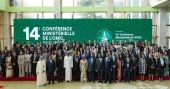
WTO reform
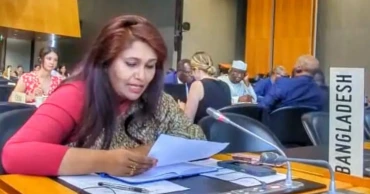
Bangladesh calls for development-centred WTO reform
Bangladesh on Saturday said it remains steadfast in supporting a stronger, more inclusive and development-oriented multilateral trading system that reflects the interests of all Members and preserves the WTO (World Trade Organization) as the cornerstone of global trade governance.
At the WTO General Council’s Heads of Delegation's informal meeting on WTO Reform, Bangladesh Ambassador in Geneva Nahida Sobhan underscored that any reform process must remain firmly anchored in the WTO’s core principle of development.
She said it must ensure that global trade rules create a fair and level playing field for all Members, particularly developing countries and LDCs.
The Ambassador emphasised that an effective WTO is not only about new rules, but also about inclusive processes.
For reform to succeed, every Member, regardless of the size of its delegation, must be able to participate meaningfully.
To this end, Nahida Sobhan called for a development-centred approach to WTO reform; transparent, inclusive and Member-driven negotiations; better scheduling of meetings to enable the effective participation of small delegations; timely circulation of documents to facilitate consultations with capitals; opportunities for virtual participation by capital-based experts; regular transparency briefings on reforms meetings; and broader engagement with civil society and think tanks.
2 months ago
Bangladesh urges caution in WTO reform to protect core principles: Minister
Commerce; Industries; Textiles and Jute Minister Khandakar Abdul Muktadir has called for a cautious approach to reforming the World Trade Organization (WTO), stressing that any changes must not undermine the organisation’s fundamental principles.
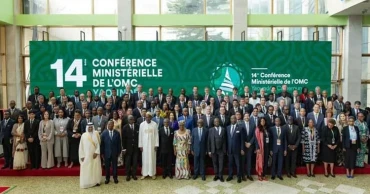
Speaking at a session titled ‘WTO Reform: Fundamental Issues’ during the 14th Ministerial Conference (MC14) held in Yaoundé, Cameroon on Thursday, the minister said reforms are necessary in the current global context but should be carefully designed to preserve the integrity of the multilateral trading system.
The minister noted that the WTO’s core objective is to promote trade-driven development among member states, adding that its consensus-based, rules-based framework grounded in non-discrimination and inclusivity has ensured benefits for developed, developing, and least developed countries (LDCs) alike.
Highlighting key mechanisms, Muktadir said provisions such as Most-Favoured-Nation (MFN) status, Duty-Free and Quota-Free (DFQF) market access, and Special and Differential Treatment (S&DT) have played a crucial role in enhancing equity and inclusion in global trade.
The minister pointed out that, except during the 2008 global financial crisis and the COVID-19 pandemic, middle-income levels in developed countries have steadily increased over the past three decades demonstrating the effectiveness of the existing trading system.
While acknowledging the need for reform, the minister cautioned against dismantling a structure built over years of negotiation and cooperation. “The current framework should not be weakened in the name of reform, as most economies rely heavily on this rules-based multilateral system.”
Emphasising prudence, Muktadir said the reform process must ensure the preservation of past achievements, maintain systemic integrity, and deliver inclusive and development-oriented outcomes for all member states.
Re-excavation to bring 1,500 bighas under cultivation in Sylhet: Commerce Minister
The WTO Ministerial Conference is the organisation’s highest decision-making body, where member countries take key decisions on global trade policies. This year’s conference is being attended by trade ministers and representatives from 166 member states.
A Bangladesh delegation, led by the commerce minister, is participating in the conference, with Commerce Secretary Mahbubur Rahman and senior officials from the ministry and Bangladesh’s Permanent Mission in Geneva also in attendance.
5 months ago