FIFA World Cup 2026
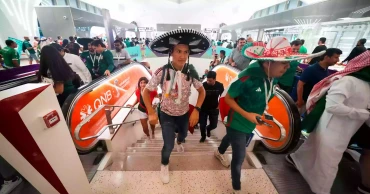
High transport costs frustrate World Cup fans in US host cities
Football fans planning to attend World Cup matches in the United States are expressing frustration over high transportation costs, adding to already expensive tickets, flights and accommodation.
In previous tournaments, host countries made travel easier and often free for fans. Germany’s 2006 World Cup, known as a “Summer Fairy Tale,” offered free public transport with match tickets. Similar arrangements were seen in Russia in 2018 and Qatar in 2022.
However, fans heading to matches in some US cities are now facing steep transit fares. Train tickets to stadiums in New Jersey and Massachusetts are costing up to $98 and $80 for a round trip — far higher than the usual prices for similar routes.
Officials say the higher fares are needed to cover extra security and expanded services, without putting pressure on taxpayers. But many fans believe they are being unfairly charged in a country where public transport is already limited.
Some US state and local leaders have also raised concerns, arguing that FIFA, which is expected to earn billions from the tournament, should cover these costs instead.
Fans seek cheaper alternatives
Frustrated by the situation, some fans are finding their own solutions. A group of Scottish supporters, for example, arranged private school buses to travel to matches in Massachusetts at a much lower cost than official transport options.
The group said their plan would save thousands of dollars overall, highlighting the large gap between official and alternative travel costs.
Many fans say they are already spending heavily to attend the World Cup, with some expecting to take years to repay their expenses.
Mixed approaches across cities
Transport plans vary across host cities. Some, like Atlanta, Houston and Seattle, will charge regular fares for rail travel. Miami plans to offer free shuttle services, while Philadelphia will provide free return trips from the stadium. Kansas City is offering relatively low-cost shuttle services.
Higher costs in places like New Jersey and Massachusetts are partly due to stadium locations outside city centers, where public transport is less developed. Parking will also be limited during the tournament, forcing more fans to rely on trains and buses.
Experts say it is common for international sports bodies like FIFA to pass costs to host cities. However, US local authorities appear less willing to absorb these expenses compared to past host countries.
Debate over who should pay
Some officials have called on FIFA to cover transport costs, but the organization has pushed back, saying such expenses are usually handled by host cities. It also noted that earlier agreements were later adjusted to allow transport to be provided at cost.
Experts say previous host nations treated the World Cup as an opportunity to boost their global image and were more willing to subsidize travel for fans.
There are also concerns that the expected economic benefits of hosting the tournament may not fully materialize, as hotel bookings in several US cities have been lower than expected.
Fans still determined to attend
Despite the challenges, fans remain eager to attend matches, though many are still unsure how they will manage transportation.
Some have welcomed recent efforts to lower bus fares in certain cities, but limited availability means not all fans will benefit.
For many, attending the World Cup remains a dream — even if getting to the stadium proves difficult.
23 days ago