gadget

Trump's Social Media ‘Buy’ tip pays off as markets rally following tariff delay
Stocks were teetering Wednesday morning when Donald Trump posted some market advice on Truth Social.
At 9:37 a.m., Trump wrote: “THIS IS A GREAT TIME TO BUY!!! DJT.”
Just a few hours later, he announced a 90-day pause on nearly all tariffs. The market responded immediately, with stocks surging and the S&P 500 closing up 9.5%. That rebound recovered about $4 trillion in market value—roughly 70% of what had been lost over the previous four sessions.
It appeared to be a remarkably well-timed post from the former president—perhaps too well-timed.
“He enjoys having this kind of influence over the markets, but he’s playing with fire,” said Richard Painter, a former White House ethics attorney and Trump critic. Painter warned that securities laws forbid using or sharing insider information for trading advantage. “Anyone who acted on that post made significant profits.”
Now the question is: Did Trump already know about the tariff pause when he made that post?
Pressed on when he decided to suspend the tariffs, Trump gave a vague response: “I would say this morning. I’ve been thinking about it over the last few days.” He later said, “Fairly early this morning.”
When the White House was asked to clarify the timeline, spokesperson Kush Desai didn’t give a direct answer but defended the post as part of Trump’s duty.
“It’s the president’s job to reassure the public and markets amid constant fear-driven media narratives,” Desai said in an email.
Adding to the intrigue, Trump signed off the post with “DJT”—his initials, but also the ticker symbol for Trump Media & Technology Group, which owns Truth Social.
It’s unclear whether Trump was encouraging people to buy stocks in general or shares of his own company specifically. The White House didn’t respond to that question either. Trump often ends personal posts with “DJT.”
Trump pauses reciprocal tariffs for 90 days, except for China
Investors seemed to take the cue. Trump Media stock surged 22.67%—twice the jump of the broader market—despite the company having posted a $400 million loss last year and being unaffected by tariffs.
Trump’s 53% stake in the company, held in a trust managed by Donald Trump Jr., gained $415 million in value on the day.
Only one other stock slightly outperformed Trump Media—Tesla. Last month, Trump praised the company in a White House press event and his commerce secretary encouraged viewers to invest during a Fox News appearance. Tesla’s rally on Wednesday added $20 billion to Elon Musk’s net worth.
Kathleen Clark, an expert in government ethics at Washington University, said other administrations would likely have launched an investigation into such a post. But in this case, she doubts anything will come of it—except maybe more users for Truth Social.
“He’s signaling that he can move markets at will,” Clark said. “As if to say: Stay tuned for more financial tips.”
1 year ago
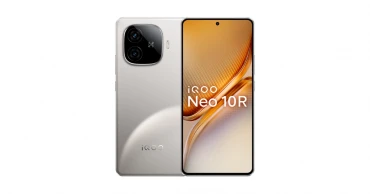
vivo iQoo Neo 10R Review: What’s new?
vivo's sub-brand iQoo has been known for delivering performance-driven smartphones under its Neo series. The latest addition, the iQoo Neo 10R, was officially released on March 19, 2025. In this review, we will explore its camera, processor, display, battery life, and gaming performance to see how it stacks up against its predecessors and competitors.
Features of vivo iQoo Neo 10R
.
Design and Build Quality
The vivo iQoo Neo 10R boasts a sleek design, featuring a glass front shielded by Schott Xensation Up, complemented by a plastic back and frame. This combination offers a lightweight feel, weighing 196 grams and measuring 163.7 x 75.9 x 8 mm. The device comes in two colour options: Raging Blue and Moon Knight Titanium. Notably, it boasts an IP65 rating, providing dust and water resistance, which adds to its durability.
In comparison, the iQoo Neo 10 maintains similar design specs but lacks the IP65 rating, making the iQoo Neo 10R more resilient against environmental factors. The Honor GT also offers an IP65 rating but opts for a more compact form factor, measuring 161 x 74.2 x 7.7 mm and weighing 196 grams. Meanwhile, the realme 13 Pro+ emphasises a premium feel with its glass back and Gorilla Glass 7i protection on the front, with an IP65 rating, like the Neo 10R.
Read more: Best 10 Smartphones Releasing in April 2025
Display Quality
The iQoo Neo 10R features a 6.78-inch AMOLED display with a resolution of 1260 x 2800 pixels (~452 ppi density) and supports 1 billion colours. It supports a 144Hz refresh rate and HDR10+, ensuring vibrant colours and smooth visuals. The display's peak brightness reaches up to 4500 nits, making it easily viewable even under direct sunlight. Additionally, the always-on display feature adds convenience for quick glances at notifications.
Comparatively, the iQoo Neo 10 offers a similar 6.78-inch LTPO AMOLED display with a 144Hz refresh rate but with the same peak brightness of 4500 nits. The Honor GT sports a 6.7-inch AMOLED display with a 120Hz refresh rate and a peak brightness of 4000 nits, making it slightly dimmer compared to the 10R. On the other hand, the rival realme 13 Pro+ comes with a 6.7-inch AMOLED display, 120Hz refresh rate, and a peak brightness of 2000 nits, making it the least bright among the competitors.
Camera Performance
The iQoo Neo 10R sports a dual-camera setup on the rear: a 50 MP primary sensor with an f/1.8 aperture, Optical Image Stabilisation (OIS), and an 8 MP ultrawide lens with an f/2.2 aperture. This combination delivers sharp and detailed images in well-lit conditions, with the OIS aiding in low-light scenarios to reduce blur.
Read more: itel Power 70 Review: Another budget-friendly gem
The ultrawide lens, while useful for capturing expansive scenes, may exhibit some distortion at the edges. The device supports 4K video recording at 30/60 fps, ensuring high-quality video capture with OIS and gyro-EIS. The front-facing 32 MP camera with an f/2.5 aperture captures detailed selfies and also supports 4K video recording, catering well to vloggers and video callers.
In contrast, the iQoo Neo 10 features a similar dual-camera setup but with a slightly larger sensor size in the primary camera, potentially offering better low-light performance. It offers a similar rear setup but a 16 MP front camera (f/2.0) limited to 1080p video, resulting in less detail and dynamic range in selfies.
The Honor GT also offers a 50 MP (f/2.0) main sensor with OIS but includes a 12 MP (f/2.2) ultrawide lens, providing more versatility in shooting options. This phone features a 16 MP front sensor (f/2.4) with 1080p video, which performs decently in daylight but falls short in sharpness and versatility.
Read more: Samsung Galaxy A36 5G Review: A Mid-range marvel with standard features
The realme 13 Pro+ stands out with its triple-camera setup, including a 50 MP wide lens and a 50 MP periscope telephoto lens with 3x optical zoom, offering greater flexibility for photography enthusiasts. It also has HDR, panorama features. realme 13 Pro+ packs a 32 MP front camera (f/2.4) with good photo quality with 4k video recording capacity.
Though the iQoo Neo 10R ties in selfie and video performance, the realme 13 Pro+ appears as a better all-rounder for content creators with its versatile photography.
Processor Performance
Powered by the Qualcomm Snapdragon 8s Gen 3 chipset built on a 4nm process, the iQoo Neo 10R delivers robust performance across various tasks. The octa-core CPU configuration includes a high-performance Cortex-X4 core clocked at 3.0 GHz, ensuring smooth multitasking and responsiveness. The Adreno 735 GPU complements the CPU, providing efficient graphics rendering for applications and games. Benchmark tests reflect impressive scores, indicating the device's capability to handle demanding applications with ease.
Read more: ZTE Nubia Red Magic 10 Pro Golden Saga Special Edition Review
The iQoo Neo 10 utilises the Snapdragon 8 Gen 3 chipset, which offers slightly higher clock speeds and may provide marginally better performance in intensive tasks. The Honor GT is equipped with the same Snapdragon 8 Gen 3 chipset, ensuring comparable performance to the iQoo Neo 10. The realme 13 Pro+ features the Snapdragon 7s Gen 2 chipset, which, while capable, does not match the performance levels of the Snapdragon 8 series, making it less suitable for power users.
Gaming Performance
The combination of the Snapdragon 8s Gen 3 chipset and Adreno 735 GPU in the iQoo Neo 10R ensures a smooth gaming experience. The 144Hz refresh rate display enhances gameplay fluidity, and the device maintains stable frame rates even in graphics-intensive titles. An advanced cooling system effectively manages heat dissipation, preventing thermal throttling during extended gaming sessions.
Similarly, the iQoo Neo 10 and Honor GT, both equipped with the Snapdragon 8 Gen 3 chipset, offer excellent gaming performance, with the Honor GT's slightly smaller display potentially providing a higher pixel density for sharper visuals. The realme 13 Pro+, with its Snapdragon 7s Gen 2 chipset and 120Hz display, delivers a competent gaming experience but may not achieve the same high frame rates as the other devices.
Read more: realme P3 5G Review: Is it a value-for-money smartphone
Battery Life
The iQoo Neo 10R is equipped with a substantial 6400 mAh Si/C Li-Ion battery, providing ample power for a full day of heavy usage, including gaming, streaming, and multitasking. The device supports 80W wired fast charging, achieving a 50% charge in approximately 26 minutes and a full charge in about 55 minutes. Additionally, it offers bypass charging, 55W PD and 7.5W reverse-wired charging, allowing it to serve as a power source for other devices.
In contrast, The iQoo Neo 10 packs a 6100mAh battery with 120W fast charging (50% in 15 min), 100W PPS+PD, and reverse wired (not specified), offering quick top-ups and solid endurance. Honor GT features a 5300mAh battery with 100W fast charging (60% in 15 min), and 5W reverse wired slightly ahead in capacity.
Realme 13 Pro+ includes a 5200mAh battery with 80W fast charging (50% in 19 min, 100% in 49 min), delivering reliable battery life but same charging speeds. In comparison, the iQoo Neo 10R’s 6400mAh battery with 80W charging stands out by balancing capacity and ultra-fast charging for heavy users.
Read more: Home Safety Digital Lockers and Vaults: Popular Models with Price Ranges in Bangladesh
Software and User Interface
The vivo iQoo Neo 10R runs on Android 15 with Funtouch 15 (up to 3 major Android upgrades), offering a highly customised and smooth user interface. It provides several features for personalisation, including dark mode, custom themes, and a gaming mode. The UI is intuitive, making navigation easy and efficient.
When compared to the vivo iQoo Neo 10, which also runs Android 15 but with OriginOS 5, the Neo 10R provides a slightly more feature-rich interface suited for a broader range of users, especially with its emphasis on performance optimisation.
The Honor GT runs Android 15 MagicOS 9 and the Realme 13 Pro+ runs Android 14 Realme UI 5.0, but the Funtouch 15 on the Neo 10R offers a more responsive experience, especially in multitasking scenarios, thanks to its Snapdragon 8s Gen 3 chipset.
Read more: Samsung Galaxy F15 5G Review: Decent budget-friendly smartphone with large battery
Storage Options
In terms of storage options, the Neo 10R offers UFS 3.1 storage (128GB) and UFS 4.1 (256GB) with either 8GB or 12GB of RAM. This is a good setup for the average user, though it does not have expandable storage.
Comparatively, the vivo iQoo Neo 10 features UFS 4.0 with 256GB/512GB/1TB storage (UFS 4.1 with a future SW update) and RAM options ranging from 12GB to 16GB. This provides much more internal storage, making it a better choice for users who need more space.
The Honor GT offers ample storage with UFS 4.0 in configurations from 256GB up to 1TB of storage and 12GB to 16GB of RAM. The realme 13 Pro+ competes with 256GB and 512GB variants with 8GB to 12GB RAM. In storage, vivo iQoo Neo 10 is the clear winner for those who need extensive space.
Read more: Samsung Galaxy A56 5G: Know the pros and cons
Pros and Cons of vivo iQoo Neo 10R
.
Pros
- 6.78-inch AMOLED display with 144Hz refresh rate.- Powered by Snapdragon 8s Gen 3, 8/12GB RAM.- Dual rear camera setup with 50MP primary and 32MP selfie.- Stereo speakers and infrared port.- 6400mAh battery with 80W fast charging.- IP65 dust/water resistance.- Android 15 OS with Funtouch 15 UI.- 4K video recording with OIS and gyro-EIS.
Cons
- No 3.5mm audio jack.- No NFC connectivity.- No wireless charging.- No optical zoom camera.- No secondary card slot- Lack of 500GB and 1TB storage options.
Read more: Honor X9c Review: What’s special about this midrange smartphone
Price of vivo iQoo Neo 10R in Bangladesh
The iQoo Neo 10R’s 8/128 GB variant is unofficially priced at approximately around BDT 43,500. However, the vivo iQoo Neo 10R’s official price in Bangladesh may vary due to tax and other issues.
Final Takeaways
The vivo iQoo Neo 10R offers excellent performance, a standard display, and a large battery with fast charging but lacks a 3.5mm jack, NFC, and extensive memory options. It is ideal for gamers and media enthusiasts but not recommended for users who prioritise these missing features or prefer a more compact design.
Read more: April 2025 Video Games: 8 Exciting Virtual Games Scheduled for Launch
1 year ago
Best 10 Smartphones Releasing in April 2025
April will close the first quarter of 2025 with a few notable smartphone releases, ranging from budget to high-end. The upcoming lineup of smartphones will reflect the global trend of embracing AI and opting for more powerful processors and batteries. Here is a list of the top brands' smartphones to be released in this April.
Top 10 Smartphone Launches in April 2025
.
vivo iQOO Z10 Series
Vivo has announced two new smartphones, the iQOO Z10 and iQOO Z10x, to be released on April 11, 2025. The iQOO Z10 will be bigger and more powerful than its sibling, the Z10x, featuring a 6.77-inch AMOLED display, a 4nm Qualcomm SM7635 Snapdragon 7s Gen 3, a 32MP front lens, a 7300 mAh battery, and a 90W charger.
The iQOO Z10x will be more budget-focused than the vanilla Z10 and feature a 6.72-inch IPS LCD display, a 4nm Mediatek Dimensity 7300, a 16MP selfie camera, a 6500 mAh battery, and a 44W charger.
Read more: itel Power 70 Review: Another budget-friendly gem
Though the phones will come in unique design choices, they both will run on Android 15 and have the same 50MP primary dual camera setup.
Infinix Note 50x
The Infinix Note 50X features a 6.67-inch IPS LCD display that is touch responsive at a 120Hz refresh rate and renders visuals at 720 by 1600 resolutions. It runs Android 15 with XOS 15 and is powered by a MediaTek Dimensity 7300 Ultimate chipset. The device offers 128GB of storage with 6GB or 8GB RAM (UFS 2.2) and supports microSD cards via a shared SIM slot. It includes a 50MP rear camera capable of 4K video and an 8MP front camera. Other features include a 5500 mAh battery with 45W wired and 10W reverse wired charging.
CMF Nothing Phone 2
The CMF Nothing Phone 2 is reported to reappear in April with a revamped design and features. Rumours suggest it could be a compact device with a 6.3-inch OLED display, powered by a Dimensity 7400 chipset—a step up from the previous 7300—and equipped with a 5,000mAh battery supporting 33W charging. These contrasts, particularly the smaller display size compared to the original CMF Phone’s 6.67 inches, hint that there might be a separate non-Pro variant yet to be confirmed.
Read more: Samsung Galaxy F15 5G Review: Decent budget-friendly smartphone with large battery
Motorola Edge 60 Fusion
Expected release on April 15, 2025, this phone features a 6.67-inch LTPO P-OLED display with a resolution of 1220 by 2712p, pixel density of 446 ppi, and a refresh rate of 120 Hz. It sports a Gorilla Glass 7i front and an eco-leather silicone back. In Europe, it uses a MediaTek Dimensity 7300. Storage options include 256GB with 8GB RAM or 512GB with 12GB RAM. The dual-camera system comprises a 50MP wide and 13MP ultrawide lens with a 32MP selfie camera. It offers a 5500 mAh battery and 68W wired charging.
vivo V50e
Key specifications include a 6.77-inch AMOLED display (1080 × 2392, ~388 ppi, 120Hz, HDR10+ with Diamond Shield Glass) running Android 15 with Funtouch 15. It’s powered by a 4nm MediaTek Dimensity 7300 chipset with an octa-core CPU and a Mali-G615 MC2 GPU. The camera setup features dual rear lenses—a 50MP wide and an 8MP ultrawide—and a 50MP front camera. Storage options are 128GB or 256GB UFS with 8GB RAM. It supports dual Nano-SIM, has IP68/IP69 certification, and offers wired plus reverse wired charging.
Read more: Samsung Galaxy A36 5G Review: A Mid-range marvel with standard features
OnePlus 13 Mini
The OnePlus 13 Mini is expected to be powered by the Qualcomm Snapdragon 8 Elite chipset, ensuring top-tier performance in a compact design. It will feature a 6.31-inch LTPO OLED display with 1.5K resolution and a 120Hz refresh rate, providing smooth, vibrant visuals. The dual-camera setup includes a 50MP primary sensor and a 50MP telephoto lens offering 2x optical zoom, enhancing its photography capabilities. Additionally, the device is rumoured to be equipped with a robust 6,000 mAh battery for extended usage. As of now, there is no confirmation regarding whether the OnePlus 13 Mini will be released in India.
Oppo Find X8s
The Oppo Find X8s is expected to launch in April and brings a premium design with a 7.7 mm slim profile and a weight of 179 g. It features a glass front and back with an aluminium frame. The 6.3-inch AMOLED display delivers 1B colours, Dolby Vision, HDR10+, and a 120Hz refresh rate with a resolution of 1080 x 2412 pixels. Powered by the MediaTek Dimensity 9400+ (3 nm) chipset paired with an octa-core CPU and Immortalis-G925 GPU, it comes with various UFS 4.0 storage options up to 1TB. The triple-camera system consists of three 50MP sensors and a 32MP selfie shooter. Additional features include stereo speakers, comprehensive connectivity options, and a 5700 mAh battery.
Read more: ZTE Nubia Red Magic 10 Pro Golden Saga Special Edition Review
vivo X200 Ultra
The vivo X200 Ultra, expected to be released in April, features a premium glass front and back with an aluminium frame and IP69/IP68 dust and water resistance. It sports a 6.78-inch LTPO AMOLED display with a 1440 x 3200 resolution and a high pixel density of 518 ppi. Running Android 15 with OriginOS 5, it is powered by a 3nm Qualcomm Snapdragon 8 Elite octa-core chipset. Storage options include 256GB, 512GB, or 1TB. Its triple camera setup offers a 50MP wide, 200MP periscope telephoto, and 50MP ultrawide, plus a 50MP selfie camera. A 6000 mAh battery supports fast charging options.
Honor 400 Lite
Released on April 08, 2025, the Honor 400 Lite features a compact 161 x 74.6 x 7.3 mm body weighing 171 g. It supports dual Nano-SIM plus eSIM and carries an IP65 rating. The device offers a 6.7-inch AMOLED display with a 120Hz refresh rate and peak brightness of 3500 nits at 1080 x 2412 resolution and 394 ppi pixel density. Running on Android 15 with MagicOS 9 on a MediaTek Dimensity 7025 Ultra chipset, it is available with 256GB storage alongside 8GB or 12GB RAM. The dual-camera setup includes a 108MP wide sensor plus a 5MP ultrawide lens.
Read more: realme P3 5G Review: Is it a value-for-money smartphone
ZTE Nubia Neo 3 GT
The ZTE Nubia Neo 3 GT is expected to launch in April, featuring gaming-focused enhancements like pressure-sensitive zones and an RGB light on the back. The device sports a 6.8-inch AMOLED display with a 120Hz refresh rate and a peak brightness of 1300 nits, delivering a resolution of 1080 x 2392 pixels. Running Android 15, it is powered by a Unisoc T9100 chipset with an octa-core CPU and Mali-G57 GPU paired with 12GB RAM. It is available in Electro Yellow and Interstellar Grey, which features a 6000 mAh or 5000 mAh battery with 80W wired charging and bypass charging.
Conclusion
The April 2025's latest smartphone lineup offers something for every smartphone lover. The Vivo iQOO Z10 series impresses with performance and advanced displays, while the Infinix Note 50x provides reliability with a smooth IPS LCD and powerful chipset. The revamped CMF Nothing Phone 2 Pro emphasises innovative design and upgraded cameras. The Motorola Edge 60 Fusion combines premium materials with robust specs, and the vivo V50e delivers dynamic audio and performance. The OnePlus 13 Mini offers compact power, while flagship models like the Oppo Find X8s, vivo X200 Ultra, Honor 400 Lite, and ZTE Nubia Neo 3 GT showcase unique features for users.
Read more: Home Safety Digital Lockers and Vaults: Popular Models with Price Ranges in Bangladesh
1 year ago
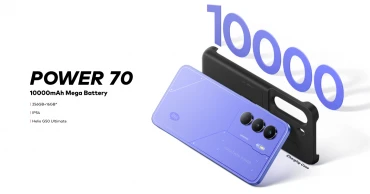
itel Power 70 Review: Another budget-friendly gem
Renowned Chinese smartphone company itel has earned a reputation by offering robust handsets at an affordable price. On March 10, 2025, it released a super affordable handset, the itel Power 70, in Bangladesh. Here is a detailed feature-by-feature review of the smartphone compared with its rivals.
Key Features and Specs of the itel Power 70
While the low-end smartphone market is brimming with options from reputed brands, given its unique features and specifications, the itel Power 70 has become a part of a lineup comprised of phones like the Xiaomi Redmi A5 4G and the vivo Y04.
Design
The itel Power 70 looks premium at its price, showcasing a minimal and modern design. It is a plastic-built handphone that feels sleek due to its polished edges and slim at a 7.9mm thickness. Both the Xiaomi Redmi A5 4G and the vivo Y04 offer minimal design, but they are thicker than the itel Power 70.
Read more: Samsung Galaxy A36 5G Review: A Mid-range marvel with standard features
On the rear, three circular lens holders are placed vertically by the side-mounted fingerprint sensor and volume rockers. The phone’s aesthetic is set up by delineating a few slant and horizontal lines on the glossy-finished back panel. It creates a resemblance to the look of the Nothing Phone, excluding a few features like light diodes and transparent panels.
Among additional design aspects, the IP54 water splash and dust resistance and a 3.5mm audio jack are notable. Users may find the phone a little heavy, as it weighs 192.4g, which is kind of similar to its peers from Xiaomi and Vivo.
Display
The itel Power 70 features a 6.67-inch IPS LCD with a 120Hz refresh rate, noticeably fluid during scrolling and basic gameplay. With a peak brightness of 700 nits, the display handles indoor lighting comfortably, though it may require a hand shade in harsher sun.
Read more: ZTE Nubia Red Magic 10 Pro Golden Saga Special Edition Review
While the resolution remains HD+ at 720 by 1600 pixels with a pixel density of around 263 PPI, the visuals appear reasonably sharp for everyday usage like messaging, web browsing, and video streaming. The 20:9 aspect ratio adds a tall, immersive feel to content consumption.
When compared to its rivals, the Redmi A5 4G edges ahead with its larger 6.88-inch panel and a higher 1500 nits peak brightness, making it more suitable for outdoor visibility. On the other hand, the vivo Y04 offers a slightly bigger 6.74-inch screen but with a lower 90Hz refresh rate and 570 nits brightness, which falls behind the Power 70 in terms of smoothness and brightness clarity.
Cameras
The itel Power 70 is equipped with a single 13 MP rear camera, supported by LED flash, HDR, and panorama features. It captures reasonably clear photos in daylight, with balanced exposure and decent detail for casual photography. The 8 MP front camera delivers passable selfies, suitable for social sharing and day-to-day video calls.
Read more: realme P3 5G Review: Is it a value-for-money smartphone
When stacked against the competition, the Redmi A5 4G offers a higher-resolution 32 MP main sensor. Its front-facing 8 MP camera is similar in resolution to the Power 70 but benefits from a wider aperture.
The vivo Y04 matches the Power 70 with a 13 MP main sensor but adds phase detection autofocus (PDAF) and a secondary 0.08 MP auxiliary lens. While the extra lens offers minimal real-world improvement, the PDAF aids in quicker focus locking. However, the front camera drops to 5 MP, which might result in slightly softer selfies compared to the itel and Xiaomi offerings.
Hardware, Software and Performance
The itel Power 70 runs on Android 14 with itel OS 14 layered on top. Under the hood, it’s powered by the MediaTek Helio G50 Ultimate chipset paired with an octa-core Cortex-A53 CPU clocked at 2.2 GHz. The PowerVR GE8320 GPU handles graphics duties.
Read more: Home Safety Digital Lockers and Vaults: Popular Models with Price Ranges in Bangladesh
Comparatively, the Xiaomi Redmi A5 4G holds a performance edge with its newer Unisoc T7250 chipset based on a 12nm process. The combination of Cortex-A75 and Cortex-A55 cores ensures smoother app transitions and more capable multitasking than the itel’s older CPU setup. It also runs Android 15 (Go edition) and promises up to two major Android upgrades, making it a better pick for long-term software support.
On the other side, the vivo Y04 comes close to Xiaomi’s configuration with a Unisoc T7225 processor and a stronger octa-core setup including Cortex-A75 cores clocked up to 2.0 GHz. Its performance feels more responsive than the Power 70 during app launches and lightweight gaming. It runs Android 14 with Funtouch OS 14, offering smooth transitions and a more refined UI than earlier versions.
Memory
The itel comes with several variants: 128/4GB, 128/8GB, 256/6GB, and 256/8GB. The RAM power ranges from 4 to 8 GB, while the internal storage reaches up to 256 GB, starting from 128GB.
Read more: Samsung Galaxy F15 5G Review: Decent budget-friendly smartphone with large battery
The redmi A5 and Vivo Y04 offer 128/6 GB and 256/4GB configurations, respectively, at maximum.
Battery and Charging
The itel Power 70’s battery and charging system set it apart even from many high-end phones by combining a 6000mAh cell with a customised back cover that stores up to 4000mAh charge, offering users the experience of having a 10000mAh giant battery.
At this price range, the vivo Y04 offers a 5500mAh battery, and the Xiaomi Redmi A5 4G offers a 5200mAh battery, which is less than the basic cell capacity of the itel Power 70.
Read more: Honor X9c Review: What’s special about this midrange smartphone
To cement its fame as one of the most energy-efficient phones in the low-budget segment, the itel Power 70 features a reverse charging system and an 18W fast charger. It takes around 6 to 7 hours to fully recharge a depleted phone. What’s more, the reverse-wired charging feature makes the itel Power 70 a more attractive deal.
Pros and Cons of the itel Power 70
Pros
- Sleek, premium-looking design with slim 7.98mm profile- 6.67" IPS LCD with 120Hz refresh- Decent brightness at 700 nits- 6000mAh battery with additional 4000mAh backup via custom back cover- Reverse charging support- 18W fast charging included- Android 14 with clean itel OS 14- Affordable pricing.
Read more: OnePlus 13 5G Review: Flagship Killer with high-end features
Cons
- Plastic build- Heavier than competitors at 200g- Outdated CPU architecture (Cortex-A53)- Single 13 MP rear camera- Display resolution is only HD+, not Full HD
Price of itel Power 70 in Bangladesh
The itel Power 70 is available in a single 6GB of RAM and 256GB of ROM variant in Bangladesh at BDT 10,990.
Conclusion
The itel Power 70 stands out as a strong, budget-friendly contender in the low-end smartphone market with a mix of modern design and long-lasting battery life. Its standout 6000mAh battery—expandable to a massive 10000mAh with a custom back cover—alongside a 120Hz refresh rate and clean Android 14 experience make it a smart pick for users prioritising endurance and daily usability over raw performance.
Read more: OPPO A5 Pro 4G Review: Can it fulfil the expectations?
While its camera setup and processing power may trail behind the likes of the Redmi A5 4G and vivo Y04, the Power 70 compensates with its unmatched battery innovation and generous storage offering at a competitive price. For users who want extended power, a smooth screen, and modern essentials on an entry-level smartphone, the itel Power 70 delivers real value.
1 year ago

Samsung Galaxy A36 5G Review: A Mid-range marvel with standard features
The Samsung Galaxy 'A' series has long been celebrated for delivering premium features at accessible prices, striking a balance between performance and affordability. Continuing this legacy, the A36 was first released on March 10, 2025. Let’s delve into the key specs, pros, cons, and pricing of the Samsung Galaxy A36 5G in Bangladesh.
Key Features of Samsung Galaxy A36 5G
.
Design and Build Quality
The Samsung Galaxy A36 5G impresses with its sleek, premium look and feel. At 7.4mm thick and weighing 195g, it is slightly lighter and thinner than the Galaxy A35, which measures 8.2mm in thickness and weighs 209g. The A36 also features Gorilla Glass Victus+ on both the front and back with a plastic frame, mirroring its predecessor but in a more refined form. Both phones sport IP67 water and dust resistance, which adds to their durability.
Compared to the realme 14 Pro and vivo Y300 Pro+, the A36 falls somewhere in between. The realme model is lighter at 179g and features a MIL-STD-810H rating along with IP68/IP69 certification, making it more rugged. Meanwhile, the vivo Y300 Pro+ offers an elegant form but only IP64 splash resistance. Overall, the A36 strikes a balance between elegance and robustness, with modern colours like lavender, lime, and white.
Read more: ZTE Nubia Red Magic 10 Pro Golden Saga Special Edition Review
Display Quality
Samsung's Super AMOLED display in the A36 is a highlight, offering 6.7 inches of vivid display with a 120Hz refresh rate and 1900 nits peak brightness. It is a solid upgrade from the A35’s 6.6-inch panel that maxes out at 1000 nits. The jump in brightness and screen-to-body ratio (86.5% vs 84.8%) makes for a more immersive viewing experience, especially under sunlight.
When stacked against the realme 14 Pro and vivo Y300 Pro+, the A36 still holds its own. realme boasts a 6.77-inch OLED panel with a whopping 4500 nits peak brightness, the highest in the category, which is impressive for outdoor usage.
Vivo’s Y300 Pro+ is not far behind with 5000 nits peak brightness and AMOLED technology. Despite slightly lower peak brightness, Samsung's colour tuning, sharpness, and Always-on Display feature give it an edge in everyday usability and visual appeal.
Read more: realme P3 5G Review: Is it a value-for-money smartphone
Like the ancestor A35, the latest A36 features a resolution of 1080 by 2340 pixels with ~385 ppi density, which is close to the realme 14 Pro and vivo Y300 Pro+, featuring 1080 by 2392 with ~388 ppi density.
Camera Performance
The Galaxy A36 features a triple camera setup: a 50MP (f/1.8) main shooter with OIS, an 8MP (f/2.2) ultrawide, and a 5MP (f/2.4) macro lens. This setup mirrors the A35’s cameras, but the A36 benefits from improved image processing thanks to the newer Snapdragon chipset. It captures better detail in low light and handles HDR more effectively.
Against competitors, the realme 14 Pro offers a dual setup with a similar 50MP sensor and a depth lens. It lacks an ultrawide camera, which limits its versatility. The vivo Y300 Pro+ also has a dual setup with a 50MP primary and 2MP depth sensor. While both realme and vivo benefit from solid hardware, the absence of a dedicated ultrawide limits their camera flexibility.
Read more: Home Safety Digital Lockers and Vaults: Popular Models with Price Ranges in Bangladesh
Selfie performance gets a slight bump in the A36 with a 12MP (f/2.2) sensor featuring 10-bit HDR, better than the A35’s 13MP selfie cam with no HDR. The Vivo Y300Pro+ does stand out here with its 32MP front-facing camera. Capable of 4K recording with the front sensor, the Samsung Galaxy A36 outperforms the realme 14 Pro and Vivo Y300 Pro+, limited to 1080p video.
Processor Performance
Under the hood, the Galaxy A36 5G is powered by the Snapdragon 6 Gen 3 chip, a 4nm octa-core processor that brings considerable improvements over the 5nm Exynos 1380 in the A35. Multitasking, app launches, and AI tasks feel noticeably faster and smoother. It is a much-needed boost and helps the A36 stay relevant through future Android updates (6 major upgrades promised vs. 4 in the A35).
Compared to the Dimensity 7300 of the realme 14 Pro and the Snapdragon 7s Gen 3 of the vivo Y300 Pro+, the A36 offers good competition. The Snapdragon 6 Gen 3 matches realme’s chip in efficiency but slightly lags behind vivo’s newer 7s Gen 3 in raw benchmarks. However, the A36 delivers stable thermal performance and handles day-to-day tasks without stutters, keeping it highly competitive.
Read more: Samsung Galaxy A56 5G: Know the pros and cons
Gaming Performance
Gaming on the A36 is a treat for casual and semi-heavy gamers. The Adreno 710 GPU and 120Hz refresh rate offer fluid gameplay in titles like PUBG Mobile, Call of Duty: Mobile, and Genshin Impact at medium-high settings. It maintains frame rates well without significant heating, unlike the A35, which struggled during extended gaming sessions due to its older GPU.
The realme 14 Pro, with its Mali-G615 GPU, delivers marginally better frame rates in graphics-intensive titles, while the vivo Y300 Pro+’s Adreno 710 clocked at 940MHz offers similar performance with a bit more efficiency thanks to better thermal handling. In real-world usage, all three phones deliver respectable gaming performance, but realme edges out slightly for hardcore gamers.
Battery Life
Battery life is a strong suit of the Galaxy A36, thanks to its 5000 mAh cell and efficient processor. It easily lasts a full day with moderate to heavy use. Samsung has also improved charging with 45W wired support, filling the battery to 66% in 30 minutes and a full charge in just over an hour.
Read more: Honor X9c Review: What’s special about this midrange smartphone
This is a major leap over the A35’s 25W charging, which feels sluggish in 2025.
Still, the realme 14 Pro and vivo Y300 Pro+ outperform the A36 in this department. realme supports 45W charging but has a 6000 mAh battery that delivers more screen time. Vivo takes the crown here with a massive 7300 mAh battery and 90W fast charging that powers the phone in record time. For power users and frequent travellers, vivo clearly leads.
However, the Samsung Galaxy A36 lacks demanding features like reverse charging and wireless charging features, which many competitors like the vivo Y300 Pro+ are offering in similar price ranges.
Read more: OnePlus 13 5G Review: Flagship Killer with high-end features
Software and User Interface
Samsung's One UI 7, based on Android 1515, offers a smooth, intuitive, and feature-rich user experience on the A36. Samsung has committed to 6 major Android updates, which is outstanding and surpasses even some flagship brands. The interface is bloat-free, customisable, and integrates features like Circle to Search and enhanced virtual proximity sensing.
In contrast, the A35 ships with One UI 6.1 and Android 14 with only 4 years of updates. The realme 14 Pro runs realme UI 6.0, which is clean but slightly behind Samsung in polish and support. The Vivo Y300 Pro+ uses OriginOS 5, which is vibrant and feature-packed, though a bit cluttered for first-time users. In terms of longevity and overall software experience, the A36 is the clear winner.
Storage Options
Samsung offers a wide range of configurations for the A36, starting at 128GB with 6GB RAM and going up to 256GB with 12GB RAM. However, there is no microSD card support, which might disappoint some users. The A35 does offer expandable storage, which gives it a niche advantage.
Read more: OPPO A5 Pro 4G Review: Can it fulfil the expectations?
realme and vivo also skip the SD card slot but offer higher internal storage variants—up to 512GB with 12GB RAM. Power users and media hoarders might lean toward those options, but for average users, the A36 provides enough flexibility in its current options.
Pros and Cons of Samsung Galaxy A36 5G
Pros
- Large 6.7-inch Super AMOLED display with a 120Hz refresh rate.- Bright screen with up to 1900 nits peak brightness.- Powered by Snapdragon 6 Gen 3 for smooth performance.- Available in 6GB, 8GB, and 12GB RAM options.- Triple rear camera setup with 50MP main lens.- 12MP selfie camera supports 4K video and HDR.- Stereo speakers for better audio experience.- In-display fingerprint sensor for secure unlocking.- 45W fast charging, 100% in about 68 minutes.- IP67 rated for dust and water resistance.- One UI 7 with Android 15 and long software support.
Read more: Tecno Phantom V Fold 2 Review: Pros, Cons and Price in Bangladesh
Cons
- Plastic frame, not as premium as metal.- No 3.5mm headphone jack.- FM radio not supported.- No microSD card slot for storage expansion.- Slightly higher price compared to rivals with similar specs- No wireless charging option- No reverse charging option.
Price of the Samsung Galaxy A36 5G in Bangladesh
The Samsung Galaxy A36 5G is priced at approximately BDT 37,000 for the base variant.
Final Words
The Samsung Galaxy A36 5G shines with its AMOLED display, strong performance, and fast charging. However, the plastic build and lack of a headphone jack may disappoint some. Ideal for users seeking a balanced mid-range phone with reliable performance and camera quality. Not recommended for those needing expandable storage, a wireless or reverse charging option, or a more premium build.
Read more: Top Smartphones Launching in March 2025: Flagship & Budget Models to Watch
1 year ago

ZTE Nubia Red Magic 10 Pro Golden Saga Special Edition Review
The Chinese tech company ZTE is renowned for manufacturing high-end smartphones. Its Nubia REDMAGIC series is a special smartphone lineup that offers a beyond-class gaming experience. Further extending that lineup, ZTE launched the Nubia Red Magic 10 Pro Golden Saga Special Edition in selected countries on Feb. 20, 2025. Here is an in-depth review of the Red Magic 10 Pro Golden Saga limited edition, highlighting its strengths and weaknesses against its competitors.
Key Features of Red Magic 10 Pro Golden Saga Limited Edition
.
Competition
The gaming smartphone market is limited to a few special lineups: REDMAGIC from Nubia, ROG from Asus, and a few flagships from reputed brands. The race among game-niched smartphones always ends with REDMAGIC and ROG phones at the top of the rank.
Following the same track, the REDMAGIC 10 Pro Golden Saga comes as a strong contender to Asus’s latest gaming powerhouse, the ROG Phone 9 Pro. If compared with its predecessors, the REDMAGIC Golden Saga sustains all the features and measurements of the REDMAGIC 10 Pro Plus except the exclusive usage of gold, silver, and sapphire and enhanced performance.
Read more: realme P3 5G Review: Is it a value-for-money smartphone
Design
The REDMAGIC 10 Pro Golden Saga looks almost the same as the base REDMAGIC 10 Pro Plus, except it features a unique set of materials and a design with golden and silver accents. A range of luxurious and heavy-duty materials, such as gold, silver, graphene, sapphire, and carbon fibre, optimises the phone and its integrated panels to become more thermally efficient.
The REDMAGIC Golden Saga Edition measures 163.42 mm by 76.14 mm by 8.9 mm, keeping the same dimensions as its inspiration, the REDMAGIC 10 Pro Plus. The phone weighs 243g, much heavier than the 10 Pro Plus, even after using lightweight carbon fibre materials to cover the battery. Its primary competitor, the Asus ROG 9 Pro Plus, comes in a similar shape and size but weighs less due to its smaller power cell.
The REDMAGIC Golden Saga Edition has a metal mainframe covered with glass on the front and rear. The back panel is made of carbon fibre to manage the battery-generated heat more efficiently. Above the battery, users will find a silver-plated air duct that glints under the light, reflecting a soft aura around it. Above it is the primary camera panel, which features two circular lenses and a flash LED.
Read more: Home Safety Digital Lockers and Vaults: Popular Models with Price Ranges in Bangladesh
By design, the REDMAGIC Golden Saga offers a more tactical look compared to the Asus ROG 9 Pro Plus’s sporty aesthetics.
Display
A 6.85-inch AMOLED display renders vivid and crisp visuals, thanks to its 1216 x 2688 pixels resolution and 431 ppi pixel density. The display keeps its bezels and chins super narrow and maintains a 91.4% screen-to-body ratio, offering an immersive visual experience. To smoothen gaming control and ensure satisfaction, the REDMAGIC Golden Saga sophisticates its touch responsiveness, bolstered by a 144Hz refresh rate. Even under direct sunlight, users will get sharp visuals, as the phone offers a peak brightness of 2000 nits.
By design and arrangement, the REDMAGIC Golden Saga Edition’s screen is yet one of the best gaming displays in the market, beating the Asus ROG 9 Pro’s display that features lower resolutions and pixel density.
Read more: Samsung Galaxy F15 5G Review: Decent budget-friendly smartphone with large battery
Hardware and Software
The REDMAGIC 10 Pro Golden Saga boasts the top-of-the-line 3nm Snapdragon 8 Elite primary chipset. For graphical processing, the phone uses an Adreno 830 GPU. This pair is currently the most powerful chipset duo in the market, and every powerful Qualcomm-based device runs on them, which is true for the Asus ROG 9 Pro, too.
Apart from the cutting-edge chipsets, the REDMAGIC Golden Saga Edition introduces several features to manifest better gaming performance. One such feature is its 99.9% pure gold-plated vapour chamber. Lying beneath the battery, for the first time in a smartphone’s history, the vapour chamber of the REDMAGIC Golden Saga uses gold plating to speed up the cooling procedure. In addition, the phone provides a version 5 cooler for players who are not satisfied with the built-in cooling system.
Navigating throughout the phone is streamlined with the REDMAGIC OS 10, ZTE’s customized operating system based on Android 15. Users will get 2 operating system updates and one major Android update in the phone’s lifetime. The phone is available in a single variant that offers 24GB of RAM and 1TB of unextendable storage.
Read more: Samsung Galaxy A56 5G: Know the pros and cons
Cameras
Smartphones with a gaming-specialised design tend to be indifferent to photography. The REDMAGIC Golden Saga Edition also joins the league, providing a triple-lense primary module that comprises a 50MP wide, a 50MP ultrawide, and a 2MP depth sensor.
At the REDMAGIC Golden Saga Edition’s price, other flagships from Samsung and OnePlus provide more powerful lenses. However, the Asus ROG 9 Pro, being another game-focused smartphone, offers a 50MP wide, a 32MP ultrawide, and a 13MP depth shooter.
On the front, the REDMAGIC Golden Saga Edition uses a 16MP selfie lens to assist with video calling and below-average photoshoots. The ROG 9 Pro does a better job with its 32MP selfie camera in capturing acceptable portraits.
Read more: Honor X9c Review: What’s special about this midrange smartphone
Battery and Charger
The REDMAGIC Golden Saga Edition boasts a mega 7050mAh battery to provide extended gaming sessions. Even when the phone runs low on battery, a quick 100W charger refills it within a couple of hours. No other gaming phone in the market has such a powerful battery and a fast charger. The closest competitor, the ROG 9 Pro, offers a 5600mAh battery and a 65W charger.
Pros and Cons of the REDMAGIC 10 Pro Golden Saga Limited Edition
.
Pros
- Luxurious design with gold, silver, sapphire, and carbon fibre- High-performance Snapdragon 8 Elite and Adreno 830 GPU- 6.85-inch AMOLED display with 144Hz refresh rate and 2000 nits peak brightness- 99.9% pure gold-plated vapour chamber- Silver-plated air duct- Large 7050mAh battery for extended gaming sessions- 100W fast charging for quick battery refill- REDMAGIC OS 10 with smooth navigation and gaming optimizations.
Read more: OPPO A5 Pro 4G Review: Can it fulfil the expectations?
Cons
- Heavy at 243g, making prolonged use less comfortable- Expensive due to premium materials without significant functional gains- Limited camera performance compared to gaming flagships- Only one major Android update and two OS updates- Competitor Asus ROG 9 Pro offers a better selfie camera and lower weight
Price of the Red Magic 10 Pro Golden Saga Limited Edition
The ZTE Nubia Red Magic 10 Pro Golden Saga Special Edition is priced at USD 1499 or BDT 1,82,551 (USD 1 = BDT 121.78).
Conclusion
The ZTE Nubia Red Magic 10 Pro Golden Saga Limited Edition is not just a luxury gaming smartphone; it’s a collector’s piece. There are only 500 units of the phone available globally for extreme gaming enthusiasts. The Gold and Silver-coated cooling modules, unscratchable Sapphire glass protector, carbon-fibre battery cover, most powerful Qualcomm 8 Elite CPU and Adreno 830 GPU, elegant 144Hz refresh rate, and vivacious AMOLED display with 2000 nits brightness and high resolution make the phone an ultimate gaming device. If you are someone who has a fair amount to invest in a gaming smartphone and can overlook photography can collect your Golden Saga Edition without any hesitation.
Read more: Tecno Phantom V Fold 2 Review: Pros, Cons and Price in Bangladesh
1 year ago

realme P3 5G Review: Is it a value-for-money smartphone
realme P Series smartphones focus on performance and gaming. In this wave, the realme P3 5G was released on March 19, 2025. This smartphone has quickly become a topic of discussion among tech enthusiasts. Let’s dive into the key specs, pros, cons, and pricing of the realme P3 in Bangladesh.
Key Features of realme P3 5G
.
Design and Build Quality
The realme P3 5G maintains a premium look with its slim profile and sturdy build. Measuring 163.2 x 75.7 x 8 mm and weighing 194 g, it feels comfortable to hold while still offering a solid grip. The phone is IP68/IP69-rated, making it highly resistant to dust and capable of withstanding high-pressure water jets and immersion up to 2.5 m for 30 minutes. This makes it more durable than the realme P2 Pro, which only has an IP65 rating, offering less water resistance.
In terms of aesthetics, the realme P3 5G is available in Space Silver, Comet Grey, and Nebula Pink, making it stand out from competitors like the Honor X60, which offers simpler colour options. Compared to the Vivo Y300i, which has a plastic frame and back, the realme P3 5G feels more premium. Overall, it strikes a fine balance between elegance and durability, making it one of the better-built phones in its price range.
Read more: Samsung Galaxy F15 5G Review: Decent budget-friendly smartphone with large battery
Display Quality
The realme P3 5G boasts a 6.67-inch AMOLED display with a 1080 by 2400 resolutions, 120Hz refresh rate, and 2000 nits peak brightness, ensuring smooth visuals and excellent outdoor readability. The HDR image support further enhances the viewing experience by offering deeper contrasts and vibrant colours. When compared to the realme P2 Pro, both devices feature 120Hz displays, but the P2 Pro uses OLED technology with slightly better colour accuracy.
On the other hand, the Vivo Y300i and Honor X60 fall short in display quality. The Y300i has an IPS LCD panel with only 720p resolution, which results in noticeably lower sharpness and contrast. In contrast, the Honour X60's TFT LCD lacks the realme P3 5G's AMOLED display's rich colours and deep blacks, even though it has 1080p resolution. The P3 5G easily outperforms both of these rivals if display quality is your primary concern.
Camera
The realme P3 5G is equipped with a 50MP (f/1.8) main sensor and a 2MP depth sensor, capable of capturing sharp images in good lighting conditions. The 16MP (f/2.4) front camera delivers clear selfies, making it a standard choice for social media users. It’s rear sensor supports 4K video recording at 30 fps at maximum, while the selfie shooter can capture up to 1080p at 120 fps, along with gyro-EIS for stabilisation.
Read more: Honor X9c Review: What’s special about this midrange smartphone
Compared to its predecessor, the realme P2 Pro, the P3 5G takes a step back in camera versatility. The P2 Pro features a superior 50MP main sensor with OIS and an 8MP ultrawide lens, providing more flexibility in photography.
The Honor X60, however, takes the lead in the camera department with its 108MP main sensor, which captures more details, making it a better choice for photography enthusiasts. The Vivo Y300i falls behind, as it only has a single 50MP rear camera, which limits its versatility. While the realme P3 5G’s camera is decent, if you are looking for a phone with better photography capabilities, the realme P2 Pro or Honor X60 might be better options.
Processor
The realme P3 5G runs on the Qualcomm Snapdragon 6 Gen 4 chipset, built on a 4nm process, making it energy-efficient while delivering solid performance. The octa-core CPU (one core with 2.3 GHz Cortex-A720s, three cores with 2.2 GHz Cortex-A720s and four cores with 1.8 GHz Cortex-A520s), combined with the Adreno GPU, ensures smooth multitasking and gaming.
Read more: OnePlus 13 5G Review: Flagship Killer with high-end features
When compared to the realme P2 Pro, which is powered by the Snapdragon 7s Gen 2 chipset, the P3 5G falls slightly behind in raw processing power. The P2 Pro’s 4x2.40 GHz Cortex-A78 cores provide faster speeds, making it a better performer for intensive applications. However, the P3 5G still holds up well in day-to-day usage and gaming.
Against the Vivo Y300i, which runs on the Snapdragon 4 Gen 2, the P3 5G is significantly more powerful, making it a much better choice for those who prioritise performance. Similarly, the Honor X60’s MediaTek Dimensity 7025 Ultra processor is weaker than the Snapdragon 6 Gen 4, making the realme P3 5G a better performer overall.
Gaming Performance
Thanks to its Adreno GPU, high-refresh-rate AMOLED display, and Snapdragon 6 Gen 4 chipset, the realme P3 5G delivers an impressive gaming experience. Games like BGMI, Call of Duty Mobile, and Genshin Impact run smoothly with minimal frame drops. The 6000mAh battery with a large 6050mm² VC cooling system ensures that gaming sessions remain uninterrupted without overheating.
Read more: OPPO A5 Pro 4G Review: Can it fulfil the expectations?
When compared to the realme P2 Pro, the P2 Pro’s Snapdragon 7s Gen 2 chipset gives it a slight edge in gaming performance, especially for high-end titles. However, the Honor X60 and Vivo Y300i lag behind due to their weaker processors and lack of advanced cooling mechanisms. If gaming is a priority, the realme P3 5G is a great mid-range choice, only slightly trailing behind the realme P2 Pro.
Battery Life
With a massive 6000mAh battery, the realme P3 5G is a powerhouse when it comes to battery endurance. It supports 45W wired charging, which reaches 50% in just 30 minutes. This allows users to go through an entire day with heavy usage without worrying about running out of power.
Compared to the realme P2 Pro, which has a 5200mAh battery but supports 80W fast charging, the P2 Pro charges significantly faster, reaching 50% in just 19 minutes. The Honor X60 comes with a 5800mAh battery but only supports 35W charging, making it slower to recharge. On the other hand, the Vivo Y300i boasts a 6500mAh battery, but with only 44W charging, it takes longer to refill.
Read more: Samsung Galaxy A56 5G: Know the pros and cons
Overall, if you need long battery life, the Vivo Y300i leads with its 6500mAh battery, but the realme P3 5G provides an excellent balance between battery capacity and charging speed.
Software and User Interface
The realme P3 5G ships with Android 15 and realme UI 6.0, offering a clean and smooth user experience. The realme UI is optimised for efficiency, providing better RAM management, smoother animations, and additional customisation options.
Compared to the realme P2 Pro (Android 14, realme UI 5.0), the P3 5G has a more up-to-date system with better features. Vivo Y300i runs on Android 15 with OriginOS 5, but OriginOS can be heavy with bloatware. Meanwhile, the Honor X60 runs Magic OS 8 (Android 14), which is feature-packed but not as smooth as realme UI.
Read more: Tecno Phantom V Fold 2 Review: Pros, Cons and Price in Bangladesh
Storage Options
realme P3 5G comes with 128GB (6GB/8GB RAM) and 256GB (8GB RAM) UFS 3.1 storage, which ensures fast app loading and data transfer speeds. However, it lacks a microSD card slot, meaning users must rely on internal storage.
Compared to the realme P2 Pro, which offers up to 512 GB storage, the P3 5G falls short for users who require larger storage capacities. The Honor X60 and Vivo Y300i both offer up to 512GB as well, making them better choices for those needing extensive storage.
Pros and Cons realme P3 5G
.
Pros
- IP68/IP69-rated for water and dust resistance.- 6.67-inch AMOLED display with a 120Hz refresh rate.- Snapdragon 6 Gen 4 for smooth performance.- UFS 3.1 storage for fast app loading.- Stereo speakers for better audio experience.- In-display fingerprint sensor for secure unlocking.- 6000mAh battery lasts all day.- 45W fast charging reaches 50% in 30 minutes.- 5G connectivity for faster internet speeds.- NFC support for contactless payments.
Read more: Samsung Galaxy M16 5G: Elevating the budget-friendly experience
Cons
- No FM radio support.- No 3.5mm headphone jack.- Dual rear camera with only a 2 MP depth sensor.- No microSD card slot for expandable storage.- 45W charging is slower than some competitors.
Price of realme P3 5G in Bangladesh
The realme P3 5G is priced at approximately BDT 25,000. However, the price may vary depending on sellers.
Takeaways
The realme P3 5G offers a vibrant AMOLED display, strong performance, long battery life, and 5G connectivity but lacks a headphone jack, expandable storage, and has a basic camera setup. It can be a standard choice for gamers, heavy users, and those needing durability but not ideal for photography enthusiasts or users needing expandable storage.
Read more: Top Smartphones Launching in March 2025: Flagship & Budget Models to Watch
1 year ago

Home Safety Digital Lockers and Vaults: Popular Models with Price Ranges in Bangladesh
Home safety is a serious concern to prevent crime incidents like robberies and thievery. To keep money, jewellery, important documents, and other valuables safe at home, you need to ensure proper safety arrangements. Digital lockers are modern and versatile chambers that are equipped with multi-level security options. Let's delve into some of the best home safety digital locker boxes, vaults, and their pricing in Bangladesh in 2025.
How Digital Lockers Can Keep Your Valuables Safe at Home
Digital lockers are becoming an increasingly popular solution for safeguarding valuables at home. Here are key points highlighting their benefits, supported by data and statistics:
Enhanced Security Features
Digital lockers offer advanced security measures, including electronic locking mechanisms and encryption, reducing the risk of unauthorized access. Many smart lockers use strong 128-byte encryption to encode all digital data, making it incomprehensible to unauthorized individuals.
Read more: Government and Private Banks with Locker Facilities in Bangladesh
Integration with Smart Home Systems
Modern digital lockers can seamlessly integrate with existing smart home systems, offering features like remote access and real-time monitoring. This integration enhances overall home security by allowing homeowners to monitor and control access to their valuables remotely.
Durability and Low Maintenance
Constructed from high-strength materials, digital lockers are designed to withstand physical attacks, ensuring long-term protection of valuables. Additionally, models powered by lithium batteries can last up to ten years without needing a battery change, minimizing maintenance efforts.
Protection Against Environmental Hazards
Some digital lockers are designed to protect contents from environmental hazards such as fire and water damage, providing comprehensive protection for important documents and valuables.
Read more: Highway Robbery Prevention Tips while Driving at Night
Some Popular Digital Locker Models' with Prices in Bangladesh in 2025
Here are some trendy safety locker boxes to use at home for keeping your valuables safe.
Under BDT 40,000
Deli ET597 Digital Safe Box (BDT 33,000)
Deli ET597 is a three-storey digital safety locker that measures 31.50 inches in height, 18.90 inches in weight, and 16.53 inches in depth. It offers substantial safe storage for confidential and valuable assets and documents. The body is made of impenetrable carbon steel and offers multi-level protective options: password, fingerprint, key, and a combination of password and fingerprint. The Deli ET597 has an 11.5mm thick steel door and 1.5mm thick boxes to provide the highest security measures.
Zymak EL-600F (BDT 34,000)
The Zymak EL-600F is a fireproof and sawproof digital locker made of 5-layered steel. It measures 23.6 inches by 15.7 inches by 14.2 inches and weighs 45 kg. The locker implements diverse locking and unlocking systems, such as a password, a fingerprint, and an emergency key system. The fingerprint sensor has default storage that can save up to 8 persons’ fingerprints. The robust steel door with its vehement hinges of the Zymak EL-600F promises reliable and unparalleled security.
Read more: Credit Card Fraud Prevention: How to Protect Your Credit Card Online?
Under BDT 30,000
GM 250F (BDT 23,000)
Measured at 10 inches by 14 inches by 10 inches, the GM 250F is a spacious and robust choice for a digital locker. In addition to a digital keypad, this locker features a biometric sensor allowing fingerprint access. Its extra-thick door can withstand fire, water, and even bullets, providing the ultimate safety for valuables kept inside. With a polished and sleek design, the GM 250F, when installed, adds a luxurious flair to the environment around it.
Deli ET635 Digital Safe Box (BDT 27,000)
Deli ET635 is a tall, two-storey digital safe locker and one of Deli’s finest creations. It measures 21.65 inches by 13.58 inches by 11.81 inches in dimensions and is taller than most other options found at this price. A knob on the door works synchronized with the user’s fingerprint, a password, or a key, providing versatile one-way access. The vaults have an alarm mechanism that triggers when someone puts an erroneous password. The heavy-duty carbon steel structure of the vault ensures impregnable security.
Read more: Understanding Zero-Click Hacks: The Growing Cyber Threat to WhatsApp Users
Under BDT 20,000
Deli ET522 Black Digital Safe Box (BDT 18,500)
Deli ET522 is one of the latest dual-access safety boxes from the renowned Chinese stationery maker DeliGroup Co., Ltd. The box's primary structure is made of solid steel and measures 7.87 inches by 16.93 inches by 13.78 inches, allowing for easy installation. The dual-access unlocking system consists of a PIN code system and a main key. Deli ET522 comes with a one-year service warranty.
ZYMAK L128 Digital Locker (BDT 18,000)
ZYMAK digital lockers have earned a reputation for making safety lockers, and one of its popular models, ZYMAK L128, stands out with its design and features. It has a thick steel body, which measures 7.9 inches by 12.6 inches by 7.9 inches, providing enough space to keep jewellery, money, or valuable documents. The locker features a digital password panel that supports up to 8-digit numeric input. ZYMAK also provides a special key to unlock or reset the password in case of emergency.
Read more: How to Protect Mobile Phones from Getting Hacked?
Conclusion
With growing incidents of thievery and robbery, safety concerns for precious assets and documents are at their peak. The aggression of malpracticers has reached a level that property owners do not feel safe with traditional lockers. Digital lockers are a viable solution to this problem, providing multi-level locking systems. These safety locker boxes are available at different price points in the Bangladeshi market. However, the prices are subject to change.
1 year ago

Samsung Galaxy F15 5G Review: Decent budget-friendly smartphone with large battery
The Samsung Galaxy 'F' series is known for delivering feature-rich smartphones at competitive prices, targeting budget-conscious consumers without compromising on quality. The Samsung Galaxy F15 5G, released on March 11, 2024, continues this tradition by offering a blend of performance and affordability. Let's dive into the key specs, pros, cons, and pricing of the Galaxy F15 in Bangladesh.
Key Features of Samsung Galaxy F15 5G
.
Design and Build Quality
The Samsung Galaxy F15 5G features a glass front, plastic back, and plastic frame, similar to its predecessor, the Galaxy F14. While it feels solid in hand, its 217g weight makes it heavier than the Oppo K12x (186g) and Poco M7 Pro 5G (190g). Unlike the Poco M7 Pro 5G, which has an IP64 rating, the Galaxy F15 5G lacks any official dust or water resistance.
The side-mounted fingerprint scanner is a convenient addition, though it is less advanced than the under-display fingerprint sensor on the Poco M7 Pro 5G. Overall, the design is functional, but the lack of premium materials and water resistance puts it slightly behind some competitors.
Read more: Samsung Galaxy A56 5G: Know the pros and cons
Display Quality
Samsung has upgraded the display in the Galaxy F15 5G, equipping it with a 6.6-inch Super AMOLED panel with 1080 by 2340 resolutions and a 90Hz refresh rate. Compared to the PLS LCD on the Galaxy F14, the F15 brings a significant improvement, providing better contrast, deeper blacks, and improved energy efficiency.
However, it falls short when compared to the Poco M7 Pro 5G, which features a 6.67-inch AMOLED display with a 120Hz refresh rate, Dolby Vision, and HDR10+ support, making it the best display among the competitors. The Oppo K12x, on the other hand, has a 6.67-inch IPS LCD with a 120Hz refresh rate, but its 720p resolution is a major drawback.
In terms of display quality, the Galaxy F15 5G is a solid choice but is outshined by the Poco M7 Pro 5G.
Camera Performance
The Galaxy F15 5G features a 50 MP (f/1.8) main camera, a 5 MP (f/2.2) ultrawide sensor, and a 2 MP (f/2.4) macro lens. Compared to the Galaxy F14, which lacks an ultrawide lens, this is an upgrade. In daylight conditions, the 50 MP sensor produces sharp and detailed images, but low-light photography struggles with noise and limited dynamic range.
Read more: Honor X9c Review: What’s special about this midrange smartphone
Against competitors, the Poco M7 Pro 5G has a similar 50 MP camera but with a larger f/1.5 aperture and OIS, making it superior for night photography. The Oppo K12x, with its 32 MP main sensor, falls behind in overall image quality.
The 13 MP (f/2.0) front camera on the Galaxy F15 5G is decent for selfies, though the Poco M7 Pro 5G’s 20 MP front camera captures more details. Overall, while the Galaxy F15 5G delivers solid camera performance, it struggles in low-light scenarios compared to the Poco M7 Pro 5G.
The Samsung Galaxy F15 5G can capture a maximum of 1080p footage at 30fps by the rear and front shooters.
Processor Performance
The Galaxy F15 5G is powered by the MediaTek Dimensity 6100+ 6nm chipset, which has an octa-core CPU (2x Cortex-A76 at 2.2GHz & 6x Cortex-A55 at 2.0GHz). While efficient for everyday tasks, it lags behind its competitors. The Galaxy F14’s Exynos 1330 (5nm) has higher clock speeds and performs slightly better, while the Poco M7 Pro 5G’s Dimensity 7025 Ultra (6nm) offers the best processing power in this segment.
Read more: OnePlus 13 5G Review: Flagship Killer with high-end features
The Oppo K12x’s Dimensity 6300 (6nm) is marginally better than the Galaxy F15 5G’s chipset, particularly in multi-core performance. Although the Galaxy F15 5G handles daily usage smoothly, it falls behind its rivals in terms of raw processing power.
Gaming Performance
When it comes to gaming, the Mali-G57 MC2 GPU on the Galaxy F15 5G can handle casual gaming well, but it struggles with high-graphics games. Titles like PUBG Mobile and Call of Duty: Mobile run at medium settings, but frame drops occur at high settings.
In comparison, the Poco M7 Pro 5G’s IMG BXM-8-256 GPU offers a better gaming experience, with smoother frame rates and fewer stutters. The Oppo K12x’s Mali-G57 MC2 performs similarly to the Galaxy F15 5G but benefits from its slightly better CPU. If gaming is a priority, the Poco M7 Pro 5G is the best choice in this category.
Battery Life
One of the strongest features of the Galaxy F15 5G is its massive 6000 mAh battery, which offers 1.5 to 2 days of usage with moderate use. This feature is the same as the Galaxy F14, but it surpasses the Poco M7 Pro 5G (5110 mAh) and Oppo K12x (5100 mAh) in terms of longevity.
Read more: OPPO A5 Pro 4G Review: Can it fulfil the expectations?
However, the F15’s 25W charging speed is slower than the 45W charging on the Poco M7 Pro 5G and Oppo K12x, meaning it takes longer to recharge. If battery life is your main concern, the Galaxy F15 5G is an excellent choice, butfaster charging options exist in competing devices.
Galaxy F15 lacks reverse wired and wireless charging option.
Software and User Interface
Running on Android 14 with One UI 6, the Galaxy F15 5G provides a clean and feature-rich user experience. Samsung’s software is well-optimized, ensuring smooth navigation and long-term software support. Compared to HyperOS on the Poco M7 Pro 5G, which has heavy customization and bloatware, One UI 6 feels more polished and user-friendly. T
The Oppo K12x’s ColorOS 14 is also feature-packed but can feel cluttered for some users. Samsung’s track record for software updates is a key advantage, making the Galaxy F15 5G a strong option for those who prioritise long-term software support.
Read more: Tecno Phantom V Fold 2 Review: Pros, Cons and Price in Bangladesh
Storage Options
The Galaxy F15 5G offers 128GB of internal storage and supports microSDXC expansion via a hybrid SIM slot. Compared to the Galaxy F14, which provides a dedicated microSD slot, this is a slight drawback.
The Poco M7 Pro 5G offers both 128GB and 256GB options with UFS 2.2 storage, which results in faster app loading times and better overall performance. The Oppo K12x also has 128GB/256GB options with expandable storage, making it more versatile than the Galaxy F15 5G’s hybrid SIM setup. While expandable storage is a plus, the lack of a dedicated microSD slot is a minor limitation.
Pros and Cons of Samsung Galaxy F15 5G
.
Pros
- Sturdy and modern design.- Long-lasting 6000 mAh battery.- 128GB storage with expandable option.- 4GB/6GB RAM for smooth multitasking.- 6.6-inch Super AMOLED display with vibrant colours- 90Hz refresh rate for fluid scrolling.- Triple-camera setup with a 50 MP main sensor.- Android 14 with One UI 6 for a clean and smooth experience.
Read more: Top Smartphones Launching in March 2025: Flagship & Budget Models to Watch
Cons
- FM Radio is missing.- 25W charging is slower than some competitors.- Low-light camera performance is average.- Not the best for high-end gaming.- No official water or dust resistance.- Hybrid SIM slot limits microSD expansion.- Lack of 120Hz refresh rate.- No options for reverse or wireless charging.
Price of Samsung Galaxy F15 5G in Bangladesh
The Samsung Galaxy F15 5G is available at an approximate price of 24,000 Taka in Bangladesh. Pricing may vary based on RAM, retailer, and ongoing promotions.
Final Words
The Galaxy F15 5G offers a Super AMOLED display, long battery life, and decent performance, making it a great option for casual users, students, and those needing a reliable daily driver. However, its slow charging, average low-light camera, and lack of FM radio may disappoint some users.
Read more: vivo Y29 4G Review: What’s special about this budget-friendly phone?
Gamers and photography enthusiasts should consider alternatives like the Poco M7 Pro 5G, which offers better performance and camera quality. If battery life, display quality, and software support are your priorities, the Samsung Galaxy F15 5G is a solid choice in its price range.
1 year ago

Samsung Galaxy A56 5G: Know the pros and cons
The Samsung Galaxy 'A' series has consistently delivered quality smartphones at accessible prices, blending essential features with innovative technology. The latest in this lineup, the Samsung Galaxy A56 5G, was first released on March 10, 2025. Let’s take a look at the key specs, pros, cons, and pricing of the Samsung Galaxy A56 5G in Bangladesh.
Key Features of the Samsung Galaxy A56 5G
.
Design and Build Quality
The Samsung Galaxy A56 5G maintains the premium feel of the A-series, featuring a glass front and back (Gorilla Glass Victus+) with an aluminum frame. Its 7.4mm thickness makes it sleeker and lighter (198g) than the A55 5G (213g, 8.2mm thick), improving comfort for long usage. The IP67 dust and water resistance ensures durability.
Looking into the competitors, the OnePlus Ace 3 Pro offers an IP65 rating, making it less water-resistant, while the vivo S19 Pro features IP68/IP69K, providing better protection against high-pressure water.
The rival vivo S19 Pro's plastic frame is a downside compared to the A56’s premium aluminum.
Read more: Honor X9c Review: What’s special about this midrange smartphone
Display Quality
Samsung continues its legacy of high-quality displays with the 6.7-inch Super AMOLED panel, boasting 120Hz refresh rate, HDR10+ support, and a peak brightness of 1900 nits. This makes it a significant upgrade over the A55 5G’s 1000-nit brightness, offering better visibility in sunlight.
However, OnePlus Ace 3 Pro and vivo S19 Pro outshine the A56 5G in display quality. The Ace 3 Pro features an LTPO AMOLED panel with 4500 nits peak brightness, delivering richer colors and smoother adaptive refresh rates. Similarly, the vivo S19 Pro’s AMOLED display offers 4500 nits peak brightness, providing an ultra-bright viewing experience.
The A56 5G holds its ground in color accuracy and contrast, though its brightness levels are not the highest among its competitors.
Camera Performance
The triple-camera setup on the Galaxy A56 5G consists of a 50MP (f/1.8) main sensor (OIS), 12MP (f/2.2) ultra-wide, and 5MP (f/2.4) macro. It delivers detailed shots with AI enhancements like ‘Best Face’ and improved HDR. The A55 5G has the same setup but lacks AI-assisted photography, giving the A56 an edge in image processing.
Read more: OnePlus 13 5G Review: Flagship Killer with high-end features
When comparing with rivals, the vivo S19 Pro is the winner in photography, featuring a 50MP main sensor, 50MP telephoto lens (2x optical zoom), and an 8MP ultra-wide sensor. The addition of optical zoom makes it superior for portrait and long-range shots. On the other hand, the OnePlus Ace 3 Pro includes a weaker 8MP ultra-wide and a 2MP macro sensor, making it less versatile.
For selfies, the A56 5G has a 12MP (f/2.2) front camera, which is a downgrade from its ancestor, the A55 5G sporting a 32MP sensor. The vivo S19 Pro dominates with its 50MP selfie camera, offering the best front-facing camera performance. The OnePlus Ace 3 Pro's 16MP selfie shooter is decent but falls behind in detail and clarity.
Samsung Galaxy A56 5G can shoot 4K footage at 30fps at maximum with rear and front sensors, which is similar to Galaxy A55 and vivo S19 Pro. On the other hand, the OnePlus Ace 3 Pro can shoot 4K video with the rear sensor, but its front sensor falls behind the rivals with 1080p shooting capacity.
Processor Performance
The A56 5G is powered by Samsung’s Exynos 1580 (4nm) chipset, delivering better power efficiency and performance compared to the A55’s Exynos 1480. With an octa-core CPU (1x2.9 GHz & 3x2.6 GHz & 4x1.9 GHz) and an Xclipse 540 GPU, the A56 handles multitasking, streaming, and light gaming smoothly.
Read more: OPPO A5 Pro 4G Review: Can it fulfil the expectations?
However, when comparing performance to the OnePlus Ace 3 Pro (Snapdragon 8 Gen 3) and vivo S19 Pro (Dimensity 9200+), the A56 5G falls behind. The Snapdragon 8 Gen 3 in the Ace 3 Pro is a flagship-grade chipset capable of handling high-end gaming and demanding apps effortlessly. The vivo S19 Pro’s Dimensity 9200+ also offers superior performance over Samsung’s Exynos 1580, making it a better choice for power users.
Gaming Performance
Gaming on the A56 5G is smooth, thanks to the Xclipse 540 GPU and 120Hz refresh rate. Popular games like PUBG Mobile, Call of Duty Mobile, and Genshin Impact run decently at medium to high settings, but thermal management and sustained performance over long sessions could be better. The A55 5G struggled with frame drops due to the weaker Exynos 1480, so the A56 offers noticeable improvements.
However, for hardcore gaming, the OnePlus Ace 3 Pro and vivo S19 Pro are far superior. The Snapdragon 8 Gen 3 (Ace 3 Pro) and Dimensity 9200+ (vivo S19 Pro) are optimized for high-refresh-rate gaming. The Adreno 750 GPU in the OnePlus Ace 3 Pro enables ultra-smooth gameplay with ray tracing support, while the vivo S19 Pro’s Immortalis-G715 GPU handles demanding graphics well. If gaming is a priority, these two are better choices than the A56 5G.
Battery Life
The A56 5G comes with a 5000mAh battery, the same as the A55 5G, but with better efficiency due to its upgraded chipset. The 45W fast charging (0-65% in 30 mins, 100% in 68 mins) is a significant improvement over the A55 5G’s 25W charging.
Read more: Tecno Phantom V Fold 2 Review: Pros, Cons and Price in Bangladesh
While the A56 5G provides around a whole day of battery life on moderate use, competitors offer bigger batteries and faster charging. The OnePlus Ace 3 Pro’s massive 6100mAh battery and 100W charging (full charge in 36 mins) far exceed the A56 5G. Likewise, the vivo S19 Pro’s 5500mAh battery and 80W charging are superior, making them better options for users who need ultra-fast charging and extended usage.
However, in this price range, the provision of reverse wired and wireless charging options could make the Galaxy A56 a better deal. The vivo S19 Pro offers a reverse charging feature, which makes it more user-friendly than Galaxy A56 and Ace 3 Pro.
Software and User Interface
The Galaxy A56 5G runs Android 15 with One UI 7, providing a clean, feature-rich experience with extended software support (6 major Android updates). The A55 5G, in comparison, launched with Android 14 and gets only 4 major updates, making the A56 a better long-term investment.
The OnePlus Ace 3 Pro (ColorOS 14) and vivo S19 Pro (OriginOS 4) offer different Android skins. ColorOS is known for customization, but it has ads and bloatware. OriginOS is visually appealing but lacks the deep optimization of One UI. If long-term software updates matter, the A56 5G is a better choice over these Chinese brands.
Read more: Samsung Galaxy M16 5G: Elevating the budget-friendly experience
Memory and Storage Options
The A56 5G’s RAM capacity ranges from 8 to 12GB, while internal storage reaches up to 256GB starting from 128GB supported by UFS 3.1 technology. It comes in 3 variants: 128GB/8GB RAM, 256GB/8GB RAM, and 256GB/12GB RAM. Unlike the A55 5G, it does not include microSD card support, which could be a drawback for some users.
Compared to rivals, the vivo S19 Pro and the OnePlus Ace 3 Pro offer significantly larger storage capacities (up to 1TB), and more powerful RAMs (up to 16GB and 24GB), making them better for users who need extra space and power. The OnePlus Ace 3 Pro steps ahead in the race with the UFS 4.0 mechanism.
However, Samsung’s software optimizations and One UI’s storage management make the A56 5G efficient even with its limited options.
Pros and Cons of Samsung Galaxy A56 5G
.
Pros
- Aluminum frame- Gorilla Glass Victus+ back.- 6.7-inch Super AMOLED display- 120Hz refresh rate- Stereo speakers- In-display fingerprint sensor- IP67 water and dust resistance- Android 15 with One UI 7- 6 years of software updates.
Read more: Top Smartphones Launching in March 2025: Flagship & Budget Models to Watch
Cons
- No 3.5mm headphone jack, requiring wireless or USB-C headphones.- No expandable storage, unlike the A55 5G.- NFC is region-dependent, so not available in all markets.- No telephoto lens, limiting optical zoom capabilities.- USB Type-C 2.0 instead of 3.0, making data transfer slower.- Lack of 1TB internal storage option- Lack of high RAM capacity options- No wireless charging option.- No reverse charging option.
Price of Samsung Galaxy A56 5G
The unofficial Samsung Galaxy A56 5G is priced at approximately BDT 55,000 in Bangladesh. However, the price may vary depending on sellers.
Final Words
The Galaxy A56 offers a premium design, a 120Hz Super AMOLED display, solid performance, long battery life, and a fast charging capacity. It also provides stereo speakers, an in-display fingerprint sensor, IP67 water resistance, long-term software updates, etc.
However, it lacks expandable storage, and NFC in some regions. Those who prefer top-tier gaming performance, a 3.5mm jack, 1TB memory, 16 or 24GB RAM, reverse/wireless charging, or a telephoto camera, may look for the other options.
Read more: vivo Y29 4G Review: What’s special about this budget-friendly phone?
Overall, the Samsung Galaxy A56 5G is a balanced choice for everyday users looking for a reliable, durable, and feature-rich mid-range smartphone.
1 year ago