Others
Petition seeks case against Prof Yunus, Asif Nazrul, 14 others over Milestone tragedy
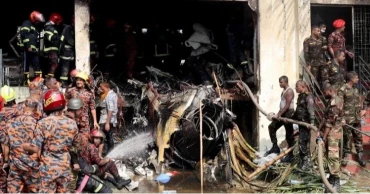
A petition was filed on Thursday with a Dhaka court seeking its directives to file a case against 16 people including former Chief Adviser Prof Yunus and former Law Adviser Asif Nazrul in connection with the tragic military aircraft crash into Milestone School and College in Uttara that claimed lives of 36 people including 28 students.
Usaimong Marma, father of sain student Ukkya Saing Marma, filed the petition with the Dhaka Metropolitan Magistrate.
Judge of the Dhaka Metropolitan Magistrate Ariful Islam kept the petition pending after recording the testimony of the plaintiff, said Advocate AKM Sharif Uddin, lawyer of the plaintiff.
Other names included in the petition are former Air Vice Marshal Hasan Mahmood Khan, Air commanding Officer Morshed Mohammad Khayer Ul Afsar, Officer Commanding Maintenance Group Captain Rifat Akter Ziku, Adviser of the Governing Body of Milestone School and College, Nurnabi (retd), Principle of the college Mohammad Ziaul Alam, Principle (Administration) Md Masud Alam, Principal (School section) Rifat Nabi, Chairman of Rajdhani Unnayan Kartripakkha (RAJUK), Filed Supervisor (Uttara), former secretary of Education Ministry Zubayer, former secretary of Defence Ministry, former Environment Adviser Syeda Rizwana Hasan, and former press secretary of the interim government Shafiqul Alam.
On July 21 last year, at least 36 people including 28 students were killed when an FT-7 BGI fighter jet crashed into Milestone School and College in Uttara.
On November 5, a probe body, formed after the July jet crash, submitted the report to former Chief Adviser Prof Yunus.
28 days ago
AI expansion could wipe out 5.6m jobs in Bangladesh: Debapriya
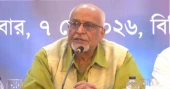
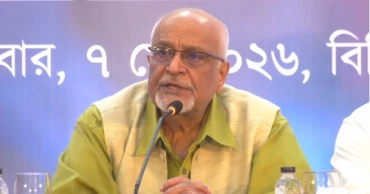
Prominent economist Dr Debapriya Bhattacharya on Thursday warned that artificial intelligence, robotics and rapid technological disruption could eliminate as many as 5.6 million jobs in Bangladesh, raising urgent questions about the country's readiness for a fast-shifting labour market.
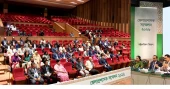
Speaking at a dialogue titled “Government Priorities and the Education Sector: Budget and Reality” arranged by Citizen's Platform for SDGs, Bangladesh at the Bangladesh-China Friendship Conference Centre in Agargaon, he said the challenge runs deeper than job losses alone.
“AI could eliminate 5.6 million jobs in Bangladesh. Even if 5 million technology-driven jobs are created in their place, the real question is whether Bangladesh has prepared itself to compete for them,” said Debapriya, Centre for Policy Dialogue (CPD) Distinguished Fellow.
He stressed that the country's young workforce faces a severe skills and training deficit that could lock them out of emerging employment opportunities, regardless of how many new positions the digital economy generates.
Shifting focus to education policy, the economist argued that the national priority must move beyond access to quality and measurable outcomes.
“Students are enrolling in schools, but what standard of learning are they leaving with? That is now the defining question,” he said, calling for a broad-based movement around outcome-linked accountability in education.
Debapriya noted that discussions were underway to transform the education agenda into a political and social movement, including a proposed joint initiative with newly elected members of parliament. “We believe what Bangladesh needs most right now is an education movement. Whenever we have gone to people ahead of elections and asked about their aspirations, quality education has always topped their list.”
On the government's stipend programme, he cautioned that financial transfers alone cannot address the true cost burden faced by poor and marginalised families. “Stipends help, but they fall far short of covering all the expenses that make education unaffordable for disadvantaged households.”
The economist framed the country's educational imperative in a shift of strategic emphasis from the earlier goal of universal enrolment to a new mission of ensuring learning outcomes. “We once fought for access to education. Now we must fight for the outcomes of that education.”
He also underscored that meaningful reform in education requires political and social mobilisation, not just technical recommendations, and that sustaining Bangladesh's development trajectory would be impossible without a qualitative leap in its education system.
State Minister for Primary and Mass Education Bobby Hajjaj attended the event as the chief guest, while CPD Additional Director (Research) Towfiqul Islam Khan delivered the keynote paper.
28 days ago
Education pledges may remain symbolic without budget boost: Citizen’s Platform
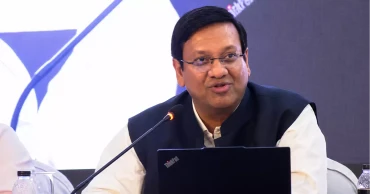
The Citizen's Platform for SDGs, Bangladesh on Thursday called on the government to urgently translate its ambitious education pledges into credible budgetary commitments, warning that decades of chronic underfunding, poor project implementation, and weak institutional capacity risk rendering the BNP government's 50-point education agenda largely symbolic.
Presenting a research paper titled “Upcoming Budget and Education: Political Pledges and Citizen's Expectations” at an event in Agargaon, CPD Additional Director (Research) Towfiqul Islam Khan said three broad areas of consensus have emerged in the national discourse: Bangladesh's education system urgently needs course correction; the current government has signalled strong political intent; and the upcoming national budget is the most critical instrument to bridge that intent with reality.
Despite successive policy commitments, including an Eighth Five-Year Plan target to raise education spending to 3 percent of GDP by FY2025, actual education expenditure has remained stagnant at only 1.3 percent of GDP in recent years, the paper found.
The overall education budget utilisation rate has declined sharply to 76 percent in FY2023-25, down from 99 percent in FY2009-15. Development budget utilisation has deteriorated even more steeply, falling to just 53 percent for the Ministry of Primary and Mass Education and 46 percent each for the Secondary and Higher Education Division and the Technical and Madrasah Education Division (TMED) during the same period.
The tax-to-GDP ratio, a key determinant of fiscal space, also hit its lowest recorded level of 6.8 percent in FY25, further constraining the government's ability to fund education reforms.
The platform analysis found 101 education-sector projects currently being implemented across 14 agencies under the Annual Development Programme (ADP). Of these, 34 projects have already passed their completion deadlines and cannot access funds without extension approvals, accounting for 37 percent of total RADP FY2026 allocations. Another 70 projects have undergone at least one revision, and no RADP project is expected to fully expend its allocation.
Drawing on implementation assessments of landmark programmes, including the Third Primary Education Development Programme (PEDP-3), the Secondary Education Sector Development Programme (SESDP), and the Skills and Training Enhancement Project (STEP), the platform identified six recurring failures: weak and unrealistic project design, frequent leadership changes with no director completing the mandatory three-year tenure, prolonged procurement delays, unresolved audit objections running into crores of taka, slow early-year expenditure, and chronic underutilisation of school-level improvement funds.
“The new government will start FY27 with the baggage of many carryover projects,” the paper cautioned.
The study catalogued 50 education-related commitments made public since the government assumed office, organising them into three categories: those drawn from the BNP election manifesto, administrative and regulatory decisions requiring no new budget, and initiatives requiring fresh fiscal allocations.
Of the 13 commitments in the last category, which include recruitment of 9,000 religious teachers, English language training for 247,000 primary teachers, one multipurpose examination hall in every upazila, and doubling of scholarship amounts from Tk 184 crore to Tk 368 crore annually, only the scholarship increase carries an explicit cost estimate.
The promised three-year fiscal uplift plan to reach the 5 percent of GDP education spending target has not yet been published, the paper noted.
The platform also flagged a structural pattern in the government's reform agenda: initiatives are heavily weighted towards procurement and physical provision; tablets for teachers, CCTV in examination centres, multimedia classrooms, free uniforms, Wi-Fi rollout, while commitments to improving actual learning outcomes inside classrooms remain comparatively thin.
“The emerging pattern is that the government has been specific about purchases, but more clarity is needed about how children will actually learn,” the paper observed.
A rapid field assessment conducted between May 2 and May 5, covering 17 Focus Group Discussions and 17 Key Informant Interviews across 10 districts, including urban, rural, haor, and char areas, revealed early implementation gaps in four flagship programmes.
On the mid-day meal programme, field teams found that meals largely consist of bakery items such as biscuits and buns, with parents raising concerns about long-term health impacts. Students in some locations reported receiving stale and fungus-affected food. Bananas were the only fruit distributed, despite guidelines mentioning fresh and seasonal produce. No clear instructions exist for managing surplus or shortfall.
On the free uniform, shoe, and bag initiative, teachers said they have received no official guidelines. Footwear use was found to be inconsistent, with visible quality disparities persisting due to affordability constraints among poorer households.
The platform recommended direct cash transfers to parents through government-to-person mechanisms, verified by school and local authorities, to reduce administrative burden and corruption risk.
On free Wi-Fi in schools, field visits found many institutions still without functional connectivity. Electricity outages were identified as a major constraint, with teachers in affected schools relying on personal mobile data for official tasks.
The platform noted that since Wi-Fi infrastructure is already present in approximately 85 percent of primary and 96 percent of secondary schools, the priority should shift from new installation to fixing bandwidth gaps, power reliability, and non-functional devices.
On multimedia classrooms, most schools were found to have equipment in only one or two rooms. Load shedding severely disrupts digital instruction, and only a small number of teachers have received ICT training.
The paper recommended solar power backup, classroom redesign, and a structured, continuous capacity-building programme for teachers.
The Citizen’s Platform said the FY27 education budget carries genuine potential for a fresh start, driven by increased allocations, new initiatives, and the launch of PEDP-5, the sector's largest development programme. A new secondary education programme is also due following the scheduled completion of the Secondary Education Sector Investment Programme (SESIP) in December 2026.
However, the think tank warned that fiscal pressure, institutional weakness, and weak governance, what it described as “ghosts of the past”, remain formidable obstacles.
It outlined five benchmarks by which the budget's delivery should be assessed: whether resources are allocated according to stated priorities, whether allocations are protected from mid-year cuts, whether implementation proceeds on time, whether governance standards are upheld, and whether transparency and accountability mechanisms are in place.
The Citizen's Platform for SDGs said it will track delivery of both the budget and the government's electoral pledges through its Reform Tracker and partner organisation network.
The research was led by Towfiqul Islam Khan alongside a CPD team, including Distinguished Fellows Dr Debapriya Bhattacharya and Prof Mustafizur Rahman, supported by contributions from ActionAid, Helvetas Bangladesh, SAJIDA Foundation, World Vision, and other partner organisations.
28 days ago
One more child dies with measles-like symptoms in Mymensingh
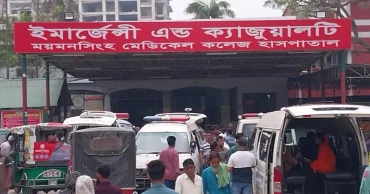
Another child has died with measles-like symptoms at the isolation ward of Mymensingh Medical College Hospital over the last 24 hours till 9:00am on Thursday, raising the total number of child deaths at the hospital to 27.
During the same period, 40 more children were admitted to the hospital, bringing the total number of patients currently undergoing treatment in the isolation ward to 94.
Due to a shortage of beds, many patients have been forced to stay on the hospital floor and in the corridors.
Associate Professor Dr Md Golam Mawla, focal person of the hospital’s measles isolation ward, said a nine-month-old boy died in the isolation ward on Wednesday after being admitted with measles-like symptoms.
According to him, the child was admitted to the hospital on May 2 from Trishal in Mymensingh. “Despite receiving proper treatment, the child died from post-measles pneumonia and respiratory failure.”
Golam Mawla said since March 17, a total of 1,145 children with symptoms consistent with measles have been admitted to the hospital.
Of them, 1,024 have been discharged after recovery, while 27 children have died.
In the last 24 hours alone, 19 more children were discharged after recovering, he added.
28 days ago

Youth killed in city bike crash
A young man was killed and another injured after a motorcycle lost control in the Demra area of the capital early Thursday.The deceased was identified as Md Nazmul, 20, son of Md Delwar Hossain of Rajargaon village in Hajiganj upazila of Chandpur. He used to live with his family in the Konapara area of Demra.
According to passerby Md Shahin, the accident took place in front of the Paper Mill Gate at Konapara Bansherpul around 1:00am when Nazmul was riding the motorcycle with his friend Iman, 19.
The rider reportedly lost control of the vehicle, leaving both seriously injured.
Locals rescued the two and first took them to a nearby hospital. Later, they were shifted to the Dhaka Medical College Hospital (DMCH) for advanced treatment, where doctors pronounced Nazmul dead.
Iman received primary treatment and was later released.
Inspector Md Faruk, in-charge of the DMCH police camp, said the body has been kept at the hospital morgue.
28 days ago

Two farmers killed in lightning strikes in Lalmonirhat, Kurigram
Two farmers were killed in separate lightning strikes in Lalmonirhat and Kurigram districts on Wednesday noon.
In Lalmonirhat, a farmer named Yusuf Ali, 35, died after being struck by a thunderstorm in the Bhullarhat area in Kaliganj upazila.
Yusuf, son of Akbar Ali Munshi, was returning home after working in a maize field when rain started. Locals said he was hit by lightning on the way.
He was rescued and taken to Kaliganj Upazila Health Complex, where doctors declared him dead, said Officer-in-Charge of Kaliganj Police Station Abu Bakkar Siddique.
In a separate incident in Kurigram, another farmer, Md Obaidul Haque, 45, was killed after being struck by lightning while harvesting paddy at Badijamalpur village under Nageshwari upazila.
According to family members, Obaidul, son of Abdul Haque, was working in his field when a thunderstorm stuck him. He died on the way to hospital.
Nageshwari Police Station OC Abdullah Hil Zaman said they received information about the incident, though no formal complaint was filed.
29 days ago

BJC delegation meets Info Minister, discusses challenges in electronic media
A delegation from the Broadcast Journalist Centre (BJC) paid a courtesy call on Information and Broadcasting Minister Zahir Uddin Swapon on Wednesday at the ministry’s conference room.
During the meeting, the delegation highlighted various challenges and opportunities in the electronic media sector, according to a press release.
The Information Minister said the government is committed to ensuring the free flow of accurate information to the public and protecting citizens from misinformation.
He stressed that many challenges in the media sector could be resolved if professionalism in journalism is ensured.
Swapon said, “Our policy is analog but the challenge is digital.”
He further said a Media Commission will be formed to address various issues in the sector through consultation with relevant stakeholders.
The Information Minister emphasised the need for consensus among all parties and said the government will act as a facilitator in the process.
Among others, BJC Chairman Fahim Ahmed, Member Secretary Ilias Hossain, Trustee Board Chairman Rejoanul Haque and members Talat Mamun and Nur Safa Julhaj were present.
29 days ago
Four-day DC Conference ends
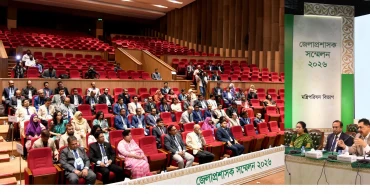
The four-day Deputy Commissioners’ Conference concluded on Wednesday, wrapping up a series of discussions on governance, service delivery and administrative reforms.
After the closing session in the afternoon, Prime Minister Tarique Rahman attended a meeting with the Bangladesh Administrative Service Association at the Bangladesh-China Friendship Conference Centre at Agargaon in the evening.
Later, deputy commissioners and divisional commissioners joined a dinner with the Prime Minister at the venue.
On the final day, the deputy commissioners participated in nine working sessions with different ministries and divisions.
The Prime Minister inaugurated the conference, organised by the Cabinet Division, on May 3 at the Osmani Memorial Auditorium, giving various directives to the deputy commissioners.
The DC Conference is held annually to facilitate direct interaction between policymakers and district administration, allowing exchange of views and policy directions. During the conference, deputy commissioners highlight challenges and obstacles they face in field administration, while policymakers discuss measures to address them.
This was the first DC Conference under the BNP government formed on February 17 after securing a two-thirds majority in the 13th parliamentary election held on February 12. The conference was therefore considered particularly important in guiding field administration on implementing the government’s election manifesto.
A total of 498 proposals submitted by divisional commissioners and deputy commissioners were placed for discussion during this year’s conference. Additional proposals were also raised during the working sessions.
During the conference, divisional commissioners and deputy commissioners paid courtesy calls on President Mohammed Shahabuddin, Speaker Hafiz Uddin Ahmad and Chief Justice Zubayer Rahman Chowdhury, receiving guidance and exchanging views.
Separate working sessions were also held with the Election Commission and the Anti-Corruption Commission.
This year’s conference included a total of 34 sessions, including 30 working sessions.
The Prime Minister’s Office, the EC, ACC, and 56 ministries and divisions took part in the conference.
The proposals focused on expanding public services, improving healthcare, reducing public suffering, building roads and bridges, promoting tourism, amending laws and regulations, and protecting public interests. The highest number of proposals – 44 – related to the Health Services Division.
The working sessions were attended by ministers, state ministers, advisers, special assistants, senior secretaries, secretaries and heads of departments, directorates and agencies under the relevant ministries. Each session was chaired by the Cabinet Secretary.
On the first day, four working sessions were held with different ministries and divisions. Later, divisional commissioners and deputy commissioners paid a courtesy call on the President at Bangabhaban and joined him for dinner.
On the second day, a total of seven working sessions were held. The deputy commissioners also met the Speaker for a courtesy call, exchange of views and dinner.
On the third day, the deputy commissioners took part in eight working sessions, including a courtesy call on the Chief Justice.
29 days ago
IEB calls for taskforce to curb project corruption, seeks service rules for private-sector engineers
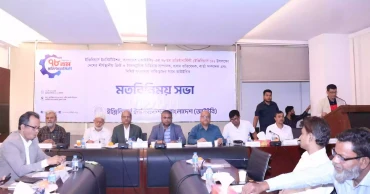
The Institution of Engineers, Bangladesh (IEB) has called for the formation of a dedicated taskforce to ensure transparency and accountability in development projects, alongside urging the government to introduce a formal service framework for engineers employed in the private sector.
The issues were highlighted at a media interaction held on Wednesday morning 6th May, 2026 at the IEB headquarters in Ramna, marking the organisation’s 78th founding anniversary (Engineers’ Day).
The event brought together editors, chief reporters, news editors, and senior professionals from leading print and electronic media outlets.
IEB President Engineer Mohammad Reazul Islam (Rezu) chaired the session, while Honorary Assistant General Secretary (Administration and Finance) Engineer Muhammad Ahsanul Rasel moderated the discussion.
In his welcome remarks, IEB Vice President (Administration and Finance) Engineer A.T.M. Tanbir-ul Hasan (Tamal) stressed the importance of the media in communicating development efforts and professional contributions to the public.
“The media plays a vital role in conveying national progress and the work of professional communities. We expect your continued support in presenting IEB’s activities, achievements, and future plans to the people,” he said.
He added that as Bangladesh advances through technology-driven development, collaboration between engineers and journalists has become increasingly important.
Presenting an overview of IEB’s activities, Dr Md Sabbir Mostafa Khan pointed to structural imbalances in the engineering profession.
He noted that over 70% of engineers in Bangladesh are employed in the private sector due to limited opportunities in government service.
However, many face low salaries, job insecurity and limited benefits, with instances of termination without notice.
“Private-sector engineers are the backbone of project implementation at the field level. Yet, they lack a structured service framework. This is a serious disparity,” he added.
He emphasized the urgent need for a national service rule for private-sector engineers, arguing that such a framework would not only protect professionals but also enhance productivity and the quality of project execution.
Prof Sabbir also expressed concern over the appointment of non-technical individuals to leadership positions in engineering-related organisations and state-owned enterprises.
He called for ensuring that qualified engineers are appointed to key roles such as chairpersons, board heads and managing directors. He also stressed that technically competent professionals should be appointed as project directors (PDs) in development projects.
Additionally, he urged authorities to grant timely promotions and appropriate grading to engineers instead of keeping them in acting or additional charge roles for extended periods.
In his presidential address, Engineer Reazul Islam said that many development projects undertaken in previous years were marred by allegations of corruption and irregularities.
To address these concerns, he announced plans to form a taskforce from IEB aimed at strengthening oversight and ensuring accountability in project implementation.
“Strengthening the engineering sector requires not just infrastructure development but also good governance. Professionalism, efficiency and accountability must be ensured across all projects,” he added.
He also noted that transparency has been restored in IEB’s membership process, with around 12,000 new members enrolled during the tenure of the current committee.
The event was attended by senior IEB leaders, including Vice President (Academic and International) Engr Khan Monjur Morshed, Vice President (HRD) Engr Sheikh Al Amin, Vice President (S&DW) Engr Niaz Uddin Bhuiyan, Honorary Assistant General Secretary (HRD) Engr Md Nur Amin and Honorary Assistant General Secretary (S&DW) Engr Sabbir Ahmed Osmani.
Also present were IEB Dhaka Centre Chairman Engr Helal Uddin Talukder, Vice Chairmen Engr Abdullah Al Mamun and Engr Md Kamrul Hasan and Honorary Secretary Engr K.M. Asaduzzaman.
Among media representatives were DBC News Editor Loton Ekram, Boishakhi TV CNE Touhid Shanto, Channel One COO Farhana Nishu, BTV Chief News Editor Md Kamrul Islam, GTV CEO Md Rafiqul Islam, Head of News Gausul Azam Bipu and DMD Abul Hasan.
Senior journalists including Kalbela’s Deputy Chief Reporter Shafiqul Islam, Bonik Barta’s Aminul Islam, DRU General Secretary Mainul Hasan Sohel, Janakantha Executive Editor and DUJ General Secretary Khurshid Alam, The Financial Express’s Shihabur Rahman, Inqilab’s Nurul Islam, Dhaka Tribune’s Shaikh Shahrukh and Manabzamin’s Dhali Abu Hanif also attended.
Reporters, video journalists and camera personnel from outlets such as Somoy TV, Ekattor TV, BTV, Desh TV, GTV, Ekhon TV, Jamuna TV, NTV, Boishakhi TV, DBC News, Manobzamin, The Daily Financial Express, Dhaka Tribune, Daily Desh Rupantor, Amader Shomoy, Bonik Barta and Channel One, kalbela, Janokontho, Newage, Khola Kagoj were also present.
Journalists at the event shared views on challenges facing the engineering sector, including transparency in project implementation and the need for policy reforms.
IEB leaders said they would continue engaging with the media on key national priorities, including energy security, sustainable infrastructure development, and the transition toward a technology-driven economy.
29 days ago
Steps taken to stop circulation of counterfeit notes at cattle markets during Eid: DMP chief
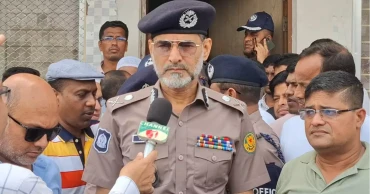
Acting Commissioner of Dhaka Metropolitan Police (DMP) Md Sarwar on Wednesday said law enforcement agencies have taken coordinated steps to prevent the circulation of counterfeit currency at cattle markets in the capital during Eid-ul-Azha.
“Fake currency detection machines will be installed at every cattle market in the capital to check the circulation of counterfeit notes as part of the initiative,” he said.
The acting DMP chief was talking to reporters after inspecting the progress of development work at the Gabtoli Cattle Market and construction of a new road leading to the Gabtoli Bus Terminal.
He also said steps have also planned to ensure smooth traffic management around the Gabtoli Cattle Market.
Sarwar said intelligence surveillance will be strengthened at the cattle markets to check the circulation of fake currency.
Members of the Detective Branch of police and other intelligence agencies will remain active to identify and stop the sources of counterfeit currency in advance and bring those involved to justice, he said.
About the possible risk of conflicts or violence surrounding cattle markets, the acing DMP Commissioner said law enforcement agencies remain on alert. “Coordination with relevant government bodies and city corporations is being ensured for overall management.”
Citing to traffic management as the biggest challenge, he said as the cattle market and the bus terminal are open round the clock, it creates pressure in the Gabtoli area. “To address this, several measures, including construction of a new road, have been taken to maintain normal traffic flow in the area,” he added.
Sarwar also informed that designated loading and unloading points will be set up to ensure discipline in transporting cattle to help ease traffic congestion.
A detailed management plan centring on the Gabtoli Cattle Market will be published soon, he said.
29 days ago