Britain’s Royal Navy is preparing for a possible mine-clearing operation in the Strait of Hormuz as tensions remain high over the conflict involving Iran, though deployment will depend on a peace agreement being finalized.
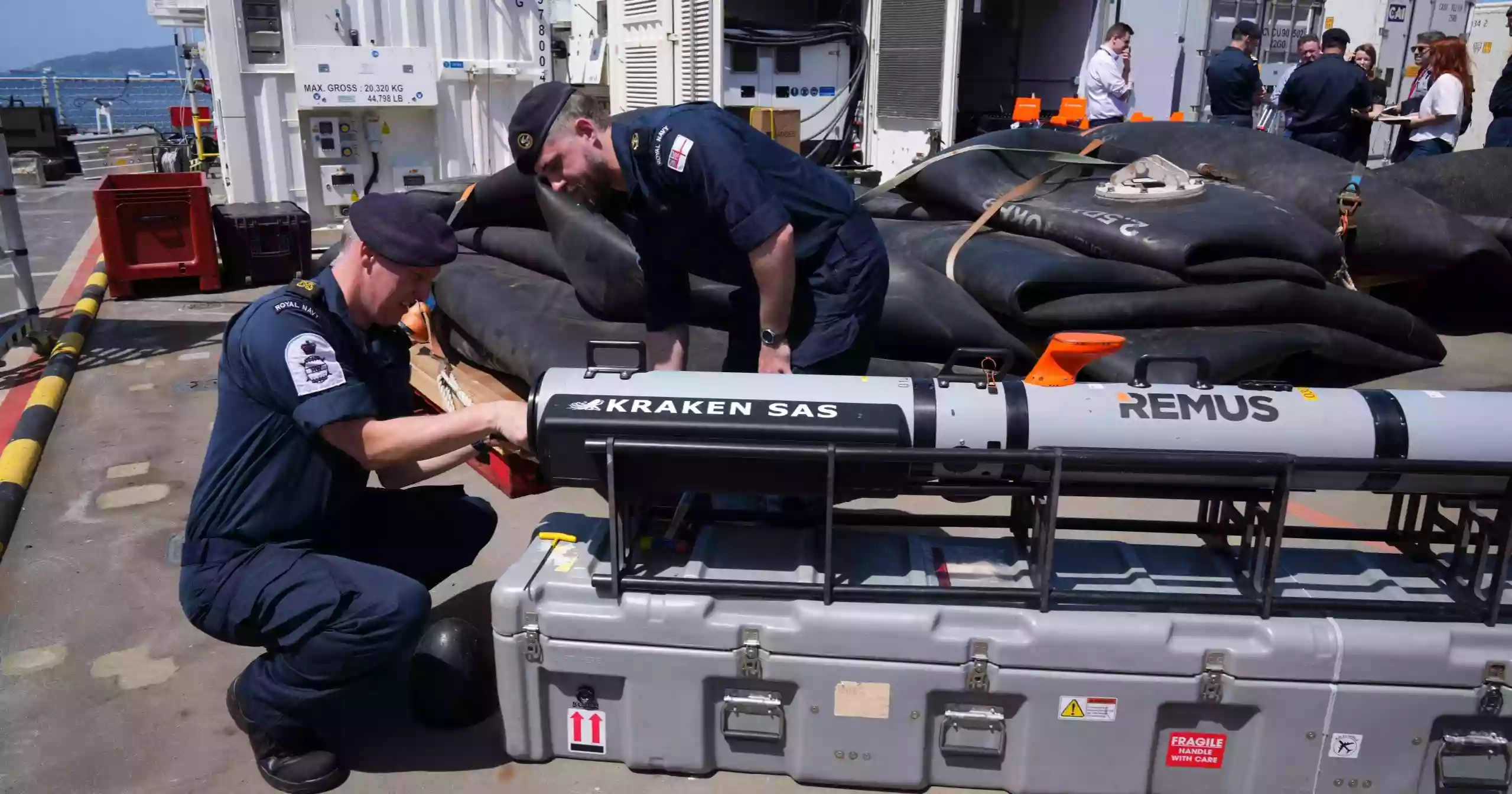
Hundreds of British sailors aboard the RFA Lyme Bay, currently docked near Gibraltar, are on standby for the mission. The vessel is being loaded with ammunition and advanced mine-hunting sea drones equipped with sonar technology.
The preparations come after US President Donald Trump criticized allies for not doing enough to support Washington’s military campaign linked to Iran. Tehran’s actions in the Strait of Hormuz have disrupted global shipping and sharply increased energy prices.
In March, Trump urged NATO allies to secure the strategic waterway themselves, saying they should “go get your own oil.”
Britain’s Armed Forces Minister Al Carns told reporters during a visit to the ship that Britain and France are preparing for a possible international operation to reopen the vital shipping route once fighting ends.
Trump said Saturday that a peace deal involving Iran had been “largely negotiated” following discussions with Israel and regional allies, though final details are still being worked out.
The RFA Lyme Bay is expected to join the British destroyer HMS Dragon and other allied ships before heading through the Suez Canal toward the Persian Gulf.
Carns defended Britain’s role after Trump questioned the strength of the British military and criticized Prime Minister Keir Starmer.
“Which other country can pull together 40 nations and come up with a solution to deal with a complex problem?” Carns said.
According to British officials, around 6,000 ships have been unable to pass through the Strait of Hormuz since the conflict began.
Royal Navy officials warned that Iran could have deployed several types of sea mines in the strait, including mines attached to cables, rocket-propelled devices, or mines hidden on the seabed and triggered by sound, movement or light.
Commander Gemma Britton, head of the Royal Navy’s Mine and Threat Exploitation Group, said the navy is using autonomous underwater systems that can scan the seabed much faster and more safely than traditional crewed vessels.
The drones use sonar to create images of underwater objects, helping crews identify possible mines. Some systems can operate remotely from smaller unmanned boats launched from the RFA Lyme Bay, reducing risks for sailors.
Britton said the immediate goal would be to clear safe shipping lanes so stranded vessels could move through the strait again. However, fully clearing the entire waterway could take months or even years.
Despite the preparations, British officials admitted it is still unclear whether mines are actually present in the strait or whether the international mission will ultimately be needed.
Carns said commercial shipping companies and insurers require complete assurance that the route is safe before normal trade can resume.
“We don’t know when the Americans, Iranians and Israelis are going to reach a suitable solution,” Carns said.
Until then, he added, the RFA Lyme Bay and its crew will remain on standby and “really, really ready.”