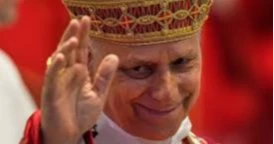
Pope Leo XIV has called for strict global regulation of artificial intelligence, warning that the fast-growing technology must serve humanity and the common good rather than corporate profit.
In a major new church document titled “Magnifica Humanitas” (Magnificent Humanity), the first encyclical of Pope Leo XIV, the pontiff said AI is one of the biggest challenges facing the world today as it reshapes jobs, warfare, and human life.
He strongly criticised what he called a “culture of power” driving the global AI race, especially in developing advanced systems used in remote warfare. He said it is “not permissible” to allow artificial intelligence to make irreversible or lethal decisions, warning that such choices must remain under human control.
His comments are likely to deepen debate with the United States administration, which has pushed for lighter regulation of AI development.
The pope also warned about the growing concentration of data and technological power in the hands of a few private companies, saying it poses serious risks for children, vulnerable groups and democratic accountability. He called for clear laws, independent oversight and stronger political responsibility to govern AI systems.
“It is not enough to invoke ethics in the abstract,” he wrote, stressing that binding legal frameworks are needed and that moral standards cannot be set by a small group of tech leaders.
The encyclical was released at a Vatican event attended by representatives from the tech world, including co-founder of Anthropic, as the Holy See continues long-running dialogue with Silicon Valley over the social impact of AI.
Experts say the document is likely to become an important reference point in global discussions on AI ethics and regulation, especially as concerns grow about job losses and machines replacing human decision-making.
Technology leaders and academics said the pope’s intervention raises deeper questions about humanity’s future in the age of artificial intelligence, as systems become more powerful and widespread.
In the text, Pope Leo also warned that AI is contributing to the “normalisation of war” by making violence feel more distant and less human. He called for greater transparency in how AI is used in military operations and urged clearer accountability in decision-making chains for strikes involving automated systems.
He further argued that traditional Catholic “just war” theory may no longer be adequate in the era of modern warfare technologies.
The document also places AI within the broader tradition of Catholic social teaching, linking it to long-standing concerns about workers’ rights, economic justice and human dignity.
The pope signed the encyclical on May 15, marking the anniversary of *Rerum Novarum*, a landmark church text that shaped modern Catholic views on labour and capitalism during the Industrial Revolution.
He warned that the pursuit of profit must never come at the cost of jobs, arguing that people must always remain the purpose of economic systems, not their tools.
The encyclical also touched on historical issues, including an unprecedented papal acknowledgment and apology for the Holy See’s past role in supporting slavery.
Vatican officials did not disclose who contributed to the document, but said it reflects years of discussions between the church and technology leaders.