Technical-level talks between Iran and the United States on implementing their interim agreement will begin on Sunday in Bürgenstock, Switzerland, with Qatari mediators also taking part, Pakistan said on Saturday.
In Washington, US Vice President JD Vance confirmed that senior American negotiators Jared Kushner and Steve Witkoff were already in Switzerland and were working on the technical aspects of discussions related to Iran's nuclear programme.
Speaking to Fox News, Vance said he expected to travel to Switzerland "sometime in the next couple of days," while noting that coordinating the negotiations remained delicate.
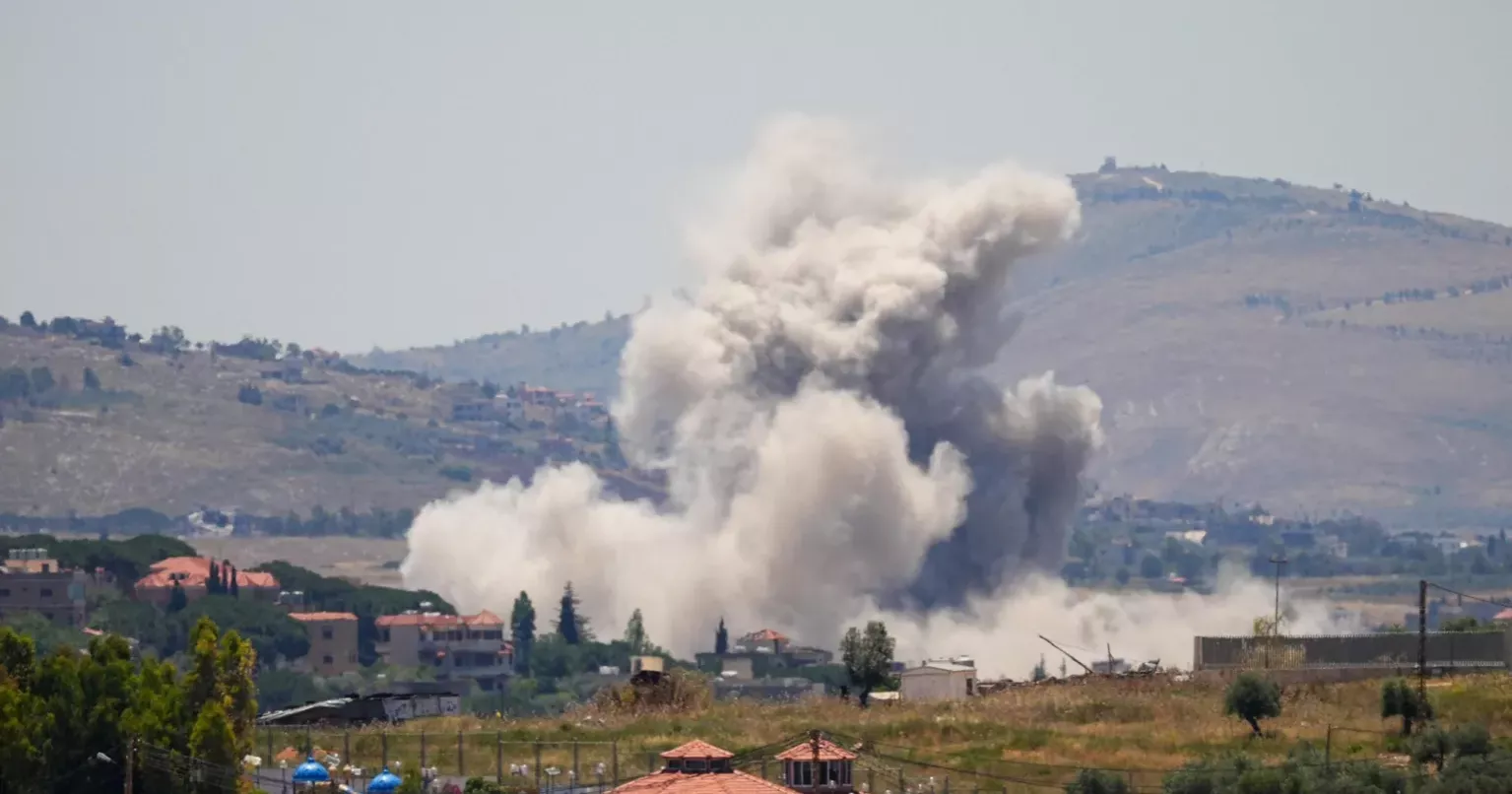
The announcement came as Iran sent mixed signals over the future of the interim agreement following continued Israeli attacks in Lebanon.
Earlier on Saturday, Iran's joint military command announced that it had again closed the Strait of Hormuz, accusing the United States of acting in bad faith and failing to stop Israel's military operations in Lebanon.
In a statement carried by Iranian state television, the military command warned that additional measures had been planned if what it described as "aggression" continued.
Shortly afterward, Iranian state media reported that the country's negotiating team was heading to Switzerland, a trip that had originally been scheduled for Friday.
However, Iranian Foreign Ministry spokesperson Esmail Baghaei indicated that substantial progress in the negotiations was unlikely unless Washington fulfilled its commitments under the interim deal.
"This trip is therefore about demanding that the other side fulfill its obligations," Baghaei said, adding that talks on a final agreement would begin only after key commitments were honoured.
He warned that failure to implement those commitments could jeopardise the entire memorandum of understanding reached between the two sides.
The interim agreement, signed earlier this week, had led to the reopening of the Strait of Hormuz and revived hopes for broader negotiations over Iran's nuclear programme and regional stability. However, several key issues remain unresolved, and tensions over the fighting in Lebanon continue to threaten the fragile accord.