Staff shortage in Sunamganj Sadar Hospital
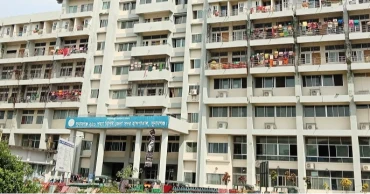
Staff shortage cripples healthcare services at 250-bed Sunamganj Sadar Hospital
The 250-bed Sunamganj Sadar Hospital has been grappling with a severe manpower shortage, crippling healthcare services at the district’s largest public medical facility and forcing patients to endure long waits, inadequate treatment and mounting frustration.
The overburdened healthcare workers are struggling to maintain basic care to patients.
Hospital sources said nearly half of the approved posts at the district’s main public healthcare facility are lying vacant, affecting treatment services in one of the country’s haor regions where thousands depend on the hospital for affordable care.
According to hospital authorities, the hospital has a total of 472 approved posts but only 255 employees are currently working, leaving 217 positions vacant.
The crisis is most acute among doctors. Of the 74 approved physician posts, only 28 are currently filled, meaning 46 positions remain vacant.
Besides, against 262 sanctioned posts for nurses, only 199 are currently serving, while 63 positions remain empty.
The shortage extends to medical technologists as well.
Of 10 approved posts, only six are occupied. In other categories, the situation appears even worse – only 22 employees are working against 126 approved posts, leaving 104 vacancies.
Patients and their relatives told UNB that the staff shortage has made access to proper treatment increasingly difficult.
Many alleged that they have to wait for hours to consult doctors, while several departments struggle to provide regular services due to a lack of manpower.
“I have been admitted to the hospital for two days, but there is a shortage of doctors, nurses and cleaners here,” said patient Soaeb Hasan. “We are facing different kinds of suffering every day.”
Ismail Hossain, an attendant of another patient, said many patients coming from remote areas fail to receive treatment from specialist physicians.
“Despite having such a large hospital, patients often hear that specialist doctors are unavailable. In the end, many are forced to go to Sylhet for treatment,” he said.
Concerns were also raised over the activities of brokers operating inside the hospital premises.
Abdus Samad, another patient’s guardian, alleged that an organised broker syndicate frequently harasses patients and even misbehaves with doctors when they fail to receive undue benefits.
“If these brokers can be controlled, both patients and doctors will feel safer, and harassment will decrease,” he said.
Locals also expressed concern over the hospital environment and the retention of doctors.
Habibur Rahman Chowdhury, a retired official and resident of the area, said some physicians eventually leave due to harassment and lack of security.
“Even when doctors join the hospital, some dishonest people create an unpleasant environment through. Ensuring doctors’ security is very important,” he said.
Sajia Begum, a resident of Shologhor area, said the unhygienic environment reflects the shortage of support staff.
“People expect healthcare services in a clean and healthy environment. But waste and garbage can be seen lying in different corners of the hospital,” she said.
Hospital authorities admitted that the prolonged vacancy crisis has placed enormous pressure on existing staff and affected patient care.
Dr Mahbubur Rahman Swapan, deputy director of the 250-bed hospital, said doctors and healthcare workers are struggling to manage the growing workload.
“We are facing difficulties in providing services due to shortages in various posts, including doctors,” he said.
“If these vacancies are filled quickly, pressure on the existing workforce will ease and patients will receive better and smoother healthcare services.”
He added that the issue has repeatedly been communicated to higher authorities, urging immediate recruitment to overcome the crisis.
4 months ago